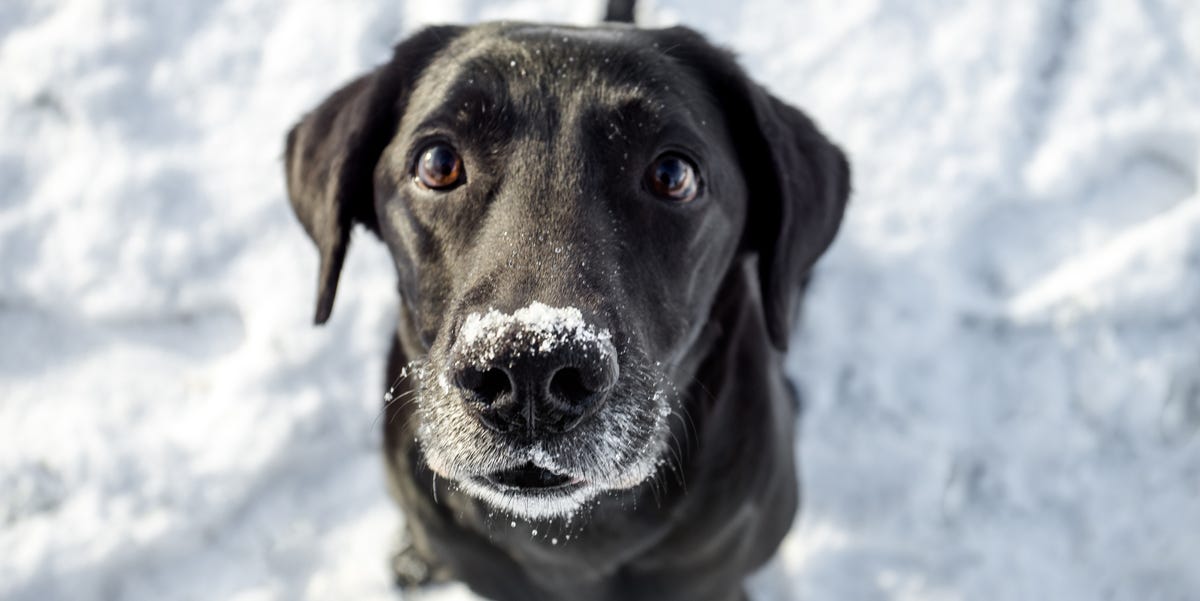
Winter can make dogs look ridiculously adorable. A golden retriever bounding through snow? Cinema. A dachshund wearing a tiny puffer jacket? Museum-worthy. But beneath the snow-day cuteness, cold weather can create real risks for dogs, from cracked paw pads and hidden ice injuries to hypothermia, frostbite, antifreeze poisoning, and that classic winter problem: a bored dog turning your throw pillow into modern art.
The good news is that most winter dangers are preventable with a little planning. You do not need to wrap your dog in bubble wrap or cancel every walk until April. You simply need to understand your dog’s limits, check the weather with more than human optimism, protect those hardworking paws, and know when “just five more minutes outside” has turned into “time to go in, buddy.”
This veterinarian-inspired guide breaks down the most important winter safety tips for dogs in plain English. Think of it as a cold-weather checklist for keeping your pup healthy, comfortable, and happily wagging all season long.
Why Winter Can Be Risky for Dogs
Many people assume dogs are naturally built for winter because they come with fur. That is like saying humans are naturally ready for a blizzard because we own eyebrows. Fur helps, but it does not make every dog cold-proof.
A dog’s winter tolerance depends on several factors: breed, coat type, body size, age, weight, health, activity level, wind chill, moisture, and how long the dog stays outside. A Siberian husky may treat a snowstorm like a spa day, while a short-haired Chihuahua may file a formal complaint after six steps. Puppies, senior dogs, toy breeds, thin-coated dogs, underweight dogs, and dogs with arthritis, heart disease, diabetes, kidney disease, or hormonal conditions are generally more vulnerable to cold.
Wet weather makes things worse. A dog who is damp from snow, sleet, freezing rain, or slush can lose body heat faster. Wind also matters. A sunny 30-degree day may feel manageable during a brisk walk, while a windy, wet 30-degree evening can become dangerous quickly.
1. Watch Your Dog, Not Just the Thermometer
There is no single magic temperature that applies to every dog. Instead, veterinarians encourage owners to watch behavior. Your dog will often tell you when winter has crossed from “fun adventure” to “absolutely not.”
Signs your dog may be too cold
- Shivering or trembling
- Whining, barking, or acting anxious
- Lifting paws off the ground
- Slowing down or refusing to walk
- Hunched posture or tucked tail
- Trying to turn back home
- Seeking shelter, hiding, or curling up
- Cold ears, paws, or tail tip
- Pale, gray, bluish, or unusually firm skin on extremities
If your dog starts showing these signs, end the walk. Do not negotiate like your dog is a tiny union representative. Go home, warm them gradually, dry them thoroughly, and monitor their behavior.
2. Limit Outdoor Time in Extreme Cold
Dogs need exercise and bathroom breaks, but long exposure to freezing conditions can increase the risk of frostbite and hypothermia. Frostbite most often affects areas with less blood flow or less fur, such as ear tips, paw pads, toes, and tail tips. Hypothermia happens when body temperature drops too low and the body can no longer maintain normal function.
In bitter weather, choose shorter, more frequent outings instead of one long expedition. A 10-minute bathroom walk may be safer than a 45-minute stroll through icy wind. For dogs who need serious activity, use the warmest part of the day when possible and keep the pace brisk enough to generate body heat.
One useful approach is to begin walks at a steady pace. Let your dog sniff and explore, of course, but avoid standing still for long periods in freezing conditions. Dogs lose heat when they stop moving, especially if their paws are on ice, snow, or salted pavement.
3. Use Dog Coats and Sweaters Wisely
Dog clothing is not just for social media. For some dogs, a winter coat is practical safety gear. Small dogs, short-haired breeds, lean dogs, puppies, seniors, and dogs with medical issues may benefit from an extra layer.
What to look for in a winter dog coat
- Coverage from neck to tail base
- Protection for the chest and belly
- Water-resistant or waterproof outer material
- A fit that allows natural movement
- No tight straps around the neck, armpits, or belly
- Reflective trim for low-light walks
- A leash opening or harness-compatible design
A sweater may be fine for dry, chilly weather, but in wet snow or freezing rain, wet fabric can make a dog colder. In slushy conditions, a waterproof jacket is usually more helpful than a cute knit sweater, no matter how much the sweater says “I’m the boss” in festive lettering.
Also watch for overheating. Heavy-coated breeds or active dogs can become too warm if bundled unnecessarily. Signs of overheating include heavy panting, slowing down, drooling, or trying to remove the clothing. Winter gear should help your dog, not turn them into a furry baked potato.
4. Protect Your Dog’s Paws From Ice, Salt, and Chemicals
Winter sidewalks are tough on paws. Ice can cut or scrape pads. Snow can clump between toes and form painful ice balls. Road salt and chemical de-icers can dry, irritate, or burn paw pads. When dogs lick their paws after walks, they may also ingest salt or chemicals, which can upset the stomach and, in larger amounts, cause more serious problems.
Simple paw protection routine
- Apply a vet-approved paw balm before walks.
- Use dog booties for better protection in snow, ice, or salted areas.
- Trim long hair between paw pads to reduce ice buildup.
- Wipe or rinse paws after every winter walk.
- Dry thoroughly between the toes.
- Check for cracks, redness, swelling, bleeding, or limping.
Booties can be excellent, but many dogs need time to adjust. The first time a dog wears boots, they may perform a dramatic high-step dance as if the floor has become lava. Introduce booties indoors with treats, short practice sessions, and praise. Once your dog realizes the boots are not tiny foot prisons, walks usually improve.
5. Beware of Antifreeze: A Small Amount Can Be Deadly
Antifreeze is one of the most dangerous winter toxins for dogs. Many antifreeze products contain ethylene glycol, a chemical that can cause severe kidney failure. It may taste sweet, which makes it especially dangerous because dogs may lick it from garage floors, driveways, parking lots, or puddles near vehicles.
Possible signs of antifreeze poisoning include vomiting, drooling, wobbliness, weakness, excessive thirst, increased urination, seizures, lethargy, and collapse. Early signs can look like drunkenness. The frightening part is that symptoms may appear to improve while internal damage continues.
If you suspect your dog has licked or swallowed antifreeze, treat it as an emergency. Do not wait for symptoms. Call your veterinarian, an emergency animal hospital, or a pet poison hotline immediately. Fast treatment can make the difference between recovery and tragedy.
How to reduce antifreeze risk
- Store antifreeze in sealed containers out of reach.
- Clean spills immediately.
- Check under vehicles for leaks.
- Keep dogs away from garages, parking lots, and suspicious puddles.
- Consider safer alternatives when available, but remember that “less toxic” does not mean “safe to drink.”
6. Never Leave Dogs in Cold Cars
Most people know hot cars are dangerous for pets, but cold cars can also be hazardous. In winter, a parked car can act like a refrigerator, trapping cold air and lowering your dog’s body temperature. Young, old, thin, sick, and small dogs are especially at risk.
If you are running errands, leave your dog at home unless the trip is designed around them. A warm house, a cozy bed, and perhaps a chew toy are far better than waiting in a freezing car while you debate cereal brands.
7. Keep Dogs Leashed in Snow and Storms
Snow changes the world from a dog’s point of view. Familiar scents may be covered, landmarks may disappear, and visibility can drop fast. A dog who normally knows the neighborhood may become confused during heavy snow or wind.
Keep your dog leashed during winter walks, especially in storms, near roads, around frozen ponds, or in unfamiliar areas. Make sure your dog wears an ID tag and has an updated microchip. Reflective collars, light-up leashes, and bright coats can also help drivers, cyclists, and other pedestrians see your dog during dark mornings and early evenings.
8. Avoid Frozen Lakes, Ponds, and Thin Ice
A frozen pond may look solid, but ice thickness can vary. Dogs do not understand weak spots, moving water, or the terrifying physics of “almost frozen.” Keep dogs away from frozen bodies of water unless the area is officially marked safe and you are following local guidance.
If a dog falls through ice, do not run onto the ice after them. Call emergency services and try to guide the dog toward shore from a safe position. This is one of those moments when bravery must bring a brain with it.
9. Make Indoor Life More Interesting
When winter weather shortens outdoor time, dogs still need mental and physical activity. A bored dog will invent a hobby, and unfortunately that hobby may involve your slippers, trash can, or the mysterious destruction of one couch cushion.
Indoor enrichment ideas
- Food puzzle toys
- Snuffle mats
- Hide-and-seek with treats
- Short training sessions
- Indoor fetch in a safe hallway
- Tug games with rules
- Scent games using boxes or towels
- Teaching new tricks
Ten minutes of focused sniffing or training can tire some dogs more than a casual walk. Mental exercise is not a luxury; it is part of winter dog care.
10. Adjust Food Carefully, Not Automatically
Some outdoor working dogs burn more calories in winter because their bodies use extra energy to stay warm. However, many house dogs move less during cold months. That means automatically increasing food can lead to winter weight gain.
Monitor your dog’s body condition. You should be able to feel the ribs without digging, see a waist from above, and notice an abdominal tuck from the side. If your dog is less active in winter, keep treats under control and ask your veterinarian whether diet adjustments are needed.
11. Support Senior Dogs and Dogs With Arthritis
Cold weather can make stiff joints feel worse. Senior dogs and dogs with arthritis may struggle on icy steps, slippery sidewalks, and frozen ground. They may also move more slowly, which means they generate less body heat during walks.
Use traction rugs indoors, keep nails trimmed, avoid icy routes, and consider ramps for cars or steps. A warm bed away from drafts can help older dogs rest comfortably. If your dog seems more painful in winter, talk with your veterinarian. Do not give human pain medicine unless your vet specifically instructs you to do so; many human medications are dangerous for dogs.
12. Prepare for Winter Storms and Power Outages
A winter storm can make normal pet care suddenly complicated. Roads close, clinics may have limited access, and power outages can affect heat, water, and medication storage. Prepare before the forecast looks like a disaster movie trailer.
Winter emergency kit for dogs
- Several days of dog food
- Fresh water
- Medications and copies of prescriptions
- Leash, harness, and carrier if needed
- Blankets or towels
- Pet first-aid supplies
- Waste bags
- Updated vaccination and microchip information
- Recent photo of your dog
- Contact information for your regular vet and nearest emergency clinic
Also plan for bathroom breaks during severe weather. Clear a small safe potty area near the door if snow piles up. For small dogs or mobility-limited dogs, indoor potty pads may be useful during emergencies.
When to Call the Veterinarian
Call your veterinarian promptly if your dog has prolonged shivering, weakness, confusion, pale or blue skin, suspected frostbite, suspected antifreeze exposure, persistent limping, cracked or bleeding paws, breathing changes, collapse, seizures, or unusual lethargy after cold exposure.
Winter safety is not about panic. It is about paying attention. Dogs are wonderfully expressive, but they cannot say, “Excuse me, my left rear paw is full of sidewalk salt and my ears are approaching popsicle status.” That part is on us.
Real-World Winter Dog Care Experience: What Actually Helps
In everyday winter dog care, the most successful owners usually build simple routines instead of relying on heroic last-minute efforts. The first practical experience many people learn is that the “doorway station” changes everything. Keep a towel, paw wipes, balm, leash, waste bags, and treats near the door. After every walk, wipe each paw, check between toes, and dry the belly if your dog is low to the ground. This two-minute habit prevents salt irritation, catches small cuts early, and keeps your floors from looking like a melted snowman moved in.
Another lesson: dogs need practice with winter gear before the weather gets dramatic. If you introduce booties during the first blizzard, your dog may react as if you have attached four suspicious marshmallows to their feet. Start indoors. Let your dog sniff the boots, reward calm behavior, put one boot on briefly, then build up. The same applies to coats. A comfortable fit matters more than style. If your dog freezes, scratches, refuses to move, or walks like a confused robot, adjust the fit or try a different design.
Experienced dog owners also learn to choose winter walking routes carefully. The shortest route is not always the safest. A quiet street with less traffic, less salt, and better lighting may be better than a busy sidewalk covered in de-icer. Avoid metal grates, frozen puddles, steep icy driveways, and areas where snowbanks block drivers’ view of small dogs. During storms, visibility matters as much as temperature. Reflective gear is not glamorous, but neither is being invisible to a delivery truck.
For energetic dogs, winter can be frustrating. A young Labrador may not care that the sidewalk is icy; the Labrador has meetings to attend, squirrels to audit, and snow to personally inspect. Indoor enrichment becomes essential. Rotate toys instead of leaving everything out. Use part of your dog’s meal in puzzle feeders. Hide treats around a room and release your dog to “find it.” Practice basic cues like sit, stay, touch, spin, and place. These games burn mental energy and help prevent winter mischief.
Senior dogs need a slower, gentler winter plan. Add traction mats near doors. Keep bedding warm and away from drafts. Do not force long walks if your dog is stiff or hesitant. Several short outings may be kinder than one long march. Watch for subtle changes: taking longer to rise, slipping more often, licking joints, or avoiding stairs. These signs deserve attention, especially in cold weather.
The biggest experience-based tip is simple: trust your dog’s behavior. If your dog is eager, loose-bodied, and moving comfortably, the winter outing is probably going well. If your dog is shivering, lifting paws, slowing down, or staring at you with the betrayed expression of someone who expected a bathroom break and got an Arctic expedition, go inside. Winter safety is not about proving toughness. It is about helping your dog enjoy the season without paying for it later.
Conclusion
Winter can be wonderful for dogs when owners plan ahead. The safest cold-weather routine includes shorter outdoor sessions in extreme conditions, paw protection, smart use of coats or booties, careful grooming, leash safety, antifreeze prevention, indoor enrichment, and quick veterinary attention when warning signs appear.
Your dog does not need a luxury ski chalet or a personal snow butler. They need warmth, supervision, clean paws, safe walking routes, fresh water, and a human who knows when the weather has stopped being charming. With these winter safety tips for dogs, you can enjoy the season together while keeping your four-legged family member healthy, comfortable, and ready for the next snow-day zoomie.
Note: This article is for educational purposes and does not replace professional veterinary diagnosis or treatment. If your dog shows signs of illness, injury, poisoning, frostbite, or hypothermia, contact a veterinarian or emergency animal hospital immediately.