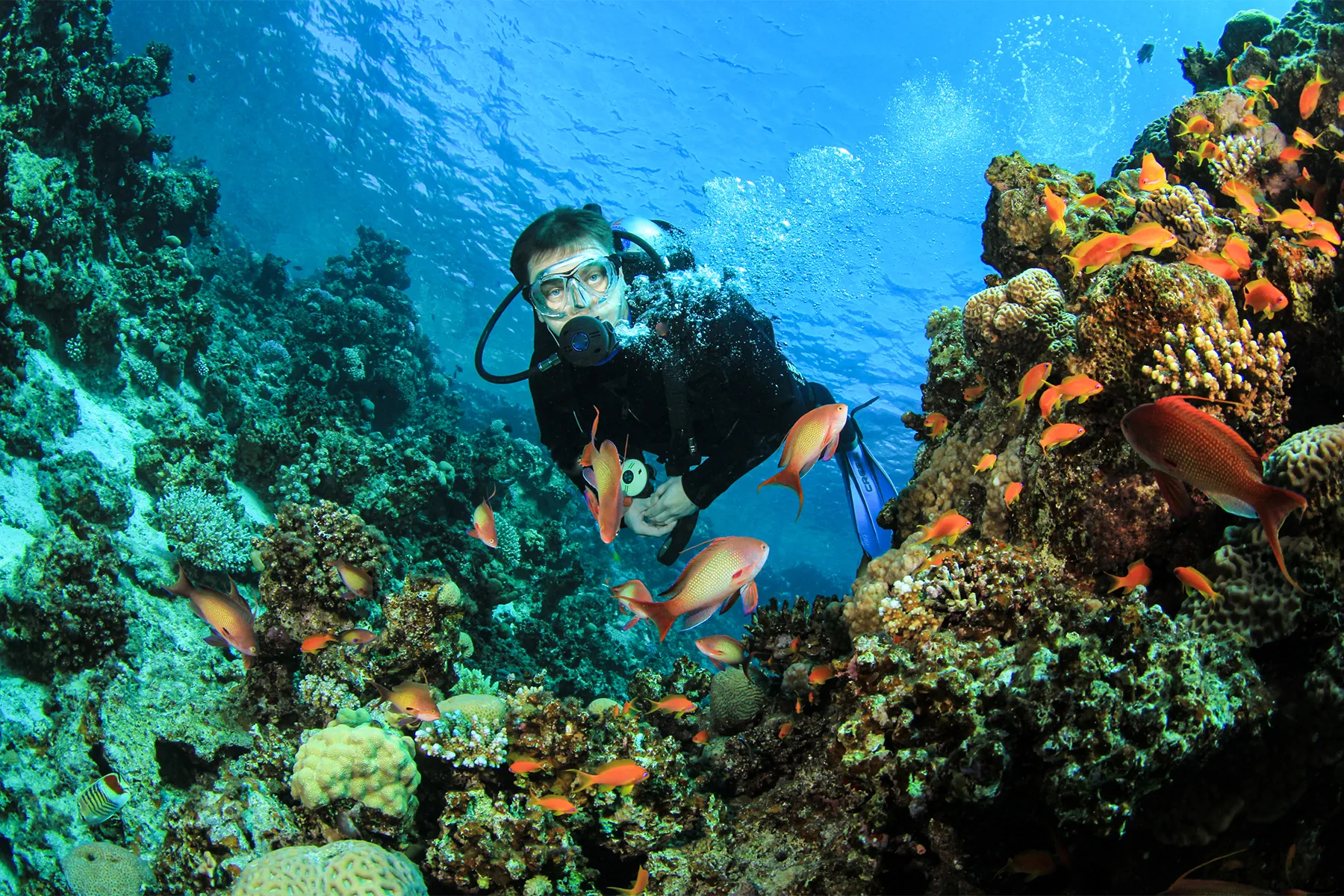
Pressure is sneaky. It does not knock politely, introduce itself, and ask whether your ears, sinuses, lungs, joints, and nervous system are ready for a little physics lesson. It simply changesand your body has to keep up. That is why barotrauma and decompression sickness, also known as the bends, matter so much for scuba divers, free divers, pilots, mountain travelers, hyperbaric chamber patients, and anyone who enjoys going from “normal air” to “different pressure” without reading the fine print.
Barotrauma happens when pressure inside an air-filled space in the body does not equalize with the pressure outside it. Decompression sickness happens when dissolved gases, usually nitrogen, form bubbles in tissues or the bloodstream after pressure drops too quickly. In plain English: barotrauma is a pressure squeeze or expansion injury; decompression sickness is a bubble problem. Both can be mild. Both can be serious. Neither should be treated with the classic human medical strategy of “maybe it will go away if I ignore it and eat a sandwich.”
This guide explains the difference between barotrauma and decompression sickness, the symptoms to watch for, what treatment may involve, and how to reduce risk before your next dive, flight, mountain trip, or hyperbaric session.
What Is Barotrauma?
Barotrauma is injury caused by pressure differences between the body and the surrounding environment. The most common example is airplane ear, that plugged, popping, mildly annoying sensation during takeoff or landing. In scuba diving, the pressure changes are stronger and faster, so the stakes are higher.
Air-filled spaces are the usual troublemakers. These include the middle ears, sinuses, lungs, mask space, teeth with trapped air pockets, and sometimes the digestive tract. When pressure changes and air cannot move in or out smoothly, tissues can stretch, squeeze, tear, bleed, or become inflamed.
Common Types of Barotrauma
Middle ear barotrauma is one of the most common diving injuries. It occurs when the pressure behind the eardrum does not equalize with outside pressure. The result may be ear fullness, pain, muffled hearing, ringing, dizziness, or even a ruptured eardrum.
Sinus barotrauma happens when air trapped in the sinus cavities cannot equalize. It may cause facial pain, forehead pressure, nosebleeds, tooth-like pain, or a sharp headache that makes you wonder whether your sinuses have filed a formal complaint.
Mask squeeze occurs during descent when pressure compresses the air inside a diver’s mask. If the diver does not gently exhale through the nose to equalize the mask space, small blood vessels around the eyes and face can break, causing redness, bruising, or swelling.
Pulmonary barotrauma is a more dangerous form involving the lungs. It can happen if expanding air is trapped in the lungs during ascent, especially if a diver holds their breath. Lung overexpansion can cause chest pain, shortness of breath, coughing blood, air under the skin, collapsed lung, or arterial gas embolism. This is why the golden scuba rule is simple: never hold your breath.
What Is Decompression Sickness?
Decompression sickness, commonly called the bends, occurs when dissolved gas comes out of solution and forms bubbles in the body after a reduction in pressure. In scuba diving, nitrogen is the main gas involved. At depth, increased pressure causes more nitrogen from breathing gas to dissolve into tissues. During a controlled ascent, the body gradually releases that nitrogen through breathing. During a too-fast ascent, long dive, deep dive, missed decompression stop, or risky dive profile, bubbles can form.
The old nickname “the bends” came from workers and divers who developed severe joint pain and bent over from discomfort. The name sounds almost cute, like a dance move your uncle might attempt at a wedding. The condition is not cute. Decompression sickness can affect joints, skin, the brain, spinal cord, inner ear, lungs, and other organs.
Decompression Illness vs. Decompression Sickness
The terms can be confusing. Decompression sickness refers specifically to illness caused by gas bubbles forming after pressure reduction. Arterial gas embolism can occur when gas bubbles enter arterial circulation, often from lung barotrauma. Decompression illness is an umbrella term that may include both decompression sickness and arterial gas embolism because symptoms can overlap and both require urgent evaluation.
Barotrauma vs. The Bends: The Key Difference
The easiest way to remember the difference is this:
- Barotrauma is about pressure damaging air spaces and tissues.
- Decompression sickness is about gas bubbles forming inside the body after pressure drops.
Barotrauma often appears during descent or ascent and may be linked to equalization trouble. Decompression sickness usually appears after surfacing, though timing varies. Symptoms may begin quickly or develop gradually over several hours. A diver can even have both problems at once, because apparently the human body did not think one pressure-related emergency was dramatic enough.
Symptoms of Barotrauma
Symptoms depend on the body part affected. Mild ear barotrauma may feel like fullness, popping, dull pain, or temporary hearing changes. More severe ear injury can cause sharp pain, vertigo, ringing, fluid drainage, bleeding, or hearing loss.
Sinus barotrauma may cause facial pressure, pain above the eyes, pain in the cheeks, nosebleed, or a headache during descent or ascent. Dental barotrauma may feel like tooth pain or pressure, especially around fillings, crowns, or areas with trapped air.
Pulmonary barotrauma is more urgent. Warning signs include chest pain, trouble breathing, cough, bloody sputum, hoarseness, swelling or crackling under the skin around the neck, confusion, weakness, collapse, or loss of consciousness. Any breathing problem or neurological symptom after diving should be treated as an emergency.
Symptoms of Decompression Sickness
Decompression sickness can be subtle at first. That is one reason divers are taught to report unusual symptoms after a dive instead of trying to “walk it off.” Bubbles do not care about your pride, your vacation schedule, or the fact that you already paid for the sunset dinner cruise.
Possible DCS Symptoms
- Joint pain, especially in shoulders, elbows, knees, or ankles
- Muscle aches or deep limb pain
- Extreme fatigue that feels unusual for the dive
- Skin itching, rash, mottling, or marbling
- Numbness, tingling, weakness, or trouble walking
- Dizziness, vertigo, ringing in the ears, or hearing problems
- Headache, confusion, vision changes, or speech difficulty
- Chest pain, cough, or shortness of breath
- Bladder or bowel problems in severe spinal cord involvement
- Collapse or loss of consciousness in serious cases
DCS symptoms are often grouped into milder and more serious categories, but any suspected decompression sickness deserves professional medical evaluation. Neurological symptoms, breathing problems, weakness, difficulty walking, confusion, severe dizziness, or symptoms that progress should be treated as urgent.
Why Pressure Changes Affect the Body
To understand these conditions, think of pressure as an invisible hand squeezing or releasing gas spaces. During descent underwater, pressure increases. Air spaces shrink unless more air is added. That is why divers equalize their ears and mask. During ascent, pressure decreases. Air expands. If expanding air cannot escape, tissues can be damaged.
For decompression sickness, the issue is gas dissolved in the body. The deeper and longer a diver stays underwater, the more inert gas can dissolve into tissues. A slow, planned ascent gives the body time to remove excess gas safely. A rapid ascent is like opening a shaken soda bottlebubbles form where you do not want them. In this case, the soda bottle is you, which is one of many reasons dive training emphasizes slow ascents and conservative planning.
Risk Factors for Barotrauma and Decompression Sickness
Some risk factors are related to the environment and dive profile. Deep dives, long bottom times, repetitive dives, rapid ascents, cold water, strenuous exertion, missed safety stops, and flying too soon after diving can increase decompression stress.
Other risk factors are personal. Congestion, allergies, sinus infections, ear infections, smoking, dehydration, fatigue, poor fitness, alcohol use, certain lung conditions, and previous pressure injuries can increase vulnerability. Diving while congested is especially risky because blocked Eustachian tubes and swollen sinus passages make equalization difficult.
Age, body composition, workload, water temperature, and individual physiology may also affect risk. Dive computers and tables are helpful, but they are not magical permission slips. They estimate risk; they do not guarantee immunity.
First Aid: What to Do If Symptoms Appear
If decompression sickness or serious diving-related barotrauma is suspected, the safest response is to stop diving and seek medical help. For suspected decompression illness, emergency oxygen is a key first-aid measure when available and properly administered. The affected person should be kept lying down or comfortable, protected from heat or cold stress, and monitored. Call emergency medical services or a dive emergency hotline if available.
Do not send a symptomatic diver back underwater to “recompress” outside a medical setting. In-water recompression is dangerous and should not be improvised. Do not give alcohol. Do not ignore neurological symptoms. Do not assume joint pain is just “getting older,” even if your knees enjoy making popcorn noises on stairs.
For mild ear or sinus barotrauma, the person should stop descending, ascend slightly if diving, and avoid forceful equalization. Persistent pain, vertigo, hearing loss, bleeding, drainage, or severe headache warrants medical evaluation. A ruptured eardrum or inner ear injury needs proper care before returning to diving.
Medical Treatment
Treatment depends on the condition and severity. Ear or sinus barotrauma may be managed with rest, pain control, medical examination, and sometimes medications such as decongestants, nasal steroids, or antibiotics if infection is present. Severe ear injuries may require evaluation by an ear, nose, and throat specialist.
Suspected decompression sickness or arterial gas embolism requires urgent assessment. Treatment often includes high-concentration oxygen and, when indicated, recompression in a hyperbaric chamber using hyperbaric oxygen therapy. Recompression reduces bubble size and helps oxygen reach affected tissues. Earlier treatment is generally better, but delayed treatment can still help, so symptoms should be reported even if hours have passed.
Healthcare professionals may also assess neurological function, lungs, ears, hydration, dive profile, timing of symptoms, and whether evacuation to a chamber is necessary. The goal is not just to make symptoms disappear; it is to prevent lasting injury.
How to Prevent Barotrauma
Prevention starts before entering the water or boarding the plane. Do not dive when congested, sick, or unable to equalize. Equalize early and often during descent. Descend slowly. If equalization does not work, stop descending and ascend slightly. Never force it. Your ears are delicate instruments, not stubborn jar lids.
For scuba divers, keep breathing continuously and never hold your breath. Make controlled ascents. Maintain good buoyancy skills. Avoid diving with earplugs unless they are specifically designed and approved for diving. Keep your mask equalized by gently exhaling through the nose during descent. See a dentist if you experience tooth pain during pressure changes.
For air travelers prone to ear pressure problems, swallowing, yawning, chewing gum, or using pressure-regulating earplugs may help. People with severe symptoms, recent ear surgery, active infection, or persistent hearing changes should seek medical advice before flying or diving.
How to Reduce the Risk of Decompression Sickness
Safe diving habits are the foundation. Get proper training. Plan dives conservatively. Follow dive tables or a reliable dive computer. Ascend slowly. Make safety stops when recommended. Avoid pushing no-decompression limits. Be extra cautious with repetitive dives, deep dives, cold water, current, heavy exercise, or fatigue.
Stay hydrated, but do not overdo fluids to the point of discomfort. Avoid alcohol before and immediately after diving. Rest between dives. Keep warm. Do not fly or travel to altitude too soon after diving; follow current dive-agency or medical guidance for surface intervals before flying. If a dive felt difficult, cold, deep, or close to limits, choose the conservative option. The ocean will still be there tomorrow, showing off like usual.
When to Seek Emergency Help
Seek emergency medical attention after diving if there is chest pain, shortness of breath, coughing blood, fainting, confusion, weakness, numbness, trouble walking, vision changes, severe vertigo, paralysis, bladder problems, or symptoms that worsen over time. Also seek care for suspected decompression sickness even if symptoms seem mild, because early evaluation can prevent complications.
For non-diving barotrauma, urgent evaluation is needed for severe ear pain, sudden hearing loss, persistent vertigo, fluid or blood from the ear, severe sinus pain, facial swelling, or symptoms after a blast injury. When pressure injuries involve the lungs or nervous system, do not wait.
Real-World Examples
The Congested Vacation Diver
Imagine a traveler with a mild cold who decides to dive anyway because the reef looks beautiful and the vacation calendar has no mercy. During descent, one ear will not equalize. The diver keeps going, forcing pressure through the nose. Pain spikes. Later, hearing is muffled and the ear feels full. That is classic middle ear barotrauma territory. The better choice would have been to stop descending, signal the buddy, ascend slightly, and end the dive if equalization failed.
The “Just One More Dive” Problem
A diver completes several dives over two days, feels tired, skips hydration, and does a final deeper dive with a slightly fast ascent. A few hours later, shoulder pain appears, followed by tingling in one leg. This could be decompression sickness. The correct response is oxygen, medical evaluation, and contact with emergency services or a dive medicine specialistnot stretching, denial, or blaming the hotel mattress.
The Breath-Holding Ascent
A new diver panics and bolts upward while holding their breath. Expanding lung gas can cause pulmonary barotrauma and potentially arterial gas embolism. Symptoms may appear immediately after surfacing and can include chest pain, breathing difficulty, confusion, weakness, or collapse. This is a medical emergency and one of the reasons calm training, buoyancy control, and continuous breathing are non-negotiable.
Experience-Based Reflections: What Divers and Travelers Learn the Hard Way
Anyone who spends enough time around diving eventually hears a story that begins with, “I thought it was nothing.” That sentence deserves its own warning label. Pressure injuries often start quietly. A little ear fullness. A strange shoulder ache. A rash that looks like the skin is testing out abstract art. A wave of fatigue that feels heavier than normal. The tricky part is that many early symptoms can mimic ordinary travel problems. You are tired because you woke up early. Your joints hurt because you carried gear. Your ear feels blocked because the boat ride was windy. Your headache must be dehydration. Sometimes those explanations are true. Sometimes they are the opening credits to a dive medicine problem.
Experienced divers tend to become humble about pressure. They learn that equalization is not a contest. If the ear says no, the answer is no. No reef, wreck, photo opportunity, or bragging right is worth a ruptured eardrum. A smart diver does not force descent while grimacing into the regulator like a hero in a low-budget submarine movie. A smart diver stops, signals, rises a little, tries gently, and calls the dive if needed. The best divers are not the ones who never cancel; they are the ones who cancel before a small problem becomes a memorable medical bill.
Another common lesson is that dive computers are tools, not guardian angels. They can track depth, time, ascent rate, and no-decompression limits, but they do not know how tired you are, how cold you feel, whether you slept badly, or whether you celebrated last night with “just one” tropical drink that arrived in a glass the size of a fishbowl. Conservative diving is not boring. Conservative diving is how you keep diving for years. Safety stops, slow ascents, reasonable surface intervals, and honest self-checks are the unglamorous habits that make the glamorous underwater moments possible.
Travelers also learn that flying and diving do not mix casually. The ocean may invite you in on the morning of departure, but your body still needs time to off-gas before altitude exposure. Many divers build a dry day into the end of a trip. That day can be used for sightseeing, gear drying, snack hunting, or pretending to enjoy packing. It is not wasted time. It is part of the dive plan.
One of the most valuable habits is the post-dive check-in. After surfacing, divers should ask themselves and their buddies: Do I feel normal? Any unusual pain? Any numbness? Any dizziness? Any skin changes? Any breathing symptoms? This is not paranoia. It is pattern recognition. Dive teams that talk openly about symptoms create a culture where problems are handled early. Nobody should feel embarrassed for speaking up. The ocean is already full of pressure; the boat does not need extra social pressure.
For people who have experienced barotrauma, the emotional side can be surprising. Ear injuries may create anxiety about descending again. Decompression sickness may shake confidence even after treatment. Returning to diving should be gradual and medically cleared when appropriate. Many divers benefit from reviewing skills with an instructor, practicing buoyancy, refreshing emergency procedures, and choosing easy conditions for the first dives back. There is no shame in rebuilding slowly. Confidence that comes from caution is stronger than confidence built on pretending.
The biggest experience-based takeaway is simple: respect symptoms, respect training, and respect pressure. Barotrauma and decompression sickness are not reasons to fear the water or the sky. They are reasons to prepare properly. With good habits, honest decision-making, and prompt care when something feels wrong, most people can enjoy diving, flying, and altitude travel with far less riskand far fewer dramatic conversations with their sinuses.
Conclusion
Barotrauma and decompression sickness are both pressure-related conditions, but they are not the same. Barotrauma is caused by unequal pressure affecting air spaces such as the ears, sinuses, lungs, or mask area. Decompression sickness, or the bends, occurs when dissolved gas forms bubbles after pressure decreases too quickly. The overlap can be confusing, especially after diving, so unusual symptoms should be taken seriously.
The best protection is prevention: equalize gently, descend and ascend slowly, never hold your breath while scuba diving, follow conservative dive profiles, stay hydrated, avoid diving while congested or unwell, and leave enough time before flying. If symptoms appear, especially neurological or breathing symptoms, seek urgent medical care and use emergency oxygen when available. Pressure may be invisible, but its effects are very real. Treat it with respect, and it is much more likely to let you enjoy the adventure.
Note: This article is for educational purposes only and does not replace professional medical advice, emergency care, dive training, or evaluation by a qualified healthcare provider. Suspected decompression sickness, arterial gas embolism, pulmonary barotrauma, severe ear injury, or neurological symptoms after diving should be treated as urgent medical concerns.