Few things test a cat owner’s patience quite like turning around with a casserole dish and discovering your cat sitting proudly in the middle of the dinner table, looking as if they personally approved the menu. Cats are curious, athletic, food-motivated little inspectors, and the table gives them everything they love: height, attention, smells, crumbs, and a dramatic view of humans saying, “No, not again.”
The good news is that keeping cats off the dinner table does not require yelling, punishment, or turning your dining room into a fortress. The best approach is simple: understand why your cat jumps up, remove the rewards, offer a better place to perch, and use gentle, consistent prevention. With patience and a plan, your table can become a place for dinner againnot a feline observation deck.
Why Cats Love the Dinner Table So Much
Before you can stop a cat from climbing on the dinner table, it helps to know what makes the table so irresistible. Cats do not jump up there to annoy you, although their timing can feel suspiciously theatrical. Most of the time, table-jumping is driven by normal feline behavior.
They Like Being Up High
Cats naturally seek elevated spaces because height helps them feel safe and in control. From a table, your cat can watch the room, monitor movement, avoid other pets, and supervise dinner preparation like a tiny health inspector with whiskers. If your home does not offer enough acceptable high places, the table becomes prime real estate.
They Smell Food
The dinner table is where the magic happens. Chicken, fish, butter, gravy, crumbs, and the occasional abandoned noodle all create a powerful invitation. Even if your cat only finds food once, that one successful snack mission can teach them that the table is worth checking again. Cats are excellent at remembering where snacks happen.
They Want Attention
If your cat jumps on the table and everyone reacts immediately, your cat may learn that the table is also an attention button. Even scolding can become rewarding if your cat wants interaction. To a cat, “Get down!” may translate to “Congratulations, you have summoned the humans.”
They Are Bored
A bored cat is an inventor. If there are no puzzle feeders, climbing posts, window perches, toys, or scheduled play sessions, the dinner table becomes entertainment. It has smells, objects, people, and movement. Basically, it is reality TV for cats.
Start With the Golden Rule: Remove the Reward
The fastest way to make the dinner table less exciting is to make sure your cat never finds a prize there. Cats repeat behaviors that work. If jumping on the table leads to food, attention, or an interesting object to bat onto the floor, the habit gets stronger.
Clear Food Immediately
Do not leave plates, serving dishes, butter, bread, snacks, or leftovers on the table. Put food away as soon as the meal is finished. Even a small crumb can encourage repeat visits, especially for a food-motivated cat. If your cat has ever stolen a piece of chicken, congratulations: your table has been entered into their mental treasure map.
Clean the Surface After Meals
Wipe the table after eating to remove food smells. Cats rely heavily on scent, and a table that smells like dinner may remain interesting long after the plates are gone. Use a pet-safe cleaner and avoid harsh chemicals or strong essential oils, which can be unsafe for cats.
Do Not Feed From the Table
Even giving your cat “just one little bite” from the table can create confusion. If treats are allowed, give them in a designated cat area away from the dining table. This helps your cat learn that food rewards happen on the floor, on a mat, or at their feeding stationnot beside your dinner plate.
Create a Better Place for Your Cat to Be
The most effective way to keep cats off the dinner table is not simply saying “no.” It is giving them a better “yes.” Cats still need height, comfort, attention, and stimulation. If you remove the table but offer nothing else, your cat may simply wait until you are not looking.
Add a Cat Tree Near the Dining Area
A sturdy cat tree gives your cat a legal viewing platform. Place it close enough that your cat can still observe the family, but not so close that they can launch themselves directly onto the table like a furry missile. Choose a stable cat tree with perches, scratching surfaces, and enough height to satisfy your cat’s need to survey the room.
Use a Window Perch
If your dining area has a window, a secure window perch can be a powerful alternative. Birds, squirrels, leaves, and neighborhood activity offer natural entertainment. When your cat has something more interesting to watch, the dinner table loses some of its celebrity status.
Reward the Right Spot
When your cat chooses the cat tree, mat, bed, or perch instead of the table, reward them. Use a small treat, praise, or play. Timing matters: reward while your cat is on the approved spot, not after they have jumped off. This teaches, “This place pays well.”
Train a Simple “Go to Your Spot” Cue
Cats can absolutely learn cues when training is positive and consistent. They may pretend otherwise for brand management reasons, but they are smart learners. A “go to your spot” cue is one of the most useful tools for dinner-table prevention.
Choose the Spot
Pick a cat bed, mat, low stool, or cat tree platform. Make it comfortable and easy to access. If your cat loves soft blankets, add one. If they prefer cardboard because they are mysterious, use cardboard. The best training spot is the one your cat already likes.
Use Treats to Build the Habit
Place a treat on the chosen spot and say a cue such as “spot,” “place,” or “perch.” When your cat steps onto the spot, reward again. Repeat in short sessions. Over time, say the cue before placing the treat. Eventually, your cat will begin moving to the spot when they hear the word.
Practice Before Dinner
Do not wait until your cat is already halfway into the mashed potatoes. Practice when the room is calm. Then use the cue before meals begin. A few minutes of play followed by a treat on the cat’s special spot can help your cat settle while humans eat.
Use Gentle Deterrents When the Table Is Not in Use
Deterrents can help, but they should be safe, mild, and used as part of a bigger plan. The goal is not to frighten your cat. The goal is to make the table less pleasant while making approved spaces more rewarding.
Try Double-Sided Tape on Placemats
Many cats dislike sticky textures. You can place double-sided tape on inexpensive plastic placemats and leave them on the table when it is not in use. When your cat jumps up, the surface feels unpleasant but not harmful. Over time, your cat may decide the table is overrated.
Use Aluminum Foil Carefully
Some cats dislike the sound and feel of foil, but it does not work for every cat. A few will walk across it like they are on a red carpet. If foil makes your cat extremely frightened, do not use it. Mild surprise is one thing; panic is not the goal.
Avoid Punishment
Do not hit, shove, yell, or spray your cat with water. Punishment can damage trust, increase stress, and teach your cat to avoid the table only when you are nearby. The result may be a cat who stays off the table in front of you and hosts secret midnight banquets when you are asleep.
Make Mealtime Less Tempting
Dinner is often when table-jumping becomes most intense because the smells are fresh and the humans are distracted. A simple routine can help your cat succeed.
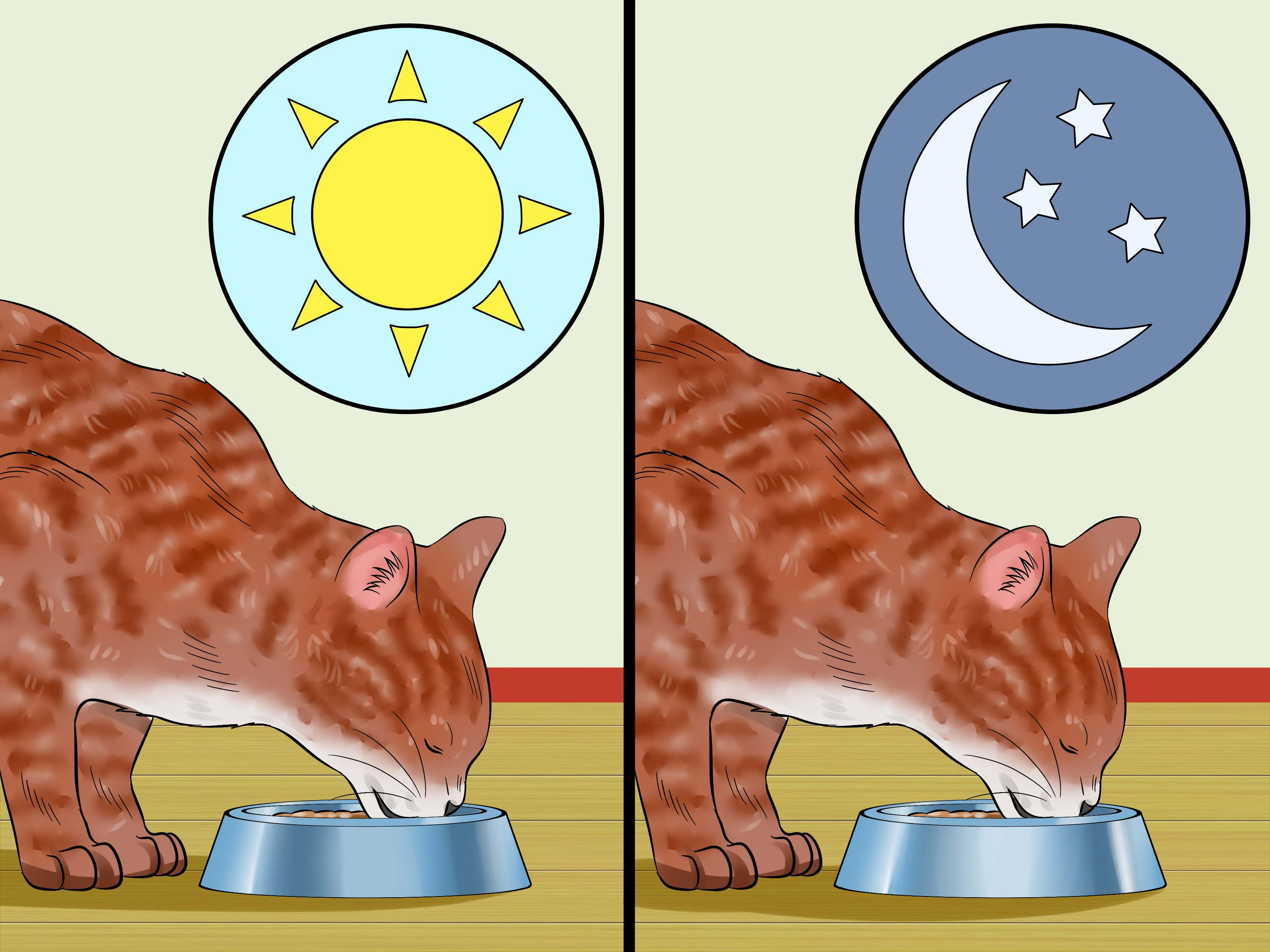
Feed Your Cat Before You Eat
A hungry cat is more likely to investigate the table. Try feeding your cat right before your meal. A satisfied cat may still be curious, but they are less likely to act like your roasted chicken is a matter of survival.
Use Puzzle Feeders
Puzzle feeders and food-dispensing toys give cats a job. They encourage natural hunting and problem-solving behaviors while keeping your cat busy during human dinner. Start with an easy puzzle so your cat does not get frustrated, then gradually increase difficulty.
Schedule a Play Session
Before dinner, spend five to ten minutes playing with a wand toy or tossing a favorite toy. Let your cat chase, pounce, and “catch” the toy. Then offer a small meal or treat. This play-eat-rest pattern matches natural feline behavior and can reduce attention-seeking at the table.
Be Consistent With the Rules
Consistency is where many table-training plans fall apart. If your cat is allowed on the table sometimes but not other times, they may keep trying because the rule feels negotiable. Cats are very good lawyers when snacks are involved.
Everyone in the Household Must Follow the Same Plan
If one person removes the cat from the table while another person sneaks them turkey, the cat will believe the table is still open for business. Make sure everyone understands the rule: no feeding from the table, no rewarding table-jumping, and reward the approved spot instead.
Redirect Calmly
If your cat jumps on the table, calmly pick them up or guide them down if it is safe to do so. Then redirect them to their approved spot and reward them once they are there. Keep your reaction boring. No drama, no lecture, no courtroom speech. The table should become uninteresting.
Block Access When You Cannot Supervise
If your cat jumps on the table when no one is around, close the dining room door if possible, use a pet gate where practical, or keep deterrent placemats on the table. Prevention is especially helpful while the new habit is forming.
Protect Food Safety Without Stressing Your Cat
Keeping cats off the dinner table is not only about manners. It is also about hygiene and safety. Cats walk in litter boxes, shed fur, and may knock over hot dishes, sharp utensils, or breakable items. At the same time, some human foods are unsafe for cats, including onions, garlic, chocolate, alcohol, grapes, raisins, and anything with toxic ingredients.
Keep risky foods out of reach, clear plates quickly, and never leave hot pans or sharp serving tools unattended. If your cat is unusually obsessed with food, suddenly hungrier than normal, losing weight, vomiting, or acting differently, talk with a veterinarian. Sometimes behavior changes have medical causes.
Common Mistakes That Make Table-Jumping Worse
Even loving cat owners can accidentally encourage the exact behavior they want to stop. Avoid these common mistakes:
Giving Attention at the Wrong Time
If your cat jumps up and instantly gets picked up, talked to, laughed at, or chased, they may enjoy the reaction. Instead, make table visits boring and reward the approved alternative.
Leaving “Test Snacks” Out
A plate of unattended food is not a training opportunity; it is a jackpot. During the training phase, remove temptation completely. Your cat cannot practice better behavior if the table keeps handing out prizes.
Using Fear-Based Tools
Loud noises, scary devices, or harsh punishment may stop the behavior temporarily, but they can create stress and make your cat afraid of you or the dining area. Gentle prevention works better for long-term trust.
A Simple 7-Day Plan to Keep Cats Off the Dinner Table
Day 1: Clean and Reset
Remove all food, crumbs, and interesting objects from the table. Wipe it down after every meal. Decide on the approved cat spot.
Day 2: Add an Alternative Perch
Set up a cat tree, window perch, stool, or cozy mat. Make it appealing with a blanket, toy, or treat.
Day 3: Start “Go to Your Spot” Training
Practice short sessions with treats. Reward your cat for choosing the approved spot.
Day 4: Feed Before Dinner
Give your cat a meal or puzzle feeder before your family eats. A busy cat is a less table-focused cat.
Day 5: Add Gentle Deterrents
When the table is not in use, place sticky placemats or another safe texture deterrent on the surface.
Day 6: Involve the Household
Make sure everyone follows the same rules. No feeding from the table, no laughing chase games, no exceptions.
Day 7: Review and Adjust
If your cat still jumps up, ask why. Is the approved perch too far away? Is the cat hungry? Are crumbs being left behind? Adjust the environment instead of blaming the cat.
Real-Life Experience: What Actually Works in a Busy Home
In many homes, the dinner table becomes a cat magnet not because the cat is “bad,” but because the family routine accidentally turns the table into the most exciting place in the house. Imagine a typical evening: someone is chopping chicken in the kitchen, kids are setting plates down, a chair is pulled out like a staircase, and the cat suddenly appears on the table with the confidence of a restaurant critic. The first reaction is usually a chorus of “Get down!” followed by laughter, movement, and maybe a hand reaching for the cat. From the cat’s point of view, this is fantastic. Food smells, attention, and a lively audience? Five stars.
The most successful households usually change the routine before they try to change the cat. One practical experience is to create a “cat station” near the dining room before dinner begins. This might be a cat tree by the window, a soft mat beside a bookshelf, or even a sturdy chair that is officially allowed. The family keeps a small container of cat treats nearby, and before food reaches the table, someone gives the cat a quick play session with a wand toy. After a few minutes of chasing and pouncing, the cat gets a treat on the approved spot. This gives the cat a job and a destination.
Another helpful experience is learning how much timing matters. If the cat jumps on the table and then gets carried to the cat tree with a treat, the cat may think jumping on the table is step one of earning a snack. A better approach is to reward the cat before they jump, while they are already on the correct spot. During the first week, this may mean watching closely and rewarding often. Yes, it can feel like you are working as your cat’s personal dining-room assistant, but the habit builds quickly when the reward is clear.
Families also discover that cleaning is part of training. One tiny smear of butter or a forgotten piece of fish can undo several days of progress because it reminds the cat that table treasure exists. Wiping the table, pushing in chairs, and removing serving dishes immediately can make a huge difference. It may not sound glamorous, but neither is finding paw prints next to your dinner rolls.
In multi-cat homes, the solution may need more than one perch. One cat may love the window, while another prefers being closer to people. If only one “legal” spot exists, the more confident cat may claim it, leaving the other cat to choose the table. Adding multiple approved resting areas reduces competition and makes the plan fair.
Perhaps the biggest lesson from real-life experience is that calm consistency beats big reactions. Cats do not need a dramatic speech about table manners. They need the same message every day: the table is boring, the approved spot is rewarding, and dinner time does not include feline plate inspection. With time, many cats stop seeing the table as a challenge and start choosing their own perch instead. It is not magic. It is just smart prevention, repeated until it becomes normal.
Conclusion
Keeping cats off the dinner table works best when you combine prevention, enrichment, and positive reinforcement. Clear away food, clean the table, stop feeding from the table, and give your cat a better place to climb, watch, and relax. Add short training sessions, puzzle feeders, and gentle deterrents when needed. Most importantly, stay consistent. Your cat is not trying to ruin dinner; they are following instincts, chasing smells, and testing what works.
When the table stops offering rewards and the approved cat spot becomes more valuable, your cat can learn a new routine. Dinner becomes calmer, the table stays cleaner, and your cat still gets what they truly wanted all along: safety, stimulation, and a good view of the humans doing mysterious human things with forks.