A loose steering wheel can make even a familiar commute feel like you are guiding a shopping cart through a parking lot during a windstorm. You turn the wheel, wait a beat, and only then does the vehicle seem to get the memo. That delayed, vague, wandering feeling is not a personality trait your car developed overnight. It can point to wear in the steering, suspension, tire, or alignment systemand it deserves attention before a small repair turns into a much larger “well, that escalated quickly” bill.
Not every strange steering sensation means the same thing. A wheel that shakes at highway speed is different from a wheel with excessive free play. A car that drifts right may have an alignment issue, while a steering wheel that turns easily but feels disconnected may have worn linkage or a tired steering gear. The important part is recognizing the difference, responding safely, and getting the right inspection instead of playing automotive roulette.
When a Loose Steering Wheel Is a Stop-Driving Warning
Some steering problems can wait until your next service appointment. Others should move directly to the “park it and arrange a tow” category. Steering is not like a squeaky cup holder. It is one of the systems that decides whether your vehicle goes where you point it.
Stop driving and seek professional help immediately if you notice any of the following:
- The steering wheel has a large amount of movement before the front wheels react.
- The vehicle suddenly wanders, darts, or feels difficult to keep in its lane.
- You hear loud clunking, knocking, grinding, or popping while turning.
- The steering becomes loose in one direction but tight, sticky, or jerky in another.
- The steering wheel is visibly loose on the column, moves up and down, or feels detached.
- A front wheel appears tilted, wobbly, or unusually angled after hitting a pothole or curb.
- You experience violent front-end shaking, especially in a truck or SUV.
If the vehicle can no longer track straight, responds late to steering input, or seems unstable during turns, do not try to “drive carefully” and hope for the best. Careful driving cannot repair a worn tie rod, damaged ball joint, failing rack, or loose steering-shaft connection. It simply gives the problem more road to become dramatic.
Is the Steering Wheel Truly Loose, or Does It Just Feel Weird?
Excessive Free Play
True steering-wheel free play means you can move the wheel left and right a noticeable amount before the tires begin to respond. The vehicle may feel vague, slow to react, or unsettled while driving straight. This often points toward steering linkage wear, internal steering gear wear, loose mounting hardware, or a problem in the steering column or intermediate shaft.
Steering Wheel Vibration
A steering wheel that shakes or buzzesespecially around certain highway speedsmay feel loose, but vibration often begins with tire balance, damaged tires, bent wheels, wheel bearings, brakes, or worn suspension components. The steering itself may still respond immediately; it is simply being asked to host an unwanted percussion concert.
Pulling or Drifting
If your car pulls to one side, has an off-center steering wheel while driving straight, or chews through tire tread unevenly, alignment is a likely suspect. However, alignment may be the symptom rather than the root cause. Worn tie rods, ball joints, control-arm bushings, bent suspension parts, and pothole damage can all make it impossible for alignment settings to stay where they belong.
Light, Heavy, or Inconsistent Steering
Hydraulic power steering systems can feel unusually heavy or inconsistent when fluid is low, contaminated, leaking, or when a pump or drive belt has a problem. Electric power steering systems do not use fluid, but they can develop issues involving motors, sensors, wiring, steering-angle calibration, or electronic control modules. These conditions usually affect steering effort more than free play, although several faults can overlap.
How Steering Motion Reaches the Tires
When you turn the steering wheel, the movement travels through the steering column and shaft to a steering rack, steering gearbox, or other steering gear. That system pushes or pulls linkage components, such as tie rods, which pivot the front wheels. Suspension components, including ball joints, control arms, bushings, bearings, springs, and struts, keep those wheels pointed in the intended direction while allowing them to move over bumps.
That is a lot of parts working together every time you take a gentle curve into a grocery-store parking lot. Any worn connection in that chain can add slack. One tired component may create a mild vague feeling; several worn parts can make the vehicle feel like it is negotiating with the road instead of following your instructions.
Potential Reasons for a Loose Steering Wheel
1. Worn Inner or Outer Tie Rod Ends
Tie rods connect the steering gear to the steering knuckles at the wheels. They are essential for turning the tires and maintaining proper toe alignment. When an inner or outer tie rod wears, its ball-and-socket joint can develop play. That play may show up as delayed steering response, wandering, vibration, clunking over bumps, uneven tire wear, or a steering wheel that feels loose.
Typical solution: Replace the worn tie rod end or inner tie rod, inspect related steering components, and perform a wheel alignment afterward. Replacing a tie rod without checking alignment is like hanging a picture with one nail and declaring interior design complete.
2. Worn Ball Joints
Ball joints connect suspension components to the steering knuckle and allow the wheel to move up and down while also turning. When they wear, the wheel can shift more than it should. Drivers may notice clunking, rattling, poor steering precision, drifting, vibration, or uneven tire wear.
Typical solution: Replace the failed ball joint or the larger control-arm assembly if the ball joint is not serviced separately. A professional should inspect both sides of the front suspension, because age, mileage, potholes, and road salt rarely send wear notices to only one component.
3. A Worn Steering Rack or Steering Gearbox
Most modern cars use rack-and-pinion steering, while many older vehicles and some trucks use a steering gearbox. Internal wear in the rack, gearbox, or associated bushings can create excessive free play. You may feel a delayed response, a tendency to wander, inconsistent steering effort, leaks on hydraulic systems, or a knock when changing direction.
Typical solution: A technician should inspect the gear, mounting points, inner tie rods, boots, fluid condition where applicable, and steering-shaft connections before recommending replacement. A steering rack can be expensive, so a proper diagnosis matters. No one wants to replace the orchestra when the problem was one loose violin string.
4. Loose Steering Column, Intermediate Shaft, or Coupler
If the steering wheel itself moves excessively, clicks, clunks beneath the dashboard, or feels loose before motion reaches the steering gear, the issue may be in the steering column, intermediate shaft, universal joint, coupler, or mounting hardware. Some vehicles develop play in these components as bushings wear, joints corrode, or fasteners loosen.
Typical solution: Have a qualified technician inspect the steering column and shaft assembly. Because airbag wiring, clocksprings, steering-wheel controls, and safety-critical fasteners may be involved, this is not an ideal experiment for a first-time DIY repair.
5. Failing Control-Arm Bushings or Suspension Bushings
Bushing material absorbs vibration while limiting unwanted movement between suspension parts. Rubber bushings can crack, soften, split, or deform over time. When that happens, the wheels may shift during braking, acceleration, cornering, or bumps. The result can be vague steering, noises, poor alignment, and a feeling that the vehicle needs frequent correction on the highway.
Typical solution: Replace worn bushings or the complete control arm, depending on vehicle design. The repair should be followed by an alignment check, especially if the steering wheel was off-center or the tires show unusual wear.
6. Wheel Bearing Wear or Hub Problems
A worn wheel bearing may cause humming, growling, vibration, looseness, or instability. In advanced cases, excess movement at the wheel hub can affect steering precision and braking feel. You may notice the sound changes while turning or becomes louder with speed.
Typical solution: Inspect the wheel bearing and hub assembly promptly. Wheel-bearing repairs are not the place for wishful thinking; continued driving can damage related components and may create a serious safety issue.
7. Poor Wheel Alignment
Incorrect alignment does not always create actual free play, but it can make the steering feel sloppy, nervous, or reluctant to stay centered. Common clues include pulling, drifting, an off-center steering wheel, rapid tread wear, and a vehicle that feels less stable than usual.
Typical solution: Schedule an alignment only after the shop confirms there are no worn or damaged steering and suspension parts. An alignment adjusts angles; it cannot magically tighten a worn tie rod, straighten a bent control arm, or convince a cracked bushing to become youthful again.
8. Tire, Wheel, or Tire-Balance Issues
Unbalanced tires, uneven tire wear, damaged belts, bent wheels, incorrect tire pressures, or mismatched tires can cause vibration and instability that drivers sometimes describe as “loose steering.” A vibration that becomes obvious around 45 to 70 mph often points toward tire-and-wheel balance, though suspension and steering wear can create similar symptoms.
Typical solution: Check tire pressures when the tires are cold, inspect the tread and sidewalls for visible damage, and have the wheels balanced and inspected. A technician may also check for bent rims, separated tire belts, flat spots, or irregular tread patterns.
9. Hydraulic Power Steering Issues
Older hydraulic systems rely on a power-steering pump, drive belt, hoses, seals, and fluid. Low fluid, leaks, contaminated fluid, a slipping belt, or pump trouble can make steering noisy, heavy, or inconsistent. While these issues commonly affect steering effort rather than causing pure free play, a hydraulic system problem can make an existing steering fault feel worse.
Typical solution: Follow the manufacturer’s service guidance for fluid type and level. A technician should locate and repair leaks rather than simply topping off fluid repeatedly. Fluid is not supposed to vanish like socks in a dryer.
10. Loose Fasteners, Accident Damage, or a Safety Recall
A hard pothole hit, curb strike, collision, recent repair, or improperly tightened fastener can create steering trouble. In rare cases, a vehicle may have a manufacturer recall or service campaign involving steering hardware, steering columns, racks, or related components.
Typical solution: Ask a dealership to check open recalls using the vehicle identification number. If the steering concern began after recent suspension, tire, brake, or collision work, return to the repair facility promptly and describe exactly when the symptom appeared.
Loose Steering Wheel Symptoms: A Quick Clue Guide
| What You Notice | Possible Starting Points | Best Next Step |
|---|---|---|
| Wheel turns before tires react | Tie rods, steering rack, gearbox, column shaft, coupler | Prompt steering-system inspection |
| Clunking over bumps or while turning | Ball joints, tie rods, bushings, strut mounts, steering linkage | Suspension and steering inspection |
| Shaking at highway speeds | Tire balance, bent rim, tire damage, wheel bearing, worn linkage | Tire-and-wheel inspection plus front-end check |
| Vehicle pulls or steering wheel sits crooked | Alignment, tire pressure, bent parts, worn suspension | Inspect worn parts before alignment |
| Heavy, whining, or inconsistent steering | Power-steering fluid, pump, belt, rack, electric steering system | Check the steering-assist system |
| Wheel will not self-center normally | Alignment geometry, binding joints, worn linkage, damaged suspension | Professional diagnostic inspection |
What a Proper Loose-Steering Diagnosis Should Include
A good shop should not jump straight from “the steering feels odd” to “you need a steering rack.” A thorough inspection usually begins with a road test, followed by checking tire condition, tire pressure, tread wear, wheel balance concerns, alignment readings, steering linkage, ball joints, control arms, bushings, wheel bearings, steering gear mounts, and steering-column connections.
For hydraulic systems, the technician may inspect fluid condition, leaks, hoses, pump operation, and belts. For electric power steering, diagnostic trouble codes, electrical connections, steering-angle sensors, and calibration may be part of the process. The goal is to identify where motion is being lost or where the front end is being allowed to shift.
Ask the shop to show you the worn component when practical. A reputable technician can often demonstrate excessive play while the vehicle is safely raised on a lift. You do not need to become a suspension engineer overnight, but you should understand what is worn, why it matters, and whether alignment is included after the repair.
What You Can Safely Check Before Visiting a Shop
- Look for obvious tire damage, bulges, cracks, punctures, or severely uneven tread wear.
- Check tire pressure against the vehicle’s door-jamb placard, not the maximum pressure printed on the tire sidewall.
- Notice whether the symptom occurs only at certain speeds, while braking, during turns, over bumps, or all the time.
- Write down recent events: pothole impact, curb strike, tire replacement, alignment, suspension repair, collision, or unusual weather exposure.
- Check for power-steering fluid leaks only if your vehicle has a hydraulic steering system and the owner’s manual identifies a safe way to inspect the reservoir.
- Check whether any warning lights appear, particularly steering-system, traction-control, or tire-pressure alerts.
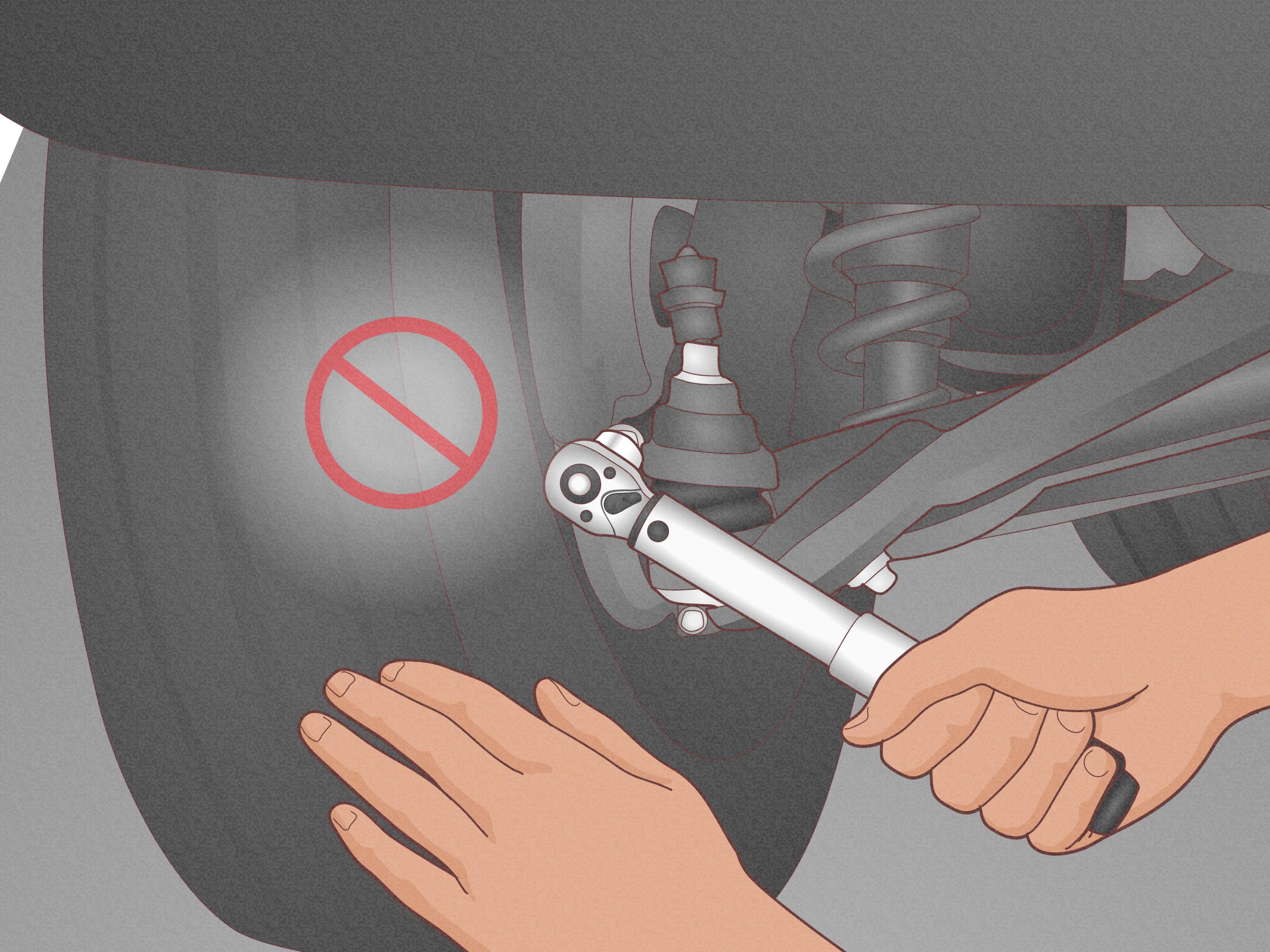
Avoid crawling under a vehicle supported only by a jack, loosening steering fasteners without specifications, or attempting to diagnose severe wheel play in your driveway. Steering and suspension parts hold the vehicle’s direction, weight, and stability. This is not the system to repair with a motivational speech and a socket set borrowed from a neighbor.
How to Prevent Loose Steering Problems
Not every steering problem is preventable, but you can reduce your chances of surprise front-end drama. Keep tires inflated to the recommended pressure, rotate them according to the manufacturer’s schedule, inspect tread wear regularly, and address unusual vibrations before they become normal background noise.
Slow down for potholes, railroad crossings, deep driveway entrances, and curb edges. Avoid hitting potholes while braking hard whenever possible, because the compressed suspension can take a sharper impact. After a serious pothole strike, inspect the tires and wheels and pay attention to changes in steering feel.
Follow the maintenance schedule in your owner’s manual, especially for steering fluid on vehicles that use hydraulic systems. If you drive an older truck, SUV, or vehicle with grease fittings, make sure routine service includes inspection and lubrication of serviceable front-end components. Most importantly, do not ignore a new clunk, pull, vibration, or wandering sensation. Cars rarely wake up one morning and decide to become mysterious for fun.
Real-World Loose Steering Experiences: What Drivers Often Notice First
The “I Keep Correcting It” Highway Experience
One of the most common experiences starts quietly. A driver notices that the car no longer holds a straight line as confidently as it used to. Nothing feels catastrophic at first. The vehicle simply needs tiny left-right corrections on a familiar highway, especially on grooved pavement or in crosswinds. The driver may initially blame the road, the weather, or a strong coffee. But when the same feeling happens on several roads, it becomes clear that the steering is less precise than before.
In many cases, a worn tie rod, tired bushing, alignment problem, or steering-gear wear is behind that wandering sensation. The lesson is that steering trouble does not always begin with fireworks. Sometimes it begins with a car that no longer feels settled, followed by a gradual increase in corrections, tire wear, and driver fatigue.
The “It Only Shakes at 60 mph” Experience
Another familiar scenario is the steering wheel that behaves perfectly around town but starts buzzing at highway speed. The driver may grip the wheel tighter, reduce speed slightly, and notice that the vibration fades. That pattern often points toward tire balance, wheel damage, or a tire issue. However, worn tie rods, ball joints, or wheel bearings can allow the vibration to feel worse through the steering wheel.
Drivers often learn an important diagnostic clue here: vibration at one speed range is not the same as free play. A steering wheel can shake without being mechanically loose. The correct repair may be a tire balance, bent-wheel inspection, tire replacement, or front-end repairnot automatically a steering rack.
The “It Started After One Giant Pothole” Experience
Then there is the pothole story. Nearly everyone has one. The road looks normal, the coffee is balanced in the cup holder, and suddenly the front wheel meets a crater that appears to have its own ZIP code. Afterward, the car may pull, the steering wheel may sit crooked, the tire may vibrate, or a clunk may appear over bumps.
A pothole can bend a wheel, damage a tire, shift alignment angles, stress a strut, bend a tie rod, or accelerate wear in components that were already having a rough week. The smartest response is not to wait for the next oil change. Check the tire and wheel, pay attention to steering behavior, and arrange an inspection if anything feels different.
The “I Got an Alignment, but the Problem Came Back” Experience
Some drivers report that a fresh alignment made the vehicle feel better for a few days or weeks, only for the pull, wander, or crooked steering wheel to return. This is often a clue that something worn or bent is allowing the alignment angles to move again. Alignment is a measurement and adjustment service; it cannot hold unstable parts in place forever.
A better outcome comes from repairing worn tie rods, ball joints, bushings, control arms, or damaged suspension parts first, then aligning the vehicle afterward. It can feel frustrating to hear that additional work is needed, but it is usually cheaper than repeatedly paying for alignments while tires wear out like they are trying to escape the vehicle.
The “I Thought It Was Just a Noise” Experience
Loose steering problems often arrive with sound effects. A faint tap during parking-lot turns becomes a clunk over speed bumps. A brief rattle becomes a knock when braking. Drivers sometimes turn up the radio and hope the vehicle gets over it. Unfortunately, steering and suspension noises rarely improve because they have been ignored.
The practical takeaway is simple: record when the sound happens, whether it occurs while turning, braking, accelerating, or driving over bumps, and tell the shop exactly that. Specific descriptions can help a technician separate tire issues from brake concerns, steering linkage wear, suspension movement, and wheel-bearing problems.
Conclusion: Do Not Let Loose Steering Become a Bigger Problem
A loose steering wheel is more than an annoyance. It can be an early warning that a tie rod, ball joint, steering rack, steering shaft, wheel bearing, bushing, tire, wheel, or alignment setting needs attention. The best response is to notice the pattern, avoid risky driving, and schedule a proper inspection before the vehicle becomes harder to control.
If the steering has excessive play, the car wanders unpredictably, a wheel shakes violently, or loud clunks accompany turns, do not delay. Safe steering should feel direct, stable, and predictablenot like you are sending suggestions to the tires through a polite but unreliable middleman.
Note: This article is for general educational purposes and does not replace an in-person vehicle inspection. Steering, suspension, tire, and wheel concerns can affect vehicle control. If your steering feels suddenly loose, unstable, or unsafe, stop driving and seek qualified service.