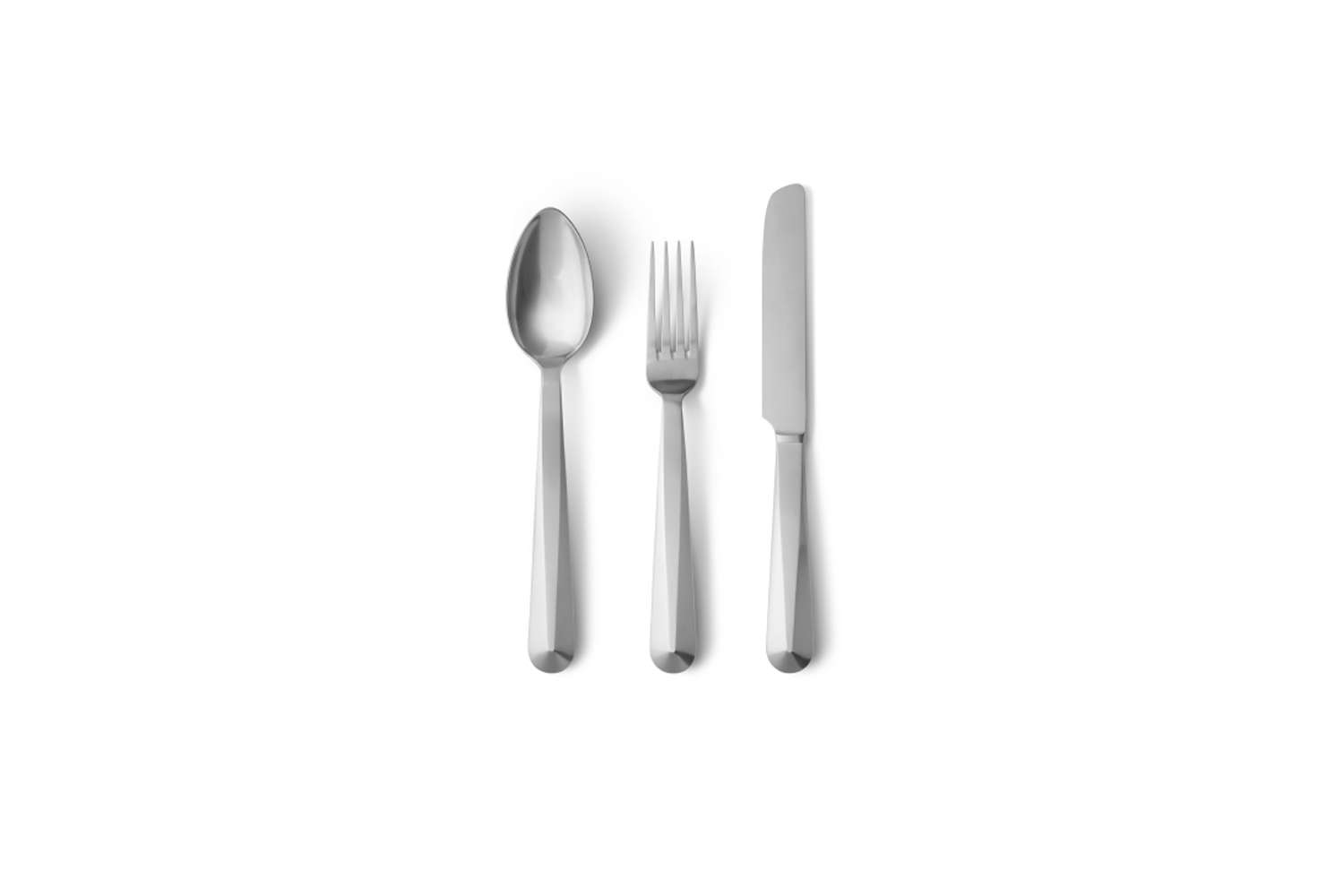
Some flatware behaves politely. It sits beside the plate, says nothing, and waits to ferry mashed potatoes from point A to point mouth. Then there is Thomas Feichtner Studio No. 192 Flatware, a solid-silver cutlery design that appears to have arrived at dinner wearing a tailored black suit, architectural glasses, and a very calm opinion about everything on the table.
Designed in 2014 by Austrian product designer Thomas Feichtner for the historic Viennese silversmith Jarosinski & Vaugoin, Studio No. 192 is not just another luxury flatware set. It is a conversation between handcraft and geometry, tradition and experiment, table manners and sculptural attitude. In plain English: it is the kind of fork that makes you suddenly care about forks.
For homeowners, collectors, interior designers, and tabletop obsessives, this flatware represents something rare: a contemporary design that does not run away from heritage. Instead, it walks right into the workshop, shakes hands with 19th-century silver-making knowledge, and says, “Let’s make dinner slightly more interesting.”
What Is Thomas Feichtner Studio No. 192 Flatware?
Thomas Feichtner Studio No. 192 Flatware is a modern flatware and cutlery design made from solid silver. The set was created for Jarosinski & Vaugoin, a Vienna-based silver manufactory with roots reaching back to 1847. The “No. 192” name is not random branding. Jarosinski & Vaugoin traditionally numbered its cutlery patterns consecutively, and this design marked a continuation of that long catalog of handmade silver patterns.
That detail matters because it tells us exactly what this flatware is trying to do. It is not pretending to be a mass-market spoon with a fancy price tag. It belongs to a lineage of silver tableware, but it brings a new formal language to the table: clean surfaces, softened radiuses, intersecting planes, and a quiet sculptural drama that rewards close looking.
In a world where many flatware sets are described as “minimalist” simply because nobody bothered to decorate them, No. 192 feels more intentional. It is reduced, yes, but not lazy. It has edge, curve, balance, and a distinctive silhouette. It is minimalism with a pulse.
The Designer Behind the Flatware: Thomas Feichtner
Thomas Feichtner is known for product design that often sits between industrial production and craft-based manufacturing. His work has included furniture, glass, lighting, table objects, and silver pieces, with a design approach that favors experimentation over trend chasing. He is the sort of designer who seems less interested in making objects behave normally and more interested in asking why “normal” became the rule in the first place.
That attitude is visible in Studio No. 192. The fork, knife, and spoon are familiar enough to be useful, but unfamiliar enough to make the user pause. The pieces do not scream for attention; they tilt the usual proportions and surface relationships just enough to create curiosity. The result is refined, slightly daring, and very much at home in contemporary dining rooms, boutique hospitality settings, and design collections.
Why No. 192 Looks Different From Ordinary Flatware
The most memorable feature of Thomas Feichtner Studio No. 192 Flatware is its geometry. Instead of relying on ornament, engraved flourishes, or antique-style curves, the design uses surfaces and transitions. The pieces feel architectural. Handles are not merely handles; they are planes that move into bowls, tines, and blades with deliberate control.
Clear Surfaces
The flatware’s clean faces give silver room to do what silver does best: catch light. On a white tablecloth, the pieces can look precise and almost formal. On a rustic wooden table, they create contrast. Next to handmade ceramics, they become the sleek counterpoint that keeps the setting from becoming too farmhouse-costume-party.
Soft Radiuses
Although the set has a geometric personality, it is not harsh. Rounded transitions help the utensils feel usable rather than purely conceptual. This is important because flatware has a job. A spoon can be as artistic as a museum sculpture, but if it fails at soup, we have a problem. No. 192 keeps one foot in art and the other firmly planted in dinner.
Intersecting Planes
The design is often described through the idea of intersecting phases or surfaces. That visual move gives the pieces their individual character. Look closely and the flatware appears to shift between flatness and volume, between hand tool and small sculpture. It is the tabletop equivalent of a well-cut jacket: simple from across the room, surprisingly complex up close.
Solid Silver: Luxury With Responsibilities
Studio No. 192 is made of solid silver, which immediately places it in a different category from everyday stainless steel flatware. Stainless steel is practical, dishwasher-friendly, and perfectly suitable for Tuesday-night pasta. Solid silver is more ceremonial, more tactile, and more emotionally loaded. It asks for care, but it gives back warmth, patina, and a sense of occasion.
Silver has a softness and glow that stainless steel rarely matches. It does not merely shine; it responds. Over time, silver develops a surface character shaped by use, cleaning, storage, and handling. That patina can be part of the appeal. Think of it as the object keeping a diary, only with fewer embarrassing teenage entries.
Because No. 192 is a precious-material design, buyers should treat it as both functional tableware and collectible design. It is not the set you toss into a drawer with pizza coupons, loose batteries, and the mysterious key nobody can identify. It deserves proper storage, careful washing, and a place in meals where design is part of the experience.
Jarosinski & Vaugoin: The Workshop Context
Jarosinski & Vaugoin is one of Vienna’s historic silver workshops, known for handmade silver tableware, flatware, bowls, gifts, jewelry, and decorative objects. Its reputation is built on traditional silversmithing methods and a broad archive of patterns that spans historic and modern styles.
This background explains why Thomas Feichtner’s design feels so grounded. No. 192 was not simply sketched in isolation and sent off to become a shiny object. The concept was tied to the making process itself. Feichtner’s idea was to engage with the production methods of the manufactory and develop something new from within that tradition.
That is the key difference between design that merely “looks modern” and design that actually contributes to a craft lineage. No. 192 does not erase the workshop’s history. It sharpens it, polishes it, and sets it beside the plate.
How It Fits Into Modern Table Design
Thomas Feichtner Studio No. 192 Flatware works best in table settings that allow it to breathe. Because the design is visually strong, it does not need much competition. Pair it with matte porcelain, stoneware, linen napkins, clear glassware, or restrained floral arrangements. Let the flatware act as the jewelry of the table.
For a formal dinner, No. 192 can make the setting feel collected rather than stiff. For a modern apartment, it adds heritage without making the room feel like someone inherited a castle and all its obligations. For boutique restaurants or private dining rooms, it signals that every detail has been considered, right down to the spoon that will eventually meet the panna cotta.
Best Pairings
White porcelain emphasizes the silver’s clean geometry. Black ceramics create drama. Warm wood tones soften the design. Natural linen keeps the mood relaxed. Crystal or hand-blown glass can add sparkle without overwhelming the flatware’s sculptural clarity.
What to Avoid
Avoid crowding the table with too many loud decorative elements. Highly patterned plates, glittery chargers, and aggressive centerpiece arrangements can make the setting feel visually noisy. No. 192 is already speaking. There is no need to invite a brass marching band to dinner.
Is It Practical for Everyday Use?
That depends on your version of “everyday.” If everyday means breakfast in a hurry, kids arguing over cereal, and someone using a spoon to open a package, then no, Studio No. 192 is probably not your daily workhorse. If everyday means mindful meals, careful ownership, and the pleasure of using beautiful objects regularly, then it can absolutely be used beyond special occasions.
In fact, silver often benefits from use. Regular handling and proper washing can help maintain its surface and reduce the sense that the set is too precious to enjoy. Luxury tableware becomes more meaningful when it participates in life. A fork locked away forever is just a very expensive secret.
The practical question is not whether No. 192 can be used. It can. The question is whether the owner is willing to care for it properly. Solid silver flatware should generally be washed by hand in warm, mild soapy water, rinsed well, and dried immediately with a soft cloth. Harsh chemicals, abrasive scrubbers, and careless storage are not friends of fine silver.
Care Tips for Thomas Feichtner Studio No. 192 Flatware
Fine silver flatware does not require panic, but it does require habits. Treat it well and it will reward you with decades of beauty. Treat it like a camping spork and, well, the design gods may have questions.
Wash by Hand
Use warm water, mild dish soap, and a soft sponge or cloth. Wash soon after meals, especially if the flatware has touched acidic foods, eggs, salt, or sauces. Rinse thoroughly and dry immediately. Water spots are small, but they are dramatic little things.
Polish Carefully
Use a quality silver cloth or a gentle, non-abrasive polish when tarnish appears. Avoid over-polishing. A little patina can add depth, while aggressive polishing can gradually wear down details and soften the intended surface character.
Store Properly
Store silver in a dry place, ideally in a dedicated flatware roll, lined chest, or anti-tarnish cloth. Keep pieces from rubbing against each other. Fine flatware should not sound like a drawer full of wind chimes every time you reach for a teaspoon.
Who Should Consider Buying No. 192?
Thomas Feichtner Studio No. 192 Flatware is best for buyers who care about design authorship, material quality, and craft history. It is not a bargain-bin upgrade. It is a collector-level tabletop object with functional value.
Interior designers may appreciate it for high-end residential projects where every object supports the visual story. Collectors may value the connection between Feichtner’s contemporary design language and Jarosinski & Vaugoin’s silversmithing tradition. Hosts may love it because it turns dinner into an occasion before the appetizer even arrives.
It is also a strong choice for people who prefer modern luxury over ornate luxury. If you admire clean lines, architectural objects, gallery-like interiors, and table settings that feel curated without being cold, No. 192 will probably make your design radar beep loudly.
How No. 192 Compares With Common Flatware
Most everyday flatware is made from stainless steel, often because stainless steel is durable, affordable, and easy to maintain. Good stainless sets can be beautifully balanced and long-lasting. But No. 192 is playing a different game. It is not trying to compete with a 20-piece dishwasher-safe set from a kitchen store. It is closer to functional art.
Compared with traditional sterling or silver flatware, No. 192 feels more contemporary and sculptural. It does not lean on floral motifs, shell patterns, or historical ornament. Compared with ultra-minimal modern flatware, it has more personality. The design has enough restraint for a formal table, but enough geometry to avoid looking anonymous.
That balance is the magic trick. It is refined without being bland, unusual without being ridiculous, and luxurious without shouting across the room, “Please notice how expensive I am.”
Experience Notes: Living With the Idea of Thomas Feichtner Studio No. 192 Flatware
Imagine setting a table with Thomas Feichtner Studio No. 192 Flatware for the first time. The plates are simple, the napkins are linen, the glasses are clear, and the room is quiet except for the small clink of silver meeting ceramic. Immediately, the table feels more composed. Not fussy. Not old-fashioned. Just more deliberate.
The first experience is visual. You notice the lines before you pick up a piece. The fork does not look like the anonymous fork you used at lunch. The spoon has a surface quality that makes light slide across it. The knife feels like it belongs to the same family, but with its own slightly more serious personality. If the fork is the witty guest, the knife is the one who read the entire wine list and has thoughts.
Then comes the tactile experience. Fine flatware changes the rhythm of eating. A well-considered utensil has weight, balance, and presence. You do not just grab it; you register it. That tiny pause can make a meal feel slower and more intentional. Suddenly, even a simple salad feels like it has been promoted.
In a home setting, No. 192 would be especially powerful for intimate dinners rather than huge chaotic parties. Four to six guests, a focused menu, and a calm table would let the design shine. It would pair beautifully with roast chicken, handmade pasta, oysters, citrus salad, or any dish where the plating is clean. It might be overkill for nachos, although honestly, luxury nachos deserve representation too.
The care ritual is part of the ownership experience. After dinner, you would not fling these pieces into the sink and hope for the best. You would wash them, dry them, and place them back carefully. That may sound inconvenient, but it also creates a small ceremony around the meal. In a culture obsessed with speed, there is something almost rebellious about owning objects that ask you to slow down.
For collectors, the appeal goes beyond dinner. Studio No. 192 has the qualities that make design objects memorable: a named designer, a respected maker, a clear production context, a distinctive visual language, and a material with lasting value. It is the kind of object that can sit in a drawer, appear at the table, and still belong in a design conversation.
For everyday design lovers, the lesson is broader. Even if No. 192 is not the flatware you buy tomorrow, it reminds us that utensils are not invisible. We use forks, knives, and spoons constantly, yet we rarely think about them until one bends, rusts, or feels awkward. Feichtner’s flatware makes the ordinary visible again. It says that the small objects around us deserve thought, and maybe even a little drama.
The best experience with this flatware would not be showing it off. It would be using it naturally, letting guests discover it for themselves. Someone would eventually pause, look down, and ask, “Wait, what is this flatware?” That is the moment No. 192 earns its place. It turns a common object into a quiet surprise.
Conclusion
Thomas Feichtner Studio No. 192 Flatware is a rare example of modern silver cutlery that respects tradition without becoming trapped by it. Designed for Jarosinski & Vaugoin, it connects contemporary geometry with handcraft, solid silver with daily function, and tabletop utility with collectible design.
Its appeal lies in restraint, proportion, and material honesty. No. 192 is not decorated to impress; it is shaped to endure attention. For anyone interested in luxury flatware, contemporary tableware, Austrian design, or the future of handmade silver, this set deserves a close look. It proves that even the humble spoon can have architectural ambition. And frankly, dinner could use more of that.