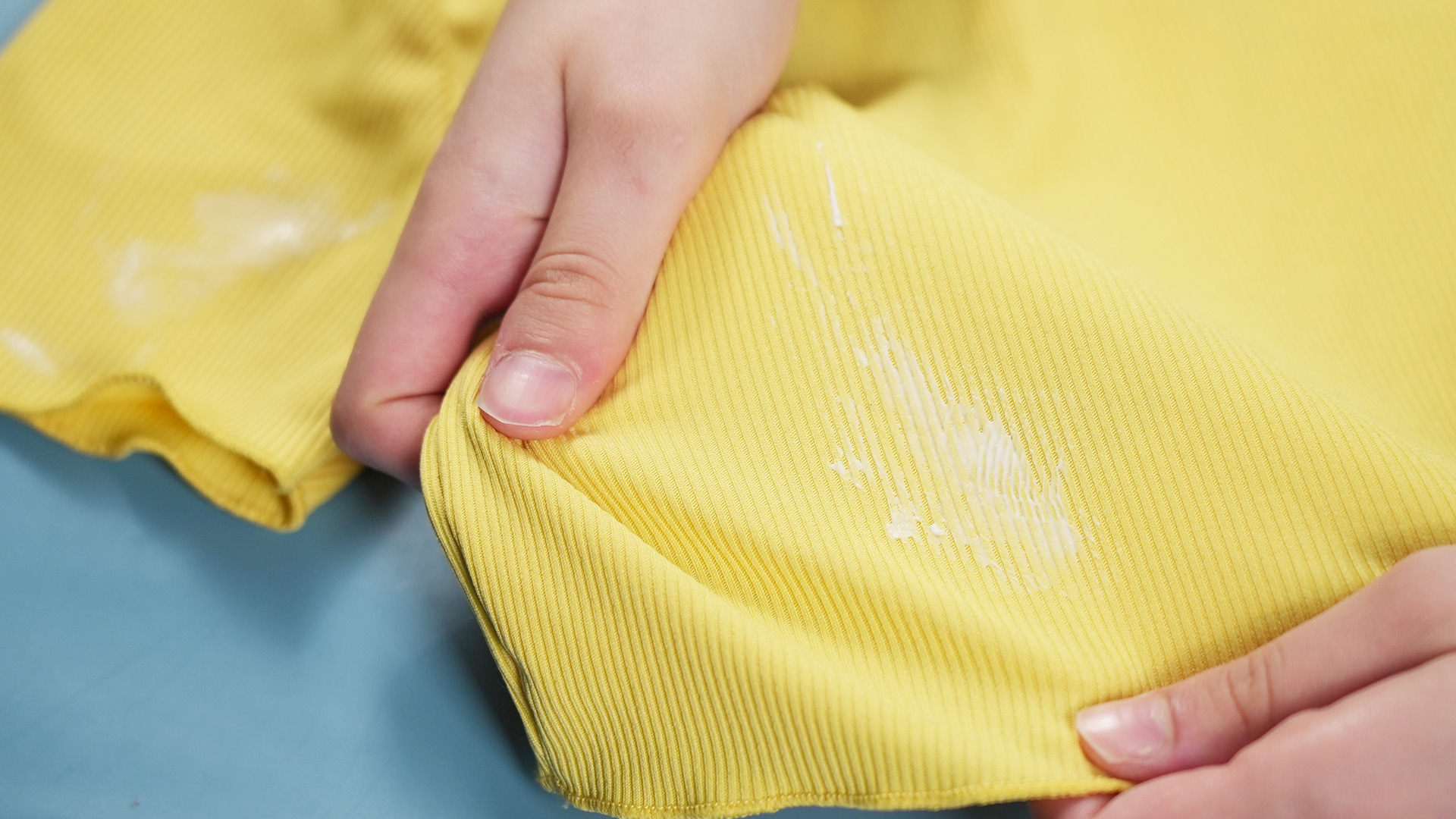
Toothpaste is supposed to clean things, not decorate your shirt like a minty little crime scene. But somehow it always happens at the worst possible moment: five minutes before school, right before work, or exactly when you are already running late and pretending you are not. The good news is that toothpaste stains are usually very fixable if you move fast and use the right method.
If you have ever ended up with a chalky white smear on a black T-shirt, a blue gel streak on pajama pants, or a suspicious faded patch on a favorite sweatshirt after using whitening toothpaste, you are not alone. Toothpaste can leave behind residue from abrasives, dyes, whitening agents, and flavoring ingredients. Some formulas are easier to remove than others, but the basic fix is wonderfully simple: lift off the excess, flush the stain, pretreat it, and wash carefully.
This guide breaks down exactly how to get toothpaste out of clothes quickly and easily, including what to do for fresh stains, dried stains, delicate fabrics, white clothes, dark clothes, and those extra-stubborn whitening toothpaste marks. No panic. No weird internet hacks involving seventeen pantry ingredients and a moon phase chart. Just practical stain-removal advice that actually makes sense.
Why Toothpaste Can Stain Clothes in the First Place
At first glance, toothpaste does not seem like it should stain anything. It is not red wine, motor oil, or mystery taco sauce. But toothpaste is a mix of solids and active ingredients, and several of them can cling to fabric.
Many toothpastes contain mild abrasives that polish teeth and remove surface stains. Those same particles can dry on fabric and leave a pale, dusty residue. Gel toothpastes may also contain colorants that can leave a faint tint behind. Whitening formulas can be the biggest troublemakers because they may contain peroxide-based ingredients or stronger stain-lifting components. In plain English, your toothpaste may be trying to brighten your smile while quietly fading your hoodie.
That is why speed matters. A fresh toothpaste stain is usually much easier to remove than one that has dried, set, and settled into the fibers like it just signed a lease.
What to Do Immediately After Toothpaste Gets on Clothing
1. Remove the excess without rubbing
Start by lifting off any extra toothpaste with a spoon, butter knife, or the edge of a clean card. Be gentle. The goal is to remove what is sitting on top of the fabric, not grind it deeper into the fibers. Rubbing aggressively is the laundry version of making a bad situation worse.
2. Blot, do not smear
If the toothpaste is still wet, blot the area with a clean white cloth or paper towel. Press lightly. Do not scrub back and forth like you are polishing a car. Scrubbing can spread the stain and work residue farther into the fabric.
3. Rinse with cool or cold water
Hold the stained area under cool running water, ideally from the back side of the fabric if possible. This helps push the toothpaste out instead of driving it in. Cold water is usually the safer first move for toothpaste stains, especially on colored fabrics and delicate materials.
Step-by-Step: The Best Way to Remove Toothpaste From Washable Clothes
If the item is machine-washable, this is the easiest and most reliable method.
Step 1: Flush the stain
Run cool water through the back of the stain for 30 seconds to a few minutes. This loosens residue and carries away a surprising amount of toothpaste before you even use a cleaner.
Step 2: Apply liquid laundry detergent
Put a few drops of liquid laundry detergent directly on the stain. Use your fingers or a soft toothbrush to gently work it in using small circular motions. Let it sit for about 5 to 10 minutes. This gives the detergent time to break down the residue instead of merely waving at it.
Step 3: Rinse again
Rinse the spot with cool water to remove loosened toothpaste and detergent. If the stain still shows, repeat the pretreating step once more before washing.
Step 4: Wash according to the care label
Wash the garment using the warmest water the care label allows, unless the item is delicate or dark and does better in cool water. Use your regular detergent. For whites or colorfast items with stubborn residue, a color-safe oxygen-based booster can help.
Step 5: Air-dry before using the dryer
This step is huge. Check the stained area before putting the item in the dryer. If any mark remains, air-dry it first and repeat treatment if needed. Heat from the dryer can make leftover residue harder to remove. In other words, the dryer is great for clean clothes and terrible for unfinished business.
How to Remove Dried Toothpaste From Clothes
Dried toothpaste looks dramatic, but it is still often removable. It just needs a little more patience.
1. Scrape off the crusty residue
Use a dull spoon or butter knife to lift off as much dried paste as possible. Do not yank at the fibers.
2. Soak the stained area
Soak the spot in cool water for 15 to 30 minutes. For larger or older stains, you can soak the whole garment if the care label allows.
3. Pretreat with liquid detergent or stain remover
Apply liquid detergent directly to the damp stain and gently work it in. If you have a laundry stain remover, that can also work well. Let it sit for 10 minutes.
4. Wash and inspect
Launder the garment and check it before drying. If the stain is lighter but still visible, repeat the treatment. Set-in stains often come out in rounds rather than in one dramatic movie montage moment.
How to Handle Whitening Toothpaste Stains
Whitening toothpaste deserves its own section because it can behave differently. Some whitening formulas contain peroxide-based ingredients or stronger stain-lifting compounds. That means they can leave behind not only a residue mark, but sometimes a faded or bleached-looking spot if they sit too long.
If you catch a whitening toothpaste spill right away, flush it with cool water immediately and pretreat with detergent as soon as possible. Speed matters more here than usual. If the fabric already looks lighter rather than stained, you may be dealing with color loss instead of removable residue. In that case, stain remover will not “lift” the problem because the dye in the fabric may already be affected.
For minor faded areas on dark clothing, a fabric-safe dye pen or color-restoring laundry product may help disguise the damage. It is not the fairy-tale ending anyone asked for, but it can save a favorite piece from the donation pile.
How to Treat Toothpaste on Different Types of Fabric
Cotton and polyester
These are usually the easiest fabrics to treat. Flush with cool water, pretreat with liquid detergent, wash, and inspect before drying.
Dark or black clothing
Toothpaste residue loves to make itself obvious on dark fabric. Use a white cloth for blotting, rinse thoroughly, and avoid overusing powder products that can leave more residue. A second rinse is often worth it.
Delicates like silk, rayon, lace, or wool
Go gently. Blot the stain, rinse with cool water, and use a mild detergent meant for delicates. Hand-wash rather than tossing the item straight into the washer. If the label says dry clean only, blot the stain lightly and bring it to a cleaner as soon as possible rather than experimenting like a laundry mad scientist.
White clothing
White items can usually handle a bit more stain-fighting power, but always check the care label first. If a plain detergent treatment does not fully remove the stain, a bleach-safe white garment may benefit from a whitening laundry product or a carefully used bleach solution. Avoid chlorine bleach on fabrics that contain spandex, wool, silk, or other bleach-sensitive fibers.
Simple Household Helpers That Can Work
You do not always need a fancy stain-removal arsenal. In many cases, these basics are enough:
- Liquid laundry detergent: The best first choice for most toothpaste stains.
- Mild dish soap: Helpful if you need a quick pretreat and do not have laundry detergent nearby.
- Soft toothbrush: Good for gently working cleaner into the fabric.
- Color-safe oxygen booster: Useful for stubborn residue on washable fabrics.
- White cloths or paper towels: Better than colored towels that may transfer dye.
One caution: baking soda is famous on the internet for solving every household problem short of filing taxes, but it is not always the best first tool for clothing stains. Because toothpaste already may contain abrasive particles, piling more powder on top is not always necessary. On delicate fabrics, it can even leave more residue or create extra friction.
What Not to Do
A good stain-removal routine is partly about knowing what helps and partly about avoiding the things that make the mess stick around longer.
- Do not rub hard. It can spread the stain and wear down fibers.
- Do not use hot water right away. Start with cool water unless the care label clearly supports something else.
- Do not toss it straight into the dryer. Always inspect first.
- Do not use bleach on everything. Check whether the fabric is bleach-safe.
- Do not ignore the care label. That tiny tag is annoying, yes, but it is also usually correct.
Quick Toothpaste Stain Fixes for Real Life
Sometimes you do not have time for a full laundry session. Maybe you are about to leave the house and just discovered a toothpaste spot on your shirt. In that case, here is the emergency version:
- Scrape off any visible toothpaste.
- Blot with a damp cloth.
- Add one drop of liquid soap or detergent.
- Blot again with cool water.
- Press with a dry towel.
- Let the area air-dry while you continue pretending your morning is under control.
This may not fully remove a stubborn stain, but it can dramatically reduce the mark until you can wash the item properly.
Frequently Asked Questions
Does toothpaste permanently stain clothes?
Usually, no. Most toothpaste stains come out with prompt rinsing and detergent pretreatment. Whitening toothpaste can be trickier because it may lighten fabric if left on too long.
Can I use vinegar to remove toothpaste from clothes?
It is usually not necessary. Liquid detergent is generally the safer and more effective first choice. If you use vinegar for other laundry stains, always spot-test first and avoid mixing it with bleach.
Can toothpaste come out after it has gone through the dryer?
Sometimes, yes, but it is harder. Soak the item, pretreat it, and wash again. You may need more than one round.
What if the stain is blue, green, or red from gel toothpaste?
Treat it the same way, but move quickly. Colored gels can leave both residue and dye traces, so prompt rinsing matters even more.
The Bottom Line
If you want to know how to get toothpaste out of clothes quickly and easily, the answer is refreshingly unglamorous: remove the excess, rinse with cool water, pretreat with liquid detergent, wash according to the fabric label, and air-dry until you are sure the mark is gone. That routine handles most toothpaste stains without drama.
The real trick is not a secret product or viral hack. It is timing, gentle handling, and a little patience. So the next time your toothbrush has terrible aim, your clothes do not have to suffer for it.
Real-Life Experiences With Toothpaste Stains on Clothes
One of the most common toothpaste disasters happens during rushed mornings. A teenager in a white school polo squeezes the tube too hard, the cap pops off, and a blob lands right on the shirt five minutes before the bus arrives. In that kind of situation, people often wipe at the stain with a dry hand or tissue, which spreads the paste into a bigger chalky patch. The faster fix is much calmer: lift off the excess, blot with cool water, add a drop of detergent, and rinse. Even if the shirt cannot be fully washed before leaving the house, that quick response usually prevents the toothpaste from drying into a crusty white badge of poor breakfast luck.
Dark clothes create a different kind of panic because toothpaste shows up on them like it is auditioning for a spotlight. Black hoodies, navy work shirts, and charcoal leggings tend to reveal even the faintest residue. People often think the stain is gone after one rinse, only to find a ghostly mark once the fabric dries. The lesson many learn the hard way is that toothpaste residue can hide while the garment is wet. A second careful rinse and a proper pretreat usually make the difference. Air-drying before machine drying is also a game changer, especially for dark fabrics that love to expose every laundry mistake.
Parents also know the special chaos of kids and toothpaste. Children do not simply brush their teeth. They somehow stage a full mint-scented production involving sleeves, pajama collars, and sometimes socks for reasons known only to them. In many homes, the winning strategy is keeping a small stain kit in the laundry area or bathroom: a white cloth, a travel-size detergent bottle, and a soft toothbrush. That setup turns a toothpaste stain from a full domestic emergency into a 90-second inconvenience.
Whitening toothpaste stories tend to be the most frustrating. Someone leans over the sink in a favorite dark T-shirt, notices a small dribble later, wipes it off casually, and thinks nothing of it. After laundry day, the shirt looks slightly faded in that exact spot. That experience teaches an important lesson: not every toothpaste mark is just surface residue. Some formulas can affect color, especially if they sit on fabric for a while. Acting fast matters, but so does choosing where you brush your teeth. A lot of people become accidental stain-prevention experts after sacrificing one beloved shirt to the whitening gods.
There are also success stories, and they are reassuringly boring. A college student gets toothpaste on a sweatshirt, rinses it right away, rubs in detergent, washes it later that day, and the stain disappears. A traveler notices a dried smear on a T-shirt in a hotel room, soaks the spot in cool water, uses a tiny bit of liquid soap, and saves the shirt without ever visiting a laundromat. A parent rescues a child’s soccer jersey before practice with nothing more than water, detergent, and decent timing. These small victories all have the same theme: quick action beats fancy products almost every time.
In the end, experience teaches something useful and oddly comforting. Toothpaste stains are annoying, but they are rarely the end of the world. They reward basic laundry habits more than miracle cures. If you stay calm, treat the fabric gently, and resist the urge to attack the spot like it insulted your family, most toothpaste stains come out just fine. And if nothing else, the whole experience gives you one more practical adult skill to casually mention when someone else gets mint foam on their shirt and looks ready to give up on life before 8:00 a.m.