Note: HTML body only, as requested. SEO tags appear at the end in JSON format.
Anchovies are the tiny fish with the giant résumé. They show up in Caesar dressing, puttanesca, tapenade, compound butter, roasted vegetables, and sauces that somehow taste deeply savory without screaming, “Hello, I am fish.” That is the magic. Anchovies are less about making food taste fishy and more about making it taste fuller, rounder, saltier, and mysteriously better.
Still, anchovies can be a little chaotic in the pantry. Some recipes call for fillets, others want paste, and then there is always that moment when a recipe says “1 can anchovies” as if every cook keeps a decoder ring next to the olive oil. This guide clears that up. Below, you will find practical anchovy equivalents, easy kitchen measures, and smart substitutions for when your can is empty, your tube is missing, or a dinner guest says they do not eat anchovies right before you planned Caesar salad night.
What Anchovies Actually Do in a Recipe
Before talking about substitutions, it helps to understand the job anchovies are doing. In most American home cooking, anchovies are not the star. They are the backstage crew. When chopped or mashed and cooked gently in oil or butter, they dissolve into the dish and add umami, salinity, and depth. That is why they work so well in pasta sauces, braises, vinaigrettes, and creamy dressings.
In other recipes, however, anchovies are visible and intentional. Think anchovies laid over toast, draped on pizza, folded into a salad, or blended into a bold tapenade. In those cases, texture matters more, and the best substitution is not always the easiest one.
So here is the golden rule: match the substitute to the job. If anchovies are supposed to disappear, you have options. If they are supposed to be seen and tasted clearly, you need a closer stand-in.
Anchovy Equivalents and Measures
Let’s get to the part every cook wants when the pan is hot and the recipe is vague.
| Anchovy Form | Equivalent | Best Use | Quick Note |
|---|---|---|---|
| 1 anchovy fillet | 1/2 teaspoon anchovy paste | Dressings, sauces, vinaigrettes | A reliable everyday swap |
| 2 anchovy fillets | 1 teaspoon anchovy paste | Caesar dressing, pan sauces | Easy conversion to remember |
| 1 teaspoon mashed anchovies | 1 teaspoon anchovy paste | Recipes that already want a smooth mixture | Paste is usually a little milder |
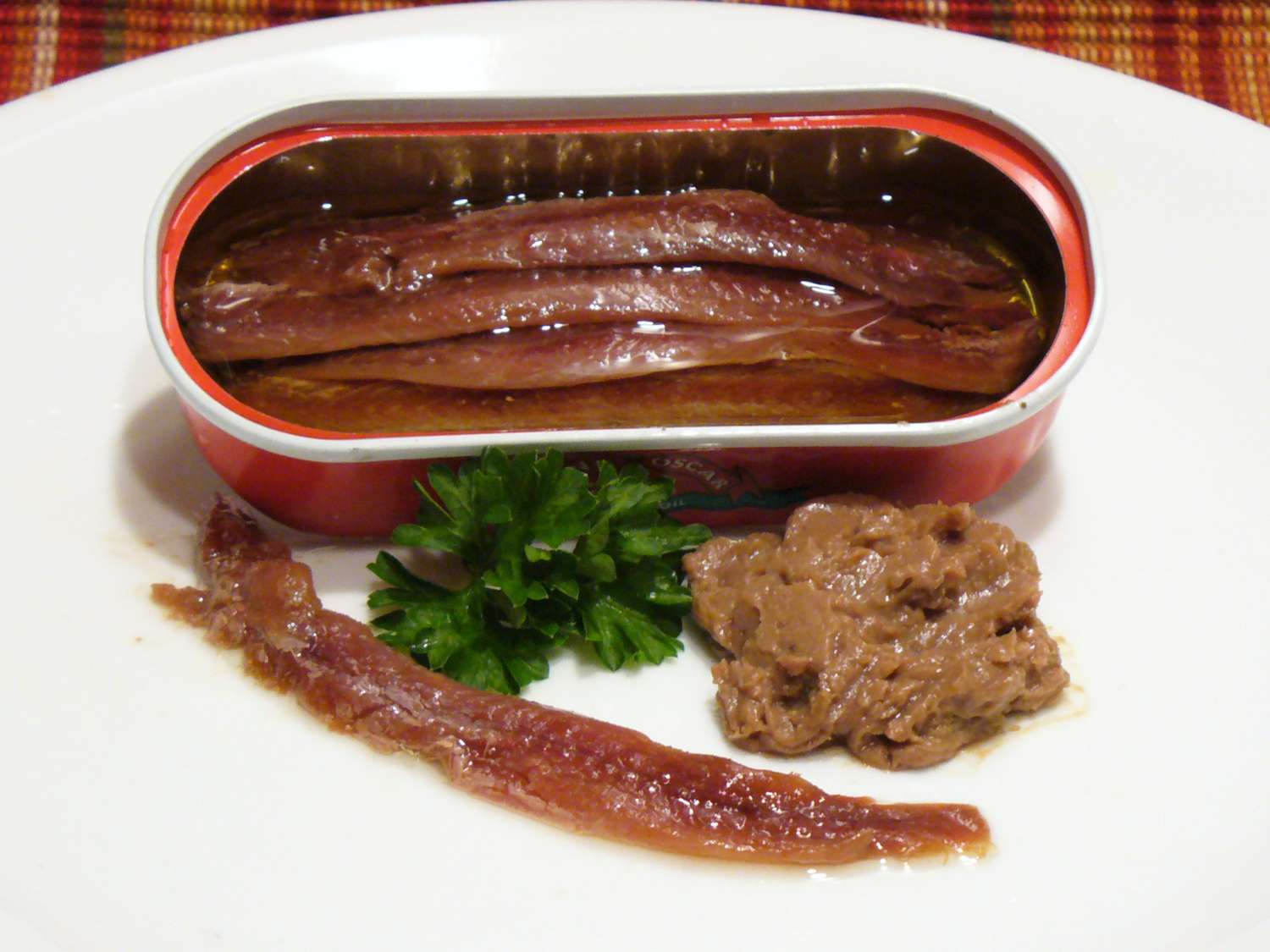
| 1 can anchovies (2 ounces) | About 7 to 10 fillets | Pasta, dips, dressings, spreads | Count can vary by brand |
| 1 can anchovies (2 ounces) | About 3 tablespoons mashed anchovies | Tapenade, sauces, blended recipes | Useful when recipes measure by spoonfuls |
If you only remember one line from this article, make it this one: 2 anchovy fillets = 1 teaspoon anchovy paste. That simple conversion solves half of all anchovy-related kitchen drama.
How to Measure Anchovies Without Overthinking It
When the Recipe Calls for Fillets
Use the fillet count if the anchovies are visible, arranged, or meant to be chopped fresh into the dish. Fillets are ideal for classic Caesar, anchovy toast, pizza toppings, and pasta dishes where you bloom them in warm oil with garlic.
When the Recipe Calls for Paste
Anchovy paste is the convenience-store version of the same savory power. It is excellent for dressings, marinades, compound butters, and fast weeknight sauces. If you cook with anchovies only once in a while, paste is often the better pantry choice because it is quick, tidy, and does not leave you staring at half a tin wondering what culinary destiny now awaits it.
When the Recipe Says “1 Can”
This is where cooks get ambushed. A 2-ounce can usually gives you roughly 7 to 10 fillets, or about 3 tablespoons once mashed. If your recipe is older and simply says “1 can anchovies,” assume the cook meant a small standard can unless the dish clearly depends on a larger quantity.
Best Anchovy Substitutions by Situation
1. Anchovy Paste
This is the closest and easiest substitute for anchovy fillets in sauces, dressings, and other non-visual uses. The flavor is similar, the texture is already smooth, and the measurement is simple. Use 1 teaspoon of paste for every 2 fillets, or 1/2 teaspoon per fillet.
Best for: Caesar dressing, green goddess dressing, vinaigrettes, tomato sauces, butter sauces, roasted vegetables, and sandwich spreads.
2. Fish Sauce
Fish sauce is one of the smartest anchovy substitutes when the anchovies are meant to melt into the background. It brings salty, funky umami without texture. The catch is that fish sauce can be intense, so start very small and taste as you go.
Best for: Dressings, braises, soups, pasta sauces, stews, and meat marinades.
Not ideal for: Pizza, toast, or any dish where you need actual pieces of anchovy.
3. Worcestershire Sauce
This classic pantry bottle is a clever substitute because anchovies are one of the ingredients that give Worcestershire its savory edge. It will not taste exactly the same, but it often gets you surprisingly close, especially in Caesar-style dressings or pan sauces where several other flavors are already in play.
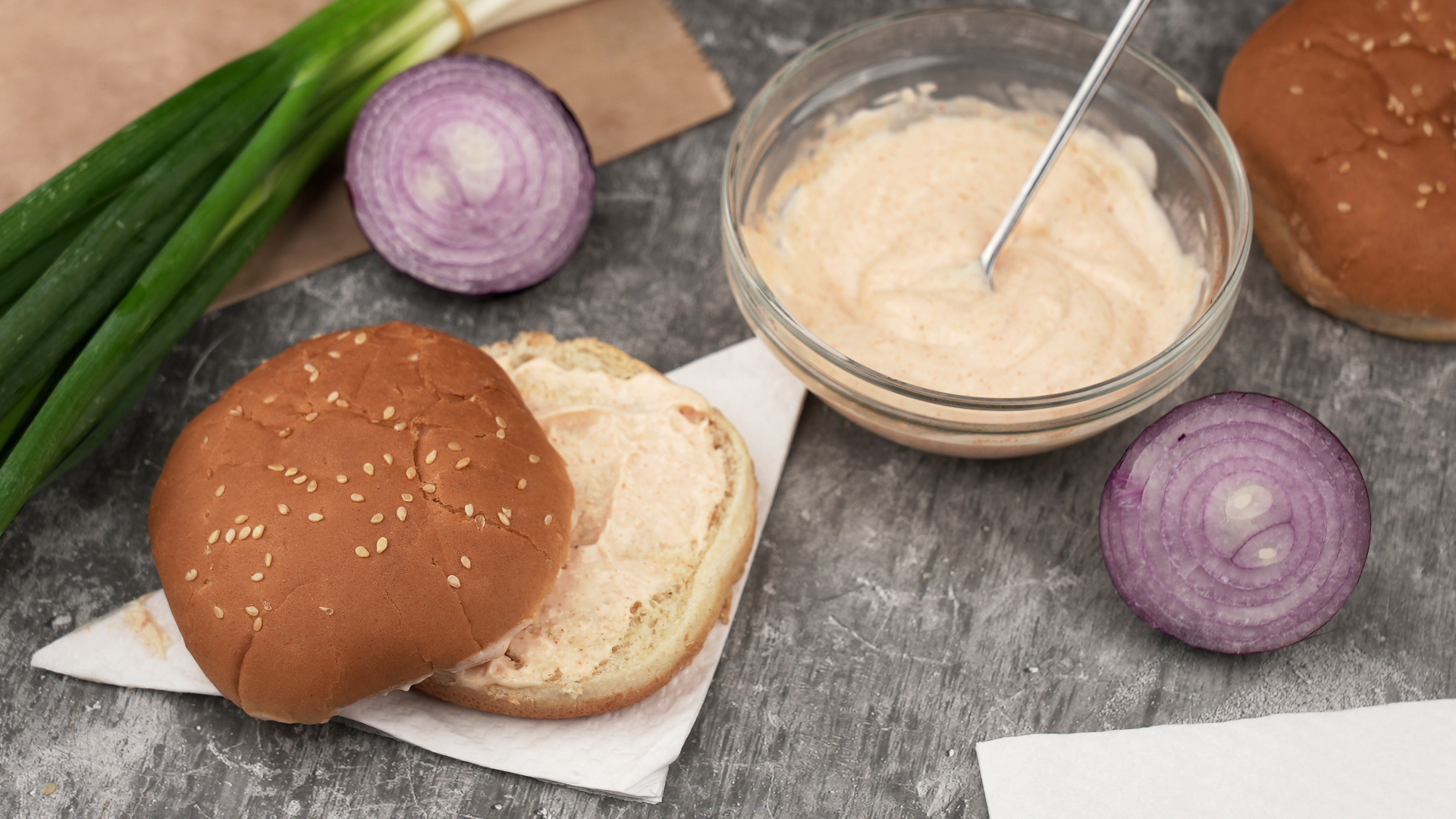
Best for: Caesar dressing, burger sauce, marinades, meatloaf, and savory dips.
4. Capers
Capers do not replace anchovies one-for-one in flavor, but they do bring briny sharpness and a salty pop that can help fill the gap. They work best when the recipe needs brightness and salinity more than deep fishy umami.
Best for: Puttanesca-style sauces, tapenade, relishes, dressings, and vegetable dishes.
5. White Miso
If you want the savory depth without the fish, white miso is one of the best alternatives. It adds body, salt, and mellow umami. It is especially useful in creamy dressings and blended sauces.
Best for: Vegetarian Caesar-style dressings, dips, creamy vinaigrettes, and sauces.
6. Sardines
Sardines are a pinch-hit substitute, not a twin. They are milder, meatier, and firmer than anchovies. In cooked sauces, they can work if mashed thoroughly, but in recipes where anchovies are meant to disappear cleanly, sardines can feel a bit too obvious.
Best for: Rustic pasta sauces, spreads, or situations where a similar small oily fish is acceptable.
7. Herring, Smelt, or Jack Mackerel
If you are substituting for fresh anchovies rather than cured canned ones, other small oily fish can step in. These are more relevant to seafood-forward recipes than to classic pantry cooking, but they are worth knowing if you cook broadly.
When You Should Not Substitute Anchovies
There are times when a substitute will technically work, but the recipe will lose its personality. Caesar dressing is a classic example. You can use paste, fish sauce, or Worcestershire, but if you skip the anchovy flavor entirely, the dressing becomes something else. Still tasty, maybe, but no longer the full Caesar experience.
The same goes for puttanesca, bagna cauda, and anchovy butter. These recipes depend on the specific bold, salty depth of anchovies. If you substitute too far away from the original, you may still get dinner, but not the dinner the recipe promised.
In short: if the recipe is built around anchovy flavor, use real anchovies or anchovy paste if at all possible. If anchovies are only a supporting actor, substitutions become much safer.
Practical Anchovy Swap Guide
| If the Recipe Uses Anchovies In… | Best Substitute | Why It Works |
|---|---|---|
| Caesar dressing | Anchovy paste or a little Worcestershire | Keeps the savory backbone |
| Pasta sauce | Anchovy paste or fish sauce | Melts into the sauce easily |
| Tapenade | Capers plus a small amount of paste or miso | Maintains briny depth |
| Compound butter | Anchovy paste | Blends smoothly into fat |
| Pizza topping | Real fillets or skip entirely | Texture and placement matter |
| Vegetarian dressing or sauce | White miso and capers | Adds umami and salt without fish |
Flavor Notes: Why Anchovies Make Food Taste Better
Anchovies have a reputation problem. People hear the word and imagine something aggressively fishy marching across the plate in combat boots. In reality, anchovies often melt into the dish and leave behind richness, salt, and umami. They are culinary undercover agents.
This is why they work so well with garlic, lemon, olive oil, tomatoes, butter, Parmesan, capers, olives, and roasted vegetables. They add intensity without demanding the spotlight. That is also why substitutes need to provide more than salt. Salt alone is flat. Anchovies bring savory depth, and the best replacements do too.
Are Anchovies Healthy?
In general, anchovies are considered a small oily fish that can provide omega-3 fats and protein. They are also generally viewed as a lower-mercury seafood choice compared with larger predatory fish. That said, cured and canned anchovies can be very high in sodium, so portion size matters. The good news is that most recipes use modest amounts, not a giant anchovy mountain on a Tuesday evening.
If you are cooking for someone who watches sodium, reduce additional salt elsewhere in the dish and taste late. Anchovies often season the whole recipe more than you expect.
Common Mistakes People Make with Anchovy Substitutions
Using Too Much Fish Sauce
Fish sauce is powerful. A little goes a very long way. Add it drop by drop, not with emotional confidence.
Swapping Sardines Without Adjusting Expectations
Sardines can work, but they are not stealthy. Expect a milder yet more obviously fishy texture.
Adding Extra Salt Too Early
Anchovies, paste, fish sauce, capers, and Worcestershire all bring salt. Wait until the end before seasoning aggressively.
Skipping the Mash
If you are using fillets in dressings or sauces, mash or chop them well. This helps them dissolve properly and spread their flavor evenly.
Kitchen Experiences and Lessons Learned from Using Anchovies
One of the most common experiences home cooks have with anchovies is surprise. Not surprise that anchovies exist, of course. Surprise that they do not behave the way many people expect. Someone says, “I hate anchovies,” then happily eats a Caesar salad, a silky tomato sauce, or buttery roasted vegetables that absolutely contain anchovies. It happens all the time. Anchovies are the ninjas of the pantry. They do their job quietly, then vanish before anyone can complain.
Another familiar experience is the “tin dilemma.” You open a can for two fillets, use them, and then stare at the remaining anchovies like you have adopted several very salty pets. This is usually the moment cooks discover that anchovies are easier to use than they thought. Leftovers can be mashed into softened butter, whisked into vinaigrette, stirred into a pot of beans, or melted into olive oil with garlic for pasta. Once that mental switch flips, anchovies stop feeling like a specialty ingredient and start feeling like a secret weapon.
Many cooks also learn that anchovy paste is not cheating. In fact, it is often the most practical form for everyday cooking. If you make dressings, quick sauces, or weeknight vegetables, the tube is a lifesaver. You squeeze, stir, taste, and move on with your life. No fuss, no leftover fillet drama, no tiny fish staring back from the fridge. Purists may prefer whole fillets in some dishes, and fair enough, but the paste earns its place.
Then there is the substitution lesson. Most people eventually try making a dish without anchovies because they ran out, forgot them, or were cooking for someone skeptical. This is where you learn what the ingredient was really doing. A Caesar dressing without anchovy can still be creamy and tangy, but it often tastes flatter. A pasta sauce without anchovy may still be good, yet somehow less complete. This is the great anchovy revelation: the fish is often not there for fishiness at all. It is there for depth. Once you understand that, substitutions become more intelligent. You stop replacing anchovies with “anything salty” and start looking for ingredients that bring umami too.
Perhaps the funniest kitchen experience is serving anchovy-based food to people who swear they do not like anchovies, only to watch them ask for seconds. It happens with roasted broccoli, pan sauces, garlic butter, and tomato pasta especially often. The flavor registers as savory, rich, and restaurant-like. The anchovy does its work in disguise. That moment changes how many cooks think about the ingredient forever.
In the end, the best experience-related lesson is simple: anchovies reward curiosity. Start small. Use one fillet. Try half a teaspoon of paste. Stir a little into something familiar. Once you see how much flavor such a tiny amount can create, anchovies stop being intimidating and start becoming one of the most useful ingredients in the kitchen. Tiny fish, huge confidence.
Final Takeaway
If you cook often, knowing anchovy equivalents and substitutions is genuinely useful. The simplest conversion is still the best: 1 anchovy fillet equals 1/2 teaspoon anchovy paste. From there, the rest becomes easier. Use paste for convenience, fish sauce for hidden umami, Worcestershire for a classic shortcut, capers for brininess, and white miso for a fish-free savory boost.
And when possible, keep a small tin or tube on hand. Anchovies may be tiny, but they bring big flavor, major flexibility, and just enough kitchen drama to keep things interesting.