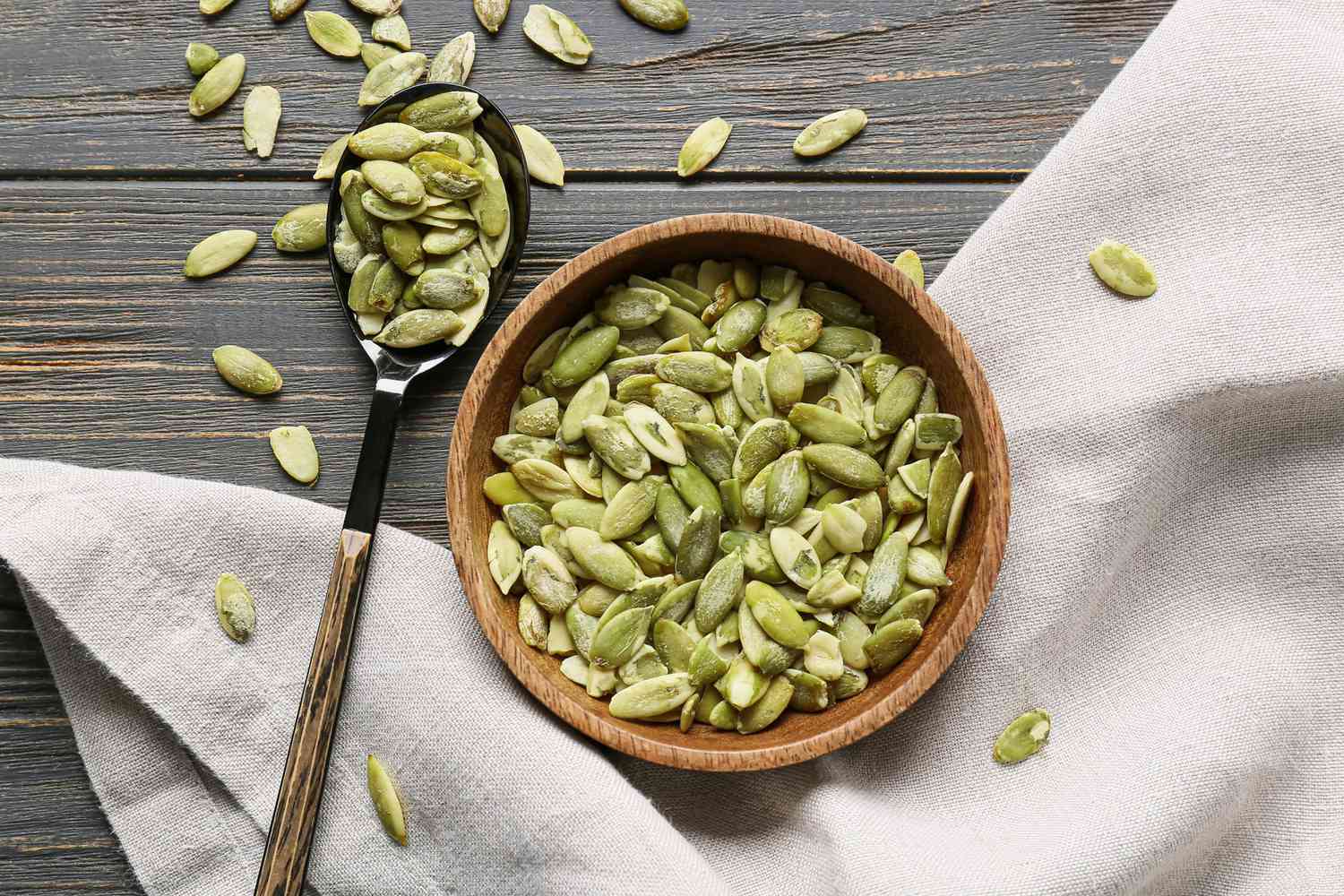
Pumpkin seeds are the quiet overachievers of the snack world. They do not have the celebrity status of avocados, the mysterious wellness aura of chia seeds, or the fancy brunch reputation of smoked salmon. But these tiny green gemsalso called pepitas when they are shelledbring a lot to the table. They are crunchy, easy to store, surprisingly filling, and loaded with nutrients your body actually uses.
That matters, because a healthy food only becomes useful when people want to eat it more than once. Pumpkin seeds pass that test. You can sprinkle them over oatmeal, toss them into salads, blend them into pesto, stir them into trail mix, or eat them by the handful when the vending machine starts whispering bad ideas. Better yet, they offer a smart combination of plant protein, healthy fats, minerals, and fiber that supports an overall balanced diet instead of trying to moonlight as a miracle cure.
In other words, pumpkin seeds are not magic beans. They are better: they are realistic. And in nutrition, realistic wins.
What Makes Pumpkin Seeds So Nutritious?
Before we get into the benefits, it helps to know what you are getting. A 1-ounce serving of hulled pumpkin seed kernels delivers about 153 calories, nearly 7 grams of protein, 13 grams of fat, a little over 1 gram of fiber, more than 150 milligrams of magnesium, more than 2 milligrams of zinc, more than 4 milligrams of iron, and more than 330 milligrams of phosphorus. Most of the fat is unsaturated, which is the kind dietitians generally prefer over saturated fat in a heart-healthy eating pattern.
That nutrient mix is exactly why pumpkin seeds show up again and again in guidance from dietitians and major health organizations. They are compact, but they are not empty calories. They bring substance.
1. Pumpkin Seeds Support Heart Health
One of the strongest reasons to keep pumpkin seeds in your pantry is that they fit naturally into a heart-smart way of eating. They contain mostly unsaturated fats, and replacing foods higher in saturated fat with foods that offer more unsaturated fat is a well-established nutrition strategy for better cardiovascular health.
Pumpkin seeds also stand out for their magnesium content. Magnesium helps regulate muscle and nerve function, supports normal heart rhythm, and plays a role in blood pressure regulation. That does not mean eating pumpkin seeds once will turn your circulatory system into a symphony orchestra. It does mean that regularly eating magnesium-rich foods can support the bigger picture of heart health.
There is also fiber in the mix, especially if you eat whole roasted pumpkin seeds with the shell. Fiber can help support healthy cholesterol levels and is another reason seeds work well as a regular part of a balanced eating pattern. Think of pumpkin seeds as a tiny but mighty supporting actor in your heart-health lineup: not the entire show, but definitely not an extra.
2. They Offer Plant Protein That Helps Meals Work Harder
Protein is one of the reasons pumpkin seeds feel more satisfying than airy, ultra-processed snacks that disappear in six seconds and somehow make you hungrier. With nearly 7 grams of protein per ounce, pumpkin seeds can help add staying power to meals and snacks.
That matters for more than gym culture. Protein helps build and repair tissues, and it also makes food feel more substantial. A bowl of yogurt with fruit is good. A bowl of yogurt with fruit and a tablespoon or two of pumpkin seeds is usually better because it adds crunch, protein, and more nutritional value without much effort.
For people who are trying to eat more plant-based meals, pumpkin seeds are especially handy. They are easy to use, require no soaking, and do not ask for a TED Talk before dinner. Add them to grain bowls, soups, roasted vegetables, or even pasta for a plant-protein boost that takes about three seconds to execute.
3. They Are Packed With Magnesium for Muscles, Nerves, and Energy Production
If pumpkin seeds had a signature mineral, it would be magnesium. This nutrient is involved in hundreds of enzyme systems in the body and supports muscle and nerve function, blood glucose control, protein synthesis, and energy production. In plain English: magnesium is busy.
That is one reason pumpkin seeds are often recommended alongside other magnesium-rich foods like legumes, nuts, and leafy greens. A serving of pumpkin seeds can make a meaningful contribution to your daily magnesium intake, which is useful because many people do not get enough of it from food.
Magnesium is also tied to normal muscle contraction and relaxation. So while pumpkin seeds are not a stand-alone solution for cramps, fatigue, or every strange body complaint that happens after a bad night of sleep and an extra-large coffee, they are a practical food choice that supports systems your body relies on all day long.
4. They Deliver Zinc for Immune Function and Healing
Another nutrient pumpkin seeds bring to the party is zinc. Zinc supports immune function, protein and DNA synthesis, wound healing, and cell growth. That makes it one of those behind-the-scenes nutrients you may not think about often until someone mentions immunity season, healing, or recovery.
Pumpkin seeds are not the highest-zinc food on earth, but they are a reliable plant source. That makes them particularly useful for people who want more variety in their zinc intake, especially if they eat less meat. Tossing pumpkin seeds into meals is an easy way to strengthen the nutritional quality of a dish without changing the entire recipe.
And yes, that means your salad can do more than perform the emotional labor of being green.
5. They Can Help You Feel Fuller and Snack More Intentionally
Pumpkin seeds have one of the most valuable nutrition traits a snack can have: they are satisfying. That is because they combine protein, fat, and some fiber in one small package. Foods with that trio tend to feel more substantial than snacks built mostly from refined starch or added sugar.
This does not mean pumpkin seeds are a weight-loss hack. It means they can be a smarter choice when you want a snack that actually holds you over. A small handful with fruit, or pumpkin seeds mixed into plain Greek yogurt, will usually do a better job than a few crackers you forgot you ate five minutes later.
If you are trying to build better eating habits, that matters. Consistency is easier when your food is enjoyable and filling. Pumpkin seeds help bridge the gap between “healthy choice” and “something I would willingly eat again,” which is honestly where many wellness plans go to die.
6. They Provide Antioxidants and Important Minerals for Everyday Health
Pumpkin seeds also contain antioxidant compounds and a range of important minerals beyond magnesium and zinc, including iron, phosphorus, copper, and manganese. These nutrients support everything from oxygen transport and energy metabolism to bone health and normal cell function.
Iron helps carry oxygen through the body. Phosphorus plays a role in bones and teeth as well as energy production. Copper and manganese support connective tissue and antioxidant processes. No single nutrient deserves all the applause, because the real strength of pumpkin seeds is the way these nutrients work together inside a balanced diet.
This is one of the best arguments for choosing whole foods more often. Pumpkin seeds do not just bring one trendy nutrient with a flashy reputation. They deliver a collection of useful nutrients in one crunchy package. That is not glamorous, but it is effective.
How to Eat More Pumpkin Seeds Without Getting Bored
The easiest way to eat more pumpkin seeds is to stop treating them like a seasonal decoration and start treating them like a pantry staple. They are too useful to be invited only in October.
Sprinkle them on breakfast
Add pumpkin seeds to oatmeal, overnight oats, yogurt, cottage cheese, or smoothie bowls. They bring texture, protein, and a toasty flavor that makes basic breakfasts taste more finished.
Toss them into salads and grain bowls
Pumpkin seeds are one of the quickest ways to make a salad more satisfying. They also work beautifully in quinoa bowls, brown rice bowls, or roasted vegetable dishes.
Mix them into trail mix
Combine pumpkin seeds with walnuts, almonds, dried fruit, or dark chocolate chips for a snack that feels convenient without veering into candy-with-a-fitness-backstory territory.
Blend them into sauces and dips
Use pumpkin seeds in pesto, green sauces, or dips for added richness. They can stand in for part of the nuts in many recipes and give a slightly earthy flavor.
Roast them for a crunchy snack
If you buy them raw, roast them with a little olive oil and seasonings like smoked paprika, cinnamon, black pepper, cumin, or garlic powder. Keep the salt moderate if you are watching sodium.
Use them on soups and roasted vegetables
Pumpkin seeds add the kind of crunch that makes pureed soups and soft roasted vegetables much more interesting. A spoonful on top can completely change the eating experience.
Whole Pumpkin Seeds vs. Pepitas
You will usually see pumpkin seeds sold in two forms: whole seeds in the shell and hulled green kernels, which are commonly called pepitas. Both can be nutritious, but they are a little different.
Pepitas are softer, easier to chew, and great for sprinkling over foods. Whole pumpkin seeds can offer more fiber because of the shell, especially when roasted and eaten whole. If you want a gentler texture, go with pepitas. If you want extra crunch and fiber, whole seeds are worth trying.
There is no wrong answer here. This is not a dramatic nutritional rivalry. It is more of a “choose your own crunch adventure.”
A Few Smart Tips Before You Go Full Pumpkin Seed Enthusiast
As healthy as pumpkin seeds are, they are still calorie-dense, so portion size matters. A small handful or about 1 ounce is a practical serving for most people. Eating half a bag while pretending you are “just grazing” is how snacks become plot twists.
Choose unsalted or lightly salted versions more often if you are keeping an eye on sodium. If you are new to higher-fiber foods, start with smaller amounts and build gradually, especially if you are eating whole seeds with the shell. And if you have a medical condition that affects digestion, mineral balance, or a very specific diet plan, it is worth checking with a healthcare professional about what makes sense for you.
The Everyday Experience of Eating More Pumpkin Seeds
One of the most interesting things about pumpkin seeds is that people rarely start eating them because of a grand nutrition strategy. Usually, it begins with something much less dramatic. Maybe someone buys a bag for a recipe and then realizes there is still half the bag left. Maybe they sprinkle some over soup because the bowl looks a little too beige. Maybe they are simply tired of snacks that taste good for two minutes and then leave them rummaging through the kitchen again.
That is often how pumpkin seeds earn their place in real life: not as a wellness revolution, but as a quiet upgrade. Breakfast becomes a little crunchier. Lunch salads stop feeling like homework. Afternoon snacks become more filling. A simple bowl of oatmeal suddenly has texture, flavor, and enough staying power to get someone through a long morning without immediately hunting for cookies at 10:17 a.m.
People also tend to notice that pumpkin seeds are unusually easy to work with. They do not require much planning. You do not have to chop them, peel them, refrigerate them right away, or rush to use them before they turn into a science experiment. You can keep a jar in the pantry, grab a spoonful, and move on with your life. In a world full of high-maintenance healthy foods, that kind of low drama deserves respect.
There is also the flavor factor. Pumpkin seeds have a nutty, savory taste that fits into sweet and salty meals alike. That makes them useful for people who get bored easily with healthy eating. A food does not need to be wildly exciting to be successful, but it does need to be pleasant enough that you will keep eating it. Pumpkin seeds check that box. They make foods taste more finished, more textured, and more intentional. Even a basic yogurt bowl can feel like someone cared about it.
Another common experience is that pumpkin seeds help people think differently about snacking. Instead of chasing snacks that are mostly crunch and marketing, they start keeping foods around that offer actual nutritional value. A handful of pumpkin seeds with fruit feels different from mindlessly eating chips straight from the bag. It is not about being morally superior to a potato. It is about having options that support your day a little better.
For home cooks, pumpkin seeds can also become a small kitchen habit that spreads. First they go on salads. Then they end up in homemade granola. Then someone blends them into pesto because they ran out of pine nuts and discovers it works. Then they land on roasted squash, soups, rice bowls, and weekend baking. That is the sweet spot of healthy eating: when a food stops feeling like a “should” and starts becoming part of the normal rotation.
No one food transforms your life on its own, and pumpkin seeds are not here to deliver a dramatic montage. But they are one of those rare foods that combine convenience, crunch, versatility, and real nutritional value. And honestly, that kind of dependable energy is underrated.
Final Take
Pumpkin seeds may be small, but they pull off an impressive balancing act. They are rich in magnesium, zinc, protein, unsaturated fats, and important minerals, while still being easy to use in everyday meals. They support heart-smart eating, add plant protein, help make snacks more satisfying, and bring practical nutrition to foods that might otherwise feel a little flat.
If you want to eat more of them, do not overcomplicate it. Start with a tablespoon on yogurt, a handful in trail mix, or a sprinkle over soup or salad. Tiny habit, tiny seed, solid payoff. Sometimes good nutrition really is that simple.
Note: This article is for general educational purposes and is not a substitute for personalized medical advice.