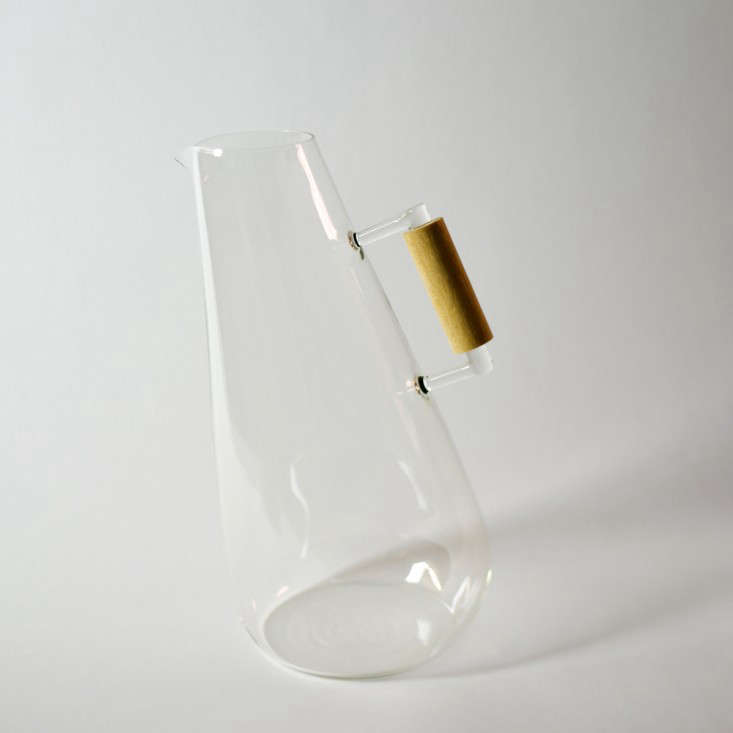
The Tess Large Glass Carafe With Wood Handle is the kind of tabletop piece that makes plain water look like it has hired a stylist. At first glance, it seems simple: clear glass, a rounded body, a warm wooden handle, and a shape made for pouring. Look again, and the charm becomes obvious. This is not just a container for water, iced tea, lemonade, or wine. It is a small design statement with manners.
In a kitchen filled with noisy gadgets, flashing buttons, and appliances that beep like tiny robots demanding attention, a well-made glass carafe feels refreshingly calm. The Tess carafe belongs to that elegant category of objects that do their job beautifully without shouting across the room. It can sit on a breakfast table, a dinner setting, a bar cart, or an open shelf and look completely at home.
For readers searching for a large glass carafe with wood handle, a blown glass pitcher, or a stylish tabletop serving carafe, the Tess design offers a helpful lesson: the best serveware combines function, proportion, and personality. It pours drinks, yes. But it also adds texture, warmth, and a little “where did you get that?” energy to everyday hosting.
What Is the Tess Large Glass Carafe With Wood Handle?
The Tess Large Glass Carafe With Wood Handle is associated with Pianoprimo Milano and was designed by Fabio Cocchi and Luigi Rotta. Product references describe it as a made-in-Italy piece crafted from blown glass and wood, with listed dimensions of approximately 28 x 13 cm. It was offered through Garde and has since been marked as discontinued, which gives it an added collector-style appeal for design lovers.
That discontinued status matters. It means shoppers may not find the exact Tess carafe sitting in every modern online store. Instead, it may appear through vintage design sellers, resale marketplaces, specialty boutiques, or curated homeware sources. For homeowners, stylists, and collectors, that scarcity can make the piece even more interesting. After all, nobody wants a dinner table that looks like it came preloaded from a showroom catalog. A little rarity gives a room a pulse.
A Blend of Glass and Wood
The visual appeal of the Tess carafe comes from contrast. Glass is transparent, cool, and clean. Wood is warm, tactile, and organic. Put them together and you get a serving piece that feels modern without becoming cold. It has the polish of contemporary Italian design and the friendliness of something handmade.
The wooden handle is especially important. Many glass pitchers rely on an all-glass handle, which can look graceful but sometimes feels delicate. A wood handle changes the mood. It makes the object easier to visually “read” from across the table and introduces a natural accent that pairs well with linen napkins, ceramic plates, marble counters, brass flatware, and rustic cutting boards.
Why This Glass Carafe Style Still Feels Fresh
Trends come and go, but certain tabletop pieces have staying power because they solve real problems in beautiful ways. A large glass carafe is one of them. It keeps drinks visible, makes refills easy, and instantly upgrades the table from “grab a bottle from the fridge” to “welcome, we planned this charming little moment.”
The Tess Large Glass Carafe With Wood Handle has a sculptural quality that helps it work beyond formal dining. It is not too fancy for daily use and not too casual for guests. That middle ground is exactly where great home accessories live. Nobody wants to feel like they need a tuxedo to pour cucumber water.
It Makes Everyday Drinks Look Intentional
Pour filtered water into a plastic jug and it says, “Hydration happened.” Pour the same water into a clear glass carafe with a wood handle and suddenly it says, “Hydration has excellent taste.” Add lemon slices, mint, berries, cucumber ribbons, or orange peel, and the carafe becomes part beverage service, part centerpiece.
This is one reason glass carafes are popular for hosting. They allow color and texture to show through. Iced tea looks amber and inviting. Lemonade glows. Sangria becomes dramatic. Even plain water looks crisp and refreshing. The glass does the visual work without adding clutter.
It Fits Multiple Interior Styles
The Tess carafe is flexible because it avoids heavy ornamentation. It can sit comfortably in a minimalist kitchen, a California casual dining room, a Scandinavian-style breakfast nook, or a layered traditional home. The wood handle softens the clear glass, so the piece does not feel clinical. It has a “designed, but not overdesigned” personality.
That is a difficult balance to strike. Some serveware looks so plain it disappears. Other pieces are so decorative they start auditioning for the lead role in the dining room. The Tess carafe lands in the sweet spot: memorable, useful, and calm enough to use often.
Design Details That Make the Tess Carafe Stand Out
A good carafe is not just about capacity. Shape, grip, balance, mouth opening, and pour control all matter. While the Tess Large Glass Carafe With Wood Handle is best known for its elegant blown-glass body and wood accent, the broader design principles behind it are what make this style worth discussing.
Blown Glass Character
Blown glass often has a softer, more human feel than mass-produced molded glass. The curves may appear more fluid, and the object can carry subtle variations that make it feel alive. That is part of the appeal. A blown glass carafe does not have to be loud to feel luxurious. Its beauty comes from proportion, clarity, and light.
When sunlight hits a glass carafe on a dining table, it creates reflections, shadows, and sparkle. In other words, it does free decorating. This is a very considerate feature, especially for those of us who have spent too long arranging flowers only to realize the vase is doing most of the work.
The Wood Handle as a Functional Accent
A wood handle is not just decorative. It can create a more comfortable grip and reduce the visual fragility of an all-glass form. Wood also gives the carafe warmth, making it feel less like laboratory glassware and more like something made for hospitality.
In styling terms, the handle acts like punctuation. The glass body is the sentence; the wood handle is the exclamation point. Not a screaming exclamation point, thankfully. More like a tasteful one wearing linen.
Best Uses for a Large Glass Carafe With Wood Handle
A piece like the Tess carafe is most useful when it moves naturally through different parts of the home. It should not be reserved only for special occasions. Beautiful serveware earns its keep when it makes ordinary routines feel just a little better.
For Water at the Dining Table
The simplest use is often the best. Fill the carafe with chilled water and place it in the center of the table. Guests can refill their glasses without passing around a plastic bottle or sending someone on a kitchen expedition. Add citrus or herbs when you want a restaurant-style touch without doing restaurant-level work.
For Brunch Drinks
Brunch is where a glass carafe really shines. Orange juice, cold brew, iced tea, lemonade, or sparkling water all look better in clear glass. If you are hosting pancakes, quiche, fruit, or pastries, the carafe adds height and elegance to the spread. It is useful, but it also quietly says, “Yes, we are adults who own serving pieces.”
For Wine, Sangria, or Batch Cocktails
Although not every carafe is a wine decanter in the technical sense, a large glass carafe can be excellent for casual wine service, sangria, spritzes, or batched cocktails. The clear body displays fruit, herbs, and color beautifully. For parties, that matters. People drink with their eyes first, and then with their hands, and then with their group chat if the table looks good enough.
For Shelf Styling
When not in use, the Tess-style carafe can work as decor. Place it on open shelving near ceramic bowls, cookbooks, wooden boards, or clear glass tumblers. The wood handle helps it connect visually with other natural materials. Unlike seasonal decor, it does not need to be packed away when the calendar changes.
How to Style the Tess Large Glass Carafe With Wood Handle
Because the Tess carafe combines glass and wood, it plays well with both refined and relaxed table settings. The goal is to let the materials speak without crowding them.
Minimalist Table Setting
Pair the carafe with white plates, clear tumblers, linen napkins, and simple flatware. Add one small bowl of lemons or a sprig of greenery. The result is clean, bright, and unfussy. This approach works especially well for small dining spaces because the transparent glass keeps the table from feeling crowded.
Rustic Modern Setting
Use stoneware dishes, woven placemats, matte black flatware, and a wooden serving board. The wood handle ties everything together. This style is perfect for relaxed dinners, roasted vegetables, bread, salads, and meals that involve olive oil in a supporting role.
Elegant Dinner Party Setting
For a more polished look, place the carafe beside tapered candles, crystal or thin-rimmed glasses, and a low floral arrangement. Keep the flowers below eye level so guests can talk across the table without performing botanical peekaboo.
Care Tips for Glass and Wood Serveware
A large glass carafe with a wood handle deserves gentle care. Glass may be durable, but it is still glass. Wood may be strong, but it does not enjoy being soaked, steamed, or treated like a dishwasher’s emotional support object.
Wash by Hand When Wood Is Involved
If a carafe includes a wooden handle or wood accent, hand washing is the safest routine. Use mild dish soap, warm water, and a soft sponge or bottle brush. Avoid soaking the wooden part for long periods. After washing, dry the glass and wood carefully with a clean towel.
Remove Cloudiness Gently
Glass can become cloudy from hard water minerals, especially if it is left to air-dry. A simple vinegar soak or vinegar-and-water rinse can help restore clarity. Drying immediately with a lint-free towel also helps prevent spots. The good news is that glass is forgiving; the bad news is that it will absolutely reveal your local water quality like a tiny transparent detective.
Condition the Wood When Needed
If the wooden handle begins to look dry, a small amount of food-safe mineral oil or a wood conditioner suitable for kitchenware can help maintain the finish. Apply sparingly, let it absorb, and wipe away excess. This keeps the wood from feeling rough and helps preserve its natural character.
Buying Advice: What to Look for in a Similar Carafe
Because the original Tess Large Glass Carafe With Wood Handle has been listed as discontinued, many shoppers will be looking for a similar piece rather than the exact model. The good news is that the design idea remains highly relevant. Look for a carafe that balances beauty, comfort, and practical cleaning.
Check the Glass Type
Some modern carafes are made with borosilicate glass, which is valued for its resistance to temperature changes. Others use soda-lime glass, recycled glass, or hand-blown decorative glass. Always read the product description carefully. If you plan to serve hot tea or coffee, confirm that the carafe is designed for hot liquids. A pretty pitcher is delightful; a cracked one is modern tragedy.
Look at Capacity and Dimensions
A large carafe should be big enough for serving but not so large that it becomes awkward to lift when full. For everyday family meals, a moderate-to-large capacity is usually best. For parties, you may want two carafes: one for water and one for a flavored drink. This prevents guests from asking, “Is this lemonade or decorative water?” which is a fair question at many gatherings.
Evaluate Handle Comfort
The handle should feel secure and balanced. If the handle is decorative but uncomfortable, the carafe may become a shelf object instead of a daily-use piece. That is fine if you want decor, but less fine if you bought it to serve iced tea to ten people on a warm Saturday.
Consider Cleaning Access
A wide opening makes cleaning easier and allows you to add ice, fruit, herbs, or tea bags. Narrow-neck carafes can look elegant, but they may require a bottle brush. Before buying, imagine cleaning it after sangria. If that thought makes you sigh deeply, choose a wider mouth.
Experience Notes: Living With a Tess-Style Glass Carafe
A carafe like the Tess Large Glass Carafe With Wood Handle changes small routines in ways that are easy to underestimate. The first experience is visual. You fill it with water, place it on the table, and suddenly the table looks finished. Not decorated to exhaustion, not staged for a magazine shoot, just finished. It adds the kind of quiet polish that makes dinner feel intentional even when the meal is pasta, salad, and a heroic amount of grated cheese.
The second experience is social. A carafe invites sharing. Instead of everyone getting up for refills, the drink sits within reach. Guests pour for themselves or for one another. That small action creates a relaxed rhythm at the table. It is hospitality without hovering. The host does not have to jump up every twelve minutes like a caffeinated butler.
The third experience is practical. A clear glass carafe helps everyone see what is being served. Lemon water looks like lemon water. Iced tea looks fresh. Cucumber and mint water looks spa-like, even if the rest of the kitchen currently contains three mismatched snack bags and a suspiciously leaning pile of mail. Presentation matters because it changes how people respond to ordinary things. Water in a carafe gets poured. Water in a forgotten plastic bottle gets ignored until it becomes room temperature evidence.
There is also a tactile pleasure in the wood handle. Glass alone can feel slippery, especially when chilled drinks create condensation. A wood accent gives the hand something warmer and more grounded to hold. That matters during real use. Design should not only photograph well; it should behave nicely when someone is serving lemonade while also answering a question about where the salad tongs went.
In daily life, a Tess-style carafe also encourages better habits. It can make drinking water easier because the water is visible and inviting. Add slices of citrus in the morning and the carafe becomes a small wellness station without needing inspirational slogans printed on the side. It works on a desk during a writing session, beside the bed for overnight water, or on a patio table during warm weather. It feels civilized without being fussy.
The biggest lesson from using this type of carafe is that beautiful household objects do not need to be saved for rare occasions. In fact, they become more meaningful when used often. A carafe with blown glass and a wood handle may seem like a decorative luxury, but its real value appears in repetition: breakfast water, Sunday brunch juice, dinner party sangria, afternoon iced tea, flowers in a pinch, shelf styling between uses. It becomes part of the home’s rhythm.
Of course, it also teaches care. You learn to rinse it soon after using fruit drinks. You learn not to let the wooden handle sit wet. You learn that cloudy glass can often be rescued, and that drying immediately is less annoying than scrubbing mineral spots later. In other words, the carafe gently trains you to act like the kind of person who has their life together. Whether that illusion extends to the junk drawer is nobody’s business.
For anyone who enjoys hosting, styling, collecting, or simply making everyday meals feel more graceful, the Tess Large Glass Carafe With Wood Handle represents more than a pitcher. It represents the beauty of useful design. It proves that a practical object can still have humor, warmth, elegance, and presence. It pours drinks, yes, but it also pours a little charm onto the table.
Conclusion
The Tess Large Glass Carafe With Wood Handle remains appealing because it understands something simple: useful objects should be beautiful enough to enjoy and practical enough to use. Its blend of blown glass and wood gives it a distinctive identity, while its large serving format makes it suitable for water, iced tea, wine service, brunch drinks, and table styling.
Even though the original Tess carafe is discontinued, its design continues to inspire shoppers looking for a refined glass carafe with wood handle. When choosing a similar piece, focus on balance, material quality, handle comfort, cleaning access, and how naturally it fits your home. The best carafe is not the one that sits untouched on a shelf. It is the one that makes you reach for it again and again, even when the occasion is just Tuesday dinner and the guest list includes exactly you.