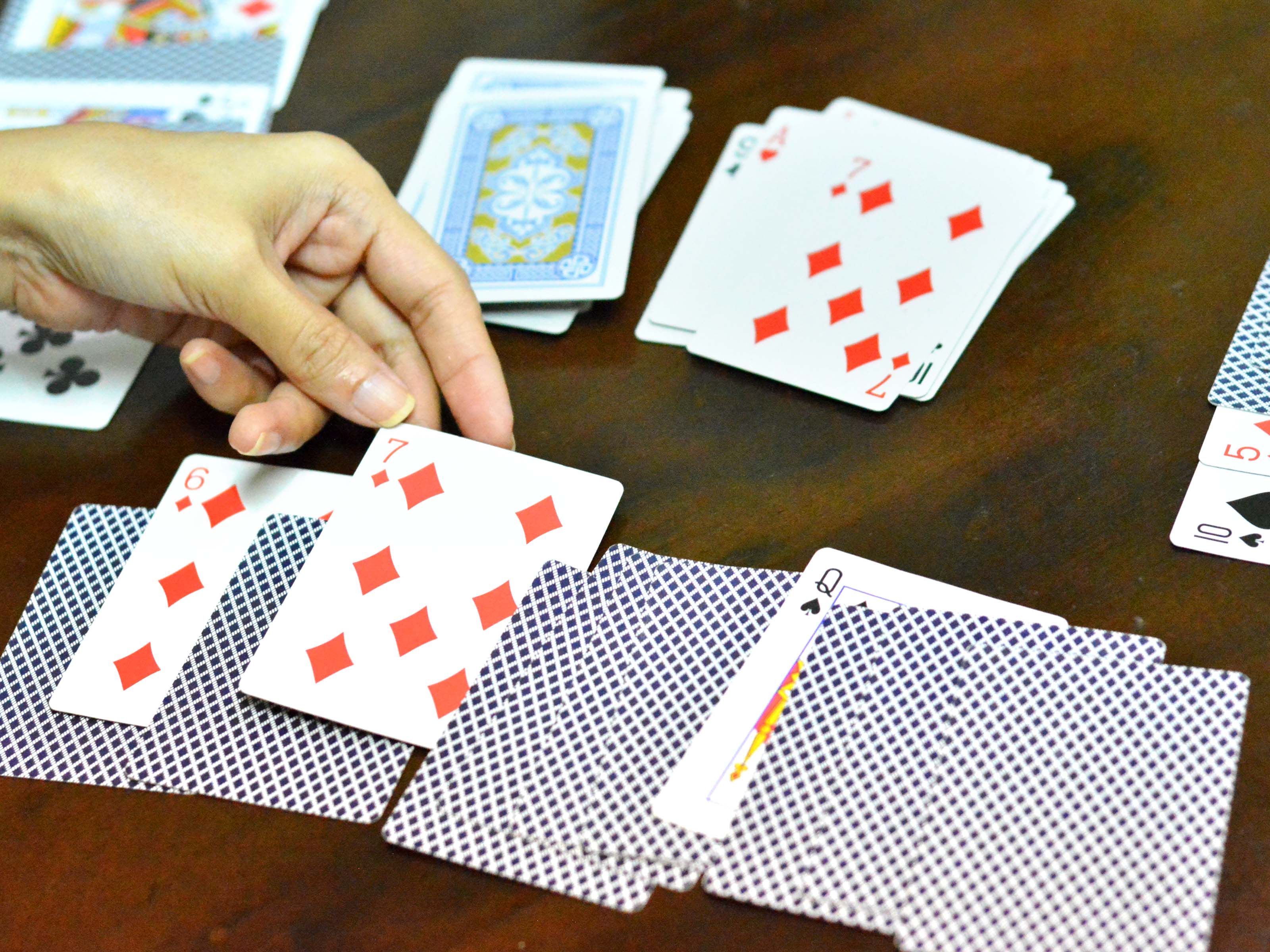
Card Bingo is what happens when classic bingo walks into a card game night wearing a fresh deck of playing cards and a confident little grin. It has the suspense of traditional bingo, the simplicity of matching cards, and the beautiful chaos of someone shouting “Bingo!” three seconds before everyone else realizes they were one card away.
If you already know regular bingo, the idea will feel familiar: players wait for a caller to announce cards, then match those calls to the cards in front of them. Instead of numbered bingo boards and daubers, you use standard playing cards. That makes Card Bingo easy to set up at home, in classrooms, at senior activity events, during family gatherings, or anywhere people enjoy a quick game that does not require a 40-page rulebook and a referee in a striped shirt.
This beginner-friendly guide explains how to play Card Bingo in 4 simple steps, including setup, gameplay, winning rules, house variations, strategy tips, and real-world playing experiences. Grab two decks, clear the table, and prepare for the most dramatic moment in casual gaming: flipping over your last card while trying not to look too smug.
What Is Card Bingo?
Card Bingo is a simple matching game played with standard decks of cards. In the most common version, one deck is used to deal cards to players, while a second deck is shuffled and used by the caller. Each time the caller draws a card, they announce its rank and suit, such as “queen of hearts” or “seven of clubs.” Any player who has that exact card turns it over or covers it. The first player to match all their cards calls “Bingo!” and wins the round.
The game is sometimes called Playing Card Bingo, Bingo with Cards, or Hoy Bingo, depending on the group and local rules. Some versions use exact card matches, while others use only rank matches. Some use five cards per player, while others deal more cards for longer rounds. The best part is that the game is flexible. You can make it fast and silly for kids, calm and social for older adults, or lightly competitive for a family game night.
What You Need to Play Card Bingo
The basic supplies are refreshingly simple. You do not need a bingo cage, numbered balls, printed cards, or a mysterious machine that looks like it belongs in a 1970s community hall. For the easiest version, gather these items:
- Two standard 52-card decks with matching backs preferred
- Two or more players
- One caller or dealer
- A flat playing surface
- Optional chips, coins, buttons, or small markers
- Optional small prizes for friendly play
Remove jokers unless your group agrees to use them as wild cards. Beginners should skip wild cards at first because they can turn a peaceful game into a courtroom debate. Once everyone understands the basics, you can add house rules for extra fun.
How to Play Card Bingo in 4 Steps
Step 1: Choose a Caller and Deal the Cards
Start by choosing one person to be the caller. The caller controls the draw deck and announces each card. This role is perfect for someone who enjoys being dramatic, loud enough to be heard, and responsible enough not to “accidentally” skip the card their cousin needs.
Shuffle both decks separately. From the first deck, deal five cards face up to each player. Players should arrange their cards in a neat row or small grid so they can easily see every card. The second deck stays with the caller and becomes the draw pile.
Five cards per player is the most beginner-friendly setup because it keeps rounds quick. For a longer game, you can deal ten cards per player or let each player manage multiple groups of five cards. Just remember: more cards mean more excitement, but also more opportunities for someone to miss a called card while reaching for snacks.
Step 2: The Caller Draws and Announces Cards
The caller draws one card at a time from the second deck and announces it clearly by rank and suit. For example, the caller might say, “nine of spades,” “ace of diamonds,” or “king of clubs.” The exact announcement matters because Card Bingo is usually based on matching the full card, not just the number or face value.
After calling the card, the caller places it face up in a discard area. This creates a visible record of called cards, which is helpful if someone asks, “Did you already call the four of hearts?” five minutes after everyone else has moved on emotionally.
Players check their face-up cards. If a player has the exact card called, they turn that card face down. Some groups cover matched cards with chips instead of turning them over. Either method works, but turning cards face down is the simplest and requires no extra supplies.
Step 3: Match, Flip, and Stay Alert
As cards are called, players continue flipping or covering matching cards. The goal is to mark every card in your personal layout before anyone else does. The key skill is attention. Card Bingo is not difficult, but it rewards players who listen closely and keep their cards organized.
For younger players, it helps to group cards by suit: hearts together, diamonds together, clubs together, and spades together. For adults, especially in larger groups, it helps to repeat the call once. A caller might say, “Ten of clubs. Again, ten of clubs.” This avoids confusion and reduces the number of suspicious looks from the far end of the table.
Players should not move cards around after the game begins unless house rules allow it. Keeping cards in the same position makes it easier to verify a win. It also prevents the classic “I swear this was already flipped” situation, which has ended more family games than anyone wants to admit.
Step 4: Call “Bingo!” and Verify the Win
The first player to flip or cover all their cards calls “Bingo!” The caller then checks that each card in the winning player’s layout was actually called. If everything matches, that player wins the round.
If the player called too early, the game continues. This is known in many bingo circles as a false bingo, and it is usually punished with laughter, not exile. For casual games, simply uncover the mistaken card and keep playing. For competitive groups, you may create a house rule, such as sitting out one call after a false bingo. Use this carefully. Family peace is worth more than one card game.
Example Round of Card Bingo
Imagine four players: Mia, Jordan, Chris, and Taylor. The caller deals five face-up cards to each player. Mia has the two of hearts, king of clubs, six of diamonds, ace of spades, and nine of hearts. The caller begins drawing from the second deck.
The first call is “six of diamonds.” Mia flips her six of diamonds. The next call is “queen of spades.” Nobody has it, so nothing happens. Then comes “king of clubs.” Mia flips another card. After several calls, Mia has only the ace of spades left. The caller draws again and announces, “ace of spades.” Mia flips her last card and calls “Bingo!”
The caller checks the called-card pile and confirms that all five of Mia’s cards were announced. Mia wins the round and earns the unofficial title of Card Bingo Champion, which lasts until the next round or until someone demands a rematch.
Popular Card Bingo Variations
Rank-Only Card Bingo
In this easier version, players match only the rank of the card, not the suit. If the caller announces “seven of hearts,” any player with any seven may flip it. This version is faster and works well for children, large groups, or players who are still learning suits.
Grid Card Bingo
Instead of dealing five cards in a row, deal nine cards in a three-by-three grid or twenty-five cards in a five-by-five grid. Players win by completing a row, column, diagonal, four corners, or full blackout. This variation feels more like traditional bingo and can make the game last longer.
Multiple-Hand Card Bingo
Players can manage two or three sets of five cards at once. Each set acts like a separate bingo card. This adds excitement and gives players more chances to win, but it also requires sharper focus. It is a great option for experienced players who enjoy multitasking without pretending it is relaxing.
Prize Round Card Bingo
For parties, use small prizes. The first winner gets first pick from a prize table, the second winner gets another prize, and so on. Keep prizes simple: candy, stickers, novelty socks, coffee gift cards, or the highly respected “you do not have to clean up the cards” reward.
Card Bingo Strategy Tips
Card Bingo is mostly a game of chance, but smart habits can help you avoid mistakes and enjoy the game more. First, arrange your cards clearly before the round begins. A messy layout makes it easy to overlook a match. Second, listen for both rank and suit. The difference between the ten of hearts and the ten of diamonds matters in the standard version.
Third, do not rush your “Bingo!” call. Take one quick glance at your cards before shouting. Calling too early is funny once, awkward twice, and suspicious by the third time. Fourth, if you are the caller, speak slowly and clearly. The caller sets the rhythm of the game. A good caller keeps the energy moving without sounding like an auctioneer selling livestock.
Finally, agree on house rules before starting. Decide whether players must match exact cards or ranks only, whether jokers are included, whether multiple winners can share a round, and what happens after a false bingo. Clear rules at the beginning prevent arguments later.
Is Card Bingo Good for Kids?
Yes, Card Bingo can be excellent for kids because it helps them practice number recognition, suits, matching, listening skills, and patience. For younger children, use rank-only matching or remove face cards at first. You can also call cards slowly and hold each drawn card up for everyone to see.
For classroom or homeschool use, Card Bingo can support math practice. Number cards can be used for addition, subtraction, greater-than comparisons, or probability conversations. For example, before the caller draws, ask players how many hearts are in a deck or how many cards are face cards. Suddenly, game night has become learning time, but in disguise. Very sneaky. Very effective.
Is Card Bingo Good for Seniors?
Card Bingo is also popular in senior activity settings because it is easy to learn, social, and adaptable. Large-print cards can make the game more accessible. A caller can show each card while announcing it, which helps players who may have hearing challenges. Slower pacing also makes the game relaxing rather than stressful.
The game encourages attention, recognition, memory, and friendly conversation. It can be played casually without betting or pressure. For group activities, consider awarding small treats to the first few winners instead of ending the round after one person wins. That keeps more players involved and spreads the joy around.
Card Bingo vs. Traditional Bingo
Traditional American bingo usually uses numbered cards arranged in a five-by-five grid. A caller announces number-letter combinations, and players mark matching spaces until they complete a required pattern. Card Bingo uses playing cards instead of numbered bingo sheets, but the core excitement is similar: listen, match, mark, and call “Bingo!” before someone else does.
The biggest advantage of Card Bingo is convenience. Most households already have a deck or two of cards. It is also easier to reset between rounds. There are no printed cards to prepare, no daubers to refill, and no tiny bingo balls rolling under the couch to be discovered during spring cleaning.
Common Mistakes Beginners Make
Using Only One Deck
The simplest version needs two decks: one for player cards and one for the caller. If you use only one deck, the caller may draw cards that are already in players’ layouts, which breaks the matching system unless you are playing a different variation.
Forgetting to Remove Jokers
Jokers can be fun, but beginners should remove them. If you include jokers, decide whether they count as wild cards, automatic matches, bonus cards, or nothing at all.
Calling Too Fast
A fast caller can turn a friendly game into a panic drill. Give players enough time to check their cards before moving to the next draw.
Not Verifying the Winner
Always verify the winning cards against the called pile. This keeps the game fair and avoids accidental wins.
Responsible Play Note
Card Bingo is best enjoyed as a casual social game. If your group adds money, prizes, or wagers, make sure play is legal in your location and keep stakes small. Set a budget, agree on limits before the game starts, and treat the game as entertainment rather than a way to make money. If real-money gambling stops feeling fun, pause and seek support from appropriate responsible gaming resources.
Experiences Related to Playing Card Bingo
The first time many people play Card Bingo, they expect it to be almost too simple. Five cards, one caller, flip when matchedhow exciting can that be? Then the round gets down to the last few cards, and suddenly everyone is leaning forward like they are waiting for a championship penalty kick. That is the secret charm of Card Bingo. It takes a tiny idea and turns it into a room full of suspense.
In family settings, Card Bingo works especially well because different ages can play together. Grandparents do not need to learn complicated strategy, kids can understand the matching concept quickly, and adults can join without spending half the evening explaining rules. The game also creates natural little moments of comedy. Someone celebrates the jack of hearts before realizing they have the jack of diamonds. Someone else whispers “Come on, three of clubs” as if the deck is open to negotiation. The caller inevitably develops a game-show voice by round two.
One useful experience from hosting Card Bingo is that pacing matters more than people expect. If the caller moves too quickly, beginners feel lost. If the caller moves too slowly, energetic players start drifting into side conversations. The sweet spot is steady and clear: draw, announce, show the card, pause, then continue. When playing with children or seniors, showing the card is just as important as saying it. Visual confirmation keeps everyone included.
Another lesson is that table layout can make or break the game. Players should have enough space to spread their cards without overlapping. In crowded games, cards get nudged, flipped accidentally, or hidden under elbows. A neat layout keeps the game fair and prevents confusion. For larger groups, using oversized cards for the caller is a fantastic upgrade because everyone can see what was drawn.
Prizes also change the mood. Even tiny rewards can make the game feel festive. A wrapped candy, a sticker, a silly trophy, or first pick from a snack bowl can turn a normal round into an event. However, the best Card Bingo sessions usually keep the tone light. The goal is not to crush your opponents with elite bingo dominance. The goal is to laugh, listen, match cards, and enjoy the shared suspense.
Card Bingo is also a great travel game. Two decks fit easily into a bag, and the rules can be taught in under two minutes. It works in cabins, classrooms, community rooms, family reunions, rainy-day vacations, and holiday gatherings. Unlike games that require deep strategy or long attention spans, Card Bingo lets people talk while playing. It is social first and competitive second, which is why it has such broad appeal.
After several rounds, many groups naturally invent house rules. Some add blackout rounds, where every card must be matched. Some allow two winners per round. Some create themed calls, where the caller must announce cards in a dramatic accent or with a funny phrase. These little traditions make the game memorable. The rules are simple, but the experience belongs to the people around the table.
Conclusion
Learning how to play Card Bingo takes only a few minutes, but the game can entertain a group for much longer. With two decks of cards, a caller, and a simple matching goal, you can create a lively game that works for kids, adults, seniors, parties, classrooms, and family nights. Start with the basic 4-step version: choose a caller and deal cards, draw and announce cards, flip matches, and call “Bingo!” when every card is covered.
Once everyone understands the basics, experiment with variations like rank-only matching, grid layouts, multiple hands, or prize rounds. Keep the rules clear, the calls steady, and the mood friendly. Card Bingo is not about complicated tactics or serious competition. It is about that tiny burst of joy when your last card finally gets called and you shout “Bingo!” like you just solved a mystery, won a trophy, and defeated destiny all at once.
Note: This article is written for casual, educational, and entertainment use. Always adjust rules for your group, follow local laws if prizes or wagers are involved, and keep the game friendly and responsible.