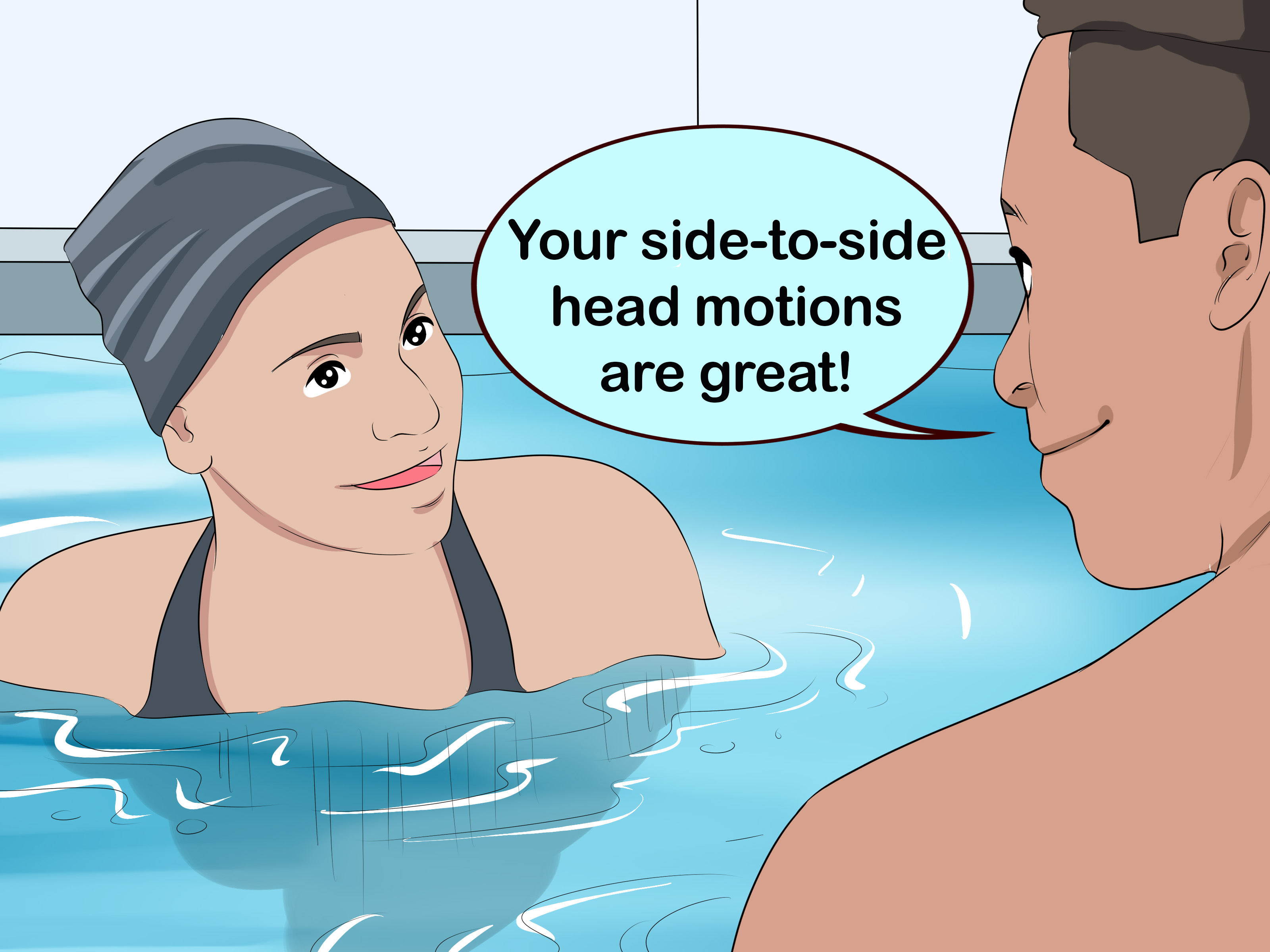
Teaching an adult to swim is not the same as teaching a child, and thank goodness for that. Adults usually arrive with better listening skills, clearer goals, and a deep appreciation for not being told to “just jump in.” They may also bring fear, embarrassment, past bad experiences, stiff shoulders, busy schedules, and the slightly tragic belief that everyone else was born knowing how to float like a vacation brochure model.
The good news? Adults can absolutely learn to swim. In fact, many adult beginners progress quickly once they feel safe, respected, and in control. The secret is not forcing speed. It is building comfort first, then adding breathing, floating, kicking, gliding, and strokes in a logical order. Think of it like learning to drive: nobody starts on the freeway while drinking coffee and changing lanes. You begin in a quiet parking lot. Swimming should start the same waycalm, shallow, and free of drama.
This guide explains how to teach an adult to swim using practical lessons, safety-first methods, confidence-building drills, and pro tips that work in real pools with real people. Whether you are a swim instructor, a patient friend, a partner, or an adult learner helping yourself, the goal is simple: turn water from “nope” into “I can do this.”
Why Adult Swim Lessons Need a Different Approach
Adults learn differently from children. They are often goal-oriented, self-directed, and motivated by practical reasons: safety, fitness, travel, parenting, triathlon training, recovery from injury, or finally enjoying the hotel pool without clinging to the steps like a decorative barnacle.
Because adults bring life experience, they also bring stories. Some never had access to lessons. Some grew up in families where swimming was not common. Others had a scary moment in water years ago and never forgot it. A good teacher does not dismiss that history. A good teacher uses it to build trust.
Start With a Conversation, Not a Kickboard
Before the first lesson, ask simple questions:
- Have you ever had swim lessons before?
- Are you afraid of putting your face in the water?
- Can you stand comfortably in shallow water?
- What is your main goal: safety, fitness, vacation swimming, deep-water confidence, or stroke improvement?
- Do you have any injuries, medical concerns, or mobility limitations?
This short conversation prevents a common mistake: teaching the lesson you planned instead of the lesson the adult actually needs.
Safety Comes First: The Non-Negotiables
Adult swim instruction should always begin with water safety. Learning strokes is wonderful, but water competency is broader than looking elegant in freestyle. A water-competent swimmer knows how to enter the water safely, resurface, float or tread, turn around, move toward safety, and exit the water.
Choose the Right Learning Environment
Use a calm, clean, lifeguarded pool whenever possible. The best beginner area is shallow enough for the learner to stand with their head above water. Warm water helps because cold water can make tense adults even tenser. A crowded lap lane at peak gym hour is not ideal unless the goal is learning to swim while dodging elbows and existential dread.
Use Safety Layers
For beginners, especially those practicing around open water, safety layers matter. These include active supervision, basic water competency, properly fitted U.S. Coast Guard-approved life jackets when appropriate, emergency preparation, and safe barriers around home pools. A life jacket is not a substitute for swim lessons, but it is a valuable safety tool in boating, paddling, lakes, rivers, and other open-water situations.
Never Force Submersion
Forcing an adult to put their face underwater can destroy trust in five seconds flat. Start with control. Let the learner splash water on their cheeks, dip the chin, blow bubbles at the surface, then gradually lower the mouth, nose, and eyes. The adult should always know what is coming next.
The First Lesson: Build Comfort Before Technique
The first adult swim lesson should feel boring in the best possible way. No heroic deep-end moments. No dramatic rescue practice. No “sink or swim” nonsense. The first goal is to help the learner discover that water can support them.
Step 1: Enter and Exit Calmly
Begin at the steps or ladder. Practice entering slowly, holding the rail, and standing in waist- or chest-deep water. Then practice exiting. It sounds simple, but for nervous adults, knowing they can leave the pool whenever they want reduces anxiety.
Step 2: Walk, Turn, and Regain Balance
Have the learner walk forward, backward, and sideways in shallow water. Ask them to turn in a circle and regain balance without grabbing the wall. This teaches body awareness and shows that water resistance is manageable.
Step 3: Practice Breath Control
Breathing is the bridge between fear and swimming. Many adult beginners instinctively hold their breath, which increases tension. Teach them to inhale above water and exhale slowly into the water. Start with humming, blowing bubbles through the mouth, then bubbling through the nose.
A useful cue is: “Smell the flowers, blow out the candles.” Yes, it sounds like kindergarten yoga, but it works. Adults deserve simple cues too.
Step 4: Introduce Supported Floating
Floating can feel strange because it requires surrendering control. Start with back floating while the learner holds the wall or rests their head on a kickboard. Support the upper back if needed. Encourage relaxed breathing, soft knees, and eyes looking upward.
For front floating, begin with hands on the wall, face near the water, then face in the water while blowing bubbles. Keep the float short: two seconds, five seconds, then ten. Small wins build confidence.
Lesson Progression: From Water Comfort to Swimming
Once the adult is comfortable standing, breathing, and floating, you can begin connecting skills. A smart progression prevents overwhelm and helps the learner understand why each drill matters.
Lesson 1: Water Comfort and Breathing
Focus on entering, exiting, walking, balance, face wetting, bubble blowing, and supported floats. The learner should finish thinking, “That was manageable,” not “I need a nap and a new personality.”
Lesson 2: Floating, Gliding, and Recovery
Teach front float to stand, back float to stand, and push-off glides from the wall. The recovery is just as important as the float. Adults relax more when they know how to return to standing.
Lesson 3: Kicking With Support
Introduce flutter kicks using the wall, a kickboard, or light hand support. Keep the legs long and relaxed. Many beginners kick from the knees like they are pedaling an invisible bicycle. Cue them to kick from the hips with soft ankles.
Lesson 4: Combining Glide, Kick, and Breath
Now connect a push-off glide with gentle kicking and controlled exhalation. Keep distances short. Swimming five calm yards is better than thrashing fifteen yards and looking like a blender with regrets.
Lesson 5: Front Crawl Basics
Teach freestyle arms slowly. Start standing in shallow water, practicing one arm at a time. Then combine arms with kicking while the learner keeps the face in the water and turns or lifts to breathe as appropriate. Do not rush side breathing. Breathing coordination is often the hardest part for adults.
Lesson 6: Backstroke and Resting Skills
Backstroke is useful because the face stays out of the water. Teach back float, gentle kicking, and alternating arms. Also practice resting positions, such as floating on the back, rolling from front to back, and treading water with relaxed movements.
Pro Tips for Teaching an Adult to Swim
Use Respectful Language
Avoid babyish phrases or teasing. Adult learners may already feel vulnerable. Replace “Don’t be scared” with “You are in control; we’ll take one step at a time.” Replace “That’s easy” with “This takes practice, and you’re improving.”
Teach One Skill at a Time
Adults often try to think through every body part at once: head, arms, legs, air, water, dignity. Too many instructions create panic. Give one cue per attempt. For example: “This time, only focus on slow bubbles.” Then: “This time, keep your legs long.”
Make Progress Visible
Adults love proof. Mark progress in measurable steps: stood comfortably in chest-deep water, blew bubbles for ten seconds, floated independently, glided five yards, swam across the shallow end. These milestones turn vague improvement into motivation.
Normalize Fear
Fear of water is not silly. For some adults, it is connected to panic, embarrassment, or trauma. Gradual exposure, predictable instruction, and repeated safe experiences can help reduce fear over time. If the fear is intense or feels like a phobia, encourage support from a qualified mental health professional alongside swim instruction.
Keep Lessons Short and Consistent
Two or three shorter practices per week often beat one exhausting marathon session. Fatigue makes technique sloppy and anxiety louder. A 30- to 45-minute lesson is plenty for many beginners.
Common Mistakes to Avoid
Mistake 1: Starting in Deep Water
Deep water may look efficient, but for beginners it often triggers survival mode. Start where the learner can stand. Confidence grows faster when the brain is not composing a farewell letter.
Mistake 2: Overusing Flotation Devices
Kickboards, noodles, and belts can help, but they should not become permanent crutches. Use them to introduce a skill, then gradually reduce support. The goal is independent balance and movement.
Mistake 3: Ignoring Breathing
If breathing is tense, everything else collapses. Prioritize exhaling underwater early. Smooth breathing makes floating easier, kicking calmer, and strokes more efficient.
Mistake 4: Chasing Perfect Technique Too Soon
A beginner does not need Olympic-level freestyle. They need safe, repeatable movement. Technique refinement comes after comfort, breathing, and basic propulsion.
A Simple Adult Beginner Swim Plan
Here is a practical plan for an adult learner practicing twice a week. Adjust the pace based on comfort, not ego.
Weeks 1–2: Comfort and Control
Practice pool entry, walking, balance, bubbles, face wetting, supported floats, and standing recovery. Goal: feel calm in shallow water and understand basic breath control.
Weeks 3–4: Floating and Movement
Add front and back floats, wall push-offs, glides, flutter kicks, and short assisted swims. Goal: move through the water without panic.
Weeks 5–6: Stroke Foundations
Introduce freestyle arms, backstroke basics, rhythmic breathing, and short swim-float-swim patterns. Goal: swim short distances with control and recover to a safe position.
Weeks 7–8: Endurance and Water Competency
Practice swimming 25 yards, floating or treading for one minute, turning around, finding an exit, and climbing out without relying on a ladder when appropriate. Goal: build practical water safety and confidence.
How to Help an Adult Practice Between Lessons
Practice does not have to be complicated. The learner can stand in shallow water and repeat bubbles, floats, glides, and relaxed kicking. They can also practice breathing rhythm outside the pool: inhale through the mouth, exhale slowly through the nose or mouth, and relax the shoulders.
Encourage a swim journal. After each session, the learner can write three things: what improved, what felt difficult, and what to practice next. This keeps progress grounded and prevents one frustrating day from feeling like failure.
What Makes a Great Adult Swim Instructor?
A strong adult swim instructor is patient, clear, safety-minded, and emotionally intelligent. Certification in swim instruction, CPR, first aid, and water safety is valuable. But beyond credentials, the instructor must understand adult learners.
Great instructors explain the “why” behind drills. They demonstrate without showing off. They ask permission before providing physical support. They celebrate small victories without turning the pool into a motivational poster factory.
When Is an Adult Ready for Deep Water?
An adult beginner is ready for deep-water practice only when they can float, roll from front to back, tread or rest calmly, swim a short distance, and follow instructions without panic. Deep water should be introduced gradually, ideally with a qualified instructor and lifeguard present.
Start near the wall. Practice entering, resurfacing, floating, treading, turning, and returning to the wall. The deep end should be treated as a new environment, not a graduation ceremony with chlorine.
Real Experiences From Teaching Adults to Swim
One of the most memorable things about adult swim lessons is how personal they are. A child may learn to swim because their parents signed them up. An adult usually shows up with a reason that matters deeply. Maybe they want to play with their kids in the pool instead of watching from a chair. Maybe they are going on a beach vacation and are tired of pretending they “just prefer reading.” Maybe a doctor suggested low-impact exercise. Maybe they simply decided that this is the year fear stops making the schedule.
In many beginner lessons, the first breakthrough is not a stroke. It is the moment the learner realizes they can stand in chest-deep water and breathe normally. That may not sound dramatic, but it is huge. I have seen adults enter the pool with shoulders up around their ears, hands gripping the wall, and eyes scanning for the nearest exit. Ten minutes later, after slow walking and bubble practice, their shoulders drop. They laugh. The water is still water, but now it feels less like an enemy and more like an unfamiliar coworker they might eventually tolerate.
Another common experience is the “floating surprise.” Many adults believe they will sink instantly. When they finally experience supported back floating, the look on their face is priceless. It is part shock, part pride, and part “why did nobody tell me physics was on my side?” Floating teaches trust. It also teaches that swimming is not about fighting water; it is about working with it.
Breathing is often the funniest and most frustrating chapter. Adult beginners frequently hold their breath underwater, pop up gasping, and announce, “I forgot to breathe.” Technically, they did not forget; they just have not learned the aquatic version yet. Once they master slow bubbles, everything changes. Their kicks soften. Their bodies rise. Their strokes stop looking like a negotiation with gravity.
Progress is rarely perfectly linear. One lesson may feel amazing, and the next may feel awkward. That is normal. Adults have jobs, stress, sleep debt, and bodies that occasionally file complaints. The best approach is to keep returning to fundamentals: breathe, float, glide, recover. These basics are not beginner leftovers; they are the foundation of every confident swimmer.
The most rewarding moment comes when an adult swims a short distance independently for the first time. It may be only five yards. It may include crooked kicking and an accidental snort of pool water. It still counts. The learner stands up, wipes their face, and realizes they did something they once thought was impossible. That confidence often travels beyond the pool. Learning to swim as an adult is not just about water. It is proof that the brain and body can still learn, adapt, and surprise youin the best possible way.
Conclusion
Teaching an adult to swim requires patience, structure, humor, and respect. Start with safety and comfort. Build breath control before strokes. Use shallow water before deep water. Celebrate small wins. Most importantly, remember that adult beginners are not “late.” They are right on time for their own journey.
With the right lessons and pro tips, an adult can move from fear to confidence, from wall-clinging to floating, and from “I can’t swim” to “I’m learning.” That shift is powerful. And yes, it may come with a little pool water up the nose. Consider it part of the tuition.