A ranch house is a little like a favorite pair of jeans: practical, comfortable, and sometimes desperately in need of a glow-up. The classic single-story ranch has good bones, easy access, and a layout that makes everyday living feel wonderfully uncomplicated. But from the street? Many older ranch homes can look flat, tired, or stuck somewhere between “1958 optimism” and “please don’t look directly at the garage.”
This rehab diary follows the transformation of a plain ranch exterior into a warm, rustic facade with modern function. Think natural textures, board-and-batten siding, stone veneer, wood accents, better lighting, a stronger entryway, and landscaping that says, “Yes, adults live here, and they own pruning shears.” The goal is not to turn a ranch into a mountain lodge costume party. The goal is to respect the home’s low, horizontal shape while giving it depth, character, and curb appeal.
Why a Rustic Facade Works So Well on a Ranch House
Ranch-style homes are known for their long, low profiles, open layouts, large windows, attached garages, and easy indoor-outdoor flow. Those same features make them excellent candidates for rustic exterior updates. A ranch facade already hugs the landscape, so natural materials such as stone, wood, fiber cement, and earthy paint colors feel right at home.
The trick is balance. Too much rustic detail can make the house look like it is auditioning for a maple syrup commercial. Too little, and the makeover disappears from the curb. The best rustic ranch exterior remodels use texture strategically: stone at the base, vertical siding at a gable or entry, wood posts around the porch, matte black hardware, and layered landscaping to soften the foundation.
The Before: Flat, Faded, and a Little Too Shy
Before the renovation, this ranch house had the usual suspects: faded siding, undersized shutters, a front door that looked like it had emotionally resigned, and a garage door dominating the entire facade. The roofline was low and simple, which is normal for a ranch, but without trim, lighting, or material contrast, the house felt visually compressed.
The front walkway was narrow, the landscaping was sparse, and the porch light gave off the energy of a hallway bulb in a motel. Nothing was structurally disastrous, but everything felt unfinished. The house did not need a mansion makeover. It needed confidence, rhythm, and a few well-placed rustic details.
The Design Plan: Add Texture, Not Clutter
The renovation plan focused on five major upgrades: siding, stone veneer, entry details, lighting, and landscaping. Instead of adding random decorative pieces, each update had a job. The stone grounded the house. The board-and-batten siding added vertical movement. The wood posts warmed up the porch. The paint palette tied everything together. The landscaping softened the edges and made the house look settled rather than recently dropped from a delivery truck.
1. Board-and-Batten Siding for Height
Ranch houses are naturally horizontal. That is part of their charm, but it can also make them look squat. Board-and-batten siding is a smart way to introduce vertical lines without changing the roofline. Used around the front entry or on a gable, it draws the eye upward and gives the facade a cleaner, more architectural feel.
Fiber cement board-and-batten is especially popular because it can mimic wood while offering strong resistance to pests, moisture, and fire. For a rustic ranch facade, a soft warm white, greige, clay, taupe, sage, or muted charcoal can work beautifully. The key is to choose a color that complements the roof, stone, and surrounding landscape rather than fighting them like a toddler in a grocery aisle.
2. Stone Veneer to Ground the Exterior
Stone veneer is one of the most effective ways to give a ranch house instant rustic character. It works particularly well as a wainscot along the lower front wall, around porch columns, beside the entry, or on a chimney. Because many ranch homes have long front elevations, a continuous stone base can break up the siding and create a sense of permanence.
Manufactured stone veneer is lighter and easier to install than full-depth natural stone, which makes it a practical choice for many remodels. The most convincing results come from choosing a stone profile that looks regional and believable. A soft gray ledgestone, warm limestone blend, or fieldstone-inspired veneer usually feels more timeless than high-contrast “designer rock” that looks like it came from a theme restaurant.
3. A Front Porch That Finally Says Hello
The front entry is the handshake of the house. If it is weak, the whole facade feels uncertain. For this ranch rehab, the porch area became the emotional center of the remodel. Chunky wood posts replaced skinny supports, the front door received a deeper stain, and simple trim made the entry look intentional.
A rustic ranch porch does not need to be huge. Even a modest covered stoop can feel welcoming with the right proportions. Wood columns, a stained tongue-and-groove ceiling, black metal railings, or a simple bench can make a dramatic difference. Add a large planter or two, and suddenly the entry looks like it knows what it is doing.
4. Earthy Paint Colors Instead of Harsh Contrast
A rustic facade usually looks best with colors pulled from nature. Warm whites, mushroom grays, clay beige, deep olive, charcoal, bronze, and muted brown all work well on ranch exteriors. Stark white with jet-black accents can look sharp, but for a rustic mood, softer contrast often feels more inviting.
For this project, the main siding color stayed warm and neutral, while the trim moved slightly darker. The front door became a rich wood tone, and the garage door was painted to blend with the body of the house. That last choice matters. On many ranch homes, the garage is the loudest visual feature. Painting it a quieter color helps the entry take center stage instead of letting the garage shout, “I store holiday bins!”
Building Science: The Unsexy Hero of the Facade
Beautiful exterior materials are wonderful, but water management is the real hero behind a lasting remodel. Siding, stone, trim, and windows all need proper flashing, drainage, and water-resistive barriers. This is especially important with stone veneer, because masonry-style materials can hold moisture if installed poorly.
Before the new facade went on, the wall system needed careful inspection. Any rot, damaged sheathing, failing caulk, or old flashing had to be corrected. Window and door openings needed proper flashing so water could drain outward, not sneak behind the cladding and start a tiny mold convention. A rustic exterior should look relaxed, but behind the scenes it should be detailed like a very serious spreadsheet.
Windows and Trim: Bigger Impact Than Expected
Windows are often overlooked in ranch exterior renovations, but they can completely change the look of the house. If replacement windows are part of the budget, energy-efficient units with appropriate ratings for the local climate can improve comfort as well as appearance. If new windows are not in the plan, trim can still help.
Thicker casing around the windows gave this ranch more definition. The trim color was selected to contrast gently with the siding, not scream from across the neighborhood. Rustic design depends on shadow lines, depth, and material honesty. Window trim creates those shadow lines without needing complicated architecture.
The Garage Door Problem
Many ranch homes have a front-facing garage, and ignoring it is like ignoring a rhinoceros in the living room. You can try, but everyone knows. The garage door should support the design rather than dominate it.
For a rustic ranch house, a carriage-inspired garage door, a wood-look steel door, or a simple paneled door in a body-matching color can work well. Decorative hardware should be used carefully. A little black metal can add charm. Too much can make the door look like it is wearing costume jewelry.
In this rehab, the garage door was kept simple and painted to coordinate with the siding. The result made the front door, stonework, and porch posts feel more important. Sometimes the best design move is not making an element louder. Sometimes it is politely asking it to sit down.
Lighting: Rustic, Practical, and Not Tiny
Exterior lighting is one of the easiest ways to upgrade curb appeal, but scale matters. Many older ranch homes have tiny porch lights that look like they were selected by someone afraid of illumination. Larger lantern-style fixtures in black, bronze, or aged brass can make the entry feel more substantial.
The best lighting plan includes layers: a statement fixture near the front door, subtle garage lighting, pathway lights, and maybe soft uplighting for a tree or stone wall. Warm light works better than cool, bluish light for a rustic facade. The goal is cozy evening charm, not airport runway realism.
Landscaping: The Facade’s Best Supporting Actor
No ranch exterior makeover is complete without landscaping. Because ranch homes sit low, plants help connect the structure to the ground. A layered plan works best: low evergreens near the foundation, ornamental grasses for movement, perennials for color, and one or two small ornamental trees for height.
For a rustic look, choose plants that feel natural rather than overly formal. Boxwoods can work, but mix them with grasses, hydrangeas, lavender, salvia, coneflowers, or native shrubs depending on the region. Mulch, stone edging, and a wider walkway can make the whole yard feel finished. The plants do not need to be fancy. They simply need to stop the house from looking like it is standing in a parking lot.
Budget Priorities for a Rustic Ranch Exterior Remodel
Not every homeowner can replace siding, add stone veneer, install new windows, build a porch, and redo the landscape all at once. The good news is that ranch houses respond well to phased improvements. Start with the changes that create the biggest visual impact and protect the structure.
High-Impact Upgrades
New siding, stone veneer accents, a stronger front entry, and a better garage door usually deliver the most noticeable transformation. If the siding is still in good condition, paint may be enough. If the siding is failing, replacement should move higher on the list because curb appeal is nice, but keeping rain out of the walls is nicer.
Affordable Weekend Wins
For smaller budgets, focus on paint, lighting, house numbers, planters, door hardware, a new mailbox, and landscaping cleanup. These updates can make an older ranch look loved in a single weekend. They will not solve structural issues, but they can buy time while you plan the larger work.
Common Mistakes to Avoid
The first mistake is mixing too many materials. A rustic ranch facade does not need stone, brick, cedar, metal panels, three siding profiles, and a front door color named “Emotional Pumpkin.” Choose two or three main materials and repeat them consistently.
The second mistake is ignoring proportions. Thin posts, tiny lights, narrow shutters, and undersized trim make a ranch house look weaker. Ranch homes benefit from simple, sturdy details. Think broad, grounded, and calm.
The third mistake is using stone veneer like wallpaper. Stone works best when it looks structurally believable: at the base, around columns, on a chimney, or near an entry. Random stone patches in the middle of a wall can look confusing, as if the house got dressed in the dark.
The After: Warm, Grounded, and Full of Character
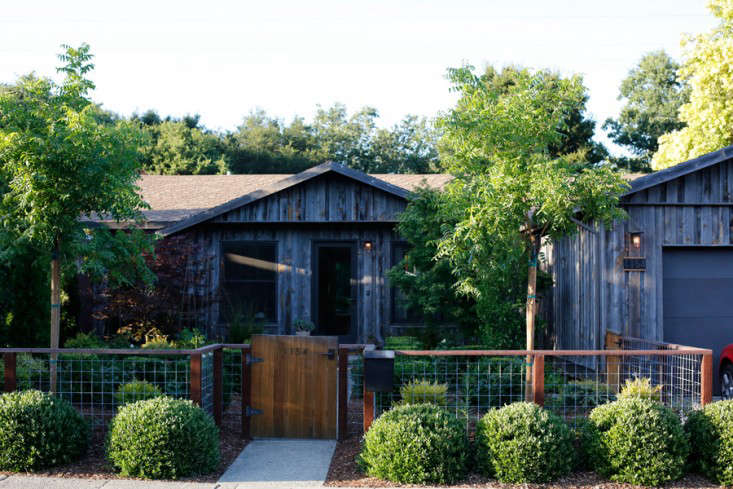
After the rehab, the ranch house looked like itself, only better. That is the sweet spot. The new rustic facade did not erase the home’s identity; it clarified it. The stone base made the house feel grounded. The vertical siding gave the entry height. The wood posts added warmth. The darker accents created definition. The landscaping softened the long lines.
Most importantly, the house finally had a focal point. Instead of the eye drifting across a flat wall and landing on the garage, visitors now notice the entry. The facade feels welcoming, comfortable, and quietly stylish. It is rustic without being rough, updated without being trendy, and charming without yelling, “I have a Pinterest board and I am not afraid to use it.”
Rehab Diary Notes: Real-World Experience From the Facade Makeover
Every exterior remodel teaches a few lessons, usually right after you thought you had everything figured out. The first lesson from this ranch house rehab is that samples are not optional. Siding colors, stone veneer, roofing, and wood stains change dramatically in outdoor light. A warm beige can turn pink at sunset. A gray stone can look blue in the shade. A wood stain can look perfect on a sample board and oddly orange once it covers a post. Testing materials on the actual house saved the project from several “well, that looked different online” moments.
The second lesson is that rustic design depends on restraint. At the start, it was tempting to add more: bigger brackets, extra stone, decorative shutters, heavier hardware, maybe a charming little cupola that absolutely no one asked for. But the ranch house looked better when the design stayed edited. The strongest choices were also the simplest: stone at the base, vertical siding at the entry, wood at the porch, and clean trim around the windows.
The third lesson is that trades need a clear sequence. Exterior work overlaps quickly. The siding installer needs to understand where the stone stops. The mason needs the flashing details ready before veneer begins. The electrician needs to know where the new lights are going before the walls are closed up. The painter needs final colors before trim installation gets too far ahead. A ranch facade may look simple from the street, but the schedule behind it can become a circus if nobody is holding the clipboard.
Another practical discovery: the entry matters more than almost anything else. At first, the plan spent too much attention on the long front wall. Once the porch posts, door stain, lighting, and walkway were upgraded, the entire house improved. People do not experience curb appeal as a technical elevation drawing. They experience it as a path: driveway, walkway, porch, door. If that sequence feels welcoming, the house feels welcoming.
There was also a landscaping lesson. New siding and stone can make old shrubs look even sadder, like they missed the renovation memo. Removing overgrown bushes opened the facade immediately. Replacing them with layered, lower-maintenance plantings made the home feel wider, cleaner, and more connected to the yard. The best part? Plants are forgiving. If one grass grows too large or one perennial sulks in the wrong spot, it can be moved. Stone veneer is not so flexible. Stone has opinions.
Finally, the biggest experience-based takeaway is this: do not chase a trend so hard that the house loses its natural personality. A ranch house does not need to pretend to be a farmhouse, a cabin, or a luxury lodge. The most successful rustic ranch facade keeps the home’s easygoing shape and adds warmth, texture, and durability. When done well, the remodel feels like the house finally got the outfit it always wanted: comfortable boots, a good jacket, and just enough polish to meet the neighbors.
Conclusion
A new rustic facade can completely transform a ranch house without changing its footprint. By combining board-and-batten siding, stone veneer, wood accents, earthy paint, stronger lighting, and layered landscaping, a plain ranch exterior can become warm, grounded, and full of curb appeal. The smartest remodels respect the home’s original lines while improving proportion, texture, and function.
Whether you are planning a full exterior renovation or starting with weekend upgrades, the formula is the same: fix moisture issues first, choose materials that make sense for your climate, keep the palette natural, and give the front entry the attention it deserves. A ranch house may be humble, but with the right rustic facade, it can become the most quietly charming home on the block.