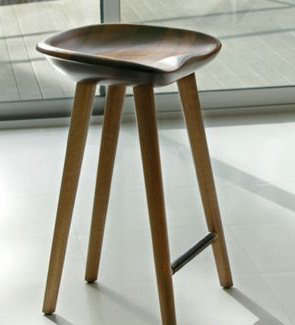
A tractor stool is what happens when farm equipment wanders into interior design, wipes its boots at the door, and somehow becomes the coolest seat in the room. With its scooped metal seat, sturdy base, and rustic-industrial personality, the tractor stool has become a favorite for kitchens, workshops, bars, patios, studios, and anywhere that could use a little “country grit meets design wit.”
At first glance, it looks simple: a stool shaped like an old tractor seat. But that humble curve carries a surprising amount of history, function, and style. The tractor seat shape was originally created for long hours of farm work, where a seat had to be tough, supportive, weather-resistant, and not afraid of dirt. Today, the same silhouette appears in adjustable bar stools, counter stools, garage seating, farmhouse kitchens, and designer furniture collections.
In other words, the tractor stool is not just a place to sit. It is a conversation starter with a work ethic.
What Is a Tractor Stool?
A tractor stool is a stool inspired by the contoured metal seats found on vintage tractors. Most versions feature a curved or saddle-like seat, often made from cast iron, steel, aluminum, or molded metal. The base may be fixed, adjustable, swivel-style, tripod-style, or built with a circular footrest.
Modern tractor stools come in several personalities. Some look like they rolled straight out of a barn and into a breakfast bar. Others are polished, colorful, and almost sculptural. You will find black, red, green, white, copper, bronze, and distressed metal finishes, plus models with wooden legs, screw-lift mechanisms, backrests, or padded seats.
Common Features of a Tractor Stool
Most tractor stools include one or more of these features:
- A scooped tractor-style seat that follows the shape of the body
- Durable metal construction, often cast iron or powder-coated steel
- Adjustable height for counter or bar seating
- A swivel mechanism for easy turning
- A footrest for comfort and stability
- Rubber feet or floor protectors to reduce scratches
- Rustic, industrial, farmhouse, or vintage styling
The result is a stool that feels practical, playful, and sturdy. It does not whisper in a room. It leans against the counter, tips its hat, and says, “Yes, I have opinions about reclaimed wood.”
A Short History: From Farm Fields to Furniture Fame
The tractor stool’s story begins with the agricultural tractor seat. Early tractor seats were often made of pressed or cast metal because metal could handle outdoor conditions, heavy use, and rough work. The scooped shape helped keep the driver positioned while working over uneven ground. It was not luxury seating, but it was purposeful.
Then designers noticed something interesting: the shape was already beautiful. It had curves, utility, and character. The tractor seat looked honest. It did not pretend to be a velvet lounge chair. It looked like it had paid taxes, mended a fence, and still made it home for dinner.
One of the most famous design examples is the Mezzadro stool, designed by Achille and Pier Giacomo Castiglioni in 1957. It used a tractor seat, steel, and wood to create a witty modern stool that blurred the line between everyday object and design icon. The idea was brilliant because it did not hide the tractor seat’s origin. It celebrated it.
That same spirit lives in today’s tractor stools. Whether mass-produced for kitchens or handmade from reclaimed parts, they keep the original idea alive: practical objects can be stylish when used with imagination.
Why Tractor Stools Are Popular in Modern Homes
The tractor stool has become popular because it checks several design boxes at once. It is compact, durable, eye-catching, and flexible. It fits into farmhouse kitchens, industrial lofts, modern rustic dining areas, outdoor bars, craft rooms, garden sheds, and garages.
1. It Adds Instant Character
Some furniture politely blends in. A tractor stool does not. Its curved seat and mechanical look add personality immediately. Place two at a kitchen island, and suddenly the space feels less like a showroom and more like a home with stories.
2. It Works with Farmhouse and Industrial Decor
Industrial farmhouse style often combines rustic wood, black metal, vintage finishes, open shelving, exposed hardware, and practical materials. Tractor stools fit naturally into that mix. They pair beautifully with butcher-block counters, shiplap walls, brick backsplashes, concrete floors, iron pendant lights, apron-front sinks, and reclaimed wood tables.
3. It Is Tough Enough for Real Life
Metal tractor stools are generally easier to wipe clean than upholstered stools. That makes them useful in kitchens, workshops, mudrooms, and family spaces. Spilled orange juice? Sawdust? A mysterious sticky spot created by a small human? A damp cloth usually solves the drama.
4. It Saves Space
Many tractor stools are backless, which means they can slide under counters when not in use. This is helpful in small kitchens, apartments, studios, and narrow breakfast bars. They provide seating without visually crowding the room.
Tractor Stool Styles: Which One Fits Your Space?
Vintage Industrial Tractor Stool
This style usually features aged metal, visible bolts, dark finishes, and a workshop-inspired base. It looks excellent in lofts, garages, man caves, studios, breweries, and kitchens with exposed brick or black hardware.
Farmhouse Tractor Stool
Farmhouse versions often come in white, black, red, green, or distressed finishes. They work well with warm wood, shaker cabinets, apron sinks, woven baskets, and relaxed family kitchens. Add a few at a kitchen island and your home instantly feels like it owns at least one pie cooling rack.
Modern Tractor Stool
Modern versions may have cleaner lines, polished metal, slimmer legs, or brighter colors. These stools work in minimalist kitchens, contemporary dining spaces, and eclectic interiors where one sculptural piece can add energy without clutter.
Outdoor Tractor Stool
Outdoor-friendly tractor stools should have weather-resistant finishes, stable bases, and materials designed for patios or covered porches. Powder-coated metal is a smart choice because it helps resist rust. Still, if the stool lives outdoors, covering it or bringing it inside during harsh weather will extend its life.
How to Choose the Right Tractor Stool
A tractor stool may look charming, but buying one should involve more than pointing at the screen and saying, “That one has barn vibes.” Here are the practical details that matter.
Measure the Height First
For standard kitchen counters, a counter-height stool usually has a seat height around 24 to 27 inches. For taller bar-height surfaces, bar stools are commonly around 28 to 33 inches high. The goal is to leave enough space between the seat and the underside of the counter so people can sit comfortably without folding themselves like a lawn chair.
If you are unsure, choose an adjustable tractor stool. Screw-lift and swivel mechanisms are common, and they allow the stool to move between different counter heights. This is especially useful in homes where kids, adults, and guests all use the same seating.
Check the Seat Material
Cast iron and steel are strong and visually authentic, but they can feel cold or firm. Aluminum is lighter. Powder-coated metal offers color and protection. If comfort is a major priority, consider a padded tractor-style stool or one with a backrest.
Look for a Footrest
A footrest is not just decorative. It helps users sit more comfortably, especially when their feet do not reach the floor. Without a footrest, legs may dangle, posture may suffer, and the stool may start feeling less charming after ten minutes of pancake duty.
Think About Swivel vs. Fixed
A swivel tractor stool is convenient at a kitchen island or bar because people can turn without dragging the stool across the floor. A fixed stool can feel more stable and may be better for households with very young children or high-traffic areas.
Consider the Floor
Metal stools can scratch wood, tile, or vinyl floors if the feet are not protected. Look for rubber caps, glides, or felt pads. This small detail can save your floor from looking like it lost a fight with a farm implement.
Comfort: Are Tractor Stools Actually Comfortable?
The honest answer: it depends. The curved seat can feel surprisingly supportive for short to moderate sitting, especially compared with flat metal stools. The scoop helps distribute weight and keeps the sitter centered. However, most metal tractor stools are firm. They are usually better for casual dining, quick breakfasts, workbench tasks, or social seating than for sitting through a three-hour movie marathon.
If you want more comfort, choose a tractor stool with a backrest, padded seat, wider seat pan, or built-in footrest. For workspaces, posture matters. Ergonomic guidance generally recommends supportive seating, proper seat height, and a footrest when feet do not rest comfortably on the floor. A tractor stool can work well for active sitting, but it should match the user and the task.
Best Places to Use a Tractor Stool
Kitchen Island
This is the most popular spot. Tractor stools bring warmth and texture to kitchens, especially when paired with wood counters, neutral cabinets, black fixtures, or vintage lighting.
Home Bar
A tractor stool gives a home bar a relaxed, old-school feel. Choose adjustable models if your bar height is not standard.
Workshop or Garage
In a garage, the tractor stool feels completely at home. It is sturdy, easy to clean, and looks right beside tool chests, workbenches, and shelves full of things labeled “miscellaneous but important.”
Craft Room or Studio
Artists, crafters, and makers often like stools that allow easy movement. A swivel tractor stool can be useful at a drafting table, sewing station, or pottery wheel, as long as the height and support are appropriate.
Patio or Covered Porch
Outdoor tractor stools add rustic charm to porches, garden bars, and firepit areas. Use weather-resistant finishes and protect the stool from long-term exposure.
Decorating with Tractor Stools
The best way to style tractor stools is to let them be a feature without overwhelming the space. In a bright white kitchen, black or red tractor stools create contrast. In a rustic kitchen, distressed metal or bronze finishes blend beautifully with wood grain. In a modern loft, polished metal tractor stools can create a clever link between old machinery and clean architecture.
For a balanced look, repeat the stool’s metal finish elsewhere in the room. For example, black tractor stools pair well with black cabinet pulls, black pendant lights, or a black faucet. Red stools can echo a vintage sign, kettle, rug, or small appliance. Green stools work wonderfully with plants, garden views, and natural wood.
A good tractor stool should look intentional, not like someone parked farm equipment in your breakfast nook by accident.
Maintenance and Cleaning Tips
Tractor stools are low-maintenance, but they still appreciate basic care. Wipe the seat regularly with a soft cloth. For powder-coated metal, avoid harsh abrasives that may damage the finish. Tighten screws or bolts occasionally, especially on adjustable or swivel models. If the stool has moving parts, follow the manufacturer’s care instructions.
For outdoor stools, keep them dry when possible. Even weather-resistant finishes can wear down over time. If rust appears, clean it early and touch up the finish before the problem spreads.
Tractor Stool Buying Mistakes to Avoid
Choosing Style Over Comfort
A tractor stool may look amazing, but if it is too narrow, too high, too low, or missing a footrest, people will avoid sitting on it. Style gets them to the stool. Comfort keeps them there.
Ignoring Weight Capacity
Always check the manufacturer’s weight rating. A stool should feel stable and solid, not wobbly or delicate.
Skipping Measurements
Measure your counter height before buying. Guessing stool height is how kitchens end up with seats that belong at either a children’s table or a lighthouse watchtower.
Forgetting Spacing
Give each stool enough room. A common guideline is about 24 inches of width per stool, with extra space if the stools swivel or have arms. Nobody wants breakfast to feel like an elbow tournament.
Experience Section: Living with a Tractor Stool
The first thing people notice about a tractor stool is not the height, finish, or technical construction. It is the attitude. A tractor stool changes the mood of a room quickly. Place one in a kitchen, and the space feels more relaxed. Place three in a row, and suddenly your island looks like the kind of place where pancakes, homework, coffee, and neighborhood gossip can all happen before 9 a.m.
In daily use, the best tractor stools are the ones that combine charm with practicality. A backless metal tractor stool is fantastic for quick meals, casual conversations, and flexible seating. It slides under the counter, wipes clean easily, and does not panic when life gets messy. That makes it especially useful in busy kitchens where furniture is not treated like museum property.
One of the most enjoyable experiences with tractor stools is how well they invite mixing and matching. You do not always need a perfectly matched set. Two black stools and one red stool can look playful. A pair of distressed green stools can make a kitchen feel connected to a garden. A copper or bronze finish can warm up a room with cool gray cabinets. The tractor stool gives you permission to be a little less perfect, which is refreshing in a world where even throw pillows sometimes seem to have a five-year strategic plan.
Comfort depends heavily on the model. A curved metal seat can feel good for a casual breakfast or a cup of coffee, but it may not be ideal for long work sessions. If you plan to sit for extended periods, a tractor stool with a backrest, footrest, and slightly wider seat is a better choice. The footrest matters more than many people expect. Without it, the stool can feel awkward, especially at bar height. With it, sitting feels more grounded and natural.
Another real-life advantage is durability. Tractor stools do not look fragile, and most of them are not. They handle crumbs, spills, craft projects, muddy shoes, and the occasional guest who spins the seat like they are auditioning for a very low-budget rodeo. In a garage or workshop, a metal tractor stool feels almost indestructible. In a kitchen, it adds a useful contrast to softer materials like wood, fabric, tile, and painted cabinets.
However, tractor stools are not perfect for every home. If you have very young children, consider stability, swivel control, and whether a backless stool is appropriate. If your floors scratch easily, add protective pads. If your home style is ultra-formal, a tractor stool may look too casual unless you choose a refined finish or use it as a deliberate accent.
The biggest lesson from living with a tractor stool is simple: it works best when it is allowed to be itself. Do not try to hide its farm-inspired shape. Let it bring humor, history, and toughness to the room. A good tractor stool is useful furniture with a wink. It says, “Sit down, but do not get too fancy.” And honestly, every home could use at least one piece of furniture that keeps everyone humble.
Conclusion
A tractor stool is a small piece of furniture with a big personality. It blends the history of farm equipment with the practicality of modern seating and the visual punch of industrial farmhouse design. Whether you choose a cast iron stool for a kitchen island, an adjustable swivel model for a workshop, or a colorful vintage-inspired seat for a home bar, the tractor stool brings durability, charm, and a little bit of countryside confidence.
The key is to balance style with comfort. Measure your counter, check the stool height, look for a footrest, consider the finish, and think about how long people will actually sit there. Choose well, and your tractor stool will do more than provide a seat. It will give the room a story.