Labubu looks like the kind of creature that would steal your snacks, judge your outfit, and somehow still become your favorite desk companion. With pointed ears, a scruffy little body, wide eyes, and that famous toothy grin, this “ugly-cute” toy has jumped from niche art collectible to global fashion accessory. You may have seen Labubu dangling from handbags, starring in TikTok unboxings, sitting proudly on collectors’ shelves, or causing otherwise reasonable adults to whisper, “Just one more blind box.” Famous last words.
But where does Labubu come from? The short answer: Labubu was created by Hong Kong-born artist and illustrator Kasing Lung as part of his imaginative storybook universe called The Monsters. The longer, more interesting answer involves Nordic folklore, picture books, Hong Kong art-toy culture, a Chinese collectible-toy powerhouse called Pop Mart, celebrity hype, blind-box psychology, and the universal human weakness for tiny chaotic creatures with good branding.
This article explores Labubu’s origin, the story behind its creator, how the character moved from book pages to collectible shelves, and why this mischievous monster became one of the most talked-about toys in the world.
What Is Labubu?
Labubu is a collectible designer toy character from The Monsters, a fantasy world created by artist Kasing Lung. The character is usually described as an elf-like monster with tall pointed ears, a fuzzy or textured body, and a mischievous grin showing nine little teeth. It is not conventionally cute in the teddy-bear sense. Labubu is more like a fairy-tale gremlin who discovered streetwear, moved into your tote bag, and somehow became a cultural icon.
The charm of Labubu comes from contradiction. It is strange but adorable, wild but friendly, spooky but fashionable. That tension is exactly why collectors love it. Labubu does not look mass-designed by committee. It looks like it escaped from a sketchbook, ran through a magical forest, and arrived in a blind box with a suspiciously high resale value.
Who Created Labubu?
Labubu was created by Kasing Lung, a Hong Kong-born artist, illustrator, and toy designer. Lung was born in Hong Kong in 1972 and spent part of his childhood in the Netherlands. That cross-cultural upbringing matters because Labubu’s DNA is not purely Eastern or Western. It is a blend of Hong Kong creativity, European children’s illustration, fairy-tale darkness, and the playful exaggeration found in designer toy culture.
Before Labubu became a global plush phenomenon, Lung worked as an illustrator and picture-book artist. He collaborated with Hong Kong creative studio How2Work beginning in the early 2010s, producing illustrated books and collectible figures. His background in children’s literature gave Labubu something many viral toys lack: a story world. Labubu was not born as a random plush mascot. It came from a fictional universe full of forest creatures, odd personalities, and myth-inspired imagination.
Labubu’s First Home: The Monsters Universe
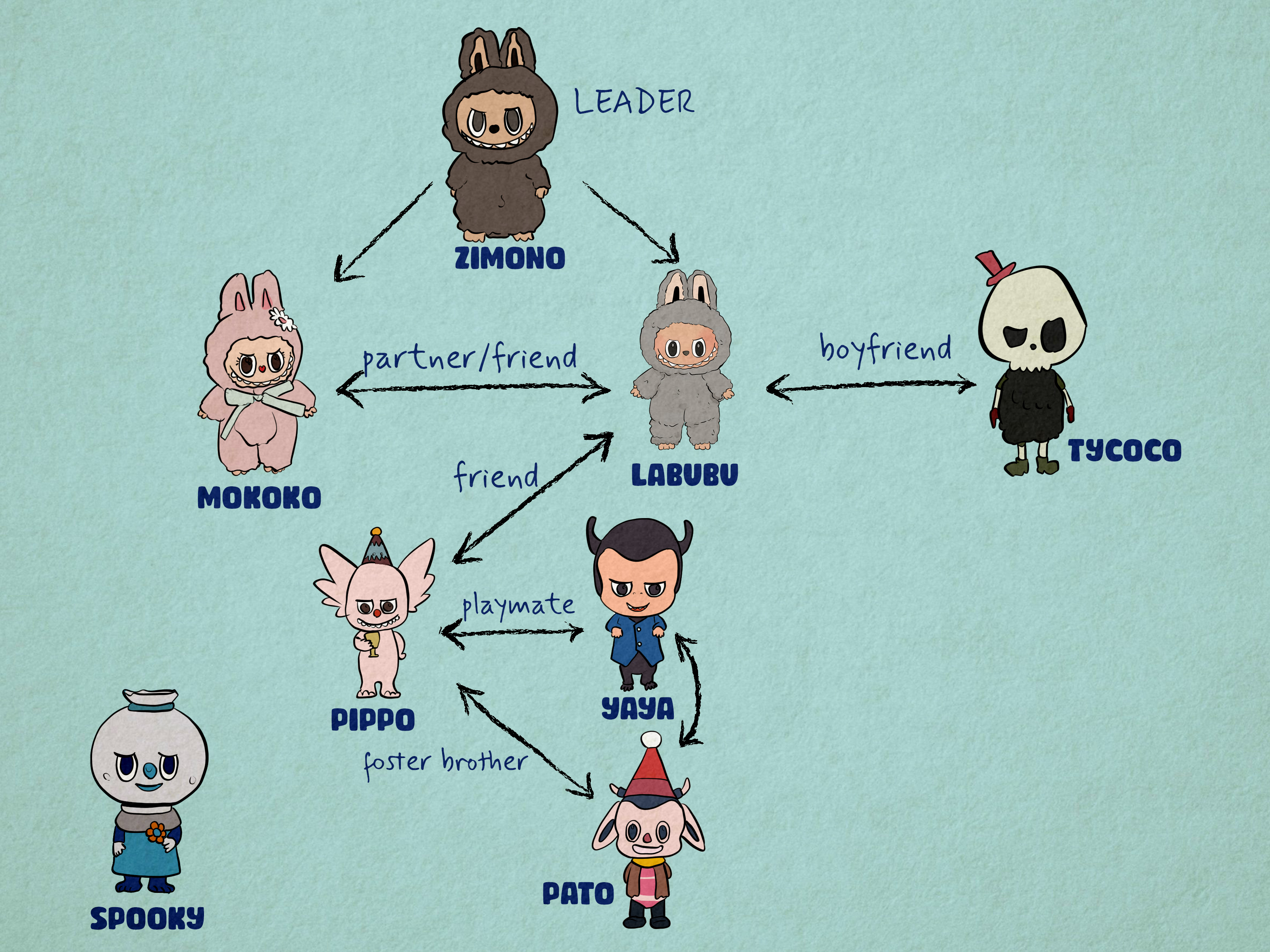
Labubu first appeared in Kasing Lung’s The Monsters series, which drew inspiration from Nordic mythology, folklore, forest spirits, and old-world fairy tales. In this universe, Labubu is part of a group of small creatures living in a magical forest. Pop Mart’s own character descriptions present The Monsters as tiny, playful elves from Nordic forests, with Labubu standing out because of its upright ears and signature nine-tooth smile.
That mythological inspiration explains why Labubu feels different from many modern collectibles. It is not just “cute animal with accessories.” Labubu carries a little bit of the ancient forest: the kind where mushrooms glow, shadows have opinions, and every creature may either help you or rearrange your furniture while you sleep.
In 2015, Labubu began gaining attention through picture books and early collectible figures. The character was not originally designed as a global fashion pendant. It began as part of a storytelling project. That foundation gave Labubu emotional depth. Fans were not simply buying a toy; they were buying into a world.
From Storybook Character to Art Toy
The early Labubu figures were connected to Hong Kong’s designer toy scene, where artists often transform original characters into limited-edition vinyl figures, resin pieces, and collectible sculptures. This culture values originality, scarcity, and artist identity. In other words, before Labubu became a viral bag charm, it was already respected among collectors who follow art toys the way music fans follow indie bands before they hit the charts.
How2Work played an important role in helping Lung’s characters move from illustration to three-dimensional collectible form. Early Labubu pieces were more limited and more art-focused than today’s mass-market plush pendants. These figures helped establish Labubu’s look: the ears, the grin, the slightly feral energy, and the sense that this tiny monster knows a secret you do not.
Where Does Pop Mart Fit In?
Pop Mart is the company that turned Labubu from a beloved art-toy character into a global collectible phenomenon. Founded in China in 2010, Pop Mart built its business around designer toys, character intellectual property, and the blind-box model. In 2019, Kasing Lung entered a licensing partnership with Pop Mart, allowing the company to produce and distribute toys based on The Monsters IP, including Labubu.
This partnership was a major turning point. Pop Mart had the retail network, manufacturing power, vending machines, online stores, and marketing system needed to bring Labubu to a much wider audience. Kasing Lung had the character, world-building, and artistic credibility. Together, they created the kind of collectible storm that makes fans refresh product pages with the focus of a chess grandmaster.
The Power of the Blind Box
Pop Mart’s blind-box format became central to Labubu’s rise. A blind box is sealed packaging that hides which version of the toy is inside. You may get the one you wanted. You may get a different one. You may pull a rare “secret” edition and briefly feel like the universe personally handed you a trophy. Or you may get your third duplicate and question your life choices while still buying another box.
This surprise-based model turns shopping into a mini event. It encourages collecting, trading, and community interaction. Fans compare pulls, show off rare editions, and hunt for complete sets. For Labubu, the blind box did more than sell toys; it created rituals.
Why Did Labubu Become So Popular?
Labubu’s popularity did not happen overnight, even if it may feel like the toy suddenly appeared on every handbag, shelf, and social feed. Several forces worked together.
1. The “Ugly-Cute” Design
Labubu fits perfectly into the “ugly-cute” trend. This style celebrates characters that are imperfect, odd, funny-looking, or a little unsettling. Instead of polished sweetness, Labubu offers personality. Its grin is not soft and innocent; it is cheeky. Its fur is not elegant; it is scruffy. Its expression says, “I may be small, but I absolutely know where you hide the cookies.”
That makes Labubu memorable. In a crowded toy market full of smooth, round, pastel characters, Labubu has edgesliterally and emotionally.
2. Strong Storytelling
Many toys become popular because they look good on social media. Labubu has that advantage, but it also has a backstory. Its connection to The Monsters, Nordic folklore, and Kasing Lung’s picture-book world gives collectors something to talk about beyond price and rarity. The origin story makes the toy feel more meaningful.
3. Celebrity Visibility
Labubu’s rise accelerated when celebrities and influencers began showing the toys publicly. BLACKPINK’s Lisa, Rihanna, Kim Kardashian, and other high-profile figures have been associated with the Labubu trend. Once fashion-conscious fans saw the toy hanging from luxury bags and appearing in social media posts, Labubu became more than a collectible. It became an accessory.
4. Fashion Meets Toy Culture
The plush keychain format helped Labubu move from shelves to streets. Earlier figures were mainly display items. The plush pendants, especially those with vinyl faces and soft bodies, could be clipped to bags, backpacks, belt loops, and car mirrors. Suddenly, Labubu was not just something you owned. It was something you wore.
5. Scarcity and the Hunt
Limited availability also fueled the craze. When a toy is hard to find, collectors become more determined. Store lines, online sellouts, restock alerts, and resale listings all create urgency. Of course, scarcity can also invite problems: inflated resale prices, bots, counterfeit products, and the occasional grown adult acting like a dragon guarding treasure. Still, scarcity has undeniably helped Labubu stay in the spotlight.
Is Labubu Chinese, Hong Kong, or European in Origin?
Labubu’s origin is best understood as international. The character was created by Kasing Lung, a Hong Kong-born artist. The artistic inspiration includes European and Nordic folklore, influenced by Lung’s childhood experiences in Europe. The early art-toy development involved Hong Kong’s designer toy ecosystem, especially How2Work. The global commercial explosion came through Pop Mart, a Chinese company.
So, where does Labubu come from? Artistically, Labubu comes from Kasing Lung’s imagination and The Monsters story world. Culturally, it blends Hong Kong creativity with European fairy-tale influence. Commercially, it became famous worldwide through Pop Mart’s Chinese collectible-toy platform. In short: Labubu is a little monster with a very full passport.
What Makes Labubu Different From Ordinary Toys?
Labubu is not just a toy in the traditional children’s aisle sense. It belongs to the designer toy and collectible art-toy category. That means the artist behind the character matters, the design language matters, and rarity matters. Many buyers are adults who collect for aesthetic, emotional, nostalgic, or fashion reasons.
This adult-collector market has grown rapidly. People do not only buy toys for children anymore. They buy them for desks, shelves, bags, livestream backdrops, mood improvement, personal identity, and the tiny thrill of opening a mystery box after a long day. Compared with traditional toys, Labubu carries more of a lifestyle identity. It says, “I enjoy art, collectibles, trends, and perhaps mild financial danger in blind-box form.”
How to Recognize the Real Labubu Spirit
Because Labubu became so popular, counterfeits also appeared. These knockoffs are often nicknamed “Lafufu” by fans. A genuine Labubu typically has careful finishing, official Pop Mart packaging, recognizable character proportions, and the correct design details, including the famous nine-tooth grin. Buyers should use official Pop Mart stores, authorized retailers, or trusted marketplaces when possible.
But beyond authentication, the real Labubu spirit is not just about owning the rarest edition. It is about appreciating the character’s origin: a strange little forest creature born from illustration, storytelling, and an artist’s lifelong fascination with mischievous beings. The hype is loud, but the creative root is quiet and personal.
Why Labubu’s Origin Matters
Understanding Labubu’s origin changes the way we see the toy. Without context, it may look like another viral collectible. With context, Labubu becomes a case study in modern pop culture. It shows how a picture-book character can become a fashion accessory, how regional art-toy culture can influence global retail, and how storytelling still matters in an algorithm-driven world.
Labubu also represents a shift in how people relate to objects. Fans are not only buying plastic, vinyl, plush, or packaging. They are buying emotion, identity, surprise, and community. They are buying the feeling of being part of a shared cultural moment. And yes, sometimes they are buying because the tiny monster looks hilarious next to a luxury handbag. Both can be true. Humans are complicated. So are elves with nine teeth.
Collector Experiences: What Labubu’s Origin Teaches Fans Today
For many fans, discovering Labubu begins casually. Maybe a friend posts an unboxing video. Maybe someone at a café has one clipped to a bag. Maybe a collector mentions “The Monsters,” and suddenly a person who had zero plans to enter the designer toy world is researching release dates at midnight. This is the typical Labubu experience: curiosity first, confusion second, emotional investment third, and then the phrase “I only wanted one” becomes comedy.
One of the most interesting experiences around Labubu is the hunt. Collectors often describe the search as part of the fun. Finding a Labubu in stock can feel like spotting a rare bird, except the bird is sold in a box and may cost significantly more on resale platforms. Fans check official drops, visit Pop Mart stores, compare regional releases, and trade duplicates with other collectors. This creates community. A toy that began in a fictional forest now brings real people together in lines, online groups, conventions, and chat threads full of dramatic capital letters.
Another experience is personalization. Labubu is not only displayed; it is styled. Fans attach plush pendants to handbags, dress them in tiny outfits, place them in clear display cases, or photograph them in everyday scenes. A Labubu on a shelf says “collector.” A Labubu wearing a miniature hoodie while sitting next to coffee says “this household has accepted whimsy as a lifestyle.” Because the character already has a mischievous personality, it works well in playful photos and social content.
Labubu’s origin also teaches buyers to appreciate the difference between trend and story. A trend can make people notice a character, but story makes them stay. Once fans learn that Labubu came from Kasing Lung’s illustrated world, inspired by folklore and childhood imagination, the toy becomes more than a viral object. It becomes a small piece of an artist’s universe. That knowledge can make collecting feel more thoughtful and less like chasing whatever the internet shouted about this week.
There is also a practical lesson: collect what you genuinely enjoy. Labubu hype has created high resale prices for some editions, but treating every toy as an investment can drain the fun out of the hobby faster than opening five duplicates in a row. The best collector experience comes from choosing designs that spark joy, curiosity, or laughter. If a particular Labubu makes you grin back at its ridiculous grin, that is a good sign.
Finally, Labubu reminds us that popular culture often grows from unexpected places. A character that started in a storybook universe became a global accessory because it carried a strong visual identity, a memorable origin, and a flexible personality. Labubu can be cute, creepy, fashionable, collectible, funny, and sentimental all at once. That is why people keep talking about it. Not bad for a tiny monster that looks like it might steal your fries.
Conclusion
Labubu’s origin begins with Kasing Lung, a Hong Kong-born artist whose imagination was shaped by illustration, European fairy tales, Nordic mythology, and the creative world of designer toys. The character first lived inside The Monsters, a storybook universe filled with playful forest beings. Through early collaborations with How2Work and later Pop Mart’s global distribution power, Labubu evolved from an illustrated creature into a collectible toy, plush pendant, fashion accessory, and cultural phenomenon.
Its popularity may look sudden, but Labubu’s story took years to build. The reason it works is simple: great design plus strong storytelling plus scarcity plus social media equals toy chaosin the best possible way. Labubu is not just a monster with nine teeth. It is proof that a weird little character from a picture-book forest can become a worldwide obsession when art, commerce, and collector emotion collide.
Note: This article is based on synthesized public information from reputable sources about Kasing Lung, The Monsters, How2Work, Pop Mart, designer toy culture, blind-box collecting, and Labubu’s global rise. No source-link markup or contentReference tags are included.