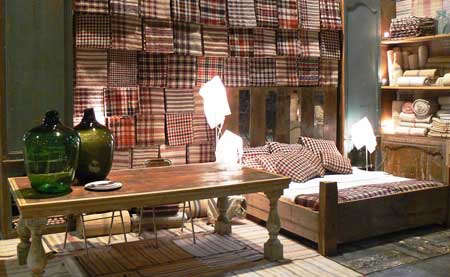
Paris has a special talent for making old things look like they are not merely old, but dramatically, poetically, possibly-with-a-backstory old. A chipped mirror becomes atmosphere. A linen cushion becomes history you can nap on. A table with a scar becomes “character,” which is design language for “please do not sand that off.” That is exactly why the world of Coté Pierre in Paris feels so compelling to lovers of antiques, vintage interiors, and slow decoration.
Founded by designer and antiques dealer Mathilde Labrouche, Coté Pierre is not a typical antique shop where dusty objects sit politely waiting for a second life. It is more like a creative laboratory for pieces that already had a first, second, and possibly mysterious third life. Labrouche works with antique mirrors, old linen, reclaimed materials, vintage textiles, furniture, rugs, cushions, and decorative objects, transforming them into pieces that feel both timeworn and contemporary. Think French rustic soul, Beaux-Arts intelligence, and just enough imperfection to keep the room from becoming too serious.
For anyone searching for Paris antiques, vintage French decor, antique textiles, or French interior design inspiration, Coté Pierre offers a useful lesson: the best vintage interiors are not museums. They are living spaces with texture, memory, humor, and a little dust in the cornersideally the chic kind.
What Is Coté Pierre?
Coté Pierre is the creative world of Mathilde Labrouche, a French designer known for turning salvaged and antique materials into refined interior pieces. Her work has been described as making new objects from old materials, with a couture-like attention to surface, history, and detail. Instead of hiding age, she highlights it. Rust, worn fabric, cloudy glass, old marble, and softened linen are not flaws in her vocabulary; they are the opening sentence.
The brand’s universe includes antique mirrors, painted rugs, cushions, furniture, textiles, wall decor, and custom objects. Many pieces begin with old materials: antique linen, hemp, cotton blends, aged glass, reclaimed marble, and textiles that already carry the marks of use. The result is a collection that feels deeply French but not frozen in a château. It is elegant, rural, artistic, and practical enough to live with.
Although Coté Pierre is often associated with Paris through design coverage and appearances in the Paris design world, Labrouche’s creative roots are tied to southwestern France. That tension is part of the charm. The pieces speak both languages: the countryside language of humble materials and the Parisian language of editing, proportion, and atmosphere.
Why Coté Pierre Matters in the World of Paris Antiques
Paris is one of the world’s great hunting grounds for antiques and vintage treasures. The city and its surrounding markets are famous for everything from gilded mirrors and Art Deco lighting to weathered garden furniture, silverware, old linens, vintage fashion, and quirky bric-a-brac that makes you wonder, “Do I need this?” followed immediately by, “Yes, obviously.”
But Coté Pierre stands out because it does not treat antiques as trophies. Instead, the brand treats old materials as ingredients. A mirror is not valuable only because of its age; it is valuable because age has changed the way it reflects light. A textile is not beautiful simply because it is antique; it is beautiful because time has softened it, marked it, and made it impossible to reproduce honestly.
This approach aligns with a larger movement in interior design: the shift away from disposable decor and toward meaningful, layered, long-lasting pieces. In a world of flat-packed sameness, Coté Pierre feels like the opposite of “add to cart.” It feels like “tell me where you found that,” which is the highest compliment in interior design after “your dog matches the sofa.”
The Coté Pierre Aesthetic: Worn, Noble, and Quietly Dramatic
The Coté Pierre look is difficult to reduce to a single style label, which is usually a sign that something interesting is happening. It touches French country design, rustic minimalism, antique collecting, textile art, and collectible decor, but it avoids looking themed. Nothing shouts “Paris flea market!” in a touristy way. Instead, the mood is quiet, tactile, and confident.
1. Antique Mirrors With Soul
Antique mirrors are central to the Coté Pierre feeling. Old mirror glass, especially mercury-style or naturally aged glass, has a depth modern mirrors rarely achieve. It does not reflect with harsh perfection. It glows, blurs, clouds, and flatters. In other words, it behaves like excellent lighting at a dinner party.
In a room, a Coté Pierre-style mirror can do more than help you check your jacket. It can expand a narrow hallway, bring light into a dim corner, or add instant architecture to a blank wall. The patina matters. A few marks or softened edges can make the mirror feel as if it has always belonged there.
2. Old Linen and Antique Textiles
Labrouche’s work with textiles is especially important. Coté Pierre cushions and rugs are often made from older fabrics such as linen, hemp, and sometimes cotton. These materials carry a heavier, more organic texture than many contemporary fabrics. They wrinkle beautifully, fade gracefully, and refuse to look too polished. Bless them.
Hand-worked decoration makes each piece slightly different, which is exactly the point. In a mass-produced world, small irregularities are signs of human presence. A painted motif, a variation in color, or a difference in texture reminds you that the object passed through someone’s hands, not just a warehouse scanner.
3. Furniture With History
Coté Pierre’s furniture language is not about glossy perfection. Tables, benches, stools, and decorative pieces tend to carry the dignity of use. A reclaimed or reimagined piece can become the anchor of a room because it brings weight, story, and visual pause. Pair one old table with simple modern chairs, and suddenly your dining room has a plot.
The trick is balance. Too many antique pieces can make a room feel like a storage annex for a very elegant grandmother. Too few, and the space may feel generic. Coté Pierre’s aesthetic works best when vintage pieces are allowed to breathe beside modern silhouettes, plain walls, natural floors, and useful everyday objects.
How Coté Pierre Connects to Paris Flea Market Culture
To understand Coté Pierre, it helps to understand Paris’s antique-shopping culture. The famous Marché aux Puces de Saint-Ouen is one of the world’s most important antiques and secondhand markets, with roots going back to the late nineteenth century. It is not one small flea market but a sprawling network of dealers, specialized markets, alleys, galleries, and stalls. You can find serious antiques, midcentury furniture, oddball objects, textiles, art, lighting, and items whose purpose may remain unclear but whose charm is undeniable.
Then there is the Vanves flea market, loved for smaller, packable finds such as vintage jewelry, books, prints, ceramics, silverware, and textiles. Vanves is often easier for casual shoppers to manage because it feels less overwhelming than Saint-Ouen. It is the kind of place where arriving early matters and where a good eye beats a big budget.
Coté Pierre belongs to this broader Parisian tradition of seeing value where others see age. The difference is that Labrouche does not merely source old things; she edits and transforms them. Her work shows what can happen after the flea-market discovery: the old linen becomes a cushion, the timeworn material becomes a rug, the antique mirror becomes a focal point, and the forgotten piece becomes suddenly, confidently relevant.
How to Bring the Coté Pierre Look Into Your Home
You do not need a Paris apartment, a French farmhouse, or a mysterious inheritance from a countess to bring the Coté Pierre mood into your own space. The key is to choose materials and objects that carry age honestly and then give them enough space to matter.
Start With One Hero Piece
Begin with one strong antique or vintage item: a foxed mirror, an old linen cushion, a weathered wood bench, a marble-topped table, a faded rug, or a sculptural lamp. Let it become the room’s quiet star. Not every piece in the room needs to be vintage. In fact, the hero piece often looks better when surrounded by simpler modern elements.
Use Texture Instead of Clutter
The Coté Pierre look is rich, but it is not crowded. Texture does the heavy lifting. Linen, stone, old glass, raw wood, plaster, hemp, iron, and muted paint can create depth without piling up accessories. This is good news for anyone who loves antiques but does not want their living room to resemble a beautiful obstacle course.
Let Imperfections Stay Visible
Do not rush to “fix” every mark. A small stain on old linen, a cloudy patch on a mirror, or a nick in a table can be part of the object’s identity. Of course, structural damage is another matter; nobody wants a chair that collapses with theatrical timing. But cosmetic age often adds warmth and authenticity.
Mix Rural and Refined Elements
Coté Pierre’s charm comes from the meeting of humble materials and refined composition. Try pairing an antique textile with a sleek sofa, a rustic table with delicate glassware, or an aged mirror above a clean-lined console. The room should feel collected, not staged.
What to Look for When Shopping for Similar Pieces
If you are shopping in Paris or simply hunting online for Coté Pierre-inspired decor, focus on material quality first. Old linen should feel substantial, not flimsy. Antique mirrors should have attractive aging rather than distracting damage. Wood should feel stable and well-proportioned. Rugs should have character, but they should also lie reasonably flat unless you enjoy tripping with flair.
Ask about provenance when possible. You may not get a full biography of every object, but even basic informationapproximate age, region, material, restoration historycan help you understand what you are buying. For larger pieces, check measurements carefully. Parisian dealers may be charming, but your doorway remains brutally honest.
For textiles, inspect seams, backing, closures, and signs of wear. For mirrors, check the frame, glass stability, and hanging hardware. For furniture, look underneath. The underside of a table often tells the truth faster than the top, which may have been polished into good behavior.
Why Designers Love This Style
Designers love antique and vintage pieces because they solve a problem that new furniture often creates: sameness. A room filled entirely with new items can look pleasant but flat. Add one piece with history, and the room gains a sense of time. Add a few well-chosen vintage elements, and suddenly the space feels personal rather than purchased in a single afternoon.
Coté Pierre’s work is especially appealing because it bridges art and use. A cushion is still a cushion. A mirror is still a mirror. A rug still belongs underfoot. But each piece carries a visual and emotional charge. That is the sweet spot in interiors: beauty that does not require velvet ropes.
Experience Notes: Living With the Coté Pierre Mood
Imagine walking into a small Paris apartment after a morning at the flea market. Your feet are tired, your tote bag contains three objects you did not plan to buy, and you are still wondering whether the vendor said the frame was nineteenth-century or simply “very old,” which in flea-market language can mean several things. On the wall is an aged mirror with a soft, smoky surface. It does not reflect the room sharply. Instead, it turns the afternoon light into something warmer, gentler, and much more flattering than the bathroom mirror at your hotel, which has chosen violence.
That is the experience Coté Pierre-style pieces create. They change the atmosphere before you even analyze them. A faded textile on a chair makes the room feel relaxed. A painted cushion adds a handmade note without becoming loud. A reclaimed table invites use because it already has marks; you do not have to live in fear of the first scratch. The scratch arrived decades before you did. How generous.
In real homes, this kind of vintage decor works best when it is allowed to become part of daily life. Old linen cushions should not be arranged so perfectly that guests are afraid to sit down. Antique mirrors should catch morning light, evening candlelight, and the occasional rushed glance before leaving the house. A vintage bench should hold books, bags, flowers, or a cat who has decided it is now a throne.
The most memorable antique shopping experiences rarely happen when you are searching for something too specific. They happen when you know the feeling you want. Maybe you want a room to feel softer. Maybe your new sofa looks too new and needs an older friend. Maybe the entryway needs a mirror that says “Paris apartment” rather than “rental hallway with ambition.” Coté Pierre teaches shoppers to look beyond category and toward atmosphere.
One useful practice is to photograph textures rather than only objects. Take pictures of old stone, linen folds, cloudy glass, worn paint, and iron hardware. Over time, you will notice patterns in what attracts you. Perhaps you love pale neutrals and rough surfaces. Perhaps you are drawn to graphic painted textiles. Perhaps you secretly want every mirror to look haunted, but in a tasteful way. These observations help you buy better because you are not simply chasing trends; you are identifying your own visual language.
Another experience-based lesson: do not underestimate small pieces. Not everyone can bring home a marble table from Paris, especially if the airline already judges your suitcase. But a cushion cover, small textile, drawing, vintage plate, or compact mirror can shift a room dramatically. Small antique objects often carry the same emotional weight as large furniture, and they are much less likely to require international freight logistics and a strong cup of coffee.
Living with Coté Pierre-inspired antiques is ultimately about patience. Rooms gain soul gradually. A collected interior grows through travel, curiosity, mistakes, lucky finds, and the occasional purchase made while under the influence of excellent French coffee. The goal is not to copy a Parisian look perfectly. The goal is to let your home feel layered, human, and alive.
Conclusion: Coté Pierre and the Beauty of the Already-Loved
Antiques & Vintage: Coté Pierre in Paris is more than a design topic; it is a philosophy of attention. Mathilde Labrouche’s work reminds us that old materials are not merely leftovers from the past. They are design resources with depth, dignity, and personality. Antique mirrors, old linen, reclaimed marble, vintage textiles, and hand-finished pieces can make a home feel warmer, smarter, and far less predictable.
For shoppers, decorators, and dreamers, Coté Pierre offers a beautiful rule: do not erase time. Use it. Let the worn edge, cloudy reflection, faded fiber, and handmade mark become part of the design. In Paris, that idea feels natural. In any home, it feels refreshing.
After all, new things can be lovely. But old things? Old things know stories. And if they happen to look fantastic next to your sofa, even better.