Finding out that your girlfriend lied to you can feel like stepping on a relationship Lego: tiny moment, enormous pain. One minute you are asking a simple question, and the next you are replaying every conversation like a detective in sweatpants. Before you assume the worst, take a breath. A lie does not always mean your relationship is doomed, but it does mean something important needs attention.
People lie in relationships for many reasons: fear, shame, privacy, conflict avoidance, insecurity, habit, or sometimes manipulation. Some lies are small and clumsy, like saying, “I’m almost ready,” while still choosing between two nearly identical black tops. Other lies are serious and can damage trust, emotional safety, and intimacy. The key is learning the difference between an uncomfortable truth, a protective white lie, and a pattern of dishonesty that puts your well-being at risk.
This guide explores why your girlfriend lies to you, what those lies may reveal about the relationship, and how to respond without turning the conversation into a courtroom drama starring two exhausted people and one very confused houseplant.
Is Lying Always a Sign She Does Not Love You?
No. Lying is not always proof that your girlfriend does not love you. Sometimes people lie because they are afraid of disappointing someone they care about. Sometimes they grew up in homes where telling the truth led to punishment, yelling, or rejection. Sometimes they are embarrassed. And yes, sometimes they lie because they are hiding behavior that violates the relationship agreement.
The real question is not only, “Did she lie?” It is also: What did she lie about? How often does it happen? Does she take responsibility? Does she minimize your feelings? Does the truth come out only when you discover it? A one-time lie followed by accountability is very different from repeated deception, blame-shifting, or gaslighting.
11 Potential Reasons Your Girlfriend Lies to You
1. She Is Afraid of Conflict
Some people treat conflict like a bear in the kitchen: avoid eye contact, move slowly, and hope it leaves. If your girlfriend fears arguments, she may lie to keep the peace. For example, she may say she is fine when she is hurt, claim she forgot something when she actually avoided it, or agree with you while privately feeling resentful.
This kind of lying often comes from anxiety, not cruelty. Still, it can quietly damage the relationship because problems do not disappear when they are hidden. They simply move into the basement and start lifting weights. If conflict avoidance is the issue, the solution is not interrogation. It is creating a safer communication style where honesty is not punished with sarcasm, shouting, or emotional withdrawal.
2. She Wants to Protect Your Feelings
Sometimes a girlfriend lies because she thinks the truth will hurt you. She may compliment an outfit she dislikes, downplay how annoyed she is, or say she loved your cooking even though the pasta had the texture of office supplies. These are often called white lies, and many people use them to smooth social life.
The problem begins when “protecting your feelings” becomes a habit of hiding real needs. If she says everything is perfect but secretly feels lonely, unheard, or frustrated, the relationship loses honesty. Kindness is valuable, but kindness without truth becomes emotional bubble wrap: soft, padded, and not very useful when something is actually broken.
3. She Feels Ashamed or Embarrassed
Shame is one of the biggest engines behind dishonesty. Your girlfriend may lie about debt, family issues, past relationships, mental health struggles, jealousy, or mistakes because she fears being judged. She may not be trying to deceive you as much as trying to hide the version of herself she thinks is “too much.”
For example, she might say she is busy instead of admitting she is depressed. She might lie about money because she feels irresponsible. She might hide contact with an ex because she knows the situation looks messy, even if nothing romantic is happening. Shame-based lies often reveal a need for emotional safety, but they still require accountability. Compassion should not mean pretending dishonesty is harmless.
4. She Wants More Privacy Than You Expect
Every relationship has a privacy line, and not every couple draws it in the same place. You may believe partners should share almost everything. She may believe some thoughts, messages, friendships, or personal history should remain private. If those expectations are never discussed, one person’s privacy can look like secrecy to the other.
For instance, she may not want to share every detail of a conversation with her friend. You may see that as suspicious; she may see it as basic independence. The issue becomes serious when privacy is used to hide betrayal, financial deception, or ongoing contact that violates agreed boundaries. Healthy privacy says, “I am still my own person.” Harmful secrecy says, “I am controlling what reality you are allowed to see.”
5. She Is Avoiding Consequences
Some lies are simple damage control. She did something she knew would upset you, so she lies to avoid the fallout. Maybe she overspent, flirted with someone, broke a promise, skipped an important responsibility, or went somewhere she said she would not go. This type of lie is not just about fear; it is about dodging accountability.
If this pattern repeats, pay attention. A person who lies mainly to escape consequences may apologize only when caught. They may focus on your reaction instead of their behavior: “I lied because I knew you would get mad.” That sentence may contain a feeling, but it is not full accountability. A healthier response sounds more like, “I was afraid, but I still chose to lie. I understand why that hurt you.”
6. She Has Learned Dishonesty as a Survival Skill
People who grew up in chaotic, strict, or emotionally unsafe environments sometimes learned to lie as a way to stay safe. If telling the truth once led to rage, humiliation, or punishment, lying may become automatic. Even in a loving adult relationship, that old habit can show up before the person has time to think.
This does not excuse dishonesty, but it can explain why the lie seems disproportionate. She may lie about small things because her nervous system treats honesty like danger. In this case, change usually requires self-awareness, emotional regulation, and sometimes therapy. You cannot “love” someone into truthfulness by becoming a full-time lie detector. She has to want to unlearn the pattern.
7. She Is Insecure About Losing You
Insecurity can make people edit themselves. Your girlfriend may exaggerate her interests, hide past experiences, or pretend to be more relaxed than she is because she worries the real version of her will be rejected. She may say she does not care about something when she cares deeply. She may act “cool” about a situation while privately spiraling like a browser with 47 tabs open.
These lies often come from a desire to be loved, but they create the opposite effect. You cannot build real intimacy with a version of someone who is constantly performing. If insecurity is driving the lying, reassurance may help, but it cannot replace honest communication. She has to trust that being real is safer than being perfect.
8. She Is Hiding a Boundary Violation
Some lies happen because a relationship boundary has been crossed. This may involve flirting, emotional intimacy with someone else, secret dating app use, hidden messages, or physical cheating. Not every lie means infidelity, but lies around phones, whereabouts, emotional closeness, or sudden secrecy deserve careful attention.
Infidelity is not only physical. Many couples define betrayal differently, which is why boundaries need to be specific. Is texting an ex okay? Is private emotional venting to a crush okay? Is deleting messages acceptable? If the relationship agreement is unclear, confusion can grow. If the agreement is clear and she hides behavior anyway, the issue is no longer misunderstanding. It is broken trust.
9. She Wants Control Over the Relationship Narrative
Sometimes lying is used to control what you believe, how you feel, or what choices you make. This can include minimizing, denying, blame-shifting, or rewriting events. If she says something happened one way, then later insists you imagined it, you may begin doubting yourself. That is especially concerning when it becomes a pattern.
Gaslighting is not simply disagreeing about a memory. Couples misunderstand each other all the time. Gaslighting involves repeated manipulation that makes one partner question their reality, judgment, or sanity. If you often leave conversations feeling confused, guilty, or responsible for things you did not do, take that seriously. Love should not require you to surrender your sense of reality at the door.
10. She Has a Habit of People-Pleasing
People-pleasers often lie because saying “no” feels unbearable. Your girlfriend may agree to plans she hates, pretend to like your friends, hide disappointment, or say what she thinks you want to hear. At first, this may seem sweet. Over time, it becomes a vending machine of resentment: insert silence, receive emotional explosion later.
People-pleasing lies are usually passive, but they still create distance. If she cannot tell you what she wants, you are not actually getting to know her. A healthy relationship needs room for two real people, not one real person and one unpaid customer service representative saying, “No worries!” while internally screaming.
11. She Does Not Respect the Relationship Enough to Be Honest
This is the hardest possibility, but it matters. Some people lie because honesty is not a priority for them. They may enjoy keeping options open, avoiding responsibility, or getting what they want without dealing with your needs. If your girlfriend repeatedly lies, dismisses your pain, mocks your concerns, or promises change without action, the issue may be deeper than communication.
Respect is not proven by romantic words alone. It is proven by behavior when honesty is inconvenient. A partner who values the relationship will care about rebuilding trust. A partner who only values comfort may care mostly about ending the conversation. The difference becomes clear over time.
How to Tell Whether the Lie Is a Red Flag
Not every lie carries the same weight. A girlfriend lying about liking your new haircut is not the same as hiding a second relationship. To understand the seriousness, look for patterns.
A lie becomes a bigger red flag when it is repeated, involves major topics, affects your consent or choices, includes blame-shifting, or makes you feel emotionally unsafe. It is also concerning when the truth only appears after evidence appears. If she volunteers the truth, takes responsibility, and changes behavior, repair may be possible. If she denies everything until screenshots enter the chat like tiny digital witnesses, trust will be harder to rebuild.
What You Should Do When Your Girlfriend Lies
Start With Facts, Not Accusations
Instead of opening with “You always lie,” try, “You told me you were at home, but I found out you were somewhere else. I want to understand what happened.” Facts reduce defensiveness. Accusations may feel satisfying for eight seconds, then turn the conversation into dodgeball.
Ask What the Lie Was Protecting
A useful question is: “What felt unsafe about telling me the truth?” This does not excuse the lie, but it can reveal the motive. Was she afraid of conflict? Hiding guilt? Protecting privacy? Avoiding consequences? The answer helps you decide whether this is a repairable communication issue or a serious trust problem.
Set Clear Boundaries
Boundaries are not threats. They are statements of what you need to stay emotionally safe. For example: “I can work through difficult truths, but I cannot stay in a relationship where lying continues.” A boundary should be specific, realistic, and connected to action. Do not set boundaries you do not intend to keep.
Watch Her Response
The response after the lie often tells you more than the lie itself. Does she listen? Does she show empathy? Does she answer questions without attacking you? Does she make changes? Or does she call you paranoid, change the subject, cry only when accountability arrives, or turn your hurt into her injury? Repair requires honesty, patience, and consistent behavior over time.
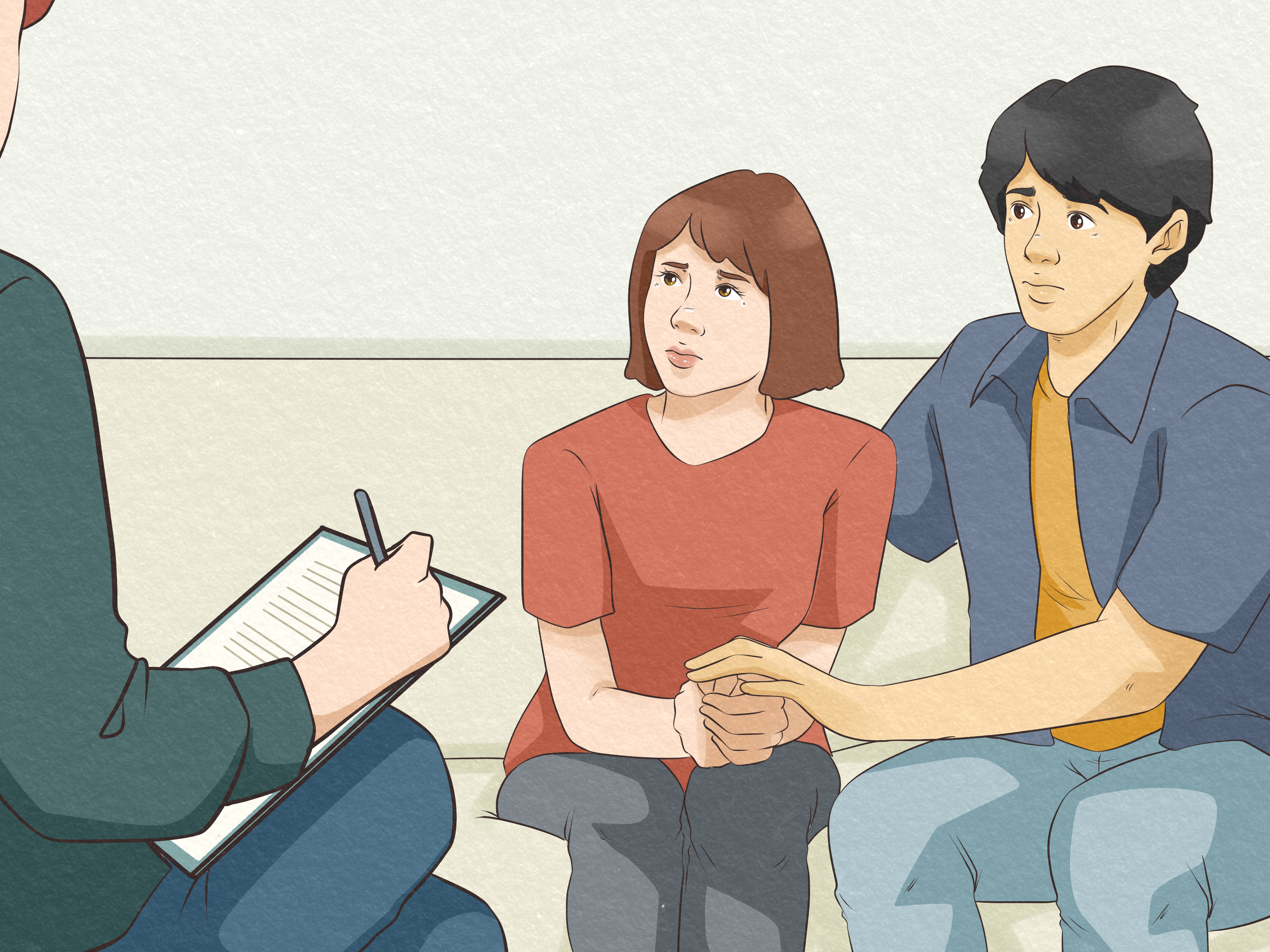
Consider Couples Counseling
If the relationship matters to both of you but trust has been damaged, couples counseling can help. A therapist can create structure for difficult conversations, especially when betrayal, avoidance, or old emotional patterns are involved. Individual therapy may also help if lying is connected to trauma, anxiety, shame, or compulsive behavior.
When Lying Becomes Emotional Abuse
There is a difference between a partner who lies out of fear and a partner who uses lies to control you. If your girlfriend repeatedly denies obvious facts, isolates you from others, threatens you, monitors you, humiliates you, or makes you feel unstable for questioning her, the issue may be emotional abuse. This can happen in relationships of any gender combination.
If you feel afraid, trapped, or constantly confused, talk to someone you trust or contact a professional support resource. You do not have to prove the relationship is “bad enough” before seeking help. Emotional safety matters. A relationship should challenge you to grow, not train you to doubt your own mind.
Experiences Related to “Why Does Your Girlfriend Lie to You?”
Many people who have dealt with dishonesty in a relationship describe the first lie as less painful than the pattern that follows. One man might discover that his girlfriend lied about talking to an ex. At first, he focuses on the messages. Then he realizes the bigger wound is that she looked him in the eye and said nothing was happening. The betrayal is not only the contact; it is the feeling that the ground under the relationship became unreliable.
Another common experience involves small lies that slowly become exhausting. Imagine a girlfriend who lies about being late, spending money, or forgetting plans. None of these lies seem dramatic on their own. But after months of tiny contradictions, her boyfriend starts feeling like he needs to verify everything. That is when the relationship shifts from romance to unpaid detective work. Nobody wants their love life to feel like a low-budget crime podcast.
Some couples experience lies that come from fear rather than betrayal. A girlfriend may hide that she is unhappy because every serious conversation turns into defensiveness. Her boyfriend may think, “Why did she lie?” while she thinks, “Why does honesty always become a fight?” In these situations, both partners may need to examine the emotional climate of the relationship. If the truth is punished, dishonesty grows. If honesty is welcomed with maturity, truth has somewhere safe to land.
There are also cases where the lie reveals a mismatch in expectations. One partner thinks sharing phone passwords is normal. The other thinks phones are private. One thinks texting an ex is disrespectful. The other thinks it is harmless. Without clear agreements, each partner may feel betrayed for different reasons. The lesson is simple but often ignored: do not assume boundaries are obvious. Discuss them before resentment starts packing a suitcase.
In healthier outcomes, the lying partner admits the truth, explains the fear or mistake behind it, and accepts the impact. The hurt partner expresses pain without becoming cruel. Together, they create new agreements: more transparency, better conflict skills, fewer vague answers, and no more “I forgot” when everyone in the room knows forgetting was not the main event. Trust does not return instantly, but consistent honesty can rebuild it.
In unhealthy outcomes, the lying partner keeps denying, minimizing, or blaming. The hurt partner becomes anxious, checks phones, asks repeated questions, and feels ashamed for needing reassurance. This cycle can become emotionally draining for both people. At that point, the question changes from “Why does she lie?” to “Can this relationship become safe and honest?” If the answer is no, leaving may be healthier than staying in a relationship where truth has to be dragged into the light wearing a helmet.
The biggest lesson from these experiences is that lying is not only about information. It is about emotional safety. When someone lies, they control what the other person can know, choose, and consent to. That is why honesty matters so much in love. It is not about reporting every tiny thought like a relationship tax form. It is about giving each other enough truth to build something real.
Conclusion
So, why does your girlfriend lie to you? She may be afraid of conflict, ashamed, insecure, protecting her privacy, avoiding consequences, repeating old survival habits, hiding a boundary violation, or trying to control the story. The reason matters, but so does the pattern. A relationship can survive a lie when both people are willing to face the truth. It cannot thrive on confusion, denial, and emotional guessing games.
If you want to rebuild trust, focus on calm facts, clear boundaries, honest conversations, and consistent behavior. Do not ignore your intuition, but do not let fear write the entire script either. The truth may be uncomfortable, but it is also clarifying. And in relationships, clarity beats confusion every single time.