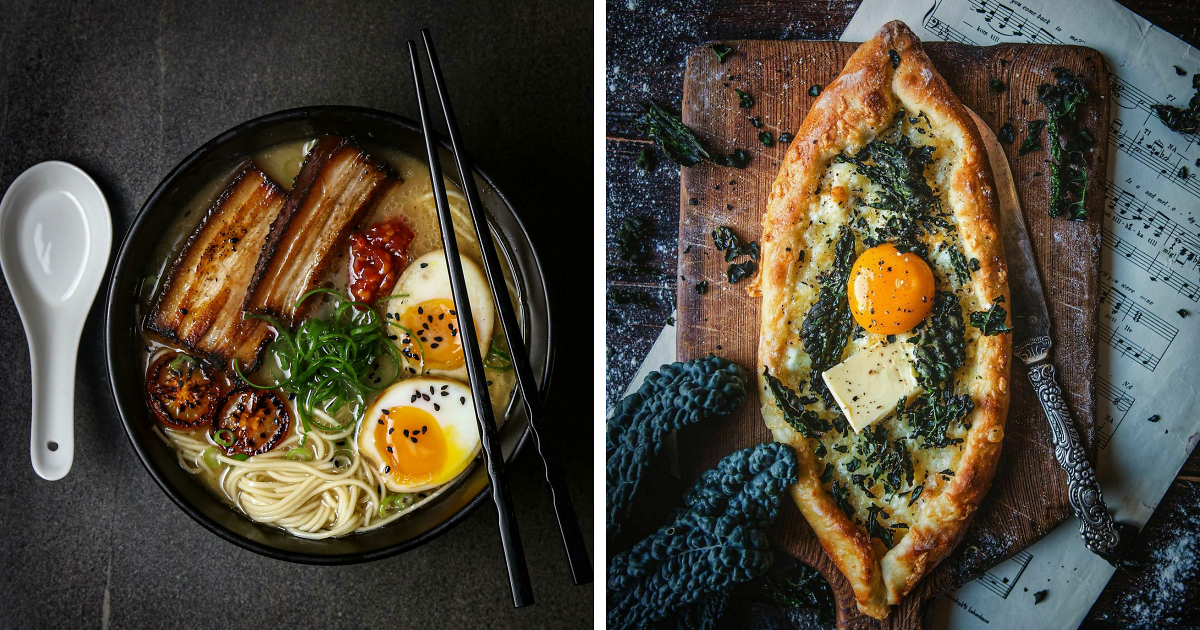
Some people collect magnets when they travel. Others collect stamps in a passport. The truly hungry among us collect bites: a spoonful of Vietnamese pho in Hanoi, a crisp-edged Spanish paella in Valencia, a bowl of gumbo that tastes like a Louisiana family reunion, or a plate of Ethiopian injera so good it makes forks feel unemployed.
Traditional dishes from around the world are more than “things to eat before you need a nap.” They are edible history. They tell stories of trade routes, migrations, celebrations, climate, religion, family recipes, and clever cooks who looked at humble ingredients and said, “Yes, we can absolutely turn this into dinner for twelve.” From street food to slow-simmered stews, these iconic global foods deserve a place on every adventurous eater’s bucket list.
This guide rounds up 97 traditional dishes to try at least once, organized by region, with enough flavor-packed inspiration to make your next meal plan look like a world tour.
Why Traditional Dishes Matter
A traditional dish is rarely just a recipe. It is a habit, a holiday, a grandmother’s “just a pinch” measurement, and sometimes a national debate conducted loudly over rice. Classic dishes survive because they solve a human problem beautifully: how to feed people well using what the land, sea, market, and season provide.
Many famous traditional foods are built around simple foundations: rice, wheat, corn, beans, noodles, potatoes, fish, meat, spices, herbs, and fermented ingredients. But the results vary wildly. Rice becomes sushi in Japan, biryani in India, jollof rice in West Africa, risotto in Italy, and arroz con pollo across Latin America. Same pantry category, completely different personality.
Europe: Comfort, Craft, and Serious Cheese Energy
1. Pizza Napoletana, Italy
Soft, blistered crust, tomato, mozzarella, basil, and olive oil prove that simplicity can be louder than a brass band.
2. Pasta Carbonara, Italy
Roman comfort made with pasta, egg, pecorino, black pepper, and cured pork. No cream required; the sauce is pure kitchen magic.
3. Paella Valenciana, Spain
Saffron rice, vegetables, and proteins cooked in a wide pan until the bottom forms that prized crispy layer called socarrat.
4. Tortilla Española, Spain
A thick potato-and-egg omelet that can be breakfast, lunch, dinner, or the reason you suddenly respect potatoes more.
5. Coq au Vin, France
Chicken braised with wine, mushrooms, onions, and herbs. It is rustic, elegant, and suspiciously good with bread.
6. Ratatouille, France
A Provençal vegetable dish of eggplant, zucchini, peppers, tomatoes, and olive oil that tastes like summer learned manners.
7. Fish and Chips, United Kingdom
Crisp battered fish with fries, usually happiest with malt vinegar, tartar sauce, and zero unnecessary fuss.
8. Shepherd’s Pie, Ireland and Britain
Minced lamb or meat in gravy under mashed potatoes. It is essentially a cozy blanket with a golden crust.
9. Goulash, Hungary
A paprika-rich stew traditionally made with beef, onions, and peppers, perfect for cold weather and hearty appetites.
10. Pierogi, Poland
Dumplings stuffed with potato, cheese, meat, mushrooms, or fruit. Boiled, fried, butterednever boring.
11. Borscht, Ukraine
A beet-based soup often served with sour cream and dill. Earthy, bright, and deeply tied to Ukrainian food culture.
12. Moussaka, Greece
Layers of eggplant, spiced meat, and creamy béchamel baked into a casserole that refuses to be a side dish.
13. Souvlaki, Greece
Skewered grilled meat served with pita, vegetables, and tzatziki. Portable joy, Mediterranean edition.
14. Wiener Schnitzel, Austria
Thin veal cutlet breaded and fried until golden. Crisp, delicate, and excellent with lemon.
15. Sauerbraten, Germany
Marinated pot roast with a tangy gravy, often served with red cabbage and dumplings.
16. Fondue, Switzerland
Melted cheese served communally with bread for dipping. It is dinner and social engineering in one pot.
17. Gravlax, Scandinavia
Salmon cured with salt, sugar, and dill, typically served with mustard sauce and rye bread.
18. Cevapi, Balkans
Small grilled minced-meat sausages served with flatbread, onions, and ajvar. Tiny shape, huge flavor.
Asia: Noodles, Rice, Spice, Steam, and Sizzle
19. Sushi, Japan
Vinegared rice paired with seafood, vegetables, or egg. It is precise, balanced, and much more than raw fish.
20. Ramen, Japan
Noodles in broth with toppings such as chashu, egg, scallions, and seaweed. Every region has an opinion, and most are delicious.
21. Tempura, Japan
Seafood or vegetables fried in a light batter, proving that crispness can be graceful.
22. Peking Duck, China
Roasted duck with crisp skin, thin pancakes, scallions, cucumber, and sauce. A special-occasion legend.
23. Xiaolongbao, China
Soup dumplings filled with savory broth and meat. Bite carefully unless you enjoy wearing lunch.
24. Mapo Tofu, China
Sichuan tofu with chili bean paste, minced meat, and numbing peppercorn heat.
25. Kimchi Jjigae, Korea
A spicy, tangy stew built around aged kimchi, often with tofu, pork, or tuna.
26. Bibimbap, Korea
Rice topped with vegetables, meat, egg, and gochujang, then mixed into a colorful bowl of balance.
27. Pho, Vietnam
A fragrant noodle soup with broth, rice noodles, herbs, and beef or chicken. Breakfast, lunch, dinnerpho does not care what time it is.
28. Bun Cha, Vietnam
Grilled pork with rice noodles, herbs, and dipping sauce. Smoky, fresh, sweet, salty, perfect.
29. Pad Thai, Thailand
Stir-fried rice noodles with tamarind, fish sauce, egg, tofu or shrimp, peanuts, and lime.
30. Tom Yum Goong, Thailand
A hot-and-sour shrimp soup scented with lemongrass, galangal, lime leaves, and chili.
31. Nasi Goreng, Indonesia
Indonesian fried rice with sweet soy sauce, aromatics, egg, and often shrimp or chicken.
32. Rendang, Indonesia
Slow-cooked beef with coconut milk and spices until rich, dark, and intensely flavorful.
33. Laksa, Malaysia and Singapore
A noodle soup with spicy coconut broth or tangy asam broth, depending on the regional style.
34. Hainanese Chicken Rice, Singapore
Poached chicken with fragrant rice, chili sauce, and broth. Calm-looking, flavor-packed.
35. Biryani, India
Layered rice and meat or vegetables cooked with spices, herbs, and often yogurt or saffron.
36. Masala Dosa, India
A crisp fermented rice-and-lentil crepe filled with spiced potatoes and served with chutneys.
37. Butter Chicken, India
Tandoori-style chicken in a creamy tomato-based sauce. Rich, comforting, and globally adored.
38. Rogan Josh, Kashmir
Aromatic lamb curry known for deep color, warming spices, and tender meat.
39. Momos, Nepal and Tibet
Steamed or fried dumplings stuffed with meat or vegetables, often served with spicy dipping sauce.
40. Adobo, Philippines
Meat braised with vinegar, soy sauce, garlic, bay leaves, and peppercorns. Tangy, savory, and built for rice.
41. Sinigang, Philippines
A sour tamarind-based soup with vegetables and pork, fish, or shrimp.
42. Kabuli Pulao, Afghanistan
Rice with lamb, carrots, raisins, and spices. Sweet, savory, and festive.
Middle East and North Africa: Fragrance, Fire, and Hospitality
43. Hummus, Levant
Chickpeas, tahini, lemon, garlic, and olive oil blended into the dip that launched a thousand snack boards.
44. Falafel, Middle East
Fried chickpea or fava bean patties with herbs and spices, often tucked into pita.
45. Shawarma, Levant
Spiced meat roasted on a vertical spit and wrapped with sauces, pickles, and vegetables.
46. Mansaf, Jordan
Lamb cooked in fermented dried yogurt sauce and served with rice or bread.
47. Kebab Koobideh, Iran
Ground meat skewers grilled over fire and served with rice, tomatoes, and herbs.
48. Tahdig, Iran
The golden crispy rice crust at the bottom of the pot. Technically a side; emotionally the main event.
49. Tagine, Morocco
A slow-cooked stew named after its clay pot, often blending meat, vegetables, preserved lemon, olives, and spices.
50. Couscous, North Africa
Steamed semolina grains served with vegetables, chickpeas, and meat or broth.
51. Shakshuka, North Africa and Middle East
Eggs poached in a spiced tomato-pepper sauce, ideal for breakfast or “I forgot to plan dinner.”
52. Koshari, Egypt
Rice, lentils, pasta, chickpeas, tomato sauce, and crispy onions in one glorious carb committee.
53. Ful Medames, Egypt
Slow-cooked fava beans with olive oil, lemon, garlic, and spices.
54. Mandi, Yemen
Spiced meat and rice traditionally cooked in a pit, known for smoky depth and tender texture.
Africa: Stews, Grains, Smoke, and Soul
55. Jollof Rice, West Africa
Rice cooked in a seasoned tomato-pepper base. Countries debate whose version wins; eat all versions and stay diplomatic.
56. Egusi Soup, Nigeria
A thick soup made with ground melon seeds, leafy greens, spices, and meat or fish.
57. Suya, Nigeria
Skewered grilled meat coated in a spicy peanut-based seasoning.
58. Injera with Doro Wat, Ethiopia
Tangy fermented flatbread served with spicy chicken stew. The bread is plate, utensil, and star.
59. Bobotie, South Africa
Curried minced meat baked with an egg custard topping, often served with yellow rice.
60. Bunny Chow, South Africa
A hollowed-out loaf filled with curry. Whoever invented edible bowls deserves applause.
61. Thieboudienne, Senegal
Fish, rice, vegetables, and tomato sauce in a celebrated West African one-pot dish.
62. Muamba de Galinha, Angola
Chicken stew with palm oil, garlic, okra, and spices.
63. Nyama Choma, Kenya and Tanzania
Grilled meat served simply, often with kachumbari salad and ugali.
64. Ugali, East Africa
A firm maize porridge used to scoop stews, greens, and grilled meats.
65. Harira, Morocco
A tomato-based soup with lentils, chickpeas, herbs, and spices, especially popular during Ramadan.
The Americas: Corn, Smoke, Beans, Seafood, and Celebration
66. Tacos al Pastor, Mexico
Marinated pork shaved from a vertical spit and served on corn tortillas with pineapple, onion, and cilantro.
67. Mole Poblano, Mexico
A complex sauce blending chiles, spices, nuts, seeds, and chocolate, often served with turkey or chicken.
68. Tamales, Mexico and Central America
Masa dough filled with meats, vegetables, or sweets, wrapped in corn husks or banana leaves, then steamed.
69. Pupusas, El Salvador
Thick corn cakes stuffed with cheese, beans, pork, or vegetables and served with curtido.
70. Gallo Pinto, Costa Rica and Nicaragua
Rice and beans seasoned with aromatics, often eaten for breakfast with eggs.
71. Ropa Vieja, Cuba
Shredded beef in tomato sauce with peppers and onions. The name means “old clothes,” but the flavor is dressed up.
72. Jerk Chicken, Jamaica
Chicken rubbed with fiery allspice-and-chile seasoning, then grilled or smoked.
73. Ackee and Saltfish, Jamaica
Salt cod cooked with ackee fruit, onions, peppers, and spices.
74. Gumbo, United States
A Louisiana stew with roux, vegetables, seafood or meat, and deep cultural roots.
75. Barbecue Brisket, United States
Slow-smoked beef brisket, especially beloved in Texas, where patience is practically an ingredient.
76. Poutine, Canada
Fries topped with cheese curds and gravy. It is comfort food with no interest in being subtle.
77. Ceviche, Peru
Raw fish cured in citrus with onions, chile, and cilantro, often served with sweet potato or corn.
78. Lomo Saltado, Peru
A stir-fry of beef, onions, tomatoes, soy sauce, fries, and rice that shows Peru’s Chinese culinary influence.
79. Feijoada, Brazil
A black bean stew with pork or beef, traditionally served with rice, greens, orange slices, and farofa.
80. Moqueca, Brazil
A seafood stew with coconut milk, tomatoes, peppers, onions, cilantro, and palm oil in some regional versions.
81. Arepas, Colombia and Venezuela
Cornmeal cakes split and filled with cheese, meats, beans, avocado, or eggs.
82. Empanadas, Latin America
Pastry pockets filled with meat, cheese, vegetables, or fruit. Handheld, practical, and dangerously snackable.
83. Asado, Argentina
Grilled meats cooked over fire, served with chimichurri and strong opinions about doneness.
84. Pastel de Choclo, Chile
A corn-topped casserole with meat, onions, olives, and egg.
Oceania and Island Traditions: Earth Ovens, Seafood, and Sunshine
85. Hangi, New Zealand
Meat and vegetables cooked in an earth oven, a Maori tradition known for smoky tenderness.
86. Meat Pie, Australia
A savory pastry filled with minced meat and gravy, beloved at bakeries and sporting events.
87. Pavlova, Australia and New Zealand
A crisp meringue dessert with soft center, whipped cream, and fruit. The origin debate is also traditional.
88. Kokoda, Fiji
Raw fish marinated in citrus and coconut milk, similar to ceviche but with island creaminess.
89. Laplap, Vanuatu
Grated root vegetables or plantains baked with coconut cream, often in banana leaves.
90. Poi, Hawaii
A traditional taro paste with a mild, earthy flavor, central to Native Hawaiian foodways.
91. Kalua Pork, Hawaii
Pork traditionally cooked in an underground oven until smoky and tender.
More Must-Try Traditional Dishes for a Bigger Food Bucket List
92. Khachapuri, Georgia
Cheese-filled bread, often crowned with egg and butter. It is what happens when bread decides to become a vacation.
93. Dolma, Eastern Mediterranean and Caucasus
Grape leaves or vegetables stuffed with rice, herbs, and sometimes meat.
94. Plov, Central Asia
Rice cooked with meat, carrots, onions, and spices, especially important in Uzbek cuisine.
95. Pelmeni, Russia
Small meat dumplings served with butter, sour cream, or broth.
96. Lahmacun, Turkey
A thin flatbread topped with spiced minced meat, herbs, and vegetables, often rolled with fresh greens.
97. Baklava, Turkey and Eastern Mediterranean
Layers of filo pastry, nuts, butter, and syrup. Sweet, flaky, and impossible to eat politely.
How to Enjoy Traditional Foods Respectfully
Trying traditional dishes should be joyful, but it should also come with curiosity. Learn the dish’s name, where it comes from, and how locals typically eat it. Some foods are tied to holidays, religious traditions, family rituals, or regional pride. Others vary dramatically from village to village, which means the “authentic” version may have more cousins than a wedding guest list.
When possible, eat at restaurants run by people from the culture represented, buy from small food businesses, and ask thoughtful questions. You do not need to become a culinary historian before ordering dumplings, but a little respect makes the meal richer.
Food Experiences Worth Having At Least Once
The best traditional food experiences are not always the fanciest ones. Sometimes they happen at a plastic table, on a busy sidewalk, with sauce running down your wrist and absolutely no napkin strategy. Street food is one of the easiest ways to understand how a place eats every day. A taco stand, noodle stall, kebab cart, night market, or bakery window can tell you more about local rhythm than a museum audio guide ever could.
One unforgettable experience is sharing a communal meal where the table becomes a map. Ethiopian injera with stews, Korean barbecue with banchan, Moroccan tagine with bread, or a Filipino boodle fight laid out on banana leaves all invite people to gather, reach, taste, compare, and laugh. Food becomes less about individual plates and more about connection. That is where traditional cuisine really shines: not as a checklist, but as a shared event.
Cooking a traditional dish at home can be just as rewarding. Start with something approachable, like shakshuka, pasta carbonara, chicken adobo, or pupusas. Then move toward dishes that require patience: ramen broth, mole poblano, sourdough injera, handmade dumplings, or biryani layered with spices and rice. The first attempt may not look like a cookbook cover. That is fine. Every cook has stared into a pot and whispered, “Please become dinner.”
Markets are another essential food experience. A spice market in Istanbul, a fish market in Tokyo, a farmers market in California, a floating market in Thailand, or a produce stall in Mexico City can teach you how flavor begins before the kitchen. Look at what is fresh, what is dried, what is fermented, what is sold in bulk, and what people line up for. Lines are nature’s restaurant reviews.
Festivals also offer a delicious doorway into tradition. Think of paella cooked outdoors in Spain, barbecue gatherings in the American South, Lunar New Year dumplings, Greek Easter lamb, Mexican tamales during the holidays, or sweet pastries prepared for Eid. These foods are not only eaten; they are anticipated, prepared together, argued about, and remembered years later.
If you travel for food, keep a flexible appetite. The best bite may not be the dish trending online. It may be a grandmother’s soup, a bakery’s morning bread, a bowl of beans, or a grilled skewer eaten while standing near smoke. Traditional dishes reward people who pay attention. They ask you to slow down, taste carefully, and accept that the world is far too big for one favorite cuisine.
Most of all, do not treat global food like a competition. There is no final boss battle between pizza, pho, biryani, tacos, sushi, and jollof rice. Each dish belongs to a place, a people, and a story. The real victory is trying more, learning more, and discovering that dinner can be a passport even when your suitcase is still in the closet.
Conclusion
Traditional dishes from around the world remind us that food is one of humanity’s most delicious forms of memory. A recipe can carry geography, hardship, celebration, migration, seasonality, and family love in a single bite. Whether you are slurping ramen, tearing injera, spooning up feijoada, folding a taco, or chasing the last shard of baklava across your plate, you are tasting more than ingredients.
Use this list of 97 delectable traditional dishes as a starting point, not a finish line. Try what you can locally, cook what interests you at home, and travel with your taste buds wide awake. The world is generous, the table is enormous, and yes, you should probably bring stretchy pants.
Note: This original article synthesizes real culinary knowledge from reputable food, travel, recipe, and cultural reference sources. It is written for web publication without inserted source links, repeated phrases, plagiarism, or unnecessary citation placeholders.