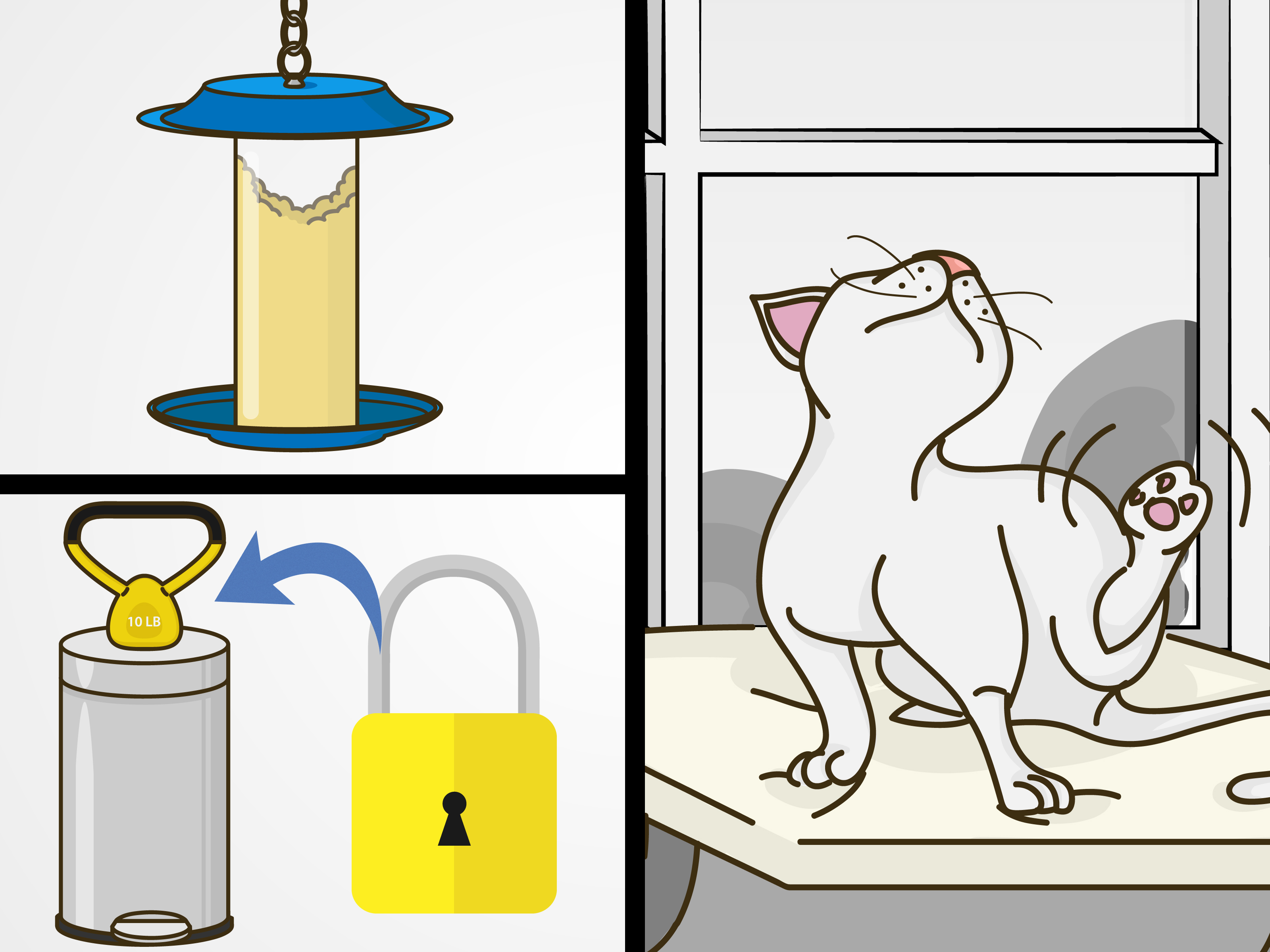
Cats are elegant, mysterious, and occasionally convinced they are tiny opera singers with mortgage-level responsibilities. One minute your cat is lounging like a velvet statue; the next, they are pawing your laptop, meowing into the void, knocking pens off the desk, or standing on your chest at 4:37 a.m. like a furry debt collector. Welcome to the world of attention seeking behavior in cats.
The good news? Your cat is not plotting your downfall. Probably. Attention seeking behavior usually means your cat has learned that a certain action gets a reaction. Meowing gets breakfast. Pawing gets petting. Chewing a phone charger gets you to leap across the room with the athleticism of a frightened gazelle. To a cat, that is not “being bad.” That is simply data.
This guide breaks down three practical, humane, and vet-informed ways to deal with attention seeking behavior in cats: understand what your cat is trying to say, give them better outlets, and reward the behavior you actually want. The goal is not to turn your cat into a silent decorative pillow. The goal is a happier cat, a calmer home, and fewer dramatic performances during your Zoom meetings.
What Does Attention Seeking Behavior in Cats Look Like?
Attention seeking behavior in cats can be adorable, annoying, confusing, or all three before breakfast. Common signs include excessive meowing, pawing at your face, following you from room to room, jumping on counters, scratching furniture while staring directly into your soul, knocking objects off tables, biting ankles, climbing on keyboards, or demanding food when dinner happened 11 minutes ago.
Some cats become loud. Some become clingy. Some become tiny chaos machines. The behavior may happen at predictable times, such as early morning, after work, before meals, or when you sit down to focus. That pattern matters because it helps you identify the payoff. Cats repeat behaviors that work. If your cat screams and you feed them, the lesson is clear: “Excellent. The sound button opens the food portal.”
Before changing the behavior, remember this important rule: sudden changes deserve attention. If a normally quiet cat starts yowling, hiding, clinging, overgrooming, avoiding the litter box, acting hungry all the time, or seeming restless at night, call your veterinarian. Pain, dental disease, arthritis, hyperthyroidism, high blood pressure, urinary issues, anxiety, cognitive changes in senior cats, and other medical problems can show up as “attention seeking.” Your cat may not be dramatic; they may be asking for help.
Way 1: Decode the Behavior Before You Correct It
The first way to deal with attention seeking behavior in cats is to become a detective, not a referee. Instead of asking, “How do I stop this?” ask, “What is my cat getting from this?” That small shift changes everything.
Track the pattern
For a few days, write down what happens before, during, and after the behavior. This does not need to be fancy. A note on your phone works. Track the time, location, behavior, your response, and what your cat did next.
For example: “6:10 a.m. Cat meowed outside bedroom. I got up and fed her. She stopped.” Translation: the meow worked. Or: “8:30 p.m. Cat bit my ankle while I watched TV. I grabbed the wand toy. He played.” Translation: ankle biting became the doorbell for playtime.
Once you see the pattern, you can change the routine. If your cat meows for breakfast at sunrise, an automatic feeder may help break the connection between yelling and human movement. If your cat attacks your feet at night, they may need a structured play session before bed. If your cat scratches the couch when you are on the phone, they may be bored, overstimulated, or looking for interaction.
Check the basics first
Cats are not subtle about some needs, but they are very good at making those needs look like mischief. Before labeling the behavior as attention seeking, check the essentials:
- Is the food schedule predictable?
- Is fresh water available?
- Is the litter box clean, easy to access, and placed in a low-stress area?
- Does your cat have safe hiding spots?
- Are there enough scratching surfaces?
- Does your cat have vertical space, such as a cat tree or window perch?
- Has anything changed recently, such as a move, new pet, new baby, visitors, construction, or a different work schedule?
Many “bad” behaviors are normal cat needs wearing a tiny villain costume. Scratching is normal. Climbing is normal. Hunting-style play is normal. Vocalizing is normal. Trouble starts when the home does not offer acceptable ways to do those things.
Know when to call the vet
A veterinary checkup is wise if attention seeking behavior is sudden, intense, or paired with other changes. Watch for increased thirst, appetite changes, weight loss, litter box accidents, straining to urinate, vomiting, limping, hiding, aggression, confusion, disorientation, excessive grooming, or nighttime yowling in an older cat.
Senior cats can develop age-related cognitive changes, and those changes may include nighttime vocalizing, restlessness, and confusion. Cats in pain may become clingy, irritable, unusually vocal, or unwilling to be touched. A vet visit helps you avoid spending weeks “training” a behavior that is actually a health problem.
Way 2: Give Your Cat Better Outlets for Energy and Curiosity
The second way to deal with attention seeking behavior in cats is to make your home more interesting than your ankles. Indoor cats are safer from cars, predators, and disease, but indoor life can become dull if the environment never changes. A bored cat will invent hobbies. Sadly, those hobbies may include screaming into hallways, unrolling toilet paper, or treating your houseplants like salad with consequences.
Use the hunt-eat-groom-sleep rhythm
Cats are natural hunters. Even the cat who fears the vacuum and loses fights with dust bunnies still has a predator brain. A helpful routine is: hunt, catch, eat, groom, sleep. This means you play with your cat before meals, let them “catch” the toy, then feed them. After eating, many cats naturally groom and settle down.
Try two or three short play sessions daily instead of one long marathon. Ten minutes with a wand toy can be more effective than leaving a pile of toys on the floor forever. Make the toy move like prey: hide it behind furniture, let it pause, dart, flutter, and escape. Do not simply wave it in your cat’s face like a tiny motivational flag. Cats enjoy the chase, not an object bonking them on the nose.
Rotate toys so they stay exciting
Cats often get bored with the same toys. Keep a few toys available and store the rest. Every few days, rotate them. Suddenly, the old crinkle ball becomes a thrilling archaeological discovery. This is cheaper than buying new toys every week and less embarrassing than realizing your cat prefers the cardboard box anyway.
Good options include wand toys, soft kicker toys, crinkle balls, tunnels, catnip toys, silvervine toys, and safe solo toys. Always supervise string, ribbon, yarn, or toys with small parts. Cats are experts at turning “fun” into “why are we at the emergency clinic?”
Add food puzzles and foraging games
Food puzzles can help reduce boredom and slow down cats who inhale meals like tiny vacuum cleaners. They also give your cat a job. Start easy. Place a few pieces of kibble or treats in a muffin tin, on a snuffle mat, or inside a simple rolling puzzle. If the puzzle is too hard at first, your cat may quit and file a formal complaint by glaring.
You can also hide small portions of dry food around a room so your cat can “hunt” for dinner. Use this carefully in multi-pet homes, especially if one pet guards food or steals meals. The goal is enrichment, not a household buffet brawl.
Create a cat-friendly environment
Environmental enrichment does not require turning your living room into a jungle gym, although your cat would support that proposal. Start with a few essentials:
- A tall cat tree or sturdy shelves for climbing
- A window perch for bird-watching
- Horizontal and vertical scratching posts
- Cozy hiding spaces
- Quiet resting areas away from dogs, children, and household traffic
- Multiple litter boxes in multi-cat homes
- Separate food, water, and litter areas
Vertical space is especially powerful because it helps cats feel secure and in control. A cat who can watch the room from a perch may feel less need to demand attention through noise or disruption. Window perches also provide “cat television,” especially when birds, squirrels, leaves, and suspicious delivery drivers appear outside.
Way 3: Reward Calm Behavior and Stop Paying for Drama
The third way to deal with attention seeking behavior in cats is simple in theory and emotionally challenging in practice: stop rewarding the behavior you dislike, and start rewarding the behavior you want.
This does not mean ignoring your cat’s needs. It means not giving attention at the exact moment your cat is performing the unwanted behavior. Attention includes petting, talking, laughing, scolding, picking them up, feeding them, chasing them, or shouting their full government name across the kitchen. To some cats, even scolding is a standing ovation.
Wait for a tiny moment of quiet
If your cat meows for attention, wait for even one or two seconds of quiet, then reward that quiet moment with petting, play, or a calm greeting. Over time, you can wait for longer periods of quiet before responding. This teaches your cat that silence, not screaming, opens the attention door.
The same idea works for pawing, jumping, and pestering. If your cat paws your arm while you work, avoid immediately petting them. Wait until the paws are down, then give attention. If your cat jumps on the counter to get a reaction, calmly remove access or redirect without turning it into a thrilling chase scene.
Use scheduled attention
Many attention seeking cats improve when attention becomes predictable. Schedule play, meals, grooming, and cuddles. A cat who knows playtime happens after dinner may be less likely to demand it by body-slamming your keyboard at 2 p.m.
Try a daily rhythm like this:
- Morning: breakfast from a bowl, puzzle feeder, or automatic feeder
- Midday: window perch, solo toys, or hidden kibble hunt
- Evening: 10 to 15 minutes of interactive play
- After play: dinner or a small snack
- Bedtime: quiet routine, dim lights, and no exciting response to night meowing
Consistency matters. If you ignore meowing six days a week but feed your cat at 5 a.m. on Sunday because you are exhausted, your cat learns persistence. Cats are tiny statisticians. They remember the one time the slot machine paid out.
Do not punish attention seeking behavior
Punishment can increase fear, stress, and confusion. Yelling, spraying water, shaking cans, or chasing your cat may stop the behavior in the moment, but it can damage trust and create new problems. A stressed cat may hide, avoid you, become aggressive, overgroom, or develop litter box issues.
Instead, manage the environment. Put breakable items away. Close the office door during important calls. Use puzzle feeders before predictable trouble times. Provide a scratching post near the couch. Place a cat bed beside your desk so your cat has a legal workstation. Reward your cat for using the better option.
Common Mistakes That Make Attention Seeking Worse
Feeding after meowing
If meowing produces food, meowing will grow. Use timed meals, puzzle feeders, or an automatic feeder to separate you from the food delivery process.
Only playing when your cat attacks
If ankle biting starts playtime, ankle biting becomes a strategy. Schedule play before your cat reaches goblin mode.
Giving attention only when your cat is annoying
Quiet cats are often ignored because they are not causing problems. Reward calm behavior throughout the day. A soft word, gentle pet, or treat when your cat is relaxing can teach them that peace pays.
Expecting instant results
Behavior change takes time. Some cats get louder or more persistent before they improve because the old behavior used to work. This is sometimes called an extinction burst. Stay calm and consistent. Your cat is not broken; they are renegotiating the contract.
When Attention Seeking May Be Anxiety
Some cats are not merely bored or clever. They may be anxious. Anxiety-related behavior can include clinginess, excessive vocalization, pacing, hiding, overgrooming, appetite changes, aggression, litter box problems, or distress when you leave. Cats are sensitive to changes in routine, territory, scent, noise, and social dynamics.
If anxiety seems likely, create a predictable environment. Give your cat a safe room or quiet zone. Keep food, water, litter, bedding, and scratching options easy to access. Use slow introductions for new pets. Avoid forcing interaction. Consider discussing pheromone products, calming strategies, or a veterinary behavior referral with your vet if the behavior is severe.
Quick Troubleshooting Guide
If your cat meows at night
Increase daytime activity, add evening play, feed after the final play session, and avoid responding to nighttime meows unless you suspect illness or distress. For older cats, schedule a vet check if nighttime yowling is new.
If your cat jumps on your desk
Place a cat bed, perch, or box beside your workspace. Reward your cat for using that spot. Give a short play session before long work blocks.
If your cat knocks things down
Remove tempting objects, add puzzle toys, and reward calm behavior near tables. Remember, knocking things down is highly entertaining when humans gasp like Victorian ghosts.
If your cat bites for attention
Stop interaction briefly and calmly. Do not yell or roughhouse. Increase scheduled wand-toy play and give your cat appropriate kicker toys for biting and grabbing.
Experience Section: What This Looks Like in Real Life
Living with an attention seeking cat is less like owning a pet and more like sharing space with a very small roommate who has strong opinions and no rent history. The most useful lesson is that cats are usually not trying to irritate us. They are trying to communicate, entertain themselves, or repeat something that worked before.
Imagine a cat named Biscuit who meows every morning before sunrise. At first, the family gets up and feeds him because everyone wants peace. Biscuit learns that dawn screaming is effective. The solution is not to lecture Biscuit about household boundaries. Biscuit has no interest in policy meetings. Instead, the family sets an automatic feeder for a consistent morning time and stops getting up when he meows. For the first few days, Biscuit escalates. He sings louder. He adds door scratching. He considers a career in percussion. But because breakfast no longer comes from a sleepy human, the behavior slowly loses power.
Now picture Luna, a cat who sits on laptops. Luna is not passionate about spreadsheets. She wants warmth, attention, and proximity. Her person places a soft bed next to the desk, warms it with a safe microwavable pet warmer, and drops a treat there whenever Luna chooses it. When Luna steps on the keyboard, she is gently moved without drama. When she settles in the bed, she gets praise. After a while, the bed becomes her office. Productivity returns. Luna remains management.
Then there is Pickles, the ankle ambusher. Every evening, Pickles hides behind the couch and attacks passing feet. The family used to shriek, run, and toss toys afterward, which made the whole event thrilling. They change the routine by playing with Pickles before the usual ambush hour. A wand toy lets him stalk, chase, pounce, and “catch” prey. After play, he gets dinner. The ankle attacks fade because his hunting needs are met before he creates his own safari.
Another common case is the door yodeler. This cat cannot tolerate a closed bathroom, bedroom, closet, pantry, or possibly the concept of privacy. Some cats simply want access. Others are worried because their person disappeared. A helpful approach is to practice short separations while giving the cat something rewarding, such as a puzzle feeder or treat hunt. Start with brief periods and return before the cat panics. The goal is to teach, “Closed doors are boring, not catastrophic.”
The biggest real-life tip is to reward your cat when they are already being good. Many people ignore a quiet cat and respond only when the cat becomes loud. That accidentally teaches the cat to upgrade from polite request to full theatrical production. Catch your cat resting calmly, using a scratching post, sitting beside you instead of on you, or waiting quietly near the food area. Reward those moments. Behavior that gets paid gets repeated.
Finally, patience matters. Cats do not read self-improvement books. They learn through patterns. If your responses are consistent, kind, and predictable, your cat can learn new habits. You may still have a chatty cat, a cuddly cat, or a cat who believes every closed cabinet contains treasure. That is normal. The goal is not perfection. The goal is a home where your cat’s needs are met and your sanity is not hanging by a single shredded curtain thread.
Conclusion
Attention seeking behavior in cats is usually a message, a habit, or both. Start by ruling out health problems and identifying what your cat is trying to gain. Then add enrichment that satisfies natural feline behaviors like hunting, climbing, scratching, exploring, and resting safely. Finally, reward calm behavior while avoiding accidental payoffs for meowing, pawing, biting, or chaos-based communication.
Your cat does not need harsher discipline. They need clearer patterns, better outlets, and a human who can resist negotiating with a tiny furry lawyer at 5 a.m. With patience and consistency, most cats can learn that calm behavior gets attention, play, and rewards. And you can learn that sometimes the best response to a dramatic meow is a deep breath, a plan, and maybe a very strong cup of coffee.
Note: This article is for educational purposes and is not a substitute for veterinary care. If your cat’s behavior changes suddenly, seems intense, or comes with signs of illness, pain, confusion, appetite changes, or litter box problems, contact a veterinarian.