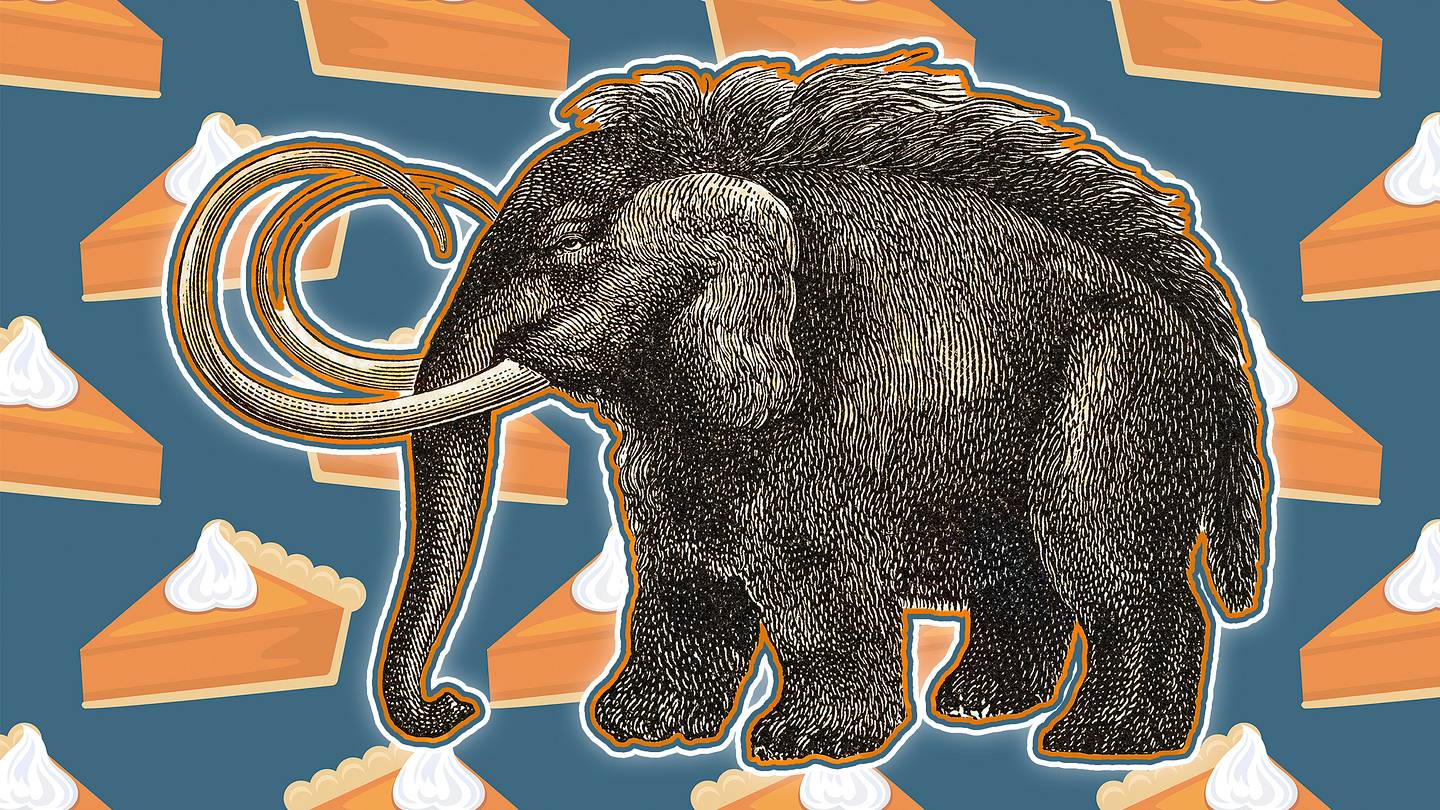
Before pumpkin pie became the silky, cinnamon-scented celebrity of the Thanksgiving dessert table, it had a much stranger résumé. Its ancient relatives were not sweet, orange, or politely waiting beside whipped cream. They were small, bitter, tough-skinned gourds growing across the Americas, and many animals wanted absolutely nothing to do with them. Then came the mammoths, mastodons, giant sloths, and other enormous plant-eaters of the Ice Agenature’s original seed-delivery trucks, except fuzzier, smellier, and much less concerned with table manners.
Yes, the title is real in spirit: mammoth poop helped give us pumpkin pie. Not because anyone baked with itplease remove that thought from the oven immediatelybut because prehistoric megafauna likely ate wild members of the Cucurbita family and spread their seeds through dung. Those seeds eventually helped preserve plant lineages that humans later domesticated into squash, pumpkins, and the creamy filling that now lives inside America’s most famous fall pie.
This is the kind of food history that sounds like a prank from a very nerdy Thanksgiving uncle. But underneath the giggles is a serious story about evolution, extinction, Indigenous agriculture, plant domestication, and the way one dessert can carry thousands of years of ecological drama under a flaky crust.
The Wild Ancestors of Pumpkin Pie Were Not Dessert Material
Modern pumpkin pie is gentle. It is soft, sweet, spiced, and unlikely to start a fight unless someone forgot the whipped cream. Ancient wild gourds were different. The early relatives of pumpkins and squash belonged to the genus Cucurbita, a group that includes pumpkins, zucchini, summer squash, winter squash, and gourds. Many wild varieties contained bitter chemical compounds called cucurbitacins. These compounds helped protect the plants from being eaten by small mammals and insects.
From the plant’s point of view, bitterness was a security system. Small animals could chew through the fruit and destroy the seeds, which was bad news for future baby gourds. A bitter, toxic fruit said, in botanical language, “Kindly snack elsewhere.” For rodents and smaller herbivores, that message worked. But for mammoths and other giant mammals, the warning label was not nearly as intimidating.
Large Ice Age herbivores had two advantages. First, their size meant that a dose of cucurbitacin that could trouble a small animal was less dangerous to them. Second, research suggests that some big mammals may not have been as sensitive to the bitter taste. To a mammoth, a wild gourd may have been less “inedible nightmare” and more “odd little trail snack.”
Meet the Megafauna: Prehistoric Gardeners With Terrible Bathroom Habits
During the Pleistocene epoch, North America was home to an impressive cast of supersized mammals. Mammoths and mastodons browsed across grasslands, woodlands, and floodplains. Giant ground sloths lumbered through the landscape like furry furniture with claws. These animals shaped ecosystems by eating plants, trampling vegetation, opening clearings, fertilizing soil, and moving seeds far from parent plants.
That last job matters most for our pumpkin pie story. Many plants rely on animals to disperse seeds. A fruit attracts an animal; the animal eats the fruit; the seeds travel through the digestive system; and later, the seeds land in a nutrient-rich package. It is not glamorous, but evolution is not applying for a magazine cover. Dung is a very practical seed starter kit.
Wild Cucurbita fruits appear to fit this pattern. Their tough rinds and bitter flesh made them unattractive to smaller animals, yet their size and chemistry made sense for massive herbivores. When mammoths, mastodons, or giant sloths ate them, the seeds could be carried across long distances and deposited in new places, complete with fertilizer. In short, megafauna may have been the original pumpkin delivery service.
Why Poop Was a Perfect Pumpkin Passport
Seeds do not have legs, calendars, or travel rewards points. They need help. Wind can move tiny seeds, water can carry floating seeds, and birds can spread berries. But large fruits often need large animals. A gourd sitting under its parent vine is stuck in a crowded neighborhood, competing for light, water, and soil. A seed dropped miles away in mammoth dung gets a fresh start.
That journey also protects genetic diversity. When seeds move across landscapes, plant populations mix, adapt, and survive changing conditions. For wild squashes and gourds, megafauna were not just casual eaters. They may have been key ecological partners.
Then the Giants Disappeared
Around the end of the Pleistocene, many of the large mammals that once roamed the Americas vanished. The causes are still debated, but climate change, shifting habitats, and human hunting pressure likely all played roles. Whatever the exact recipe, the result was dramatic: mammoths, mastodons, and many other megafauna disappeared from the landscape.
For wild Cucurbita, this was a crisis. If your fruit evolved for giant animals and those animals vanish, your business model collapses. Smaller mammals were still around, but they were often deterred by the bitterness and toxins. Without big herbivores to eat the fruit and spread the seeds, some wild squash and gourd populations may have declined sharply.
This is where the story becomes wonderfully ironic. The same extinction event that removed the plants’ old partners may have opened the door for a new partner: humans.
Humans Enter the Story: From Bitter Gourd to Useful Crop
Early peoples in the Americas did not walk up to a wild bitter gourd, taste it, and say, “Perfect, let’s serve this with nutmeg.” More likely, humans first valued gourds for practical uses. Tough shells could become containers, bowls, floats, or tools. Seeds may have been eaten before the flesh became desirable. Over many generations, people noticed variation: some plants were less bitter, some had better seeds, some produced larger or more useful fruits, and some grew well near camps and settlements.
That is domestication in action. Humans selected, saved, planted, and replanted the plants that best served their needs. The wild gourd slowly transformed. Its descendants became larger, fleshier, less bitter, more productive, and more dependable. Across the Americas, multiple species of Cucurbita were domesticated in different regions. In Mexico, archaeological evidence places squash domestication thousands of years before many other famous crops. In eastern North America, Indigenous communities also cultivated squash as part of rich agricultural systems.
In other words, mammoths may have helped keep the ancient gourd line moving, but humans turned that line into dinner. The pumpkin pie on your plate is not simply a dessert; it is a collaboration between extinct animals, resilient plants, and generations of Indigenous agricultural knowledge.
Why Pumpkin Pie Is Really a Story of Survival
The phrase “mammoth poop gave us pumpkin pie” is funny because it sounds absurd. But the science behind it reveals a deeper truth: crops are not isolated inventions. They emerge from ecosystems. They have wild ancestors, animal partners, genetic bottlenecks, climate pressures, and human caretakers. Pumpkin pie is not just a recipe. It is a survivor’s tale with whipped cream.
Imagine a timeline. First, wild gourds evolve defensive bitterness to keep the wrong animals away. Then giant mammals eat them anyway and spread the seeds. Then those giant mammals disappear. Then humans begin cultivating the remaining plants, selecting traits that make them more useful and eventually more delicious. Thousands of years later, someone opens a can of pumpkin puree and complains that the crust is soggy. History is humbling.
The Pumpkin Was Not Always the Star of Thanksgiving
Pumpkins were widely used in early American cooking, especially in New England, where colonists learned about Indigenous crops and adapted them to European cooking styles. Pumpkins were roasted, stewed, dried, brewed into ale, and cooked into puddings. The modern pumpkin pie did not appear fully formed at the first Thanksgiving. Early versions were likely closer to stewed pumpkin dishes, custards, or spiced puddings than the neat orange wedge we know today.
By the late 18th and 19th centuries, pumpkin pie had become a more recognizable American dish. Cookbooks helped standardize recipes with milk or cream, eggs, sweeteners, spices, and pastry crust. Over time, pumpkin pie became tied to Thanksgiving, harvest nostalgia, New England identity, and eventually national tradition. The dessert became so familiar that we often forget how wild its origin story is.
From Ancient Fields to Modern Grocery Shelves
Today, pumpkins are grown across the United States, with major production centered in states such as Illinois. Many pumpkins used for canned puree are not the round jack-o’-lantern pumpkins sitting on porches in October. Processing pumpkins are often bred for dense flesh, smooth texture, and reliable flavor. They may look less like Halloween decorations and more like tan, practical squash that came to work with a spreadsheet.
The pumpkin spice craze also changed the pumpkin’s cultural role. Lattes, candles, cereals, cookies, and air fresheners have turned pumpkin into a seasonal personality trait. But the actual pumpkin remains a nutritious winter squash with deep roots in Indigenous agriculture. Long before it became a marketing event, it was food, storage, seed, medicine, container, crop, and cultural symbol.
What Mammoth Poop Teaches Us About Food
The mammoth-to-pie connection is a reminder that food history is rarely tidy. Every familiar ingredient has an untidy ancestry. Corn was once a wild grass. Apples traveled through forests, trade routes, and grafted orchards. Wheat changed human settlement patterns. Chocolate began as a bitter seed in tropical pods. Pumpkins and squash passed through the digestive systems of giant mammals before becoming garden crops.
That may sound less appetizing than a glossy food magazine photo, but it makes food more interesting. The next time you see pumpkin pie, you can appreciate more than its spices. You can see Ice Age ecology, seed dispersal, megafaunal extinction, Indigenous farming, colonial adaptation, and modern agriculture all compressed into one dessert. Not bad for something most people eat in under five minutes.
Common Myths About Pumpkins, Mammoths, and Pie
Myth 1: Pumpkin Pie Literally Contains Ancient Mammoth Poop
Absolutely not. The “poop” part refers to seed dispersal, not ingredients. Mammoths and other megafauna likely helped spread ancient gourd seeds through dung. Your pie filling is safe from paleontological bathroom material.
Myth 2: Pumpkins Were Always Sweet and Orange
Nope. Wild relatives of pumpkins were often smaller, harder, and much more bitter than modern varieties. Sweetness, texture, size, and flavor improved through long-term human selection.
Myth 3: Pumpkin Pie Was Served Exactly Like Today at the First Thanksgiving
Highly unlikely. The ingredients, ovens, and culinary traditions needed for modern pumpkin pie were not all present in the same way. Pumpkin dishes existed, but the classic custard pie developed over time.
Myth 4: Humans Alone Created Pumpkins
Humans domesticated pumpkins and squash, but they did not start with a blank canvas. Evolution, wild plant diversity, extinct animals, climate, and Indigenous cultivation all shaped the crop before it reached modern kitchens.
Experience Notes: Tasting the Ice Age in a Slice of Pie
The first time I heard that mammoth poop had anything to do with pumpkin pie, I reacted like most reasonable people: I stared at my dessert with suspicion. There it sat, innocent and orange, wearing a cloud of whipped cream like a tiny holiday hat. Could this smooth little triangle really be connected to shaggy Ice Age giants and prehistoric dung? The answer, delightfully, was yesbut in the clean, scientific, seed-dispersal way, not the “call the health department” way.
That story changes how pumpkin pie feels at the table. Instead of seeing it as just another Thanksgiving requirement, I see it as an edible museum exhibit. The crust is the frame. The filling is the artifact. The cinnamon is the friendly tour guide saying, “Please keep moving; there is more weird history ahead.” When guests ask for a fun food fact, this one never fails. It begins with laughter, then turns into real curiosity. People want to know why the gourds were bitter, how mammoths spread seeds, and how humans made such an unfriendly plant into something worth saving room for.
It also makes gardening feel more dramatic. Planting squash seeds in a backyard is usually a humble activity involving dirt, hose water, and the quiet hope that squirrels will mind their own business. But after learning the megafauna connection, a squash vine looks like a survivor from an older world. Its curling tendrils seem less ordinary. Its big leaves feel almost prehistoric. Even a stubborn pumpkin vine crawling across the yard like it owns the mortgage becomes part of a 10,000-year story.
In the kitchen, this history adds humor to the recipe. Stirring pumpkin puree with eggs, sugar, ginger, cloves, and evaporated milk suddenly feels like the final chapter of a very long adventure. A mammoth helped move the seed. Ancient farmers helped tame the fruit. Indigenous foodways preserved and improved the crop. Colonial cooks turned pumpkin into puddings and pies. Modern bakers argue about canned versus fresh puree with the seriousness of Supreme Court justices. And finally, someone at the table says, “Is there more whipped cream?” Humanity is beautiful.
The best experience related to this topic is sharing it with people who think food is boring. Pumpkin pie proves the opposite. Food is biology, migration, extinction, chemistry, farming, memory, and culture. It is funny and profound at the same time. A slice of pie can make you think about vanished animals, ancient landscapes, and the patience of people who selected better plants season after season. It can also make you grateful that evolution outsourced seed transportation to giant mammals instead of asking us to do it manually. We can barely remember to bring reusable bags.
So the next time pumpkin pie appears at the end of a meal, pause before the fork lands. Notice the color. Smell the spices. Think of wild gourds on ancient floodplains, mammoths wandering through open landscapes, seeds traveling in the least elegant but most effective way possible, and farmers slowly guiding bitterness toward sweetness. Then take a bite. It is not just dessert. It is ecology with a crust.
Conclusion: The Strangest Thank-You Note in Dessert History
So, did mammoth poop give us pumpkin pie? In the most entertainingly scientific sense, yes. Ancient megafauna likely helped wild gourds and squashes move across the landscape by eating the fruits and dispersing the seeds in dung. When those giant mammals disappeared, wild Cucurbita lost important partners. Human communities then stepped into the story, cultivating, selecting, and transforming bitter gourds into edible squash and pumpkins.
From there, the journey continued through Indigenous agriculture, colonial kitchens, early American cookbooks, commercial farms, canned pumpkin, holiday traditions, and the great annual debate over whether pumpkin pie needs whipped cream. For the record, it does.
The next time someone calls pumpkin pie boring, you now have the perfect response: “Boring? This dessert survived mammoths, extinction, domestication, colonial cooking, and pumpkin spice season.” That should earn at least one respectful silence and possibly the last slice.