Note: This article is based on publicly reported information, official statements, and court allegations available at the time of writing. David Anthony Burke, known professionally as D4vd, has pleaded not guilty. Allegations should not be treated as proven facts unless established in court.
Some true-crime stories begin with a single strange detail. This one arrived like a box of puzzle pieces spilled onto the floor: a foul odor at a Los Angeles tow yard, a Tesla registered to a rising singer, a teenage girl missing from Southern California, a small tattoo, a reported boyfriend named David, and a leaked song that suddenly sounded less like moody pop and more like evidence people wanted to decode with a magnifying glass and three cups of coffee.
The case surrounding singer D4vd, whose legal name is David Anthony Burke, and the death of Celeste Rivas Hernandez has become one of the most disturbing celebrity-linked criminal cases in recent memory. What began as internet sleuths pointing at eerie overlaps has since moved into the far more serious territory of formal charges, a homicide ruling, and court proceedings. The online reaction can be summed up in three words: too many coincidences. But in a courtroom, coincidences are not enough. Evidence, timelines, forensic findings, and witness statements matter.
Who Is D4vd?
D4vd rose quickly in the music world with a bedroom-pop, alt-R&B sound that felt built for late-night headphones and TikTok edits. His breakout track "Romantic Homicide" became a viral hit, giving him a fan base that was young, online, and deeply invested in the emotional drama of his music. His rise had the modern pop-star recipe: streaming success, social media momentum, fashion partnerships, festival appearances, and a personal style mysterious enough to keep fans guessing.
That mystery became a problem when police discovered human remains in a Tesla registered to Burke. Suddenly, fans were not just debating lyrics or tour dates. They were comparing tattoos, old livestreams, Discord chatter, missing-person details, and songs. The internet, as it often does, grabbed a flashlight and sprinted into the basement before the professionals had finished dusting for prints.
The Discovery In The Tesla
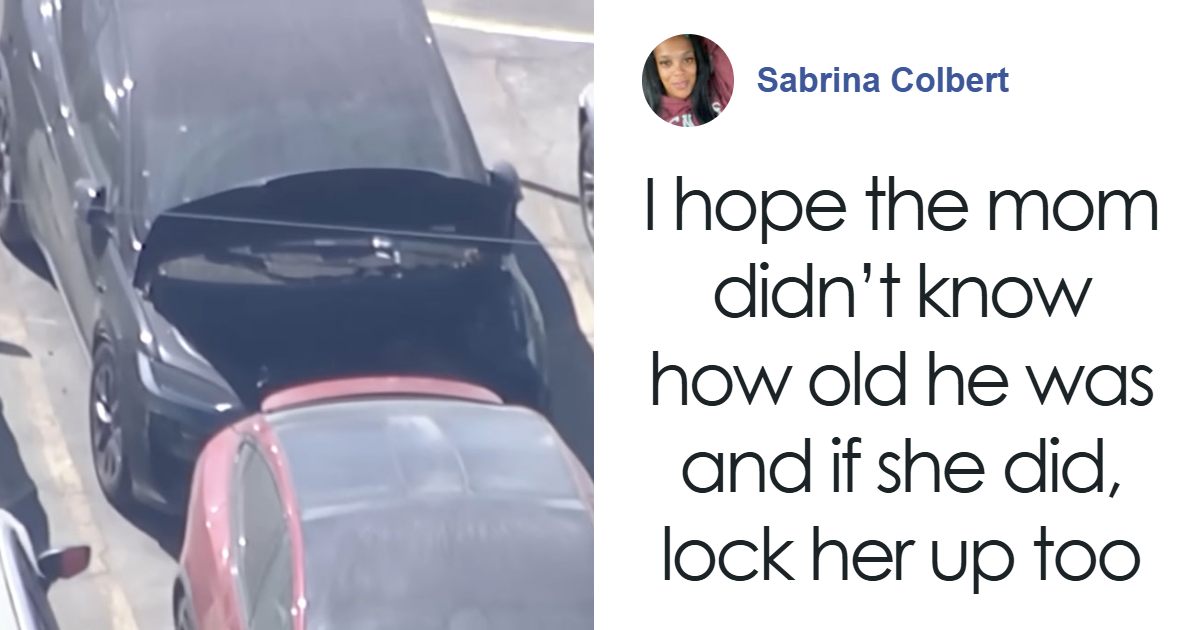
On September 8, 2025, authorities responded to a Los Angeles tow yard after workers reported a foul smell coming from an impounded Tesla. Inside the vehicle’s front trunk, investigators found decomposed human remains. The car was reportedly registered to David Anthony Burke, better known as D4vd.
Several days later, the victim was identified as Celeste Rivas Hernandez, a teenage girl from Lake Elsinore, California. She had been reported missing after repeated disappearances, and her case had already haunted her family long before the national spotlight arrived. The Los Angeles County Medical Examiner later determined that Celeste died from multiple penetrating injuries caused by object or objects, and the manner of death was ruled a homicide.
The detail that made the public freeze was not only where Celeste was found, but how many threads seemed to lead back toward the same person. In the early days, none of those threads alone proved guilt. But together, they created a storm of suspicion that grew louder with every update.
The Details That Sparked The "Too Many Coincidences" Reaction
1. The Car Was Registered To The Singer
The most obvious connection was the vehicle itself. A body being found in any car is shocking. A body being found in a car registered to a famous young singer is the kind of headline that makes people read twice, blink, and then read a third time just to make sure their phone did not invent it.
Authorities reported that the Tesla had been abandoned and later impounded. The discovery raised immediate questions: Who had access to the vehicle? How long had it been parked? Who knew where it was? Why had no one reported anything sooner? These questions became central to the investigation and fueled intense public speculation.
2. The "Shhh…" Tattoo
One of the most widely discussed details was a small finger tattoo. Reports said Celeste had a tattoo reading "Shhh…" on her right index finger. Online users quickly noted that D4vd had been photographed with a similar tattoo in the same general location.
To be fair, matching tattoos are not automatically criminal evidence. Plenty of people have the same trendy ink, and the "shhh" finger tattoo has appeared on celebrities before. It is not exactly a rare medieval rune carved into a cave wall. Still, in context, the detail felt unsettling to many observers, especially because it sat beside other reported connections.
3. Reports Of A Boyfriend Named David
According to media reports, Celeste’s mother said her daughter had mentioned a boyfriend named David. D4vd’s legal name is David Anthony Burke. Again, a first name alone is not proof. America contains enough Davids to populate a small moon. But when the name is paired with the car, the tattoo, and later court allegations, the coincidence became harder for the public to ignore.
4. A Leaked Song Named "Celeste"
Another detail that sent internet sleuths into overdrive was a leaked D4vd track reportedly referencing a girl named Celeste. The existence of a song with the same name as the victim became part of the online conversation almost immediately. Fans and critics combed through lyrics, trying to decide whether they were hearing artistic melodrama, coincidence, obsession, or something more sinister.
This is where caution matters. Song lyrics are not confessions by default. Artists write dark songs all the time, and pop music has never exactly been allergic to dramatic metaphors. If every sad song were treated as a police report, half the music industry would need lawyers by lunch. Still, when lyrics align with names and reported personal connections in an active homicide case, they naturally attract scrutiny.
From Internet Speculation To Criminal Charges
The case did not remain in the land of screenshots and comment sections. In April 2026, Los Angeles County prosecutors charged Burke with first-degree murder and additional counts related to alleged sexual acts involving a minor and mutilation of human remains. Prosecutors also alleged special circumstances, including lying in wait, murder for financial gain, and killing a witness in a criminal investigation.
Burke pleaded not guilty. His attorneys have maintained that the evidence will show he did not murder Celeste and was not the cause of her death. That point is essential. Public outrage, viral theories, and grim headlines do not replace due process. The legal system still has to prove its case.
According to prosecutors, Celeste was last known to be alive after going to a Hollywood Hills residence associated with Burke in April 2025. Authorities have alleged that Burke killed her after she threatened to reveal information about their relationship that could damage his music career. Those allegations are severe, but they remain allegations until tested in court.
Why This Case Hit The Internet So Hard
This case spread quickly because it touched several cultural nerves at once: celebrity power, missing minors, online fandom, parasocial relationships, and the uncomfortable way digital clues can sit in public view long before anyone realizes what they might mean.
For fans, D4vd was not a distant old-school celebrity behind velvet ropes. He was a modern internet-era artist whose rise felt accessible. His music lived on phones. His image traveled through edits, streams, posts, and fan communities. That made the allegations feel even more jarring. The same platforms that helped build his career became the places where people dissected it.
The Celeste Rivas Hernandez case also drew attention because missing children cases often struggle to receive sustained national coverage. Many families plead for attention for months or years. Then, when a celebrity connection appears, the spotlight arrives like someone finally turned on all the stadium lights. That can help bring pressure and information, but it can also turn a grieving family’s worst nightmare into public entertainment. There is a line between awareness and spectacle, and the internet often treats that line like a suggestion written in pencil.
The Problem With Internet Sleuthing
Online sleuthing can sometimes surface useful leads. People notice old posts, identify locations, preserve deleted material, and push forgotten cases into wider attention. In some missing-person cases, public tips genuinely matter. But amateur investigation can also create chaos. False accusations spread fast. Rumors mutate. People confuse suspicion with certainty. Someone posts "this proves it" under a screenshot that proves absolutely nothing except that they own a red marker app.
In the D4vd case, the public conversation became intense because the clues felt dramatic: a car, a tattoo, a name, a song, and alleged private connections. But investigators still need forensic evidence, digital records, witness testimony, timelines, and chain-of-custody integrity. A viral thread can raise questions. It cannot convict anyone.
What We Know Versus What Is Alleged
What is publicly known is that Celeste’s remains were found in a Tesla registered to Burke, that her death was ruled a homicide, and that prosecutors filed serious criminal charges against him. It is also known that he pleaded not guilty and remains entitled to the presumption of innocence.
What prosecutors allege is that Burke had an inappropriate relationship with Celeste when she was a minor, killed her to prevent exposure, and later concealed and mutilated her remains. These allegations are graphic and deeply disturbing. They are also the claims the government must prove in court.
That distinction matters for responsible reporting. The goal is not to sanitize the severity of the case. It is to avoid turning accusation into conviction before a judge or jury has heard the evidence. True crime should not become a karaoke machine for outrage, no matter how catchy the headline is.
The Human Center Of The Story: Celeste Rivas Hernandez
Celebrity cases often become distorted by the fame of the accused. The famous name gets the headline, the thumbnails, the search traffic, and the endless analysis. But the center of this story is Celeste Rivas Hernandez, a teenager whose life ended violently and whose family has been left with grief no headline can fix.
Celeste was more than a name connected to a musician’s car. She was a daughter, a young person from Lake Elsinore, and someone whose disappearance should have mattered before the case became famous. Her story is a painful reminder that missing teens, especially those who have run away before or been labeled as troubled, still deserve urgency. A child can be complicated, frightened, rebellious, secretive, or difficult to track and still be in danger. In fact, those are often the exact reasons adults should pay closer attention.
Why Power Imbalances Matter
One of the most troubling elements in the prosecution’s allegations is the claimed relationship between an adult entertainer and a minor. When fame, money, age, access, and emotional influence are involved, the power balance can tilt dramatically. Young fans may feel chosen, special, or protected when someone famous gives them attention. That feeling can be intoxicating. It can also be dangerous.
Parents, schools, platforms, and fan communities need to treat private contact between adults and minors with seriousness. A direct message is not harmless just because it comes with a blue check or a guitar emoji. Grooming can look like affection, mentorship, secrecy, gifts, or emotional dependency before it becomes obvious abuse.
Related Experiences And Lessons From Cases Like This
There are several hard-earned lessons families and online communities can take from cases like the death of Celeste Rivas Hernandez. The first is that missing-person concerns should never be minimized simply because a teenager has left home before. Repeat disappearances can create fatigue among adults, police departments, schools, and even relatives. People may start thinking, "She always comes back," or "He is just acting out." That mindset is dangerous. Patterns of running away can signal deeper risks, including coercion, abuse, exploitation, fear, or an older person exerting control.
The second lesson is that small details matter when they are documented early. Tattoos, jewelry, clothing, online usernames, favorite hangouts, phone numbers, gaming handles, and private social media accounts may seem ordinary until they become vital identifiers. Families should keep updated photos and note distinctive marks without turning the home into a detective agency. Think of it as practical safety housekeeping, like changing smoke detector batteries, but emotionally harder and with fewer chirping noises.
The third lesson involves online privacy. Teens often live in digital rooms parents never enter: Discord servers, disappearing messages, fan chats, livestream comments, alternate accounts, and private group chats. Adults do not need to spy on every conversation, but they should build enough trust that a young person can say, "Someone older is messaging me," without fearing immediate punishment. If the only response a teen expects is anger, they may hide the very information that could protect them.
The fourth lesson is for fans. Admiring an artist is normal. Defending a stranger against every criticism as if they personally paid your rent is not. Parasocial loyalty can make people ignore red flags, attack victims, or excuse behavior they would condemn in anyone else. A favorite singer can make beautiful music and still be investigated for terrible conduct. Art does not grant immunity. A good chorus is not a character witness.
The fifth lesson is for online sleuths. Share verified missing-person information. Preserve public material when appropriate. Send credible tips to authorities. But do not harass families, invent motives, accuse random people, or treat tragedy like an interactive murder-mystery game. Real people are not plot devices. Their relatives read the comments. Their friends see the memes. Responsible curiosity can help; reckless speculation can wound.
Finally, this case shows why communities must respond faster when a young person appears caught between secrecy, older influences, and repeated absence. The safest question is not, "Are we overreacting?" It is, "What would we wish we had done sooner if this became serious?" That question may feel uncomfortable, but discomfort is cheaper than regret.
Conclusion
The story behind the headline "Too Many Coincidences" is no longer just an internet mystery. It is an active criminal case involving the death of Celeste Rivas Hernandez and serious charges against David Anthony Burke, known as D4vd. The details that first captured public attentionthe Tesla, the tattoo, the reported boyfriend named David, the leaked song, and the online trailhelp explain why the case became viral. But the heart of the matter is not the spectacle. It is the loss of a young girl and the legal process now tasked with determining accountability.
As the case moves forward, the public should keep two ideas in mind at the same time: Celeste deserves justice, and the accused is entitled to due process. That balance may not make for the loudest comment section, but it is the only responsible way to discuss a case this serious. The coincidences may have started the conversation. The evidence will decide where it ends.