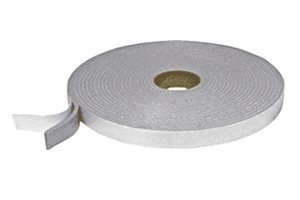
Some products are loud about their usefulness. They arrive with blinking features, dramatic packaging, and a product description that sounds like it was written by a marching band. Then there is CRL 1/2" Adhesive Back Gray Felt Tape: quiet, gray, practical, and surprisingly heroic. It does not ask for applause. It simply keeps glass from rattling, helps protect delicate surfaces, softens contact points, and makes display cases feel less like a percussion section every time someone closes a panel.
In the world of glazing supplies, glass showcases, desktop glass covers, retail displays, cabinets, and specialty installations, the smallest materials often do the most important work. A thin strip of adhesive backed felt tape can be the difference between a clean, professional finish and that tiny, irritating squeak that slowly turns a beautiful display into a haunted cabinet. CRL gray felt tape is designed for exactly those behind-the-scenes jobs where cushioning, separation, and scratch protection matter.
This article takes a practical, in-depth look at what CRL 1/2" Adhesive Back Gray Felt Tape is, where it fits best, how to install it properly, what to watch out for, and why a humble roll of felt tape deserves more respect than it gets. No confetti cannon requiredalthough after a perfect installation, you may feel emotionally entitled to one.
What Is CRL 1/2" Adhesive Back Gray Felt Tape?
CRL 1/2" Adhesive Back Gray Felt Tape is a narrow felt stripping product commonly associated with glass, glazing, display, and surface-protection applications. It is made as a gray felt tape with an adhesive backing protected by a release liner. The idea is simple: clean the surface, peel away the liner, press the tape into place, and allow the felt layer to act as a cushion between hard surfaces.
The 1/2-inch width makes it especially useful for slim contact areas. It is wide enough to provide meaningful cushioning, but narrow enough to stay visually discreet on display fixtures, glass supports, cabinet rails, and desktop glass contact points. Many CRL felt tape products in this family are listed with a 1/16-inch thickness and 100-foot roll length, making them suitable for both small repairs and repeated shop use.
In plain English, this is not the giant fuzzy pad you slap under a couch leg after scratching the floor and pretending not to notice. This is a more precise product. It is the type of tape used when the job needs a clean line, a professional finish, and a surface that says, “Yes, someone measured this twice.”
Why Gray Felt Tape Is So Useful Around Glass
Glass is beautiful, but it is not exactly forgiving. Put glass directly against metal, wood, laminate, or another hard surface, and you may get movement, noise, scuffing, pressure marks, or chips along vulnerable edges. Adhesive back felt tape helps create a soft buffer. It does not make glass indestructiblenothing does, except maybe not touching it, which is a difficult design strategybut it can reduce direct hard-surface contact.
CRL felt showcase stripping is often used for glass showcases and desk tops with glass covers. In those applications, the tape helps cushion the glass, reduce sliding, quiet small vibrations, and protect the supporting surface. A retail display case, for example, may have glass panels resting on ledges or tracks. Without a soft interface, every tap and closure can feel sharp and noisy. Felt tape gives the installation a calmer, more finished feel.
Gray is also a smart color choice. Black felt can look too bold in some installations, while white felt can show dust, grime, and adhesive shadows. Gray sits comfortably in the middle. It blends with aluminum, stainless steel, many display frames, and neutral interiors without shouting, “Hello, I am tape.” In design, invisibility is sometimes the highest compliment.
Key Features and Product Characteristics
Adhesive Backing
The adhesive backing is what makes this tape fast and convenient. There is no separate glue bottle, no brush, no clamp, and no mysterious sticky puddle that appears exactly where your elbow lands. The release paper protects the adhesive until installation. Once removed, the tape can be pressed onto a clean, dry surface.
Gray Felt Surface
The felt face provides the soft contact layer. It is useful where hard materials need separation, especially in display cases, cabinet frames, shelving systems, glass covers, and protective contact points. Felt is also easy to cut, making it practical for custom lengths and small detail work.
1/2-Inch Width
The 1/2-inch width gives the tape a useful balance between coverage and discretion. It can fit narrow rails, slim ledges, small glass contact points, and cabinet edges without looking oversized. For wider platforms, installers may choose wider felt tape, but for many showcase and desktop applications, half an inch is the sweet spot.
Common Roll Format
CRL adhesive back felt tapes in this category are commonly offered in long rolls, often around 100 feet. That roll length is valuable for contractors, glass shops, repair teams, and facilities managers who need repeatable results across multiple fixtures. For one tiny home project, it may feel like a lifetime supply. For a display installer, it can disappear faster than coffee on a Monday morning.
Best Uses for CRL 1/2" Adhesive Back Gray Felt Tape
The most obvious use is cushioning glass, but the practical applications stretch further than many people expect. The tape can be used anywhere a thin, soft, adhesive-backed barrier is needed between two surfaces.
Glass Showcases and Retail Displays
Retail showcases are a natural fit. Jewelry counters, collectible displays, museum-style cases, and boutique shelving often rely on glass panels that sit on rigid supports. Felt tape can help protect contact areas and reduce minor vibration. It also gives the installation a more finished, intentional look.
Desktop Glass Covers
A glass cover over a desk, conference table, vanity, or reception counter can protect the furniture underneath, but the glass itself needs stable support. Felt tape can be placed between the glass and the supporting surface to reduce direct contact, help prevent scuffs, and soften the feel when items are placed on top.
Cabinets, Sliding Panels, and Display Fixtures
Thin felt tape can help quiet small movements in cabinet panels, glass doors, display trays, and shelving systems. It is not a structural fastener and should not be treated like one. Instead, think of it as a finishing material: a cushion, separator, and anti-rattle helper.
Furniture and Decorative Protection
Although CRL felt tape is often discussed in glazing and display contexts, adhesive backed felt strips can also be useful on furniture, decorative objects, picture frames, and small contact points where scratching or noise is a concern. The key is matching the tape to the surface, the load, and the environment.
How to Install Adhesive Back Gray Felt Tape Correctly
Installation is simple, but simple does not mean careless. Adhesive tape rewards patience. It also punishes dust, grease, moisture, and the classic “I eyeballed it” approach. Here is a practical step-by-step method.
Step 1: Plan the Placement
Before peeling the liner, decide exactly where the tape should go. Dry-fit the tape along the edge, rail, or support surface. Mark the start and end points lightly if needed. On visible installations, alignment matters. A crooked felt strip may still work, but it will stare at you forever like a tiny gray accusation.
Step 2: Clean the Surface
The surface should be clean, dry, and free of dust, oil, wax, silicone residue, and loose debris. For many smooth materials, a lint-free cloth and an appropriate cleaner are enough. Isopropyl alcohol mixed with water is commonly used for surface preparation in many pressure-sensitive adhesive applications, but always test first on delicate finishes.
Step 3: Let the Surface Dry
Do not rush this part. Adhesive and moisture are not best friends. Give the surface enough time to dry completely before applying the tape. If the substrate is cold, damp, or dusty, adhesion may suffer.
Step 4: Cut Cleanly
Use sharp scissors or a utility knife to cut the tape to length. A clean cut helps the installation look professional and reduces fraying. If the tape must turn a corner, it is usually better to cut separate pieces rather than forcing a tight bend that may lift later.
Step 5: Peel and Press
Peel back the release liner gradually and press the tape into place. Avoid touching the adhesive with your fingers more than necessary. Apply firm, even pressure along the full length of the strip. Pressure-sensitive adhesives need contact pressure to develop a good bond, so a quick fingertip tap is not enough. Press it like you mean it, but do not crush the felt.
Step 6: Allow Time Before Heavy Use
Many adhesive tapes gain bond strength over time. For best results, avoid unnecessary pulling, sliding, or repositioning immediately after installation. Let the tape settle before placing heavy glass or frequent-use panels on top, especially if the installation will experience vibration or movement.
Common Mistakes to Avoid
The biggest mistake is applying adhesive felt tape to a dirty surface. Dust may look harmless, but to tape adhesive it is basically a tiny field of betrayal. Instead of bonding to the surface, the adhesive bonds to dust, and dust does not have a strong commitment to your project.
Another mistake is stretching the tape during installation. Pulling the tape tight can create tension. Over time, the material may try to relax, which can cause lifting at the ends. Lay the tape down naturally and press it into place without stretching.
Do not use felt tape as a substitute for mechanical support. It cushions; it does not carry structural loads. Glass panels still need appropriate supports, stops, channels, brackets, or hardware based on the design. Felt tape is part of the finishing system, not the engineering department.
Also avoid applying the tape over peeling paint, unstable coatings, fresh finishes that have not cured, oily wood, or textured surfaces that prevent full adhesive contact. The tape is only as reliable as the surface beneath it.
How It Compares With Rubber Bumpers, Foam Tape, and Felt Pads
CRL 1/2" Adhesive Back Gray Felt Tape sits in a useful middle ground. Compared with rubber bumpers, felt tape creates a continuous strip rather than isolated contact points. That makes it useful along rails, edges, and ledges. Rubber bumpers are excellent for doors and stops, but they can be visually obvious and may not distribute contact as evenly.
Compared with foam tape, felt tape is usually thinner, less spongy, and more suitable for low-profile cushioning. Foam may compress more dramatically and can be useful for sealing gaps, but it may also look bulky in fine display work. Felt gives a softer, flatter, more refined finish.
Compared with individual felt pads, tape offers better customization. You can cut long continuous strips, short segments, or custom shapes. For a cabinet rail or glass support ledge, a roll of tape is far more efficient than trying to line up a dozen little pads while questioning your life choices.
Where the 1/2-Inch Size Makes the Most Sense
The 1/2-inch width is ideal when you want protection without overcoverage. It works well on narrow aluminum channels, wood ledges, display rails, glass support edges, and small furniture contact points. It is also easier to hide than wider tape, which matters when the installation will be seen by customers, clients, or that one friend who notices every crooked picture frame in your house.
For broader surfaces, a wider felt tape may be better. CRL and other suppliers offer felt tape in multiple widths, and the right choice depends on how much contact area you need. If the glass edge is narrow, 1/2-inch tape may be perfect. If the glass rests on a wide shelf rail, a wider strip may distribute pressure more evenly.
Buying Considerations Before You Order
Before buying CRL 1/2" Adhesive Back Gray Felt Tape, check the SKU, width, thickness, roll length, color, and availability. Some supplier listings may show the 1/2-inch version as sold out or discontinued, while related widths may still be available. Because product availability can vary by distributor, it is smart to confirm current stock before planning a time-sensitive installation.
Also consider whether gray is the best color for your project. Gray is versatile, but black, white, or other colors may suit certain surfaces better. Match the tape not only to the material but also to the visibility of the installation. A hidden support strip can be chosen for function first. A visible strip should be chosen for both function and appearance.
Finally, estimate your footage generously. Measure the installation area, then add extra for test pieces, trimming, mistakes, and future repairs. Nobody wants to run out six inches before the finish line. That is how toolboxes learn new vocabulary.
Maintenance and Long-Term Performance
Once installed, felt tape requires little maintenance. Keep the area reasonably clean and avoid soaking the tape with harsh cleaners. If dust collects on exposed felt, a gentle vacuum brush or dry cloth can help. In retail environments, periodic inspection is worthwhile because sliding glass, repeated handling, and cleaning routines can wear down contact materials over time.
If the tape begins lifting at the edges, do not simply press it down forever and hope for the best. Remove the failing section, clean the surface thoroughly, and apply a fresh strip. Adhesive that has picked up dust or lost contact usually does not recover its original bond strength. Like leftover fries, it may technically still exist, but the magic is gone.
For installations exposed to heat, sunlight, humidity, or frequent abrasion, inspect the tape more often. Felt tape performs best when used in appropriate indoor or protected applications, especially where its main job is cushioning rather than weather sealing.
Professional Tips for a Cleaner Finish
For the neatest result, cut all visible ends square and align strips carefully with the edge of the supporting surface. Use a small roller or the rounded back of a tool to apply even pressure without flattening the felt too aggressively. On long runs, remove the liner gradually rather than all at once. This helps prevent the tape from sticking to itself, your sleeve, or the nearest object with comedic timing.
When applying tape inside a display case, clean the surrounding area first. Dust trapped under glass or near felt edges can make a finished installation look older than it is. If the tape is being used under a glass desktop, place small pieces consistently so the glass sits level. Uneven strip placement can create wobble, and wobble is the enemy of both elegance and coffee cups.
For repeat work, keep notes on the exact product width, color, and placement pattern. This makes future repairs easier and helps maintain consistency across multiple display cases or office surfaces.
Real-World Experience: What It Feels Like to Use CRL 1/2" Adhesive Back Gray Felt Tape
Using CRL 1/2" Adhesive Back Gray Felt Tape feels like one of those small shop tasks that looks almost too easyuntil you realize the final result depends on patience. The roll itself is straightforward: gray felt on one side, adhesive liner on the other, no confusing parts, no assembly manual thick enough to qualify as a novella. The real skill is in the preparation.
On a glass desktop project, for example, the tape works best when treated as part of the finished design rather than an afterthought. The first instinct may be to stick little sections wherever the glass seems to touch. That can work, but a more careful approach looks better. Measuring the contact points, cutting equal lengths, and placing the strips symmetrically gives the glass a stable, intentional base. Once the glass is lowered onto the felt, the difference is easy to feel. The contact becomes quieter and softer. The glass no longer has that sharp, nervous sound of hard material meeting hard material.
In display cases, the experience is even more noticeable. A case with bare contact points can make every sliding panel or removable top sound slightly rough. Felt tape changes the tone. The movement feels smoother, and the case feels better cared for. Customers may never point at the felt and compliment it, but they will notice the overall impression. Good finishing materials often work that way. They do not steal the spotlight; they make the spotlight look more expensive.
The 1/2-inch width is especially pleasant for detailed work. Wider tape can feel clumsy on narrow rails, while very thin strips may not provide enough coverage. The half-inch size lands in a practical zone. It is easy to guide along an edge, easy to cut, and not too visually heavy. For installers who like clean lines, that matters.
The most important lesson from hands-on use is this: do not rush the cleaning step. A strip applied to a dusty or waxy surface may seem fine at first, but the edges can lift later. The tape is not being dramatic; it is just obeying physics. A clean, dry, stable surface gives the adhesive a fighting chance. Pressing firmly along the full strip also matters. A lazy press can leave small areas with poor contact, especially along textured or uneven surfaces.
Another experience-based tip is to cut slightly longer than needed, test the fit, and trim down carefully. Cutting too short creates little gaps that draw the eye. On dark or shadowed installations, the gaps may not matter much, but on clean display work, they can look sloppy. A sharp blade and a straightedge can make the ends look crisp, especially when the tape is visible.
Finally, keep extra tape stored neatly for future touch-ups. Felt tape is one of those materials you forget about until you suddenly need it. A cabinet starts rattling, a glass cover needs cushioning, a picture frame scratches a shelf, or a display case gets refreshed. Having a roll nearby feels oddly satisfying, like owning the correct size screwdriver when everyone else is trying to use a butter knife.
Conclusion
CRL 1/2" Adhesive Back Gray Felt Tape is a small product with a very practical job: cushioning, protecting, and quieting contact between surfaces, especially in glass showcase and desktop glass applications. Its peel-and-stick design makes installation simple, while the gray felt surface keeps the result discreet and professional.
The best results come from careful preparation. Clean the surface, let it dry, cut the tape cleanly, apply it without stretching, and press it firmly into place. Used correctly, this tape can make glass installations feel more refined, reduce minor rattles, and protect contact points from unnecessary wear. It is not flashy, but it is exactly the kind of product that makes a finished project feel finished.
Note: Product availability, SKU status, roll specifications, and pricing may vary by supplier. Always verify current product details with the seller before purchasing or specifying CRL 1/2" Adhesive Back Gray Felt Tape for a project.