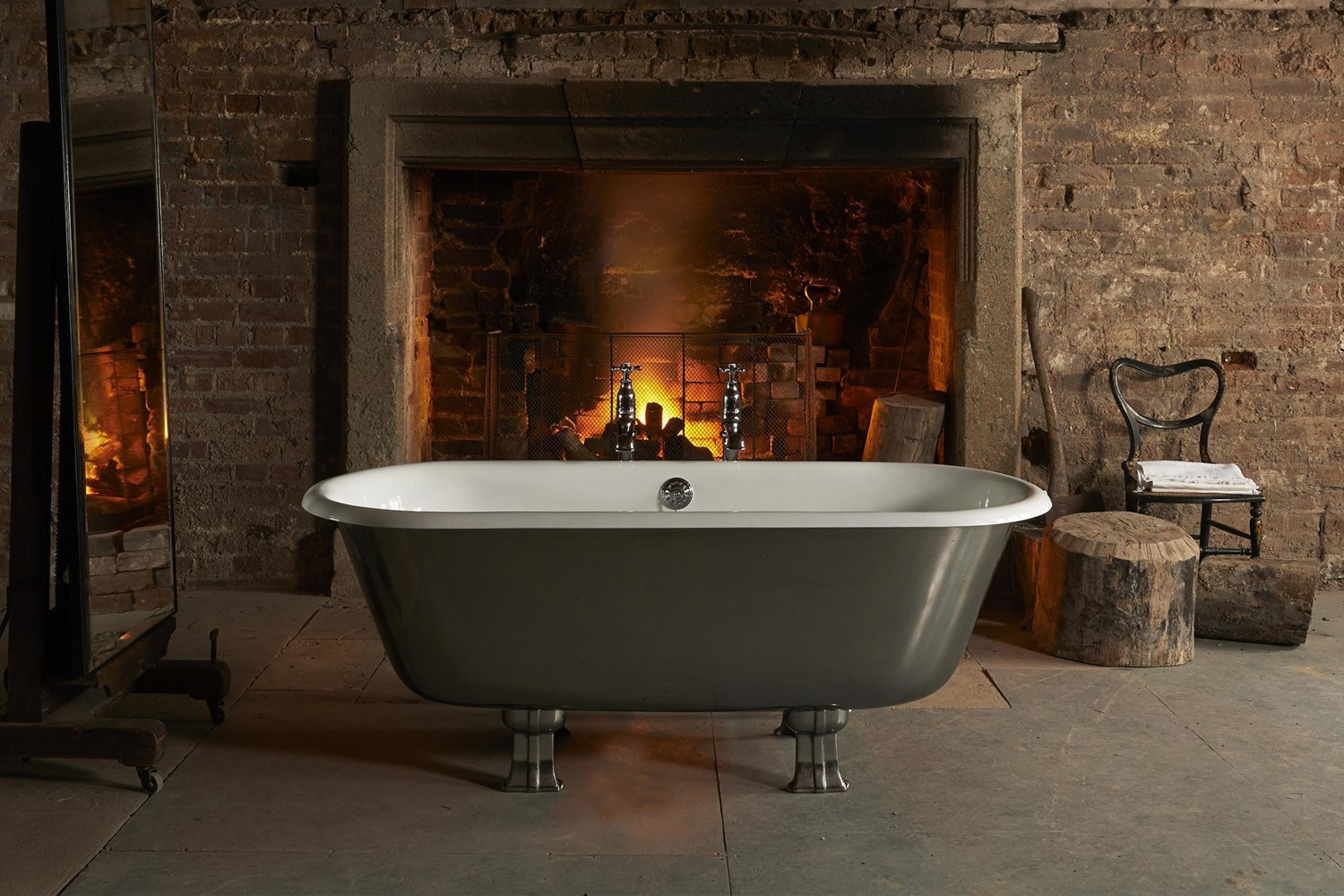
Some bathtubs politely sit in the corner and do their job. The Swale Cast Iron Bath Tub With Ball & Claw Feet, however, enters the bathroom like it owns the deed. It has the kind of old-world confidence that makes marble tiles stand up straighter, brass taps shine a little harder, and ordinary bubble bath feel like it should be served with a tiny silver spoon.
Designed as a compact yet luxurious freestanding bath, the Swale brings together three qualities homeowners often want but rarely find in one tub: classic roll-top styling, durable cast iron construction, and traditional ball and claw feet. It is not simply a container for water. It is a design statement, a soaking ritual, andlet’s be honesta very elegant excuse to ignore emails for forty-five minutes.
This guide explores what makes the Swale special, how cast iron performs in real bathrooms, what to consider before installation, and why ball and claw feet still have such a loyal fan club after more than a century of bathroom trends.
What Is the Swale Cast Iron Bath Tub?
The Swale is a freestanding cast iron bath tub created for homeowners who love the grandeur of a traditional roll-top bath but do not necessarily have a ballroom-sized bathroom. Its design keeps the elegance of a classic clawfoot tub while using a more space-conscious shape. That balance is the magic trick: it feels luxurious without demanding that you remodel the entire house around it.
Published specifications list the Swale as a freestanding bath with feet, approximately 67 5/16 inches long, 28 3/4 inches wide, and 24 13/16 inches high. Its water capacity is about 58 gallons, and its empty weight is about 339 pounds. In other words, it has presence. This is not a flimsy tub that scoots around when you sneeze near it.
A Smaller Shape With Grand Style
The Swale was designed to bring a classic freestanding bath into tighter spaces. That makes it especially appealing for older homes, city apartments, guest bathrooms, and primary suites where every inch matters. The roll-top rim has been scaled to preserve comfort while reducing visual bulk. You still get that graceful rolled edge, but the tub does not overwhelm the room like a Victorian ocean liner.
Ball and Claw Feet: The Detail Everyone Notices
The ball and claw feet are a major part of the Swale’s charm. Historically, clawfoot tubs became popular in the late 19th and early 20th centuries, when indoor plumbing was becoming a mark of comfort and progress. The claw-and-ball design borrowed from furniture traditions, where animal-paw feet symbolized strength, craftsmanship, and refinement. On a bathtub, they add personality. They also make the tub feel less like plumbing and more like furniture with excellent hydration habits.
Why Cast Iron Still Matters
Modern bathtubs come in many materials, including acrylic, fiberglass, enameled steel, stone resin, copper, and cast iron. Each has its strengths, but cast iron continues to hold a special place in luxury bathroom design because of its durability, heat retention, and timeless feel.
Durability That Feels Almost Architectural
Cast iron is one of the most durable bathtub materials available. A quality cast iron tub is typically coated with porcelain enamel, creating a hard, glossy interior that resists everyday wear when properly cared for. The material feels solid under the body, which may sound like a small thing until you compare it with a lightweight tub that flexes under pressure. The Swale has that satisfying sense of permanencethe bathroom equivalent of a firm handshake.
Heat Retention for Longer Soaks
Cast iron initially absorbs heat from warm bathwater, but once the material warms up, it helps keep water comfortable for a longer soak. This is one of the reasons cast iron clawfoot tubs remain popular among bath lovers. If your idea of relaxation involves a book, a candle, and pretending the laundry basket does not exist, heat retention matters.
A Finish That Works With Many Interiors
The Swale’s traditional silhouette fits beautifully into classic, transitional, cottage, farmhouse, vintage, and even modern bathrooms. In a period home, it looks historically appropriate. In a minimalist space, it creates contrast. In a colorful bathroom, it becomes an anchor. That versatility is one of the quiet strengths of a cast iron clawfoot tub: it can look romantic, bold, refined, or playful depending on the surrounding materials.
Design Ideas for Styling the Swale
The Swale Cast Iron Bath Tub With Ball & Claw Feet is naturally dramatic, so the goal is not to compete with it. The goal is to frame it well. Think of the tub as the lead actor and the rest of the bathroom as the supporting cast. Nobody needs a scene-stealing towel rack.
Pair It With Traditional Brassware
Classic bath taps, exposed pipework, and hand showers suit the Swale beautifully. Polished nickel, chrome, brass, and antique brass finishes all work, depending on the mood of the room. Brass adds warmth and old-world glamour, while chrome and nickel offer a cleaner, brighter look.
Use Flooring That Can Handle the Spotlight
Because the Swale is raised on feet, the floor remains visible beneath it. This makes flooring especially important. Marble tile, checkerboard stone, encaustic-look tile, honed limestone, and high-quality porcelain tile can all create a strong foundation. Wood-look tile can add warmth without the moisture worries of real hardwood.
Let the Feet Become Jewelry
The ball and claw feet are not just supports; they are decorative details. Matching the feet to the faucet finish creates a coordinated look. Choosing a contrasting finish can make the feet pop. Either approach works, but the key is intention. Accidental mismatch says “we forgot.” Thoughtful contrast says “designer.”
Installation Considerations Before You Buy
A cast iron freestanding tub is a serious fixture, so planning matters. The Swale is compact compared with larger luxury baths, but it is still heavy, especially when filled with water and occupied by a relaxed human who refuses to get out because the water is still warm.
Check Floor Support
Because cast iron tubs are heavy, floor structure should be reviewed before installation, especially in upstairs bathrooms. The combined load includes the tub, water, and bather. A qualified contractor or structural professional can confirm whether reinforcement is needed. This is not the place for “probably fine” energy.
Plan Plumbing Placement Early
Freestanding baths often require careful plumbing coordination. You will need to decide whether taps will be wall-mounted, floor-mounted, or tub-mounted, depending on the tub configuration and room layout. Planning this early helps avoid awkward pipe runs, expensive changes, and the classic renovation phrase nobody enjoys: “We’ll have to open the wall again.”
Measure the Room and the Route
Measure the bathroom, but also measure the path into the bathroom. Doorways, staircases, tight corners, and hallways matter. A beautiful tub that cannot physically reach the room is not a bathtub; it is a very expensive hallway sculpture.
Care and Maintenance
One of the benefits of a porcelain-enameled cast iron tub is that it can look beautiful for many years with proper cleaning. The basic rule is simple: be gentle. Avoid harsh abrasives, aggressive scouring pads, and cleaners that can dull or scratch the enamel surface. A soft cloth or non-scratch sponge, mild cleaner, and regular rinsing are usually enough for routine care.
Clean Weekly, Not Once a Geological Era
Soap scum, bath oils, and hard water minerals are easier to remove when they are fresh. A quick weekly cleaning keeps the surface glossy and reduces the need for heavy-duty scrubbing. After baths, rinsing the interior and wiping away standing water can help preserve the finish.
Protect the Enamel
Do not drop heavy objects into the tub. A bottle of shampoo is probably fine; a metal tool is not invited. Chips in enamel should be repaired promptly to prevent moisture from reaching the metal beneath. With cast iron, the enamel is the armor, and armor works best when it does not have holes.
Mind the Exterior
The exterior finish deserves attention too. Painted or polished exteriors may require different care than the enamel interior. Use cleaning products appropriate to the finish, and avoid letting water sit around the feet. Good ventilation also helps protect the bathroom as a whole.
Who Is the Swale Best For?
The Swale is ideal for homeowners who want a luxurious freestanding tub but have limited space. It suits people who value craftsmanship, traditional design, and long soaking comfort. It is also a strong choice for remodelers restoring character to an older home or adding period-inspired detail to a newer one.
It may not be the best fit for someone who wants the lightest possible tub, the lowest-cost option, or a shower-tub combo for quick daily use. A clawfoot cast iron bath is more of a ritual piece. It says, “Bathing is not just hygiene; it is an event.”
How the Swale Compares With Acrylic Clawfoot Tubs
Acrylic clawfoot tubs are popular because they are lighter, often less expensive, and easier to move. They can be a smart choice for upstairs bathrooms or projects with tighter budgets. However, acrylic does not provide the same weighty feel as cast iron, and it may not deliver the same sense of permanence.
The Swale’s cast iron construction gives it a more substantial, heritage-quality character. It feels rooted. Acrylic can imitate the look of a clawfoot tub, but cast iron brings the texture, weight, and authenticity that design lovers often want. Think of it as the difference between wearing a printed tuxedo T-shirt and an actual tuxedo. Both make a point, but only one gets invited to the gala.
of Real-Life Experience: Living With a Tub Like the Swale
Living with a cast iron clawfoot tub changes how a bathroom feels. The first thing you notice is visual. A tub like the Swale does not disappear into the background. It becomes the thing guests mention before they compliment the tile, the mirror, or your surprisingly healthy-looking fern. Even in a simple bathroom, the shape of a roll-top cast iron bath creates a sense of ceremony.
The second thing you notice is the bathing experience. A cast iron bath feels steady and secure. There is no hollow sound when water hits the surface, no lightweight wiggle, no sense that the tub is merely pretending to be luxurious. When warm water fills the basin, the whole fixture gradually becomes part of the comfort. The bath feels calmer, quieter, and more enveloping.
In daily life, the Swale-style bath encourages slower routines. You do not buy a cast iron clawfoot tub because you want to sprint through a bath in six minutes. You buy it because there are evenings when a shower feels too practical and your shoulders need a diplomatic meeting with hot water. Add bath salts, dim lighting, and a towel within reach, and suddenly the bathroom has become a tiny private spa with better architecture.
There are practical realities too. Cleaning around the feet takes more attention than cleaning a built-in tub. Dust can gather underneath, and the exposed plumbing needs to be kept tidy. If the bathroom floor is dark, water spots may show. If the floor is light, stray hair will hold press conferences. None of this is difficult, but it does reward consistent housekeeping.
Another lived detail is access. Clawfoot tubs are often taller than standard built-in tubs, so stepping in and out requires care. A bath mat, good lighting, and thoughtful placement of a towel bar or grab support can make the space more comfortable. This is especially important for families with older adults, children, or anyone who treats wet tile like a competitive sport.
The biggest experience-related benefit is emotional. A tub like the Swale makes a bathroom feel intentional. It gives the room a focal point and a mood. Even when not in use, it adds character. It can soften a modern bathroom, elevate a small one, and bring a sense of history to a new build. It is the rare fixture that performs a job and tells a story at the same time.
Over time, the tub becomes part of household rhythm. Saturday morning soaks, winter baths, post-garden cleanup, quiet evenings after long workdaysthese moments gather around the fixture. That is the real appeal of the Swale Cast Iron Bath Tub With Ball & Claw Feet. It is not only about how the bathroom looks in photos. It is about how the room feels when the door is closed, the water is warm, and the world can wait.
Conclusion
The Swale Cast Iron Bath Tub With Ball & Claw Feet is a beautiful example of compact luxury. It delivers the charm of a traditional clawfoot bath, the strength of cast iron, and the comfort of a thoughtfully scaled roll-top design. For homeowners who want a freestanding tub with character, durability, and genuine presence, the Swale is a standout choice.
It requires planning, proper installation, and gentle maintenance, but the reward is substantial. This is a bathtub for people who believe bathrooms should be more than functional boxes with faucets. It is for those who want elegance, comfort, and a little daily dramathe good kind, not the “plumber found something behind the wall” kind.