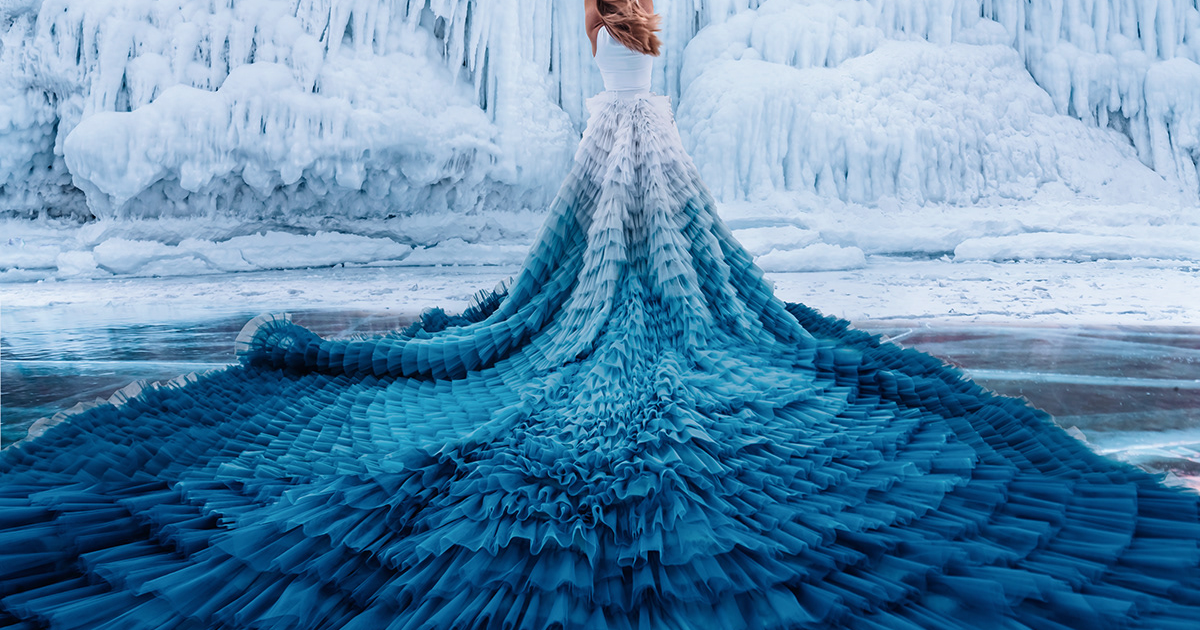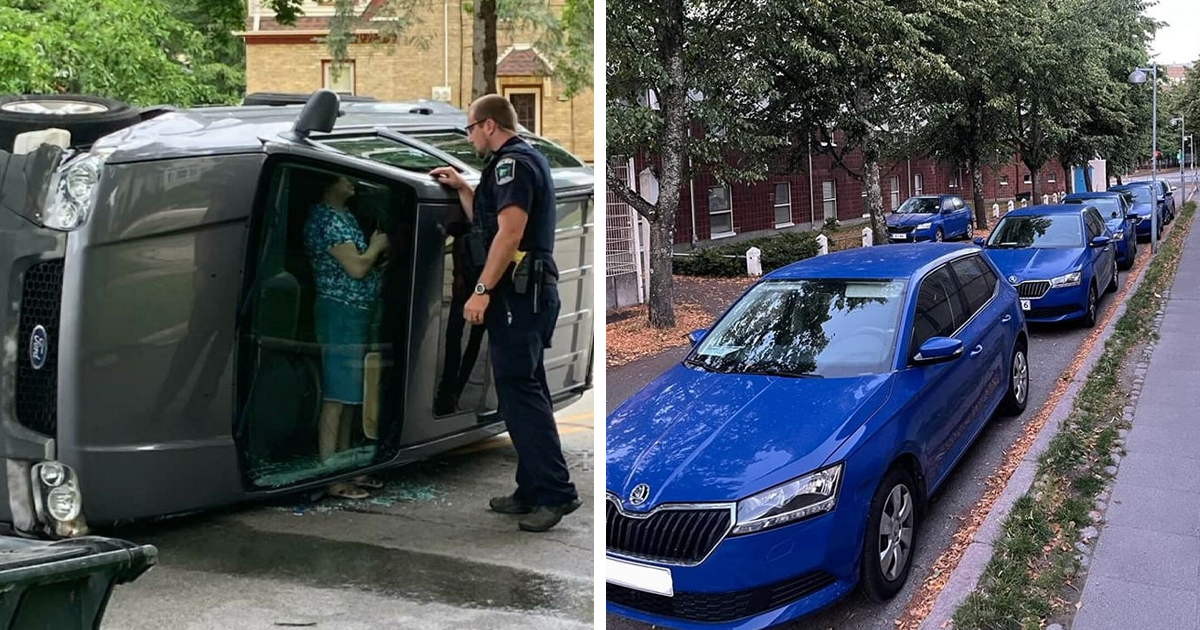
Every so often, real life forgets to behave. A shadow lands in exactly the wrong place. A reflection opens a doorway to nowhere. A cloud sits on top of a building like it is late for a landlord meeting. A person snaps a photo, uploads it, and suddenly thousands of strangers are staring at the same thing, whispering the internet’s favorite sentence: “Wait… what am I looking at?”
That is the charm behind the “Accidental Surrealism” group: a corner of online visual culture where people share photos that look dreamlike, impossible, eerie, funny, or strangely artistic without being staged like a gallery piece. The idea is simple but addictive. Instead of painting melting clocks or building a movie set, people notice the surreal hiding in plain sighton streets, in offices, at bus stops, in puddles, on construction sites, and occasionally in the sky, which has always been a show-off.
Accidental surrealism photos work because they make ordinary scenes feel unstable. They do not always need professional cameras, rare locations, or dramatic editing. Many of the best examples rely on timing, perspective, reflections, scale, shadows, fog, weather, architecture, or plain old coincidence. The result is a visual double take: the brain sees reality, then immediately files a complaint.
What Is Accidental Surrealism?
Accidental surrealism is the unplanned appearance of a scene that looks like surreal art. It is not necessarily Photoshop. It is not always an optical illusion in the formal sense. It is more like the universe briefly putting on a tiny mustache and pretending to be Salvador Dalí.
The classic Surrealist movement, which flourished between the World Wars, explored dreams, the unconscious mind, strange juxtapositions, and the collision between logic and imagination. Artists and writers wanted to challenge rational habits of seeing. Modern accidental surrealism has a lighter, internet-native flavor, but it taps the same nerve: the thrill of seeing reality bend without permission.
In the “Accidental Surrealism” community, people collect photos that feel as if they were composed by chance. A crane might appear to hook the moon. A cat might look like it is walking on clouds because it is actually standing on a glass roof. A billboard face might line up perfectly with a passerby’s body. A staircase might seem to lead into a blank wall, or a reflection might make a street look like it has folded in half. None of it needs to be impossible. It only needs to feel impossible for one delicious second.
Why These Dreamlike Photos Are So Hard To Stop Looking At
The appeal of accidental surrealism is partly artistic and partly psychological. Our brains are pattern-hungry machines. We are constantly matching shapes, faces, depth clues, and familiar objects. When an image gives us conflicting information, we pause. That pause is the magic.
Optical illusions teach us that vision is not a camera recording the world with perfect neutrality. Our eyes gather clues; the brain interprets them. Depth, light, shadow, size, context, and position all help us decide what we are seeing. When those clues disagree, a simple photo can become a tiny mental obstacle course.
That is why accidental surrealism feels playful instead of merely confusing. A photo of a lamppost is boring. A photo of a lamppost whose shadow looks like a giant insect creeping across the sidewalk is suddenly art, comedy, and mild emotional distress in one convenient rectangle.
50 Dreamlike Moments People Love Sharing
The best accidental surrealism photos usually fall into a few recognizable categories. Here are 50 types of moments that often make people stop scrolling, zoom in, and question whether their coffee has been stronger than usual.
1. Reflections That Create Another World
Puddles, windows, mirrors, polished floors, and glass buildings are accidental surrealism factories. A reflection can place the sky beneath someone’s feet, double a person into a ghostly twin, or make a building appear to melt into itself. The most striking reflection photos feel like a portal opened in a parking lot, which is rude because nobody brought snacks for interdimensional travel.
2. Shadows That Become Characters
Shadows are ordinary, but under the right angle they turn into monsters, animals, extra limbs, or mysterious figures. A bicycle shadow might look like a giant insect. A tree shadow might appear to grab a car. A person standing next to a sign might accidentally grow antlers. The photo is real; the story your brain invents is delightfully suspicious.
3. Perfectly Timed Human Alignments
One of the funniest forms of accidental surrealism happens when a person lines up with something behind them. A statue’s head replaces a commuter’s face. A mural gives someone wings. A street poster adds a dramatic expression to a stranger’s body. These photos often feel like visual jokes written by the city itself.
4. Clouds Behaving Like Props
Clouds are repeat offenders. They can sit on a rooftop like whipped cream, appear to pour from a chimney, look like smoke from a giant invisible train, or form animals in the sky. Cloud photos also trigger pareidolia, the tendency to see meaningful shapes in random patterns. That is why a soft blob of vapor can become a dragon, a dog, or your uncle Gary if the lighting is unkind.
5. Architecture That Breaks Reality
Modern buildings love confusing people. Glass walls, mirrored towers, repeating balconies, impossible staircases, and sharp geometric designs can make a city look like a glitching video game. A single photo can flatten depth, erase corners, and make a building seem to float. The architect may have intended elegance; the internet receives “dream sequence with parking validation.”
6. Fog, Mist, And Weather Drama
Fog can turn an ordinary road into the opening shot of a mystery film. It removes detail, softens edges, and makes familiar places feel temporarily unknown. Snow, heavy rain, dust, and low clouds can do the same. When weather hides part of a scene, the imagination fills in the restand imagination is not known for being modest.
7. Scale Confusion
A tiny object photographed close to the camera can look enormous. A person standing far away may appear miniature. A bird flying near a building can seem larger than a helicopter. Scale confusion is one of the oldest tricks in photography, but accidental examples feel especially satisfying because no one planned the illusion. Reality simply tripped over its own shoelaces.
8. Animals In Unbelievable Positions
Cats, dogs, birds, and horses often contribute generously to surreal photography. A cat reflected in a window may look transparent. A dog jumping at the right moment may appear to fly. A bird perched on a statue can become part of the sculpture. Animals do not care about composition, which is exactly why they sometimes create perfect compositions.
9. Everyday Objects With Strange Personalities
Accidental surrealism does not need a dramatic landscape. A chair, toaster, traffic cone, umbrella, or pile of laundry can become strange if seen from the right angle. Two screws and a scratch can make a cabinet look offended. A cracked wall can resemble a map. A discarded glove may look like a creature crawling away from responsibility.
10. Public Spaces That Feel Like Dreams
Airports, malls, subway stations, hotels, and office corridors often appear in dreamlike photos because they are already a little uncanny. They are familiar yet impersonal, crowded yet lonely, designed yet emotionally weird. Add harsh lighting, repetition, empty space, or an unusual reflection, and suddenly a normal hallway looks like a level from a psychological puzzle game.
The Art History Hiding Behind The Meme
Even though accidental surrealism thrives online, it has roots in serious art history. Surrealist photographers and artists often used ordinary materials to question reality. The Met notes that Surrealist publications included not only fine art photographs but also snapshots, documentary images, medical photos, movie stills, and other pictures removed from their original context. That matters because accidental surrealism also depends on recontextualization: a normal scene becomes strange when viewed differently.
MoMA has described American Surrealist photography as finding strange meanings in ordinary objects, landscapes, streets, and readymade urban spectacles. That is almost exactly what today’s online communities do, except now the gallery wall is a phone screen and the curator may be someone waiting for their sandwich order.
This does not mean every viral surreal photo belongs in a museum. Some are just funny. Some are spooky. Some are only confusing for three seconds. But the larger habit is artistic: paying attention to the world until it reveals a second layer.
Why Online Communities Make These Photos Better
A single surreal photo can be interesting. A community full of them becomes a shared treasure hunt. Groups like “Accidental Surrealism” give people a reason to notice odd scenes and preserve them. Instead of walking past a bizarre shadow or a perfect reflection, a person thinks, “This belongs somewhere.” Then the image becomes part of a collective archive of everyday weirdness.
The community aspect also changes how viewers interpret the image. Comments often become part of the fun. Someone explains the illusion. Someone else makes a joke. Another person points out a detail nobody noticed. A fourth person insists the photo is proof that reality is buffering. Together, viewers turn a picture into a miniature event.
This is one reason such images perform well on social platforms. They invite participation. The viewer is not just consuming; they are solving. The photo asks: “Can you figure me out?” That small challenge keeps people engaged longer than a straightforward image would.
How To Spot Accidental Surrealism In Real Life
You do not need to travel to a rare location to find dreamlike photos. In fact, the whole point is that strange visual poetry can happen near your mailbox, at the grocery store, or beside a very dramatic puddle. The key is to slow down and look for mismatches.
Look For Reflections
Check windows, parked cars, wet pavement, elevator doors, sunglasses, metal surfaces, and glass tables. Reflections often create accidental layers that make one space appear inside another.
Watch The Light
Early morning and late afternoon produce long shadows that distort familiar shapes. Harsh artificial light can also create dramatic silhouettes, especially in garages, stations, and office buildings.
Change Your Angle
Move a few steps left or right. Crouch. Look up. Look behind you. Many surreal images exist only from one precise position. From any other angle, the magic collapses back into “yep, that’s a wall.”
Notice Repetition
Rows of windows, chairs, stairs, shelves, or streetlights can become hypnotic. When repetition is interrupted by one odd detail, the image gains tension and humor.
Wait For People Or Animals To Enter The Frame
A scene may be almost interesting until a person walks through it. A passerby can complete a visual joke, add scale, or turn a reflection into a story. Patience helps, though not in the “standing suspiciously outside a bakery for 40 minutes” way.
Experiences Related To Accidental Surrealism
Once you start noticing accidental surrealism, it becomes difficult to turn the habit off. A normal walk becomes a quiet scavenger hunt. You begin seeing faces in electrical outlets, tiny landscapes in peeling paint, and dramatic movie scenes in the reflection of a coffee shop window. At first, it feels like you are becoming more artistic. Then you realize you have spent two minutes staring at a trash can because it looked “emotionally complicated.” Growth is not always glamorous.
The most memorable experiences usually happen when the strange scene appears during an ordinary day. Imagine leaving work after a long afternoon and seeing the sunset reflected in a glass building so perfectly that the office tower looks hollow, like it contains a second sky. For a moment, the commute stops being a commute. The city becomes softer and stranger. You take a photo, not because it is technically perfect, but because it proves the day had a secret.
Another common experience is the “group double take.” You are walking with a friend when both of you stop at the same time. Maybe a tree shadow has fallen across a wall in the exact shape of a huge hand. Maybe a dog behind frosted glass looks like a mysterious sea creature. Maybe a mannequin in a store window lines up with a pedestrian so precisely that it appears to have escaped capitalism and learned to jaywalk. You both laugh, take photos, and spend the next five minutes explaining the illusion to anyone nearby who did not ask.
Accidental surrealism also rewards people who feel visually curious but not necessarily “artistic” in a formal way. You do not need expensive gear or professional training to notice a bizarre composition. A phone camera is enough. What matters is attention. Many people discover that taking these photos changes how they relate to their environment. The same street they considered dull becomes full of small theatrical accidents: a sign reflected upside down, a pigeon casting a heroic shadow, a row of laundry that looks like flags from a fictional nation.
There is also a gentle emotional benefit. Dreamlike photos remind us that the world is not completely used up. Even places we know too well can surprise us. The parking lot, the stairwell, the rainy sidewalk, the office lobbythese are not usually considered magical settings. Yet under the right conditions, they can become scenes from an unwritten fairy tale with questionable lighting.
That may be why people love sharing these images. They are not only saying, “Look at this weird thing.” They are saying, “I noticed something.” In a fast-scroll culture, noticing is almost rebellious. It asks for a slower gaze. It makes room for wonder without demanding a grand explanation. Sometimes the photo is meaningful. Sometimes it is just a cloud that looks like a confused whale. Both are valuable public services.
The best experience of accidental surrealism is the tiny shift it creates afterward. You walk outside and the world seems more available. A puddle is no longer only a puddle; it might be a sky trap. A shadow is no longer only a shadow; it might be a creature rehearsing for its big break. A wall is no longer only a wall; it might contain a landscape, a face, or a very judgmental crack. The group’s photos are entertaining, but their real gift is training us to look twice.
Final Thoughts
“50 Times People Noticed Something Dreamlike And Shared Photos On The ‘Accidental Surrealism’ Group” is more than a collection of visual oddities. It is a reminder that reality has a mischievous side. The world is full of accidental compositions, strange alignments, and everyday scenes that briefly look like dreams. Most of us miss them because we are busy, distracted, or trying not to trip over the curb while checking messages.
Accidental surrealism gives ordinary life a second chance to astonish us. It shows that creativity is not only about making something new; sometimes it is about noticing what has already happened by chance. The next dreamlike photo may not be in a museum or a professional portfolio. It may be waiting in a window reflection, under a streetlight, behind a foggy windshield, or in the dramatic shadow of your own houseplant. Keep your eyes open. Reality is weird, and apparently it has excellent timing.