Note: This article is for educational purposes only and is not personal financial advice. It is based on real investor-education research, market history, behavioral finance, and long-term investing principles from reputable U.S. financial sources.
Every investor eventually meets two characters: the calm, cardigan-wearing “Buy & Hold” investor and the caffeine-powered “Fear & Greed” trader who refreshes market charts like they owe him money. One says, “Stay disciplined.” The other says, “Sell everything! Wait, buy everything! No, sell again!”
The battle between buy and hold investing and emotional investing is not just about strategy. It is about psychology, patience, risk tolerance, and the uncomfortable truth that markets often move before our brains finish panicking. The stock market has rewarded long-term investors over many decades, but it has also tested them with crashes, bear markets, recessions, bubbles, inflation scares, banking scares, and headlines written as if civilization is being repossessed by lunchtime.
So which approach wins: calmly buying quality assets and holding them for years, or reacting to fear and greed as market sentiment changes? Let’s unpack the difference, the data, the human behavior behind it, and how investors can build a plan that does not require checking their portfolio every 11 minutes like a nervous raccoon.
What Is Buy and Hold Investing?
Buy and hold is a long-term investment strategy where investors purchase assets such as stocks, index funds, ETFs, or mutual funds and keep them for many years, regardless of short-term market swings. The idea is simple: instead of trying to predict every market dip and rally, investors focus on time in the market, diversification, compounding, and consistent contributions.
This strategy does not mean “buy anything and ignore it forever.” That would be less investing and more financial hide-and-seek. A smart buy-and-hold investor still reviews asset allocation, rebalances when needed, checks fees, manages taxes, and confirms that investments still match personal goals. The difference is that decisions are made according to a plan, not according to whatever the market did between breakfast and lunch.
Why Buy and Hold Works
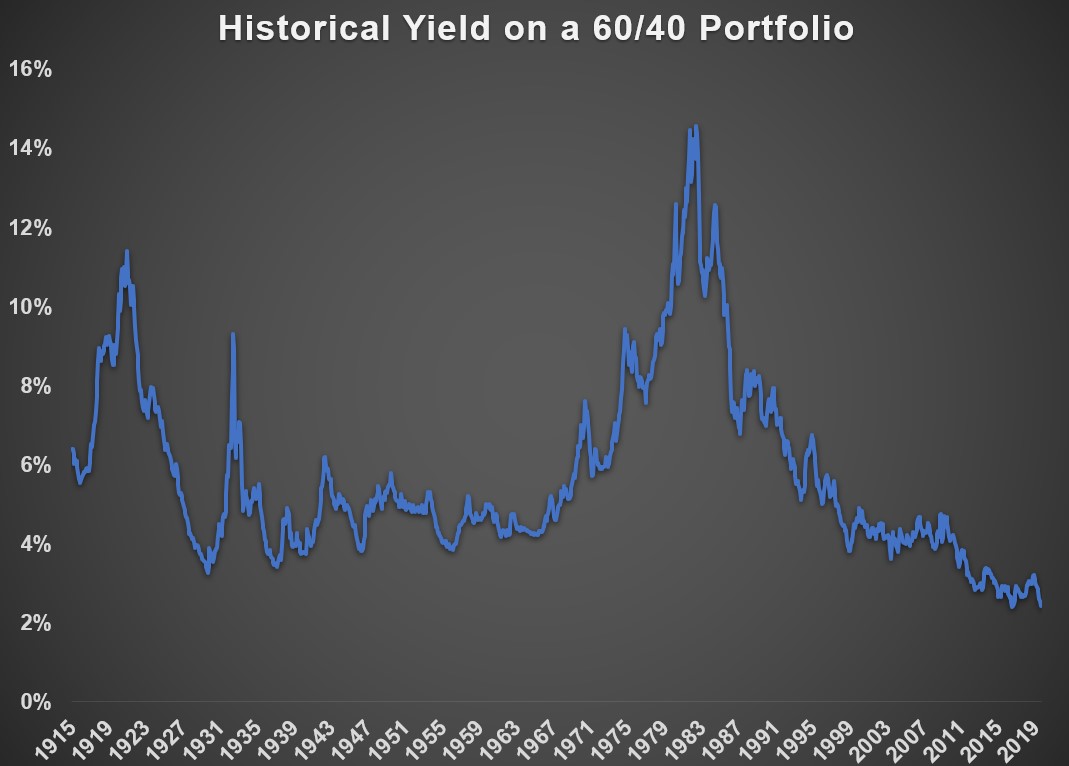
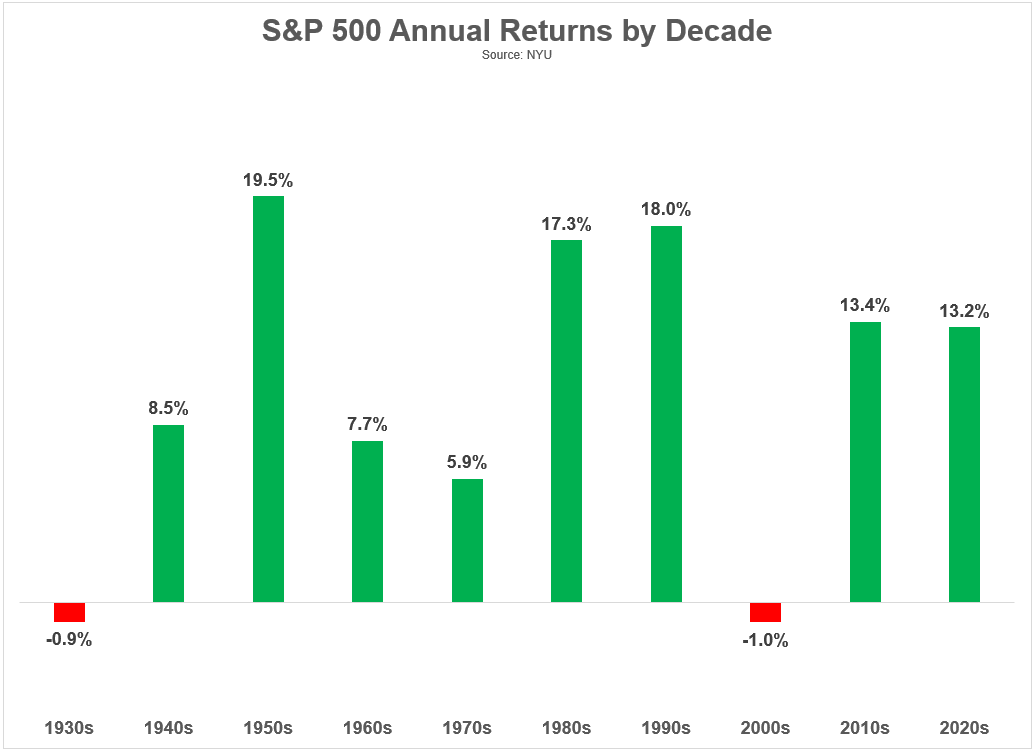
Buy and hold works because markets are difficult to time consistently. Historical market data shows that broad U.S. equities have delivered strong long-term returns, but those returns are uneven. Some years are excellent. Some years are ugly enough to make a spreadsheet cry. Long-term investors accept volatility as the price of admission for potential growth.
The strategy also benefits from compound interest. When gains generate more gains over time, the effect can become powerful. Reinvested dividends, regular contributions, and patience may turn modest investments into meaningful wealth. Compounding, however, needs time to do its magic. It is less like a microwave and more like a slow cooker: boring at first, surprisingly satisfying later.
What Is Fear and Greed Investing?
Fear and greed investing is not an official strategy, although plenty of investors accidentally practice it with great enthusiasm. It describes the habit of buying when markets feel exciting and selling when markets feel terrifying. Greed says, “Everyone is getting rich without me!” Fear says, “I must escape before my portfolio becomes decorative confetti.”
The well-known Fear & Greed Index attempts to measure market sentiment using indicators such as stock price momentum, market breadth, volatility, options activity, junk bond demand, and safe-haven demand. While sentiment tools can be useful for understanding the mood of the market, they are not crystal balls. A high-greed reading does not automatically mean a crash is coming tomorrow. A high-fear reading does not guarantee an instant rebound. Markets enjoy embarrassing people who speak in guarantees.
The Emotional Cycle
Emotional investing often follows a familiar pattern:
- Optimism: Markets rise, and investors feel smart.
- Excitement: Friends, headlines, and influencers all seem bullish.
- Greed: Investors chase hot stocks, trendy funds, or speculative assets.
- Anxiety: Prices wobble, and confidence weakens.
- Fear: Investors sell after losses to stop the emotional pain.
- Regret: Markets recover, and the investor wonders why patience was not included in the account-opening paperwork.
This cycle is dangerous because it turns investing into performance-chasing. Investors often buy after strong returns have already happened and sell after declines have already done their damage. In other words, they may pay retail for optimism and accept wholesale prices for panic.
Buy & Hold vs. Fear & Greed: The Core Difference
The main difference between buy and hold and fear-and-greed investing is decision-making. Buy and hold uses a plan. Fear and greed use feelings. Feelings are useful for choosing pizza toppings, not always ideal for portfolio management.
| Category | Buy & Hold | Fear & Greed |
|---|---|---|
| Time Horizon | Years or decades | Days, weeks, or news cycles |
| Main Driver | Goals, diversification, compounding | Emotion, headlines, market mood |
| Typical Behavior | Stay invested and rebalance | Buy high, sell low, repeat painfully |
| Risk | Market volatility | Volatility plus poor timing |
| Best For | Long-term investors with discipline | People who enjoy stress as a lifestyle brand |
The Problem With Market Timing
Market timing sounds wonderful in theory: sell before declines, buy before rebounds, retire early, and become the mysterious neighbor with three grills. In practice, it is extremely difficult. Investors must be right twice: when to get out and when to get back in. Missing either side can damage long-term returns.
Many of the market’s strongest days occur close to its worst days. That makes emotional selling especially risky. If an investor exits after a sharp drop and waits for “things to feel safe,” the recovery may already be underway. The market does not send engraved invitations before it rebounds. It simply moves, often while everyone is still arguing about whether the last decline was “the big one.”
This is why many long-term investing guides emphasize staying invested through volatility. The goal is not to pretend downturns are fun. They are not. Watching a portfolio fall can feel like paying admission to a haunted house where the ghost is your retirement projection. But long-term investing requires accepting that volatility is normal, not automatically a signal to abandon the plan.
Behavioral Finance: Why Fear and Greed Are So Powerful
Humans are not spreadsheets wearing shoes. We are emotional, pattern-seeking, loss-hating creatures. Behavioral finance helps explain why investors often make decisions that feel right in the moment but hurt over time.
Loss Aversion
Loss aversion means losses tend to feel more painful than equivalent gains feel enjoyable. A $1,000 loss may sting more than a $1,000 gain delights. This can cause investors to sell during downturns simply to stop the pain, even if their long-term plan remains sound.
FOMO
Fear of missing out is greed wearing a party hat. When a stock, sector, or asset class surges, investors may feel pressured to jump in. The problem is that popular investments often become most emotionally attractive after they have already risen sharply. By the time everyone at a barbecue is discussing a “can’t-miss” opportunity, the easy money may have already left the picnic.
Recency Bias
Recency bias makes investors believe the recent past will continue. If markets have been rising, people assume they will keep rising. If markets have been falling, people assume the financial sun has exploded. Both assumptions can lead to bad decisions.
Where Buy and Hold Can Go Wrong
Buy and hold is powerful, but it is not magic. The strategy can fail when investors misunderstand what they are holding. Buying a diversified index fund and holding it for decades is very different from buying one speculative stock and refusing to sell because “diamond hands” sounded convincing on social media.
Long-term investors still need proper diversification. Concentrating too much money in one company, one sector, one country, or one theme can create unnecessary risk. A diversified portfolio may include U.S. stocks, international stocks, bonds, cash, and other assets depending on age, goals, income needs, and risk tolerance.
Buy and hold also requires periodic maintenance. Rebalancing helps restore a portfolio to its target allocation. For example, if stocks rise dramatically, a 70/30 stock-bond portfolio might become 85/15. That may create more risk than the investor intended. Rebalancing trims what has grown and adds to what has lagged, which is emotionally hard but strategically useful.
How to Use Fear and Greed Without Being Ruled by Them
Fear and greed are not useless. They are signals. The trick is to treat them like dashboard lights, not steering wheels. When greed is extreme, it may be a reminder to check valuations, rebalance, and avoid chasing hype. When fear is extreme, it may be a reminder to review whether long-term goals have changed or whether the discomfort is simply volatility doing its usual dramatic theater performance.
Create Rules Before Emotions Arrive
The best time to create investing rules is before the market starts throwing furniture. Investors can write an investment policy statement that includes target allocation, contribution schedule, rebalancing rules, emergency fund needs, and conditions that would justify a change. This turns future decisions into a checklist instead of a panic festival.
Automate Contributions
Automatic investing can reduce emotional decision-making. Dollar-cost averaging through regular contributions means investors buy more shares when prices are lower and fewer when prices are higher. It does not guarantee profits, but it can make the process more disciplined and less dependent on guessing the perfect entry point.
Keep Cash for Real Life
One reason investors panic-sell is that they invest money they may need soon. A healthy emergency fund can help protect long-term investments from short-term life surprises. If rent, medical bills, or major expenses are coming soon, that money usually does not belong in volatile assets.
Specific Example: The Panic Seller vs. The Patient Investor
Imagine two investors, Maya and Jordan. Both invest in a diversified stock index fund. Maya uses a buy-and-hold approach. She contributes monthly, rebalances once a year, and avoids checking her account every day. Jordan watches market news constantly. When headlines turn scary, he sells. When markets rally, he buys back in.
During a downturn, Jordan sells after a 20% decline because fear takes over. The market continues falling for a short while, so he feels brilliant. Then the market rebounds sharply. Jordan waits for confirmation. By the time he feels comfortable, prices are much higher. Maya, meanwhile, kept contributing. Her new contributions bought shares at lower prices. She did not perfectly time anything; she simply stayed consistent.
Over time, Maya’s advantage may come not from genius but from behavior. She avoids unnecessary taxes, reduces trading mistakes, captures market recoveries, and lets compounding work. Jordan may be intelligent, but his portfolio is being managed by adrenaline. Adrenaline is excellent for escaping bears, less excellent for retirement planning.
When Should Investors Make Changes?
Buy and hold does not mean never changing anything. Investors should consider changes when their goals, time horizon, risk tolerance, income, family situation, tax situation, or liquidity needs change. A 28-year-old saving for retirement may hold a more aggressive portfolio than a 67-year-old planning withdrawals. That is not market timing; that is planning.
Investors may also change funds to reduce fees, improve diversification, simplify accounts, or replace an investment that no longer fits its purpose. The key question is: “Am I changing because my plan changed, or because my emotions changed?” That one question can save a portfolio from many unnecessary detours.
Practical Tips for Long-Term Investors
- Define your goal. Retirement, a home, college savings, and wealth building may require different strategies.
- Know your risk tolerance. The right portfolio is not the one that looks best in a bull market; it is the one you can hold in a bear market.
- Diversify wisely. Spread risk across asset classes, sectors, and regions when appropriate.
- Watch fees. Lower costs leave more return in your pocket.
- Rebalance periodically. Keep your portfolio aligned with your plan.
- Ignore performance theater. Not every headline deserves a transaction.
- Review, don’t obsess. A portfolio checkup is healthy. A portfolio surveillance operation is not.
Experiences Related to Buy & Hold vs. Fear & Greed
Many investors do not learn the value of buy and hold from a textbook. They learn it from the emotional roller coaster of actually owning investments. The first market drop is especially memorable. A beginner may open an account during a strong market, watch the balance rise, and feel like Warren Buffett with better Wi-Fi. Then a correction arrives, and suddenly the same investor wonders whether the entire financial system is being held together with duct tape and optimism.
One common experience is the temptation to sell during a downturn. The portfolio falls 10%, then 15%, then 20%. News headlines become increasingly dramatic. Friends start saying things like, “I moved to cash,” with the confidence of people who may or may not know what cash is supposed to do next. At that moment, selling feels responsible. It feels like taking control. But often, it is just fear asking for the password.
Another familiar experience is chasing winners. An investor hears about a hot technology stock, a booming sector, or a fund that crushed the market last year. The chart looks beautiful. The story sounds unstoppable. Everyone seems to be making money. So the investor buys. Then performance cools, expectations reset, and the “obvious winner” becomes a lesson in valuation, timing, and humility. Greed rarely introduces itself as greed. It usually says, “This is a once-in-a-lifetime opportunity.” Funny how those arrive every three weeks online.
Long-term investors often describe a different turning point: the moment they stop trying to react to everything. They set automatic contributions. They choose an allocation they can live with. They keep an emergency fund. They accept that some years will be bad, some will be wonderful, and most will be unpredictable. This does not eliminate anxiety, but it reduces the number of decisions made under pressure.
Experience also teaches that doing nothing can be an active choice. Holding through volatility is not laziness when it is part of a plan. It is discipline. It may feel uncomfortable because modern life rewards constant activity. Apps send alerts. News updates arrive instantly. Market commentators speak with great confidence about things that may be wrong by Tuesday. Against that background, buy and hold can feel almost rebellious. It says, “No, thank you. I will not let every headline rent space in my portfolio.”
The best investors are not emotionless robots. They feel fear. They feel greed. They simply build systems that prevent those emotions from becoming portfolio managers. They understand that a long-term investment plan should be boring enough to survive excitement and strong enough to survive panic. In the end, buy and hold is not about predicting the future perfectly. It is about giving patience, diversification, and compounding enough room to do their quiet, powerful work.
Conclusion: Patience Beats Panic More Often Than Not
The debate between buy and hold vs. fear and greed is really a debate between process and impulse. Fear and greed will always be part of investing because markets are made of people, and people are wonderfully irrational creatures who can turn a quarterly earnings report into an emotional opera.
Buy and hold does not promise smooth returns, perfect timing, or immunity from losses. What it offers is a disciplined framework: invest according to goals, diversify, manage risk, keep costs low, rebalance, and allow compounding to work over time. Fear and greed may create exciting stories, but disciplined investing is more likely to create durable results.
The smartest investors do not ignore emotion; they prepare for it. They know panic will arrive eventually. They know greed will tap on the window during bull markets. And they know the best response is rarely a dramatic all-or-nothing move. Most of the time, the winning move is less cinematic: stay calm, follow the plan, and let time do what timing usually cannot.