Open a hotel nightstand drawer and you may find the usual suspects: a notepad, a pen that writes only when it feels emotionally ready, maybe a TV remote from another era, andquite oftena Bible. For many travelers, the discovery is so familiar that it barely registers. For others, it raises a very reasonable question: why do hotels have Bibles in the first place?
The short answer is tradition, outreach, guest comfort, and one very persistent organization: The Gideons International. For more than a century, Gideon Bibles have been placed in hotel rooms across the United States and around the world. They became part of the hospitality landscape right alongside ice machines, tiny soaps, and the mysterious decorative pillow nobody knows what to do with.
But the story is more interesting than “someone put a book in a drawer.” Hotel Bibles sit at the intersection of religion, travel, American culture, guest service, brand identity, and changing social attitudes. Some hotels still offer them in every room. Others keep religious texts at the front desk. Some newer brands skip them entirely. So let’s check in, unpack the suitcase, and answer the most common questions about why hotels have Bibles.
The Origin Story: How Bibles Got Into Hotel Rooms
The modern tradition of hotel room Bibles is strongly tied to The Gideons International, an evangelical Christian association founded in 1899 by traveling businessmen. The group’s early members spent plenty of nights on the road, which meant they understood hotel life before “free Wi-Fi” became the most important phrase in civilization.
The idea was simple: travelers are often far from home, tired, lonely, anxious, or reflective. A Bible in the room could offer comfort, guidance, or spiritual encouragement at a moment when someone might need it. In 1908, the first Gideon hotel Bibles were placed in rooms at the Superior Hotel in Superior, Montana. From that modest beginning, the practice spread widely.
The Gideons did not sell the Bibles to hotels as a luxury upsell. They supplied them for free, funded by donations and church support. Hotels accepted them because they cost nothing, required little space, and were viewed by many guests as a thoughtful courtesy. That is how a religious book became one of the most recognizable hotel amenities in America.
Why Do Hotels Have Bibles?
Hotels have Bibles mainly because religious organizations, especially The Gideons International, have provided them as complimentary items for guests. The purpose is spiritual outreach, but from the hotel’s point of view, it has historically been a low-cost amenity that may comfort some travelers.
For decades, a Bible in a hotel room was seen as a quiet service rather than a loud statement. It was usually placed in a drawer, not displayed on the pillow like a mint with theological ambitions. Guests who wanted it could read it. Guests who did not want it could ignore it.
That “available but not in your face” approach helped the practice last for so long. The Bible was there for someone who might be grieving, lonely, curious, religious, homesick, or simply unable to sleep after discovering the hotel coffee maker produces something that is legally coffee but spiritually suspicious.
Who Puts Bibles in Hotel Rooms?
Most hotel Bibles in the United States have traditionally been supplied by The Gideons International. Gideon members work with hotel owners and managers to place Bibles in rooms, often replacing worn or missing copies over time.
The Gideons are not a hotel company, a church denomination, or a government group. They are a Christian association focused on distributing Scripture. While hotel rooms are their most famous setting, they have also distributed Bibles and New Testaments to places such as hospitals, schools, military facilities, prisons, and nursing homes.
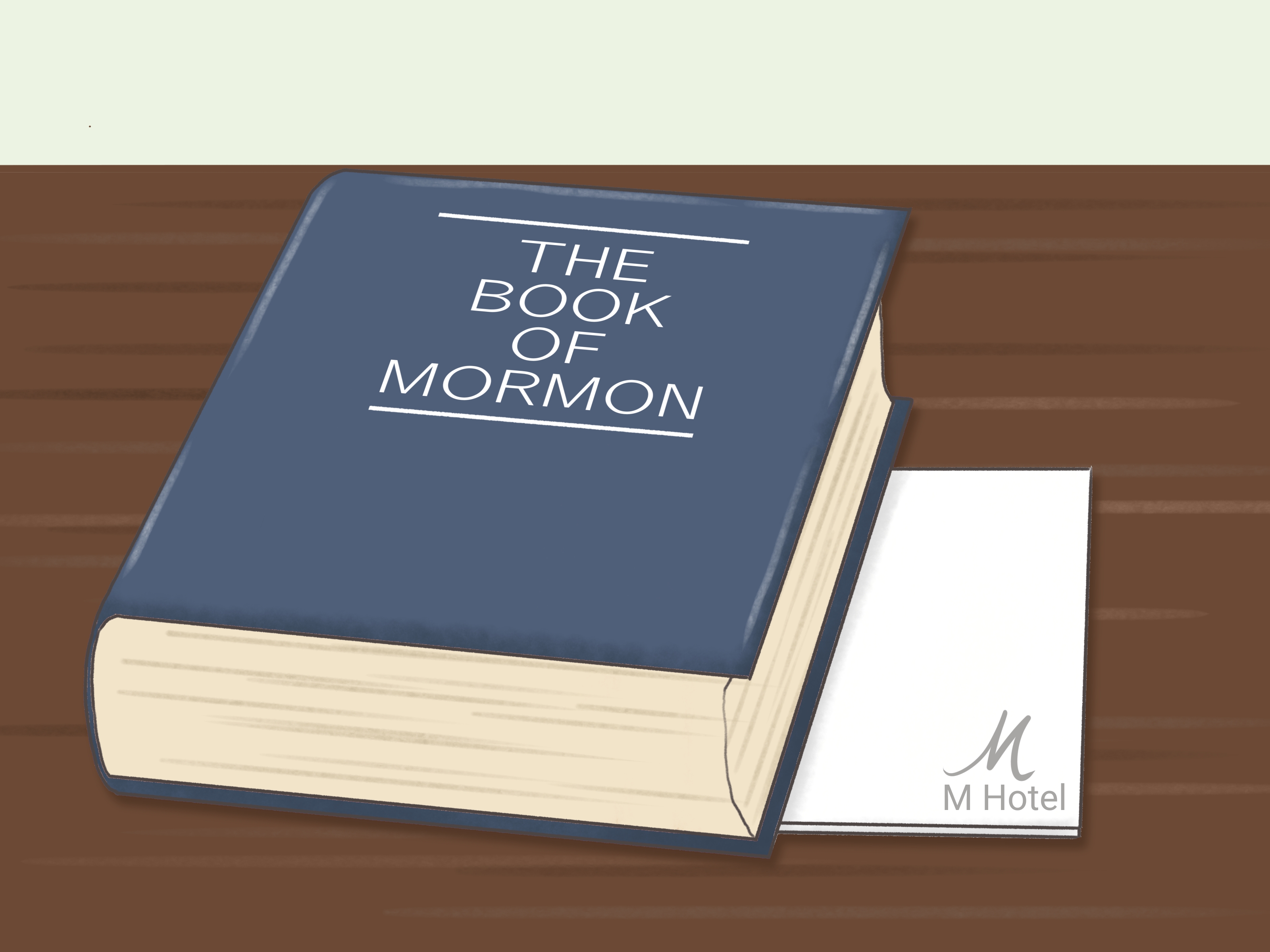
In some properties, especially Marriott-affiliated hotels, guests may also find the Book of Mormon. That tradition is connected to the Marriott family’s Latter-day Saint heritage and the company’s long-standing brand practice at many properties. Other hotel companies may leave the decision to individual owners, franchisees, or general managers.
Are Hotel Bibles Still Common?
Yes, but they are less universal than they used to be. In the 20th century, hotel room Bibles were extremely common in the United States. Many travelers expected to find one in the nightstand drawer. Today, the picture is more mixed.
Several factors explain the shift. The United States has become more religiously diverse, and more Americans now identify as religiously unaffiliated. Hotels also serve a global customer base that includes Christians, Jews, Muslims, Hindus, Buddhists, atheists, agnostics, and people who simply want to sleep without thinking about religious demographics before checkout.
Hotel design has changed too. Many modern rooms no longer have traditional nightstands with drawers. Minimalist rooms may use floating shelves, built-in charging stations, or small side tables. When the drawer disappears, the Bible’s longtime hiding place disappears with it. Hospitality trends now focus heavily on wellness, technology, sustainability, local experiences, and flexible guest preferences. In that environment, a printed religious text may be offered on request rather than automatically placed in every room.
Do All Hotels Have Bibles?
No. Not all hotels have Bibles. Availability depends on the brand, property owner, franchise agreement, location, local culture, and management preference.
Some traditional hotels still place Bibles in every room. Some keep them at the front desk and provide one when asked. Some offer multiple religious texts. Some provide digital access. Some do not provide religious materials at all. Boutique hotels, lifestyle brands, luxury properties, and international chains may be especially likely to adjust the practice based on their target guests.
In short, there is no single universal hotel Bible rule. Hospitality is full of standardsclean sheets, working locks, emergency exitsbut religious books are usually a matter of brand policy or owner choice.
Is It Legal for Hotels to Put Bibles in Rooms?
Yes. In the United States, private hotels may generally choose to place religious materials in guest rooms. The constitutional separation of church and state restricts government action, not the ordinary choices of private businesses. A privately owned hotel putting a Bible in a drawer is not the same as a public school requiring students to read Scripture.
That said, hotels also care about guest comfort, brand image, and inclusivity. Even when something is legal, a business may decide it is not the best fit for its customers. That is why some hotels have shifted from in-room Bibles to “available upon request” policies. It gives religious guests access while reducing the chance that other guests feel excluded or surprised.
Can You Take the Bible From a Hotel Room?
Usually, if it is a Gideon Bible, taking it is not treated the same way as taking the hair dryer, robe, or suspiciously fluffy pillow. Gideon Bibles are placed to be read and shared, and many hotels can replace them. However, policies may vary, especially with other religious books or branded materials.
The safest answer is simple: if you want to keep the Bible, ask the front desk. Hotel staff have heard stranger questions, including “Can I bring my emotional support iguana?” and “Why is the minibar charging me for looking at it?” A quick question prevents awkwardness and shows respect for the property.
Why Are They Usually in the Nightstand Drawer?
The nightstand drawer became the classic location because it is private, easy to find, and close to the bed. That placement matters. The Bible is available without being forced into the guest’s line of sight.
From a hospitality perspective, the drawer placement is clever. A guest who wants the Bible can find it quickly. A guest who does not care can go through the entire stay without noticing it. The arrangement quietly balances accessibility and discretion.
Why Do Some Hotels Also Have the Book of Mormon?
Some hotels, especially many Marriott properties, have historically offered both the Bible and the Book of Mormon. Marriott’s connection comes from the founding family’s ties to The Church of Jesus Christ of Latter-day Saints. The practice became part of the company’s identity at many properties, though brand standards can vary across hotel types and locations.
This is why a traveler may open a drawer and find two religious books instead of one. For some guests, that feels familiar. For others, it is a surprise. Either way, it reflects the history of a specific hotel brand rather than a universal lodging rule.
Why Are Some Hotels Removing Bibles?
Hotels have removed or reduced in-room Bibles for several reasons. First, guest demographics have changed. Younger travelers, international guests, and religiously unaffiliated Americans may not expect or want religious materials in the room. Second, hotels are increasingly sensitive to inclusivity. A single religious text may feel welcoming to some guests but not representative of others.
Third, hotel rooms are being redesigned. Sleek rooms with fewer drawers leave less space for printed materials of any kind. Menus, directories, checkout instructions, and local guides have moved to apps or QR codes. The Bible is not the only printed item affected by the digital hospitality revolution; it is just the one most likely to start a debate.
Finally, some hotel companies prefer a request-based model. Rather than choosing one religious text for every guest, they may keep materials available at the front desk. This lets guests opt in and gives hotels more flexibility.
Do Guests Actually Read Hotel Bibles?
Some do. Many do not. The Gideons have long argued that a single hotel Bible can be seen by many guests over its lifespan. Even if only a small percentage of travelers read it, the number becomes meaningful because hotel rooms turn over constantly.
Think of it this way: one printed Bible may sit in the same room for years while hundreds or even thousands of guests come and go. Most will ignore it. Some will flip through it out of curiosity. A few may read it during a difficult night. For the organizations placing the books, those few moments are the entire point.
Are Hotel Bibles Meant Only for Christians?
The Bible is a Christian religious text, though it also contains the Hebrew Scriptures, which are sacred in Judaism. In hotel rooms, however, its placement has historically reflected Christian outreach rather than a broad interfaith library.
That is one reason the practice has become more complicated. A hotel room is a temporary home for all kinds of people. A Christian guest may feel comforted by a Bible. A non-Christian guest may feel indifferent. Another guest may wonder why only one faith tradition is represented. Hotels trying to serve everyone must weigh those reactions carefully.
What Should You Do If You Don’t Want a Bible in Your Room?
If the Bible bothers you, you can place it in a drawer, leave it untouched, or ask the front desk to remove it. Most hotels want guests to feel comfortable and will handle the request without drama. You do not need to launch a courtroom speech from the lobby unless you really want to become part of someone’s travel story.
If you do want a Bible and do not see one, ask the front desk. Some properties keep copies available upon request. Others may help you find a digital version or direct you to a nearby place of worship.
What Hotel Bibles Reveal About American Travel Culture
The hotel Bible is more than a book in a drawer. It is a small artifact of American travel history. It reflects a time when Christianity held a more assumed place in public and commercial life. It also reflects the practical genius of giving something away in a location where people are alone, reflective, and temporarily separated from routine.
Today, the same object tells a newer story: hotels are adapting to a more diverse, more digital, and more preference-driven world. The question is no longer simply, “Should every room have a Bible?” It is also, “How can hotels respect the comfort of guests who want religious support and guests who do not?”
That balance is the future of hospitality. The best hotels are not just places with beds; they are places that understand people. Sometimes that means a Bible in the drawer. Sometimes it means religious texts on request. Sometimes it means a clean, uncluttered room where the most spiritual experience is finally sleeping through the night.
Experiences Related to Hotel Bibles: The Little Drawer That Starts Big Thoughts
For many travelers, finding a Bible in a hotel room is a surprisingly memorable experience. It often happens during quiet moments: after a delayed flight, before a big meeting, during a family emergency, or in the odd silence that arrives when the TV is off and the city outside the window keeps humming. A hotel room can feel anonymous, but a Bible in the drawer can make the space feel connected to a much older tradition.
Some guests describe the experience as comforting. They may not be especially religious in daily life, but while traveling, routines get shaken loose. A person who has not opened a Bible in years may read a psalm because they are nervous before surgery, grieving after a funeral, or simply unable to sleep in a strange bed. In that sense, the hotel Bible functions like a quiet emergency kit for the spirit. It will not fix the air conditioner, but it may help someone breathe a little easier.
Other guests react with curiosity. They open the drawer expecting a room service menu and discover Scripture instead. Maybe they read a few pages because it is there. Maybe they look for famous passages they have heard quoted in movies, weddings, funerals, or football signs. Travel has a way of turning people into casual explorers, and sometimes the thing being explored is not a landmark but a book left beside the bed.
There are also guests who feel uncomfortable. For them, the Bible may seem like an assumption about their beliefs. A Muslim, Jewish, Hindu, Buddhist, atheist, agnostic, or secular traveler may wonder why one religious tradition is represented in a room they paid for. That reaction is not automatically hostility toward religion. Often, it is a request for hospitality to feel equally welcoming. Hotels increasingly understand this, which is why many now choose a softer approach: keep religious materials available, but do not place them in every room by default.
Front desk employees have their own experiences too. Some guests ask for a Bible because they expected one and were disappointed not to find it. Others ask for the Bible to be removed. Some ask whether they can take it home. The best staff members handle all of these requests with the same calm professionalism they use for extra towels. In hospitality, the goal is not to win a debate; it is to help the guest feel respected.
The most interesting thing about hotel Bibles is that they make people think. A tiny shampoo bottle does not usually inspire a cultural conversation. A Bible does. It brings up questions about tradition, faith, loneliness, inclusion, and how public or private religion should be in shared commercial spaces. That is a lot of responsibility for a book that has spent most of its life next to a phone nobody uses anymore.
Whether you see the hotel Bible as a comfort, a curiosity, a relic, or an awkward leftover from another era, it remains one of the most recognizable symbols in travel. It reminds us that hotels are not just businesses selling rooms by the night. They are temporary shelters for people carrying invisible stories. Some guests arrive celebrating. Some arrive exhausted. Some arrive heartbroken. Some just arrive hungry and immediately search for vending machines. The Bible in the drawer became famous because it was placed there for all of them, even if only a few ever opened it.
Conclusion
So, why do hotels have Bibles? Because more than a century ago, Christian travelers and businesspeople saw hotel rooms as places where people might need comfort, reflection, or spiritual help. The Gideons International turned that idea into a worldwide practice by providing free Bibles to hotels, motels, and other facilities. Over time, the hotel Bible became a familiar part of American lodging culture.
Today, the tradition is changing. Many hotels still provide Bibles, while others offer them only upon request or remove religious materials entirely. The shift reflects changing guest expectations, religious diversity, modern room design, and the hospitality industry’s growing focus on personalization. The humble hotel Bible has not vanished, but it no longer checks into every room automatically.
In the end, the Bible in a hotel room is less about furniture and more about meaning. For some guests, it is a source of hope. For others, it is simply an old tradition tucked away in a drawer. Either way, it remains one of the most fascinating little details in travelproof that even a nightstand can have a backstory.
Note: This article is original, research-informed web content synthesized from reliable hospitality, religious history, travel industry, legal, and demographic sources.