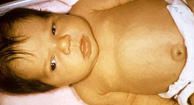
Few things can send new parents into a full-blown internet spiral faster than seeing a yellow tint on their newborn’s face. One minute you are counting tiny socks and admiring baby yawns. The next, you are squinting at your child near a window and wondering whether your adorable little burrito suddenly looks… a bit golden.
That yellow color is called jaundice, and in newborns it is very common. But when it shows up in a breastfed baby after the first week of life and sticks around longer than expected, doctors may consider breast milk jaundice. The name sounds dramatic, slightly suspicious, and unfairly judgmental toward breast milk, which is doing its best. In most cases, though, breast milk jaundice is temporary and not dangerous when properly monitored.
This guide breaks down what breast milk jaundice is, what causes it, what symptoms parents should watch for, and how pediatricians diagnose it. We will also cover the difference between breast milk jaundice and breastfeeding jaundice, because those two get mixed up so often they deserve separate name tags at the party.
What Is Breast Milk Jaundice?
Breast milk jaundice is a form of unconjugated hyperbilirubinemia that appears in an otherwise healthy, breastfed baby after the first week of life. It often becomes more noticeable in the second week and may linger for several weeks before gradually fading away. In some thriving breastfed babies, mild jaundice can hang around much longer than parents expect, which is unsettling but not automatically alarming.
The yellow color comes from bilirubin, a pigment made when the body breaks down old red blood cells. Adults clear bilirubin efficiently through the liver and intestines. Newborns, however, are still running a very new system with very new software. Their livers are immature, their red blood cells turn over quickly, and bilirubin can build up faster than the body removes it.
With breast milk jaundice, doctors think certain factors in human milk may increase how much bilirubin is reabsorbed from the intestine or slow how efficiently it is processed. The exact mechanism is not fully understood, but the condition is well recognized in pediatrics.
Breast Milk Jaundice vs. Breastfeeding Jaundice
This distinction matters a lot.
Breastfeeding jaundice usually happens in the first days of life when a baby is not getting enough milk yet. That can happen because milk supply is still coming in, latch is poor, feeding is ineffective, or the baby is sleepy and not transferring milk well. Less milk means fewer stools, and fewer stools mean bilirubin is more likely to be reabsorbed instead of excreted.
Breast milk jaundice, on the other hand, tends to appear after the first week in a baby who is otherwise doing well. The baby is often feeding adequately, making diapers, and gaining weight. In plain English: one problem is usually about not enough intake, while the other is more about how the baby handles bilirubin while taking breast milk.
If there is one sentence to remember, let it be this: breast milk jaundice does not mean breast milk is bad. It means the baby’s bilirubin pattern needs to be understood in context.
What Causes Breast Milk Jaundice?
The exact cause is still not pinned down with courtroom-level certainty, but experts believe breast milk jaundice is linked to substances in human milk that increase enterohepatic circulation. That is the fancy medical phrase for bilirubin getting reabsorbed from the intestines instead of leaving the body in stool.
Researchers have proposed a few explanations. One idea is that certain milk components may interfere with the normal breakdown or transport of bilirubin in the liver. Another is that enzymes such as beta-glucuronidase may allow more bilirubin to become available for reabsorption in the intestines. Genetics may also play a role in why one breastfed baby develops prolonged jaundice and another does not.
To be clear, breast milk jaundice is not caused by a parent doing something wrong. It is not caused by eating the wrong food, holding the baby incorrectly, or failing some secret newborn exam no one told you existed. It is generally a biologic response that occurs in some healthy breastfed infants.
Why Newborns Are Prone to Jaundice in the First Place
Even without breast milk jaundice, newborns are naturally more likely to develop jaundice because:
- They have more red blood cells than adults.
- Their red blood cells break down faster.
- Their liver is still maturing and clears bilirubin less efficiently.
- They may reabsorb bilirubin from the intestines before stools become regular.
So newborn jaundice is not unusual. Breast milk jaundice is better understood as a longer-lasting bilirubin pattern within that already jaundice-friendly newborn phase.
Symptoms of Breast Milk Jaundice
The main symptom is straightforward: yellowing of the skin and the whites of the eyes. It often starts in the face and can move downward toward the chest, belly, arms, and legs as bilirubin levels rise.
In babies with breast milk jaundice, the yellow tint may be the most obvious sign, while the baby otherwise seems well. Many are alert enough to feed, producing wet and dirty diapers, and acting like normal newborns, which mostly means sleeping, stretching, and making everyone in the house operate on four-hour fragments of consciousness.
Still, not every jaundiced baby should be casually labeled with breast milk jaundice. Parents should watch carefully for symptoms that suggest the baby needs prompt medical evaluation, including:
- Jaundice that appears in the first 24 hours after birth
- A baby who is very sleepy and hard to wake for feeds
- Poor feeding or refusing the breast or bottle
- Too few wet or dirty diapers
- Weight loss or poor weight gain
- Yellow color that becomes deeper, brighter, or more widespread
- Jaundice lasting longer than expected without medical follow-up
One more important point: jaundice can be harder to spot in babies with darker skin tones. In those cases, parents and clinicians may notice yellowing more easily in the whites of the eyes, inside the mouth, or under the tongue rather than relying on skin color alone.
How Doctors Diagnose Breast Milk Jaundice
Breast milk jaundice is not diagnosed by eyeballing a baby in good lighting and making a dramatic pronouncement. Pediatricians diagnose it by combining timing, feeding history, physical exam, bilirubin testing, and rule-out evaluation for more serious causes.
Step 1: Look at When the Jaundice Started
Timing is one of the biggest clues.
- First 24 hours: This is never something to shrug off. Early jaundice can point to hemolysis or other serious causes.
- Days 2 to 5: This may be physiologic jaundice or feeding-related jaundice.
- After the first week: In a healthy, breastfed baby, this raises the possibility of breast milk jaundice.
That timeline does not make the diagnosis by itself, but it gives the pediatrician an important starting map.
Step 2: Measure the Bilirubin
Doctors usually check bilirubin with either a transcutaneous bilirubin device placed on the skin or a total serum bilirubin blood test. Visual inspection alone is not reliable enough, especially when treatment decisions may depend on exact bilirubin levels.
If the bilirubin reading is high, close to treatment thresholds, rising quickly, or otherwise concerning, a blood test is used to guide next steps. The baby’s age in hours and days matters because bilirubin levels are interpreted differently depending on how old the newborn is.
Step 3: Separate Indirect From Direct Bilirubin
Doctors may order total and direct bilirubin levels. This matters because breast milk jaundice is usually an indirect, or unconjugated, bilirubin issue. If the direct bilirubin is elevated, clinicians have to consider other liver or biliary problems rather than assuming the answer is simply breast milk jaundice.
That is why a real diagnosis is more than a label. It is a process of making sure nothing more serious is hiding behind the same yellow appearance.
Step 4: Rule Out Other Causes
Depending on the baby’s age, exam, and bilirubin pattern, the pediatrician may order additional tests such as:
- Complete blood count
- Reticulocyte count
- Blood type testing
- Direct antiglobulin test (Coombs test or DAT)
- Blood smear
- G6PD testing in selected cases
These tests help rule out conditions such as blood type incompatibility, increased red blood cell breakdown, enzyme deficiencies, infection, or other causes of significant jaundice.
Step 5: Assess Feeding, Weight, and Diaper Output
Because early feeding-related jaundice is so common, doctors also look at the practical stuff that rules the newborn universe:
- How often the baby feeds in 24 hours
- Whether latch and milk transfer seem effective
- How many wet diapers and stools the baby has
- Whether weight loss is excessive
- Whether the baby was born early or has other risk factors
A thriving baby with persistent mild jaundice after the first week looks very different from a sleepy baby on day 3 with poor intake and too few diapers.
Is Temporary Formula Ever Used to Help Diagnose It?
Sometimes, in selected cases, a clinician may recommend temporary supplementation or even a short interruption of breastfeeding for 12 to 48 hours while monitoring bilirubin closely. If the bilirubin level falls during that period, it may support the diagnosis of breast milk jaundice. But this is not always necessary, and it is not something families should try on their own without guidance.
In most cases, breastfeeding can continue. That point deserves bold letters, a gold star, and maybe a marching band: most newborns with jaundice can keep breastfeeding.
Treatment and Monitoring
Treatment depends less on the label and more on the bilirubin level, the baby’s age, how quickly the level is rising, and how the baby is feeding.
If the baby has breast milk jaundice and is otherwise healthy, management often includes:
- Continuing breastfeeding
- Feeding more frequently
- Getting help from a lactation consultant if needed
- Repeat bilirubin checks
- Close pediatric follow-up
If bilirubin levels rise high enough, phototherapy may be needed. This treatment uses light to help the body break down bilirubin so it can be eliminated more easily. In more serious situations, supplementation with expressed breast milk, donor milk, or formula may be recommended. Rarely, more intensive treatment is required.
The big takeaway is this: do not stop breastfeeding just because the internet got dramatic. Let the pediatrician decide whether the baby needs monitoring only, feeding support, phototherapy, supplementation, or a temporary change in the feeding plan.
When Breast Milk Jaundice Is Not the Whole Story
Because the term sounds so specific, families sometimes assume it explains every case of prolonged jaundice in a breastfed baby. That is risky. Jaundice can also be linked to:
- Suboptimal milk intake in the first days of life
- Prematurity
- Bruising or birth trauma
- Blood type incompatibility
- Hemolytic disorders
- G6PD deficiency
- Infection
- Liver or biliary disease
This is why doctors do not diagnose breast milk jaundice in a vacuum. They diagnose it after considering the overall picture and ruling out more serious causes. Severe untreated hyperbilirubinemia can be dangerous and, in rare cases, lead to neurologic injury. That is exactly why careful follow-up matters.
Can Breast Milk Jaundice Be Prevented?
True breast milk jaundice cannot always be prevented, but feeding-related jaundice risk can be reduced by getting breastfeeding off to a strong start. That means:
- Feeding early after birth
- Breastfeeding 8 to 12 times a day in the first days
- Watching diaper counts
- Getting latch support quickly if something feels off
- Attending follow-up visits after hospital discharge
Those early feeds do more than nourish the baby. They help move bilirubin out through the stool, which is one of the body’s best natural cleanup systems.
A Practical Example
Imagine two babies.
Baby A is 3 days old, very sleepy, nursing poorly, and making too few diapers. The jaundice is increasing quickly. That baby may have early feeding-related jaundice and needs prompt feeding support and bilirubin evaluation.
Baby B is 10 days old, alert enough to feed, gaining weight, and making good diapers, but still looks yellow in the eyes and face. Lab work shows elevated indirect bilirubin, with no signs of hemolysis or liver disease. That picture is more consistent with breast milk jaundice.
Same color. Different story. That is why timing and context matter so much.
Final Thoughts
Breast milk jaundice sounds scarier than it often is. In many healthy breastfed babies, it is a temporary and manageable reason for prolonged yellowing after the first week of life. But the keyword is manageable, not ignore-it-and-hope-for-the-best.
The safest path is simple: if your newborn looks jaundiced, get the bilirubin checked, keep up with follow-up care, and work with your pediatrician and lactation support team. In most cases, breastfeeding can continue, the bilirubin trend improves with time, and the baby eventually loses that yellow tint without losing the benefits of human milk.
So yes, jaundice can be stressful. Yes, the terminology is confusing. And yes, every parent deserves a medal for decoding newborn medicine while sleep-deprived. But with proper diagnosis and monitoring, breast milk jaundice is usually something families move through, not something that defines the newborn experience.
Experiences Related to Breast Milk Jaundice: What Families Often Go Through
One of the most common experiences parents describe is confusion. They leave the hospital hearing that breastfeeding is important, then a few days later they are told their baby looks yellow, needs another bilirubin check, and may need closer feeding support. That emotional whiplash is real. Many parents immediately wonder, “Is my milk causing this?” The answer is often more nuanced than that. In the early days, the issue may be milk transfer or intake. Later on, it may truly be breast milk jaundice in an otherwise thriving baby. But in both situations, families often feel as though they are being asked to become amateur pediatric detectives while surviving on snacks and two hours of sleep.
Another common experience is the stress of follow-up appointments. Parents may return for repeated bilirubin tests, weight checks, and feeding assessments during the first week or two. Even when the baby is acting fine, those lab visits can feel nerve-racking. Every phone call from the pediatrician’s office suddenly sounds like the trailer for a very serious movie. In reality, those checks are often exactly what keeps things safe and simple. They help doctors confirm that bilirubin levels are either staying in an acceptable range or improving as expected.
Families also frequently talk about how surprisingly emotional feeding advice can be. If a pediatrician recommends nursing more often, pumping after feeds, waking a sleepy baby every two to three hours, or temporarily supplementing, some parents hear that as failure. It is not. It is support. Newborn feeding can be messy, inconsistent, and humbling. A lactation consultant may help fix latch problems, improve milk transfer, and reassure parents that needing a plan does not mean breastfeeding is ruined. In fact, for many families, that support is what makes breastfeeding sustainable.
For some parents, the biggest memory is seeing their baby under phototherapy lights. Even though phototherapy is common and effective, it can still feel intense. The goggles, the glow, the instructions to keep the baby under the lights as much as possible, and the nonstop mental math about ounces, diapers, and sleep can make families feel overwhelmed. Yet many also describe enormous relief once treatment starts working and bilirubin levels begin to drop. It becomes less of a mystery and more of a managed medical situation.
Parents of babies with breast milk jaundice that lingers for weeks often describe a different kind of stress: the baby looks healthy, feeds well, gains weight, and acts perfectly normal, but the yellow tint just hangs around like an overstaying houseguest. Friends or relatives may comment on the baby’s color, which does not exactly calm anyone down. This is where clear medical guidance matters most. When a pediatrician has ruled out dangerous causes and explains the bilirubin pattern, families are often able to relax and focus on trends instead of panic.
In the end, the lived experience of breast milk jaundice is often a mix of worry, repeat checks, feeding adjustments, and eventual relief. The most reassuring pattern is this one: the baby is monitored, the family gets support, breastfeeding is protected when possible, and the jaundice gradually fades. Not glamorous, not fun, but very manageable. Which is pretty much newborn life in a nutshell.