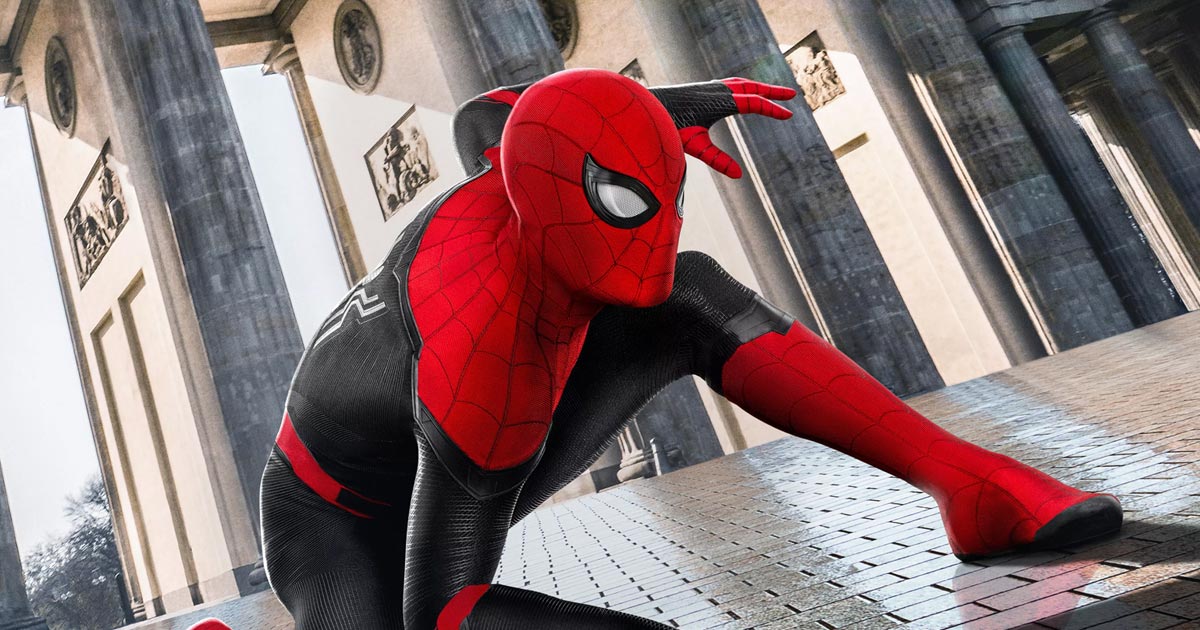
Note: The title is a playful Hollywood metaphor, not a literal legal filing. Nobody is handing Spider-Man a tiny overnight bag and telling him to be back by Sunday at 6 p.m.although, honestly, that would be very Peter Parker.
For years, Spider-Man has lived in one of the strangest custody arrangements in modern blockbuster history. Marvel created the character, Disney owns Marvel, Sony controls the live-action movie rights, and fans own the emotional damage every time the studios argue in public. The result is a superhero arrangement so complicated that even Doctor Strange might look at the contract, sigh, and open a portal to accounting.
The phrase “Sony grants Marvel weekend visitation rights to Spider-Man” captures the odd beauty of the deal. Sony is still the legal guardian of Spider-Man on the big screen, but Marvel Studios has been allowed to help guide Peter Parker through the Marvel Cinematic Universe. That collaboration began publicly in 2015, when Sony Pictures and Marvel Studios announced that Marvel’s Kevin Feige would produce the next Spider-Man installment with Amy Pascal, while Sony continued to finance, distribute, own, and control the Spider-Man films.
In other words, Sony kept the house keys, Marvel got the cool weekend plans, and Spider-Man got to swing next to Iron Man without a lawyer shouting, “Objection!” from a nearby rooftop.
Why Sony Owns Spider-Man’s Movie Rights
To understand the Sony Marvel Spider-Man deal, we have to rewind to a less glamorous time in Marvel history. Before Marvel Studios became the blockbuster machine that made post-credit scenes feel like national holidays, Marvel faced serious financial trouble. During that era, the company licensed movie rights to several major characters. Spider-Man eventually landed with Sony, which turned the web-slinger into a huge theatrical franchise beginning with Sam Raimi’s Spider-Man trilogy.
That history matters because “Marvel should just take Spider-Man back” sounds simple only if you say it very quickly and run away before the lawyers arrive. Film rights are not emotional support animals; they are contracts. Sony’s rights have allowed the studio to produce live-action Spider-Man movies and related spin-offs, while Marvel retained the character’s comic book identity and broader brand power. This is why Spider-Man can be a Marvel character, a Sony movie asset, and a Disney merchandise superstar all at once. Superheroes are flexible. Licensing agreements are less so.
The 2015 Deal: Spider-Man Comes Home, Sort Of
The 2015 agreement changed everything for fans. After The Amazing Spider-Man 2 underperformed compared with the sky-high expectations attached to the character, Sony and Marvel made a rare Hollywood move: they cooperated. The announcement brought Spider-Man into the MCU, with Tom Holland later cast as Peter Parker and Jon Watts selected to direct the new solo film.
The results were immediate. Spider-Man appeared in Captain America: Civil War, where audiences met a younger, chattier, more awkward Peter Parker. Instead of rehashing the origin story againbecause we had already seen enough radioactive spider bites to start checking our own ceilingsthe MCU version dropped Peter directly into a world of Avengers, alien invasions, and mentor problems.
Then came Spider-Man: Homecoming, which showed why the Sony and Marvel partnership worked. Marvel Studios brought its universe-building experience, Sony retained its valuable franchise, and Tom Holland’s Spider-Man felt fresh without pretending the audience had never heard of Uncle Ben. The movie leaned into teenage chaos, Queens neighborhood energy, and the pressure of being a “friendly neighborhood Spider-Man” when your neighborhood now includes flying weapons dealers and Tony Stark’s voicemail.
Why the Deal Worked So Well
The best part of the partnership was not just that Spider-Man could appear beside Avengers. It was that each studio brought something useful to the table. Sony had the rights, the distribution muscle, and decades of Spider-Man screen history. Marvel Studios had a carefully connected universe, Kevin Feige’s long-game storytelling approach, and the ability to make even a post-credit shawarma joke feel like franchise architecture.
This arrangement gave Sony’s Spider-Man movies a bigger playground. Peter Parker could react to the aftermath of Avengers battles, look up to Tony Stark, and stumble into cosmic-level trouble while still worrying about school dances and homework. Meanwhile, Marvel gained access to one of its most beloved characters, filling a gap in the MCU that had always felt a little spider-shaped.
The 2019 Breakup: When the Web Snapped
Then came 2019, the year Spider-Man fans learned that corporate negotiations can be scarier than the Green Goblin. After Spider-Man: Far From Home, reports emerged that Disney and Sony had failed to agree on new financial terms. For a short, dramatic period, it appeared that Spider-Man would leave the MCU. The internet reacted with the calm maturity of a subway car full of people who just saw someone drop pizza on the tracks.
Reports at the time said Disney wanted a larger financial stake in future Spider-Man films, while Sony preferred the existing arrangement. Deadline and the Los Angeles Times covered the breakdown, noting that Kevin Feige’s future involvement was suddenly uncertain.
The reaction was intense because Holland’s Peter Parker had become emotionally tied to the MCU. His story connected to Tony Stark, Avengers: Infinity War, Endgame, and the larger post-Thanos world. Pulling him out at that moment would have been like removing the middle slice from a sandwich and insisting everything was still structurally sound.
The Reunion: Spider-Man Gets Another Weekend Pass
Thankfully, the breakup did not last. In September 2019, Sony and Marvel reached a new agreement that kept Spider-Man in the MCU. Variety reported that the studios found a way to continue working together after their brief public split.
That reunion led to Spider-Man: No Way Home, a film that transformed a business arrangement into a pop-cultural event. The movie combined MCU storytelling with Sony’s previous Spider-Man legacy, bringing together characters and emotional history from multiple eras. It was not just a sequel; it was a cinematic group chat with twenty years of Spider-Man memories, and somehow everybody remembered to hit send.
The financial result was enormous. Spider-Man: No Way Home grossed more than $1.9 billion worldwide, making it one of the biggest theatrical releases of the pandemic era and one of Sony’s most successful films ever.
What Sony Gets From Sharing Spider-Man
From Sony’s perspective, sharing Spider-Man with Marvel is not charity. It is strategy. The MCU connection increases fan excitement, expands the storytelling universe, and gives each standalone Spider-Man film a larger cultural footprint. A Spider-Man movie is already valuable, but a Spider-Man movie that can also connect to Doctor Strange, Iron Man’s legacy, or the Avengers becomes an event.
Sony also benefits because the partnership keeps Spider-Man visible in multiple lanes. The live-action MCU films build mainstream momentum. The animated Spider-Verse films prove Sony can innovate brilliantly on its own. Spider-Man: Into the Spider-Verse won the Academy Award for Best Animated Feature in 2019, showing that Sony’s Spider-Man storytelling did not need to copy the MCU to succeed.
On top of that, Sony has experimented with its own universe of Spider-Man-related characters, including Venom. The first Venom movie grossed more than $856 million worldwide, proving that characters from Spider-Man’s orbit can perform strongly even without Peter Parker standing in the center of the frame.
What Marvel Gets From the Arrangement
Marvel Studios gets something equally valuable: emotional glue. Spider-Man is one of the most relatable superheroes ever created. He is powerful, but broke. Brave, but anxious. Famous, but somehow still late. He can save the world and still forget to text someone back. That human messiness is exactly what the MCU needs when its stories become too cosmic, too multiversal, or too crowded with glowing portals.
Spider-Man gives Marvel a street-level hero who can stand beside gods and soldiers without losing his neighborhood identity. He keeps the franchise grounded. Even when the plot involves alternate realities, Peter’s real battle is usually more personal: guilt, responsibility, friendship, loneliness, and the constant suspicion that rent in New York City is the true supervillain.
The Current Spider-Man Future
The next major chapter is Spider-Man: Brand New Day, starring Tom Holland and directed by Destin Daniel Cretton. Marvel lists the film for a July 31, 2026 theatrical release, with Peter Parker fighting crime in a New York City that no longer knows his name after the events of No Way Home.
That setup is promising because it returns Spider-Man to a classic emotional space. After years of Avengers-level pressure, Peter is back to being alone, anonymous, and responsible for his own choices. That is not just a plot reset; it is a character reset. The MCU version of Spider-Man can finally become less “Tony Stark’s gifted intern with trauma” and more “local hero with rent problems and a moral compass that never clocks out.”
Why Fans Care So Much
The Sony Marvel Spider-Man deal matters because fans do not experience these movies as spreadsheets. They experience them as stories. When Spider-Man leaves or enters the MCU, audiences do not think first about gross participation, financing percentages, or distribution terms. They think about Peter hugging Tony Stark, MJ forgetting him, Aunt May’s final lesson, and the loneliness of a young hero sewing his own suit in a tiny apartment.
That is why the “weekend visitation rights” joke works. It turns a corporate rights agreement into something emotionally recognizable. Fans feel like Spider-Man belongs to everyone, even when the paperwork says otherwise. Sony may control the movie rights, Marvel may shape the MCU context, and Disney may sell an impressive number of Spider-Man lunch boxes, but audiences are the ones who carry the character from generation to generation.
The Bigger Lesson: Shared Universes Need Shared Trust
Hollywood loves shared universes because they promise endless expansion. But the Spider-Man situation shows that shared universes are only as strong as the partnerships behind them. Characters can cross over easily on screen; contracts are harder to swing across. The Sony and Marvel arrangement works when both sides recognize that Spider-Man is more valuable connected than isolated.
That does not mean every Spider-Man story needs the MCU. The Spider-Verse films prove the opposite. But Holland’s Spider-Man specifically grew inside the MCU’s emotional architecture. Removing him too abruptly would weaken both sides. Sony would lose the Marvel connection that helped define this version of Peter, and Marvel would lose one of its most beloved younger heroes.
Experiences Related to “Sony Grants Marvel Weekend Visitation Rights To Spider-Man”
Watching the Deal Like a Fan, Not a Lawyer
One of the funniest experiences around the Sony and Marvel Spider-Man saga is how quickly ordinary movie fans became amateur entertainment attorneys. In 2019, people who normally used the phrase “contract law” only when skipping terms and conditions suddenly started explaining film rights, first-dollar gross, co-financing, merchandising, and studio leverage with the confidence of a person wearing three law degrees and a Spider-Man hoodie.
That fan experience says a lot about the character’s power. Spider-Man is not just another superhero brand. He feels personal. Many viewers grew up with Tobey Maguire’s earnest Peter Parker, Andrew Garfield’s wounded romantic energy, or Tom Holland’s anxious, good-hearted teenager. For others, Miles Morales in Into the Spider-Verse became the version that finally made the mask feel like it could fit anyone. When studio negotiations threatened to separate Spider-Man from the MCU, fans reacted like someone was moving their best friend to another school district.
The Theater Experience of a Shared Spider-Man
Few modern superhero moments compare with watching No Way Home in a packed theater. The excitement was not only about cameos. It was about recognition. The audience understood that this film could exist only because Sony and Marvel found a way to cooperate. Every cheer carried a business footnote, but nobody cared in the moment. People were too busy gasping, laughing, and trying not to spill popcorn during scenes that felt like a reunion, a therapy session, and a fireworks show at the same time.
That is the magic of the partnership. When it works, the legal machinery disappears and the story takes over. Nobody in the theater is thinking, “Ah yes, an elegant exploitation of cross-studio intellectual property alignment.” They are thinking, “My childhood just walked through a portal.” That emotional payoff is why fans keep rooting for Sony and Marvel to keep the peace.
Why the Custody Metaphor Still Fits
The “weekend visitation rights” metaphor also works because Spider-Man often feels like a kid caught between two very successful parents. Sony says, “We have plans for your solo career.” Marvel says, “Come visit the Avengers.” Fans say, “Please do not fight in front of the child.” Meanwhile, Peter Parker just wants to help people, pass chemistry, and maybe enjoy one peaceful slice of pizza without a multiverse crisis kicking down the door.
From a viewer’s experience, the best outcome is not for one studio to “win” and the other to disappear. The best outcome is balance. Sony should keep making bold animated Spider-Man stories and smart live-action films. Marvel should keep using Peter where he naturally fits in the MCU. The character is flexible enough for both. After all, Spider-Man’s entire brand is based on sticking to multiple surfaces at once.
The Personal Takeaway for Fans
The Sony Marvel Spider-Man arrangement reminds fans that great pop culture often comes from messy collaboration. The deal is imperfect, occasionally dramatic, and probably responsible for several executive headaches. But it also gave audiences Holland’s Spider-Man, his Avengers connections, No Way Home, and the possibility of more stories that blend local heroism with blockbuster scale.
So yes, Sony may have granted Marvel something like weekend visitation rights. But fans received the real gift: a Spider-Man who can swing through Queens, crash into the MCU, honor earlier film eras, and still feel like the same overwhelmed kid trying to do the right thing. That is not a bad custody arrangement. In fact, by Hollywood standards, it is practically a family miracle with better visual effects.
Conclusion
Sony and Marvel’s Spider-Man partnership is one of the most fascinating deals in superhero cinema. It is a business compromise, a creative opportunity, and a fan-service machine wrapped in red-and-blue spandex. Sony still controls the live-action film rights, Marvel Studios helps shape Peter Parker’s MCU journey, and audiences get the rare pleasure of watching a beloved character move between worlds.
The arrangement has survived public tension, financial negotiations, and the kind of fan panic usually reserved for cliffhanger endings. Yet it continues because both sides understand the same truth: Spider-Man is stronger when his world feels connected. Whether he is fighting street-level crime, entering multiverse madness, or simply trying to make rent, Peter Parker remains Marvel’s most human hero and Sony’s most valuable web-slinger.
And if this really is weekend visitation, let us hope the studios keep packing Spider-Man’s bag. The kid has places to swing.