Note: This review is based on publicly available card details and credit-building guidance available in 2026. Credit card offers, APRs, fees, eligibility rules, and benefits can change, so readers should always check the issuer’s latest terms before applying.
Introduction: A Credit-Building Card Without the Fireworks
The Chase Slate Edge Card is not the kind of credit card that shows up wearing sunglasses, promising airport lounge snacks, luxury hotel upgrades, and enough rewards points to make you feel like a financial wizard. Instead, it walks into the room with a clipboard and says, “Let’s work on your credit habits.”
And honestly? That is exactly what some people need.
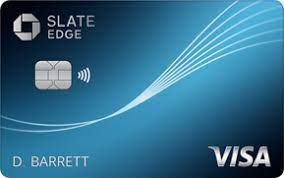
This card is designed for consumers who want a straightforward, no-annual-fee credit card that can help them build or improve credit through responsible use. It does not offer an ongoing rewards program, a giant welcome bonus, or glamorous travel perks. But it does offer practical tools: no annual fee, credit monitoring through Chase Credit Journey, automatic credit line increase reviews, purchase protections, and a simple structure that keeps the focus where it belongson better credit behavior.
For people looking to build credit, rebuild after past mistakes, or graduate from thin credit history to stronger financial footing, the Chase Slate Edge can be useful. But it is not perfect. The card’s high variable APR means carrying a balance can become expensive quickly, and the lack of rewards may disappoint anyone hoping to earn cash back on groceries, gas, or coffee runs that somehow cost $9 now.
In this in-depth Chase Slate Edge Card review, we will break down how the card works, who it is best for, where it falls short, and how to use it wisely if your main goal is building credit.
What Is the Chase Slate Edge Card?
The Chase Slate Edge Card is a credit-building credit card from Chase aimed primarily at people with fair credit or those working to improve their credit profile. It is a no-annual-fee card, which makes it attractive for users who want access to credit without paying just to keep the account open.
Unlike rewards credit cards, the Slate Edge is not built around earning points, miles, or cash back. Its value comes from practical credit-management features. The card gives users a way to make purchases, build payment history, monitor their credit, and potentially qualify for higher credit limits over time.
That makes it a “nuts-and-bolts” card. It is not flashy, but it can be helpful if used correctly. Think of it less like a sports car and more like a reliable used sedan with clean tires, working brakes, and a dashboard that reminds you not to ruin your credit score.
Chase Slate Edge Card Key Features
No Annual Fee
One of the biggest advantages of the Chase Slate Edge Card is its $0 annual fee. This matters more than it may seem. When you are trying to build credit, you generally want to keep accounts open over time because credit history length can help your score. A no-annual-fee card is easier to keep long term because it does not charge you every year for the privilege of existing in your wallet.
This makes the card a reasonable credit-building tool for users who want to establish a long-term account without worrying about whether the fee is worth it.
Designed for Fair Credit Customers
Chase positions the Slate Edge as a card for fair credit customers. Fair credit usually means your credit profile may include limited history, higher balances, past late payments, or other areas that need improvement. Approval is never guaranteed, because Chase reviews your full application, credit report, income, existing debt, and other factors.
Still, the card’s positioning makes it more approachable than premium rewards cards that typically require good to excellent credit.
High Variable APR
The Chase Slate Edge Card currently carries a high variable APR. That means this card is best used by people who plan to pay their statement balance in full each month. If you carry a balance, interest charges can pile up faster than laundry before a vacation.
This is especially important because a credit-building card should help you strengthen your financial foundation, not dig a deeper hole. The card can be useful, but only if you treat the credit limit as a toolnot as bonus income.
Automatic Credit Line Increase Reviews
One useful feature is automatic review for credit line increases every six months or sooner. A higher credit limit can help your credit utilization ratio if your spending stays the same. For example, if your credit limit rises from $1,000 to $2,000 and your balance remains $200, your utilization drops from 20% to 10%.
That does not mean you should celebrate a higher limit by buying a couch, a gaming console, and a mysterious kitchen gadget you saw at 1 a.m. It means you may have more breathing room while keeping your balance low.
Chase Credit Journey
The card includes access to Chase Credit Journey, a free tool that lets you monitor your credit score, receive alerts, and view personalized credit insights. Credit monitoring is useful because building credit is not just about making payments; it is also about understanding what affects your score.
Credit Journey can help users track progress, spot changes, and stay aware of potential identity theft or suspicious activity. For someone who is actively trying to build credit, this kind of visibility can be valuable.
Purchase Protection and Extended Warranty Benefits
The Chase Slate Edge Card also includes practical purchase protections. Eligible purchases may be protected against theft or damage for a limited period, and eligible manufacturer warranties may be extended by an additional year. These are not luxury perks, but they can save money when something breaks earlier than expected.
For example, if you buy headphones and they decide to retire from life after a few months, purchase protection or warranty coverage may help, depending on the terms. Always read benefit guides carefully because exclusions and limits apply.
Chase Slate Edge Card Pros and Cons
Pros
No annual fee: This makes the card easier to keep open long term, which may support credit history growth.
Credit-building focus: The card is designed for users who want to improve their credit through responsible use.
Automatic credit line reviews: Chase may review your account periodically for a higher credit limit, which can help utilization if you manage spending carefully.
Credit monitoring tools: Chase Credit Journey gives users free credit score access, alerts, and personalized insights.
Basic protections: Purchase protection, extended warranty coverage, and zero liability protection add useful security.
Cons
No rewards program: You will not earn ongoing cash back, points, or miles on everyday purchases.
High APR: Carrying a balance can be expensive, so this card is not ideal for people who expect to revolve debt.
Foreign transaction fee: The card charges a foreign transaction fee, making it a poor choice for international travel or purchases from foreign merchants.
Limited excitement: If you want premium benefits, travel credits, airport lounges, or big sign-up bonuses, this is not your card.
Is the Chase Slate Edge Good for Building Credit?
Yes, the Chase Slate Edge Card can be good for building creditbut the card itself is not magic. It will not sprinkle fairy dust on your credit report while you sleep. Credit improves when you use the card responsibly over time.
The most important credit-building habits include paying on time, keeping balances low, avoiding unnecessary applications, and maintaining accounts responsibly. The Chase Slate Edge can support those habits because it has no annual fee, offers credit monitoring, and may help you increase available credit over time.
However, it can hurt your progress if you use it poorly. Missing payments, maxing out the card, or carrying a large balance at a high APR can damage your credit and cost you money. The tool is only as good as the person holding it. A hammer can build a house or smash a window. Credit cards work the same way, just with more fine print.
How Credit Building Works With This Card
Payment History Matters Most
Payment history is the biggest factor in most credit scoring models. Paying your bill on time every month is the foundation of good credit. Even one missed payment can cause damage, especially if it becomes 30 days late or more.
With the Chase Slate Edge, the smartest move is to set up automatic payments for at least the minimum amount due. Even better, pay the full statement balance each month. That avoids interest and builds a clean payment record.
Credit Utilization Matters Too
Credit utilization refers to how much of your available credit you are using. If your card has a $1,000 limit and your balance is $500, your utilization is 50%. Lower utilization is generally better for your score.
A common guideline is to keep utilization below 30%, but people with very strong scores often keep it much lower. If you want to use the Slate Edge as a credit-building card, try charging small recurring expensessuch as a streaming subscription or gas purchaseand paying them off quickly.
Length of Credit History Takes Time
Credit history length cannot be rushed. You cannot microwave a credit score like leftover pizza. Keeping a no-annual-fee card open for years may help your credit profile mature, assuming the account remains in good standing.
This is one reason the Chase Slate Edge’s lack of annual fee matters. You can keep it open without needing to justify a yearly cost.
Who Should Consider the Chase Slate Edge Card?
The Chase Slate Edge Card may be a good fit if you want a simple credit card for building or improving credit and you do not care about rewards. It is especially suitable for someone who plans to pay in full every month, wants a no-annual-fee account, and values credit monitoring tools.
It may also appeal to users who already bank with Chase and want to keep their financial life under one roof. Having your checking, savings, credit card, and credit monitoring tools in one app can make money management easier.
This card is best for disciplined users. If you know you can make small purchases, pay on time, and keep balances low, the Slate Edge can be a useful stepping stone toward stronger credit.
Who Should Skip the Chase Slate Edge Card?
You may want to skip this card if you want rewards. Many no-annual-fee cards offer cash back on common spending categories, and some are available to people with good credit. If you already qualify for a strong rewards card, the Slate Edge may feel underwhelming.
You should also be careful if you expect to carry a balance. The card’s high APR can make debt expensive. If your main goal is paying down existing credit card debt, compare balance transfer cards, personal loans, or nonprofit credit counseling options before applying.
International travelers should also look elsewhere because the foreign transaction fee can add unnecessary cost. A dedicated travel card with no foreign transaction fee would be better for overseas purchases.
Chase Slate Edge vs. Rewards Credit Cards
The Chase Slate Edge is not trying to compete with rewards cards. Rewards cards are designed to give you something back on spending. The Slate Edge is designed more as a credit-building and credit-management tool.
If you spend heavily and pay in full, a rewards card may offer better long-term value. For example, a flat-rate cash back card could return 1.5% or 2% on purchases. Over time, that can add up.
But rewards only matter if you are not paying interest. A 2% cash back rate means very little if you carry a balance at a high APR. That is like saving $2 on lunch and then paying $40 in parking tickets. Technically there was a win, but the scoreboard is ugly.
Chase Slate Edge vs. Secured Credit Cards
If your credit is poor or very limited, you may not qualify for the Chase Slate Edge. In that case, a secured credit card may be a better starting point. Secured cards require a refundable security deposit, which usually becomes your credit limit.
A secured card can help you build payment history if the issuer reports to the major credit bureaus. After months of responsible use, some issuers may let you graduate to an unsecured card.
The Slate Edge may be more appealing because it does not require a security deposit. But approval standards still apply, so secured cards remain useful for consumers who need a more accessible entry point.
How to Use the Chase Slate Edge Card Wisely
Use It for Small Purchases
Use the card for predictable expenses you already planned to pay. Good examples include gas, groceries, phone bills, or subscriptions. Avoid using it for impulse purchases or “I deserve this” shopping sprees that begin with confidence and end with regret.
Pay in Full Every Month
The best way to use this card is to pay the statement balance in full by the due date. This avoids interest and builds positive payment history.
Keep Utilization Low
Try to keep your reported balance low compared with your credit limit. If your limit is small, consider making an extra payment before the statement closes. This can help reduce the balance reported to credit bureaus.
Monitor Your Credit
Use Chase Credit Journey to watch your score, track changes, and understand what is affecting your credit profile. Monitoring your score will not improve it by itself, but it helps you make smarter decisions.
Avoid Unnecessary Applications
Each new credit application can create a hard inquiry, which may temporarily lower your score. Apply only when the card fits your goals and you have a reasonable chance of approval.
Realistic Example: Building Credit With Chase Slate Edge
Imagine Sarah has fair credit and receives a $1,000 credit limit on the Chase Slate Edge. She uses the card for a $40 phone bill and a $60 grocery trip each month. Her total monthly spending is $100, or 10% of her limit.
She sets up autopay for the full statement balance. Every month, she pays on time and avoids interest. After six months, Chase may review her account for a credit line increase. If her limit rises to $1,500 and her spending stays around $100, her utilization becomes even lower.
This is the boring way to build credit. It is also the smart way. No drama, no panic, no “why is my minimum payment looking at me like that?” moment.
Is the Chase Slate Edge Worth It?
The Chase Slate Edge Card is worth considering if your main priority is building credit with a no-annual-fee card from a major issuer. It offers useful tools, simple terms, and a path toward better credit habits.
However, it is not the best card for everyone. If you already have good or excellent credit, you may qualify for cards with rewards, lower APRs, better sign-up bonuses, or no foreign transaction fees. If you need to carry debt, the Slate Edge’s high APR makes it risky unless you have a clear payoff strategy and understand the current terms.
The bottom line: the Chase Slate Edge is a practical credit-building card, not a rewards machine. Use it carefully, and it can help. Use it carelessly, and it can become expensive.
Extra Experience-Based Insights: What It Feels Like to Use a Credit-Building Card
Using a card like the Chase Slate Edge is less about chasing perks and more about building trust with lenders. That may sound dull, but credit building is often a quiet process. Nobody throws a parade because you kept your utilization under 10%. There are no balloons when you make six on-time payments in a row. But behind the scenes, those small habits can create meaningful progress.
One common experience with credit-building cards is starting with a modest credit limit. At first, that can feel frustrating. You may think, “How am I supposed to use this card if the limit is so low?” But a small limit can actually be useful training wheels. It forces you to manage spending carefully. If you treat a $500 or $1,000 limit as a credit gym, every on-time payment is a rep, and every low-balance statement is another step toward stronger financial muscles.
The key is not to treat the card like emergency income. Many people get into trouble because they see available credit and mistake it for money they own. It is not money; it is borrowed purchasing power. The healthiest approach is to use the Chase Slate Edge only for expenses already in your budget. For example, charge your internet bill, gas, or one grocery run, then pay it off. This keeps the account active without turning your monthly statement into a horror movie.
Another real-world lesson is that credit monitoring can become motivating. Watching your score change over time helps you connect behavior with results. If your balance jumps, you may see your utilization affect your score. If you pay down debt, you may see improvement. Not every change is instant, and credit scores can be moody little creatures, but monitoring helps you stay engaged.
It is also important to be patient. Building credit can feel slow because credit scoring rewards consistency over time. You may do everything right for three months and wonder why your score has not launched into orbit. That is normal. Credit improvement is usually more like gardening than flipping a switch. You plant habits, water them every month, remove the weeds, and eventually something grows.
For many users, the biggest benefit of a card like the Chase Slate Edge is psychological. It creates a structured way to practice responsible credit use. You learn to check due dates, understand statements, monitor balances, and avoid unnecessary interest. These skills matter long after this card stops being your main card.
Eventually, if your credit improves, you may qualify for better products: cash back cards, travel cards, lower-interest cards, auto loans, or mortgages with more favorable terms. At that point, the Slate Edge may become a backup card that helps preserve your credit history. Because it has no annual fee, keeping it open can make sense as long as you use it occasionally and manage it responsibly.
The best experience with the Chase Slate Edge comes from having a simple plan: spend lightly, pay fully, keep utilization low, monitor your credit, and avoid treating credit as extra income. That may not sound glamorous, but it is effective. And in personal finance, effective beats glamorous almost every time.
Final Verdict
The Chase Slate Edge Card is a solid option for people who want to build or improve credit without paying an annual fee. It is simple, practical, and focused on responsible credit behavior. The card’s credit monitoring tools and automatic credit line reviews add value for users who are serious about improving their financial profile.
That said, it is not a rewards card, not a premium travel card, and not a great option for carrying balances. The high APR is the biggest warning sign. If you use the card, use it with discipline. Pay on time, pay in full, and keep balances low.
For the right person, the Chase Slate Edge is not just another credit card. It can be a stepping stone toward better credit, better borrowing options, and fewer awkward moments when lenders peek at your credit report.