Gorilla Glue is wonderful when it is holding a chair leg, craft project, shoe sole, or mystery household object together. It is less wonderful when it decides your fingers are the project. One minute you are fixing something like a confident DIY hero; the next, your thumb and index finger are auditioning for a permanent handshake.
The good news: in most cases, Gorilla Glue on hands is not a disaster. It is annoying, sticky, stubborn, and occasionally panic-inducing, but it can usually be handled at home with patience, warm soapy water, gentle rubbing, oil, moisturizer, andonly in certain casescareful use of acetone. The big rule is simple: do not rip, yank, scrape aggressively, or declare war on your own skin.
Before you begin, know this important detail: “Gorilla Glue” can mean different products. Original Gorilla Glue, Clear Gorilla Glue, and White Gorilla Glue are polyurethane-style adhesives. Gorilla Super Glue products are cyanoacrylate adhesives, similar to other super glues. The removal strategy is similar at first, but not identical. Some solvents that may help with super glue are not recommended for certain Gorilla Glue formulas once cured. So yes, the bottle matters. Your skin will appreciate your attention to labels.
Below is a safe, practical, skin-friendly guide to remove Gorilla Glue from hands in 8 stepswithout turning your fingers into a crime scene.
Quick Safety Note Before You Start
This guide is for small amounts of Gorilla Glue on hands or fingers. If glue gets in your eyes, mouth, lips, hairline, or a large area of skin, or if you notice burning, blistering, severe redness, trouble breathing, dizziness, or swelling, stop DIY removal and contact Poison Control or a medical professional. If your fingers are glued together, do not pull them apart. Soak, loosen, wiggle gently, and let the bond relax.
What You’ll Need
- Warm water
- Mild liquid soap or dish soap
- A bowl or sink
- A soft washcloth
- Gritty soap, sugar scrub, or a gentle exfoliator
- Petroleum jelly, mineral oil, olive oil, or coconut oil
- Thick moisturizer or hand cream
- Acetone-based nail polish remover, only for Gorilla Super Glue and only with caution
How to Get Gorilla Glue off Hands: 8 Steps
Step 1: Identify Which Gorilla Glue You Used
Start by looking at the bottle, tube, or package. This tiny detective moment matters. If you used Original Gorilla Glue, Clear Gorilla Glue, or White Gorilla Glue, you are dealing with a glue that may stain the skin temporarily and can take several days to wear away completely. For these formulas, the safest approach is usually wiping while wet, washing, gently exfoliating, moisturizing, and waiting patiently.
If you used Gorilla Super Glue, Gorilla Super Glue Gel, Brush & Nozzle, or Micro Precise, you are dealing with a fast-bonding super glue. Warm soapy water is still the first move, but acetone may be used carefully on small areas if the glue is stubborn and your skin is not broken or irritated.
Do not skip this step. Using a harsh solvent on already irritated skin can make the problem worse. The goal is to remove the glue, not exfoliate yourself into a raisin.
Step 2: Wipe Away Wet Glue Immediately
If the Gorilla Glue is still wet or tacky, act fast. Use a dry paper towel or cloth to blot and lift away as much glue as possible. Avoid smearing it across your hand, because that simply turns one sticky spot into a modern art installation.
Do not use cotton balls or fluffy cotton pads with super glue. Cyanoacrylate adhesives can react with cotton fibers and generate heat, which may irritate or burn skin. A paper towel, clean cloth, or non-fluffy wipe is a safer choice.
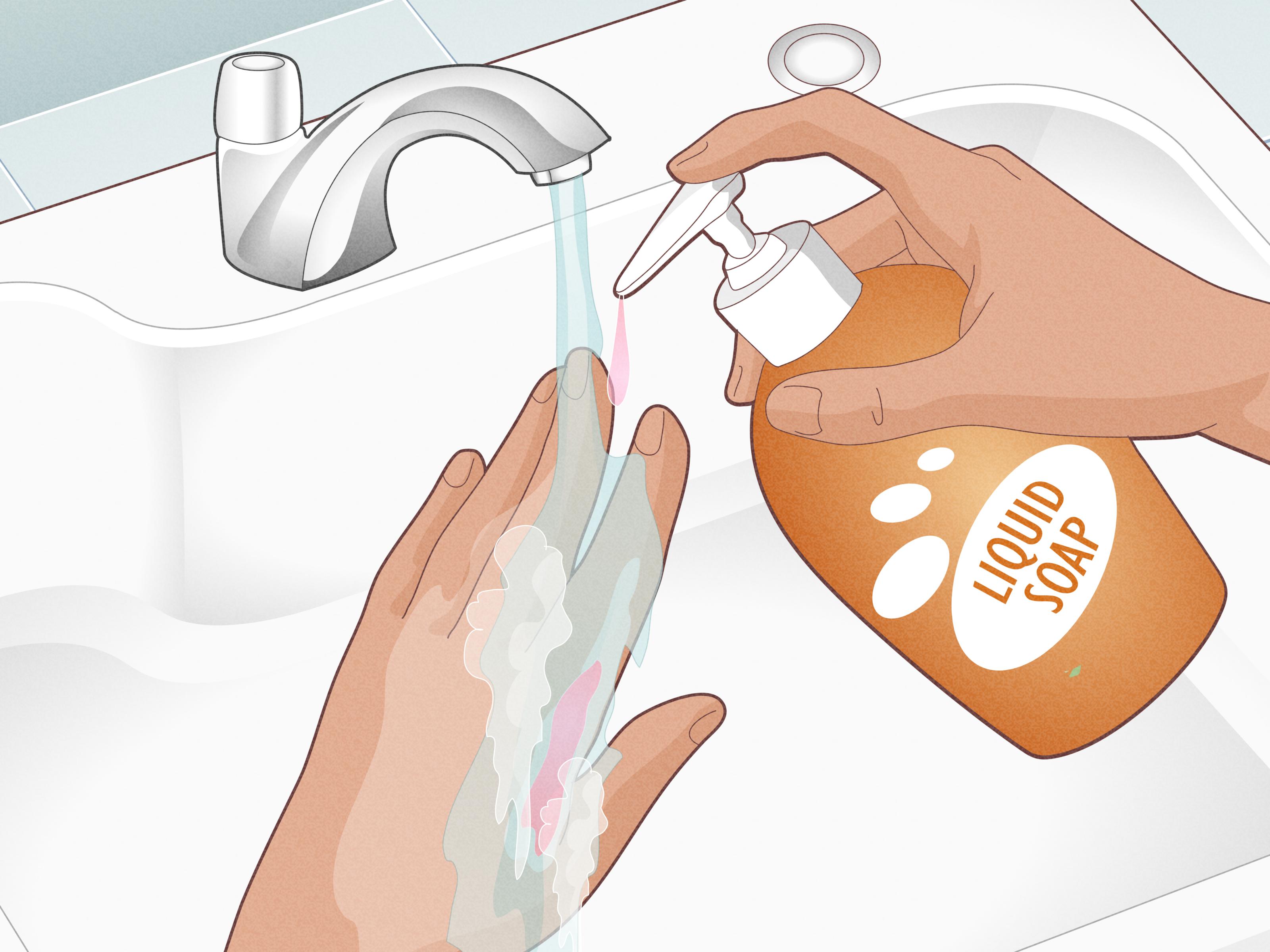
Once you have removed the excess glue, wash your hands with warm water and soap. Use gentle pressure. If the glue is still soft, repeated washing may remove much of it before it fully cures.
Step 3: Soak Your Hands in Warm, Soapy Water
Fill a bowl or sink with warmnot hotwater and add a generous amount of mild soap. Soak the glued area for 10 to 15 minutes. This is the part where patience does the heavy lifting. Warm water and soap help soften the bond, loosen glue around the edges, and reduce the urge to do something dramatic.
If two fingers are stuck together, keep them submerged and gently move them side to side. Do not pull them apart. Think “tiny wiggle,” not “opening a stuck pickle jar.” The water needs time to creep into the bond.
After soaking, gently rub the glue with your fingertips or a soft washcloth. If the glue starts peeling at the edges, slowly roll it away from the skin. Stop if it hurts. Pain is your skin’s way of saying, “Absolutely not.”
Step 4: Use Oil or Petroleum Jelly to Loosen the Glue
If warm soapy water does not remove everything, apply petroleum jelly, olive oil, mineral oil, coconut oil, or even a plain cooking oil to the glued area. Massage it into the edges of the adhesive for several minutes. Oils can help loosen the grip between glue and skin while being much kinder than aggressive scraping.
This method is especially useful when the glue has formed a thin film over your fingers. Apply the oil, let it sit for 5 to 10 minutes, then gently rub the area with a washcloth. Repeat as needed.
Oil will not always dissolve glue instantly. This is not a movie scene where the problem vanishes in three seconds. But it can soften the edges and make the glue easier to roll away after another soak.
Step 5: Try Gentle ExfoliationBut Don’t Sand Your Skin
For Original Gorilla Glue, Clear Gorilla Glue, and White Gorilla Glue, gentle exfoliation is often one of the most practical options after washing. Use gritty soap, a sugar scrub, or a mild exfoliating cleanser. Rub gently in circles, then rinse and check your progress.
A pumice stone may be used very lightly on thick skin, such as the palms, but avoid it on knuckles, cuticles, cracked skin, or sensitive areas. Never use knives, razor blades, metal files, sandpaper, or anything that sounds like it belongs in a garage instead of a bathroom.
Remember, Gorilla Glue can cling to the outer layer of dead skin. That layer naturally sheds over time. If a faint stain or thin residue remains after safe cleaning, it is usually better to moisturize and let it wear off gradually than to over-scrub.
Step 6: Use Acetone Carefully for Gorilla Super Glue Only
If you used Gorilla Super Glue and warm soapy water plus oil are not enough, acetone-based nail polish remover may help. Use this only on small areas of intact skin. Do not use acetone on cuts, irritated skin, burns, rashes, or near your eyes or mouth.
To use acetone safely, dampen a small section of a cloth or paper towel and dab the glued area. Let it sit briefly, then gently rub. Wash immediately afterward with soap and warm water. Follow with a thick moisturizer, because acetone can dry and irritate skin quickly.
Do not soak your entire hand in acetone. Do not mix acetone with other chemicals. Do not use acetone repeatedly for a long period. If the glue refuses to move, take a break and return to warm soapy water and moisturizer. Your hand is not a countertop.
For Original Gorilla Glue and similar polyurethane Gorilla Glue formulas, avoid reaching for acetone or alcohol as the main solution, especially once the glue has cured. The manufacturer’s practical guidance for hands focuses on wiping wet glue, washing, gritty soap or exfoliation, and moisturizing while the residue wears away.
Step 7: Moisturize and Let Time Finish the Job
After washing, soaking, exfoliating, or using acetone, apply a thick hand cream, ointment, or petroleum jelly. Moisture helps calm the skin barrier and makes leftover glue less uncomfortable. It also helps prevent cracking, especially around fingernails and knuckles.
If some glue remains, do not panic. Cured Gorilla Glue on fingers may take a few days to wear off naturally as your skin sheds. This is normal. It may look odd, feel rough, or make your fingerprint scanner question your identity, but it usually improves with time.
Reapply moisturizer several times a day. Wash gently. Avoid harsh cleaners, bleach, abrasive scrubs, and more glue projects until your skin is comfortable again. Yes, the shelf can wait.
Step 8: Know When to Get Medical Help
Most small glue mishaps are manageable at home, but some situations need professional advice. Get help if your skin is bonded tightly and will not loosen after repeated soaking, if glue is near your eyes or mouth, if you have a chemical burn, if the area becomes increasingly painful, or if redness, swelling, blistering, pus, numbness, or rash develops.
You should also seek advice if a child gets Gorilla Glue on their skin, if someone swallows glue, or if the glue gets on clothing and causes heat or burning against the skin. When in doubt, call Poison Control in the United States at 1-800-222-1222 or contact a healthcare professional.
What Not to Do When Gorilla Glue Is on Your Hands
Some removal mistakes can turn a minor glue problem into a skin injury. Avoid these common errors:
- Do not rip glued skin apart. This can tear the skin and cause bleeding.
- Do not scrape with sharp tools. A knife is not a manicure device.
- Do not use bleach, gasoline, paint thinner, or household cleaners. These can irritate or burn skin.
- Do not use acetone on broken or sensitive skin. It can sting and worsen dryness.
- Do not panic if a stain remains. Some cured glue wears off gradually over several days.
How to Prevent Gorilla Glue from Getting on Hands Next Time
The easiest glue removal method is prevention, which sounds annoyingly obvious until you are peeling adhesive off your thumb at midnight. Wear disposable nitrile gloves when using Gorilla Glue, especially for larger projects. Work in a ventilated area, cover your surface, keep paper towels nearby, and use a toothpick, brush, clamp, or applicator instead of your fingers to position small parts.
Use less glue than you think you need. Gorilla Glue expands as it cures, and super glue bonds very quickly. A tiny amount often goes a long way. In glue math, “just a little extra” frequently equals “why is my hand attached to this cabinet knob?”
Also, read the product label before starting. Different Gorilla Glue formulas behave differently, and the instructions usually explain the best cleanup method for wet and cured glue.
Real-Life Experience: What It Feels Like and What Actually Helps
Anyone who has worked with Gorilla Glue knows the experience usually begins with confidence. You lay out your materials, squeeze the bottle carefully, and think, “I have this under control.” Then one small bead of glue lands on your finger. You wipe it. Somehow it spreads. You touch the cap. Now the cap is sticky. You touch another finger. Congratulations, you have created a tiny adhesive ecosystem.
The first reaction is usually panic, especially with Gorilla Super Glue because it bonds so fast. The skin feels tight, shiny, and stiff. If two fingers are stuck together, every instinct says to pull them apart immediately. That instinct is understandableand wrong. Pulling can remove skin along with the glue. The better move is boring but effective: warm soapy water, slow wiggling, and patience.
In practice, warm soapy water works best when you give it enough time. A quick rinse rarely does much once the glue has cured. A real soak is different. After 10 or 15 minutes, the edges often begin to lift. That is the moment to gently roll the glue, not peel like a sticker from glass. Skin is not glass. Skin files complaints.
Oil is another underrated helper. Petroleum jelly or olive oil may not feel as powerful as acetone, but it is much friendlier to hands. It helps when the glue is more like a thin crust or film rather than a thick blob. Massage it in, wait, then wash again. Sometimes the glue comes off in small flakes over several rounds. It is not glamorous, but neither is explaining why your hand smells like nail polish remover for the rest of the day.
Acetone can be useful for Gorilla Super Glue, but it is not a magic spa treatment. It dries the skin fast. People often overuse it because they want instant results, then end up with cracked, irritated fingers. The smartest approach is to use the smallest amount possible, only on the glue, and stop once the adhesive loosens. Wash, moisturize, and move on.
With Original Gorilla Glue, the experience is different. The glue may leave a brownish or yellowish stain that does not disappear immediately. That can be frustrating because your hand looks dirty even after you have washed it five times. But aggressive scrubbing usually makes the skin sore before it removes the stain. Moisturizer and time are often the final step. Within a few days, normal skin shedding usually takes care of the leftovers.
The biggest lesson from real glue mishaps is this: calm hands win. The more rushed you are, the more likely you are to scrape, pull, or irritate your skin. Treat the glue like a stubborn houseguest. Encourage it to leave with soap, warmth, oil, and gentle persistence. Do not drag it out by the collar.
Conclusion
Getting Gorilla Glue off hands is mostly about choosing the right method for the right formula. For wet glue, wipe first and wash fast. For cured glue, soak in warm soapy water, gently wiggle bonded skin, use oil or petroleum jelly, exfoliate lightly, and moisturize. For Gorilla Super Glue only, acetone may help, but it should be used sparingly and carefully. For Original Gorilla Glue and similar formulas, leftover staining may simply take several days to wear off.
The golden rule is simple: protect your skin. Never pull glued fingers apart, never attack your hands with sharp tools, and never use harsh chemicals meant for surfaces. Your hands are useful. They open snacks, hold coffee, type emails, and occasionally glue things they should not. Treat them kindly.
Note: This article is for general household glue accidents involving small amounts on hands. For glue in the eyes, mouth, large skin areas, severe irritation, burns, or stuck skin that will not loosen, contact Poison Control or a healthcare professional.