Sushi has a special kind of magic. A tiny slab of fish, a neat pillow of rice, a swipe of wasabi, and suddenly dinner feels elegant enough to make your wallet sit up straight. But behind the glowing sushi bar, a surprisingly fishy question keeps popping up: Is that “red snapper” really red snapper? Is “white tuna” actually tuna? And when a menu promises wild salmon, are you getting the ocean-going athlete you imaginedor a farm-raised cousin wearing a clever little disguise?
That is exactly the kind of mystery biologists have been cracking open with DNA testing. In several U.S. investigations and academic studies, researchers collected sushi samples, tested their genetic fingerprints, and compared the results with menu labels. The findings were not always comforting. In some cases, sushi restaurants served fish under names that did not match the species on the plate. Sometimes the swap looked like economic fraud. Sometimes it may have happened earlier in the supply chain. Either way, the customer was left paying for one thing and chewing another.
This does not mean every sushi restaurant is shady. Many chefs work hard, buy carefully, and respect the craft. But seafood mislabeling is a real problem in the United States, and sushi is especially vulnerable because the fish often arrives sliced, skinned, and beautifully anonymous. Once a fillet becomes sashimi, even an experienced diner cannot reliably identify it by sight. That is where science enters with a lab coat, a barcode scanner, and a polite but devastating question: “Are you sure that is what you say it is?”
What Seafood Mislabeling Really Means
Seafood mislabeling happens when a fish or shellfish is sold under the wrong name. It can be as simple as using a vague menu term, or as serious as substituting a cheaper species for a more expensive one. In the United States, the FDA maintains a Seafood List that helps businesses use acceptable market names for fish sold in commerce. This matters because “cute nickname from the menu” and “legally acceptable seafood name” are not always the same thing.
For example, “red snapper” is not a casual decorative phrase. It refers to a specific species, Lutjanus campechanus. If a restaurant sells a less expensive snapper, rockfish, tilapia, or other white fish as red snapper, that is not just a poetic interpretation of dinner. It can be misbranding and economic deception. The same concern applies to premium terms like wild salmon, grouper, halibut, and certain tuna species.
How Biologists Catch Fake Sushi Labels
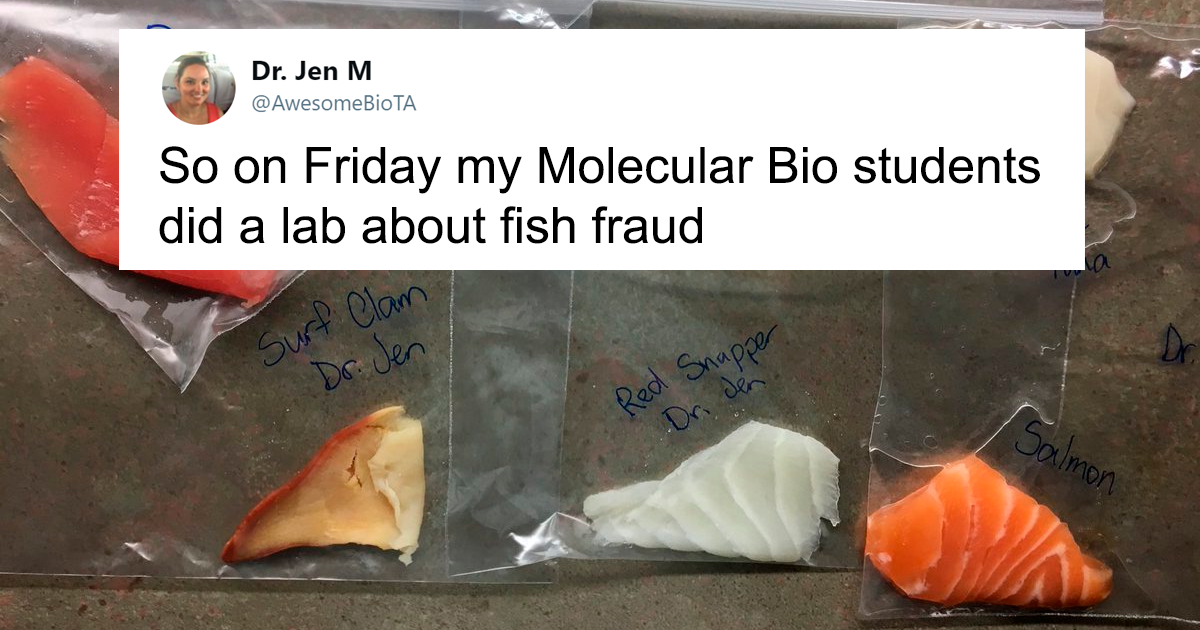
The main tool is DNA barcoding. Think of it as a genetic receipt. Researchers take a small sample of fish, extract DNA, and examine specific gene regions that can identify the species. They then compare that genetic sequence with reference databases. If the menu says “halibut” but the DNA says something else, the fish has effectively testified against the menu.
This method is especially useful for sushi because visual identification is difficult. A whole fish has skin, head shape, fins, color, and size. A piece of sashimi has… vibes. Delicious vibes, maybe, but not enough evidence for species identification. DNA testing cuts through the guesswork and tells researchers what is actually on the plate.
The Los Angeles Sushi Study That Made Diners Look Twice
One of the most talked-about examples came from researchers associated with UCLA and Loyola Marymount University. They tested hundreds of sushi samples from Los Angeles restaurants over several years and found that a large share of the fish was mislabeled. The study reported that nearly half of the sushi samples tested did not match the menu label.
The worst offenders were especially eye-catching. Red snapper and halibut were repeatedly sold under names that did not match the DNA results. In plain English: customers ordering premium fish were often served something else. Tuna and salmon were more reliable, but even those categories were not completely free from labeling concerns in broader seafood fraud research.
The important detail is that the restaurant may not always be the original villain. A chef can be misled by a distributor, a distributor can be misled by an importer, and an importer can be working with a supply chain that has more twists than a crime novel. By the time the fish reaches the sushi counter, the false label may already be iced into the paperwork.
“White Tuna” and the Escolar Problem
One of the most famous sushi labeling issues involves “white tuna.” The phrase sounds clean, elegant, and luxurious. Unfortunately, it is often used for escolar, a buttery fish that is not actually tuna. Escolar contains indigestible wax esters that can cause unpleasant gastrointestinal symptoms in some people. Translation: your fancy sushi night may end with your digestive system writing a strongly worded complaint.
Escolar is not automatically dangerous for everyone in small amounts, and some diners enjoy its rich texture. The problem is disclosure. If a menu calls it “white tuna,” customers may reasonably believe they are eating a tuna species. That matters for health, allergies, personal preferences, sustainability concerns, and simple honesty. A diner should not need a marine biology degree to order lunch without surprises.
Why Sushi Is So Easy to Mislabel
1. Fish Looks Similar Once It Is Processed
Many species look distinct when whole but nearly identical as pale slices. A firm white fish can stand in for another firm white fish. A red-orange fillet may pass as salmon. A rich, fatty piece of escolar may look like something a menu wants to call tuna. Once the fish is cut, trimmed, and plated, even trained eyes can struggle.
2. Seafood Supply Chains Are Complicated
Seafood may travel through boats, processors, exporters, importers, distributors, wholesalers, and restaurants before it reaches a diner. Every step adds a chance for confusion, sloppy paperwork, or intentional substitution. In a global supply chain, a fish can cross borders faster than most people can finish reading the specials board.
3. Expensive Fish Create Temptation
When one species commands a higher price, the incentive to substitute a cheaper fish increases. Red snapper, grouper, halibut, wild salmon, and premium tuna are attractive targets because diners are willing to pay more for them. If a cheaper species can be passed off as a premium one, dishonest sellers can pocket the difference.
4. Menu Names Can Be Vague
Some sushi menus use broad terms like “snapper,” “yellowtail,” or “tuna” without specifying the exact species. That vagueness can make enforcement harder and consumer understanding weaker. A diner may assume one thing while the restaurant means another. Good labeling should reduce confusion, not invite it to pull up a chair.
Common Sushi Ingredients That Raise Labeling Questions
Red Snapper
Red snapper is one of the classic seafood fraud examples. True red snapper is a specific fish, not a general aesthetic category. Studies and investigations have repeatedly found other species sold as red snapper. For sushi diners, this means a high-price menu item may sometimes be a stand-in with a better publicist.
Halibut
Halibut is prized for its mild flavor and firm texture. Because it is valuable, it can be a target for substitution. Other flatfish or white fish may be sold under the halibut name. The average customer cannot easily tell the difference once the fish is sliced for sushi.
Wild Salmon
Wild salmon carries a premium image: clean rivers, open ocean, heroic upstream swimming, the whole nature documentary package. Farmed salmon can be excellent, but it should not be sold as wild if it is not wild. Mislabeling salmon affects price, consumer choice, and sustainability decisions.
Tuna
Tuna labeling can be tricky because several tuna species appear on sushi menus, including yellowfin, bigeye, albacore, and bluefin. Some studies found tuna to be more accurately labeled than other sushi fish, while other DNA barcoding research raised concerns about ambiguous tuna labeling and even protected or endangered species appearing under unclear names.
Yellowtail
In sushi restaurants, “yellowtail” often refers to Japanese amberjack, also called hamachi. But common names can create confusion because different regions and markets use overlapping terms. Clear labeling helps diners know whether they are getting hamachi, another amberjack, or a completely different fish wearing the same name tag.
Why False Labels Matter Beyond the Price
It is easy to think of sushi mislabeling as a wallet issue: you paid for premium fish and got a cheaper substitute. That is bad enough. But the problem can go deeper.
First, there are health concerns. Different fish carry different risks. Escolar can cause digestive problems. Some species may have higher mercury concerns. Improperly handled tuna and related fish can be associated with histamine, also known as scombroid poisoning, which can cause flushing, headache, cramps, diarrhea, itching, and heart palpitations. Accurate species identification supports better food-safety decisions.
Second, there are allergy and dietary concerns. A person avoiding a specific fish for medical, religious, ethical, or personal reasons deserves accurate information. “Close enough” is not close enough when someone’s health or values are involved.
Third, there are environmental concerns. Some species are overfished, vulnerable, or linked to illegal, unreported, and unregulated fishing. If a diner chooses sustainable seafood but receives a mislabeled species, their informed choice disappears. Fraud does not just cheat the customer; it can reward bad actors and punish honest fishers.
Are Sushi Restaurants Always to Blame?
Not necessarily. The sushi chef is the most visible person in the transaction, but the label may have been wrong long before the fish arrived. Restaurants often buy from suppliers and rely on invoices, boxes, and distributor claims. If those records are inaccurate, the restaurant may unknowingly pass the misinformation to customers.
That said, restaurants are not powerless. Responsible sushi businesses can ask better questions, buy from reputable suppliers, keep detailed records, train staff, use legally acceptable market names, and avoid suspiciously cheap “premium” fish. If a deal looks too good to be true, it may belong in the same category as miracle diet tea and emails from long-lost princes.
How Regulators and Scientists Are Fighting Back
Federal agencies, state investigators, academic labs, and nonprofit organizations have all played roles in exposing seafood fraud. The FDA provides naming guidance and can treat species substitution as misbranding. NOAA works on seafood fraud enforcement and traceability, especially where illegal fishing and false documentation are involved. Researchers continue to use DNA barcoding and newer portable genetic tools to identify fish more quickly.
The future may involve more rapid testing at ports, markets, and distribution centers. Instead of waiting for lab results long after a suspicious shipment has moved on, inspectors may increasingly use field-based genetic testing to flag problems earlier. That would make it harder for mislabeled seafood to swim quietly through the system.
How Diners Can Protect Themselves
You do not have to bring a DNA sequencer to dinner. That would be awkward, and the soy sauce station is already crowded. But you can make smarter choices.
Ask questions. A good restaurant should be able to tell you where fish came from, whether salmon is wild or farmed, and what species is being served. Be cautious with vague or suspicious terms like “white tuna.” Look for restaurants that are transparent about sourcing. Be skeptical when expensive fish is offered at a price that feels magically low. Choose places that update menus based on seasonality rather than pretending every premium species is available all the time.
You can also diversify your order. Tuna and salmon tend to be better understood by many diners, but even those should be ordered from reputable places. If sustainability matters to you, consult trusted seafood guides before dining out. And if a menu makes a fish sound too mysterious, ask before ordering. Mystery is charming in detective novels, less charming in raw seafood.
What Honest Sushi Restaurants Can Do Better
Restaurants that want to build trust can treat labeling as part of hospitality. Clear menus, accurate species names, supplier documentation, and staff education are not boring back-office chores. They are proof that the restaurant respects the diner.
Chefs can avoid misleading terms, especially when common names create confusion. They can label escolar as escolar, not “white tuna.” They can specify farmed or wild salmon when making that claim. They can work with suppliers who provide traceable seafood and are willing to answer detailed questions. They can also be honest when a fish is a substitute rather than pretending the ocean personally delivered the exact menu item at a discount.
Transparency does not ruin the romance of sushi. It improves it. A customer who trusts the menu can focus on flavor, texture, technique, and the deeply serious business of deciding whether one more roll is “sharing” or “personal growth.”
The Bigger Lesson: Trust Needs Verification
The biologists exposing mislabeled sushi are not trying to cancel sushi night. They are showing that trust in food systems depends on verification. Seafood is one of the most globalized foods Americans eat, and its journey from ocean to plate can be difficult to trace. When labels are accurate, everyone benefits: diners, honest restaurants, responsible fishers, regulators, and the oceans themselves.
False labeling turns a beautiful cuisine into a guessing game. DNA testing helps remove the guesswork. It reminds the industry that a menu is not just marketing; it is a promise. If the promise says red snapper, the plate should not answer, “Surprise!”
Additional Experiences and Practical Reflections: What Sushi Mislabeling Feels Like in Real Life
Imagine going out for sushi with friends after a long week. You sit down, scan the menu, and decide to splurge on a few premium pieces. Maybe you order red snapper because it sounds refined, halibut because you love its clean flavor, and “white tuna” because the server says it is buttery and popular. The food arrives looking gorgeous. The chef’s knife work is neat, the rice is warm, and the plate is so pretty that everyone pauses for a photo. Nothing about the experience screams “seafood fraud.” That is exactly the problem.
Most diners cannot detect mislabeling from taste alone. A substitute fish may still be fresh, safe, and delicious. In fact, that is why mislabeling can continue for so long. If the meal tastes good, customers rarely complain. The deception hides behind good texture, good seasoning, and good presentation. It is the culinary version of a charming con artist wearing a very nice jacket.
One common experience is the “too smooth to be true” white tuna moment. Diners often describe the fish as rich, silky, and almost creamy. That may be escolar. Some people eat it and feel fine. Others may later experience stomach cramps, nausea, or urgent bathroom drama that they do not immediately connect to dinner. Because the menu used a reassuring name, the customer may never realize what happened. Honest labeling would not stop every bad reaction, but it would help diners make informed choices.
Another experience involves price confusion. A customer may visit two sushi restaurants and notice that one sells a premium fish for much less than the other. Sometimes that reflects different sourcing, smaller portions, or a promotional menu. But sometimes suspiciously low prices deserve a raised eyebrow. Real premium seafood has real costs. When the price drops too far below normal, something in the chain may be absorbing the differenceor the fish may not be the premium species advertised.
There is also the sustainability disappointment. Many modern diners actively try to avoid overfished species. They choose farmed shellfish, responsibly sourced salmon, or lower-impact fish. But if the label is wrong, their choice is taken away. A person may think they are supporting a better fishery while unknowingly buying a species with a very different environmental footprint. That is frustrating because ethical eating already requires effort. Nobody wants their responsible dinner choice replaced by an underwater bait-and-switch.
For restaurant owners, the experience can be uncomfortable too. A chef may believe they are serving exactly what the invoice says. Then DNA testing reveals a mismatch. Suddenly the restaurant looks dishonest even if the problem began with a supplier. That is why better documentation and stronger supplier relationships matter. Good chefs should not have to become geneticists, but they do need systems that protect their reputation and their customers.
For customers, the best approach is curious, not paranoid. Ask where the fish comes from. Notice whether staff answer confidently or vaguely. Favor restaurants that use specific names, explain sourcing, and avoid suspicious menu language. If a place treats questions like an insult, that tells you something. A trustworthy sushi bar should welcome informed diners. After all, sushi is built on precision. The rice, knife cuts, temperature, and timing all matter. The name of the fish should matter too.
The real takeaway is not that sushi is unsafe or that every restaurant is tricking people. The takeaway is that seafood is complicated, and labels deserve attention. Biologists exposed the issue because DNA does not care about menu poetry, supplier excuses, or fancy plating. It simply identifies the fish. And in a food culture where transparency is increasingly valuable, that little piece of science may be the best side dish sushi ever had.
Conclusion
Sushi should be a celebration of skill, freshness, and trustnot a guessing game where the menu says one fish and the DNA says another. Seafood mislabeling in sushi restaurants is a documented problem, especially for high-value or vaguely named species like red snapper, halibut, wild salmon, tuna varieties, and “white tuna.” The issue affects more than price. It can influence health risks, allergies, sustainability choices, and confidence in the restaurant industry.
The good news is that science is making seafood fraud harder to hide. DNA barcoding, improved traceability, better naming guidance, and smarter enforcement are giving regulators and researchers stronger tools. Diners can help by asking questions, supporting transparent restaurants, and treating suspiciously vague labels with caution. Sushi can still be joyful, elegant, and delicious. It just needs to be honest too.