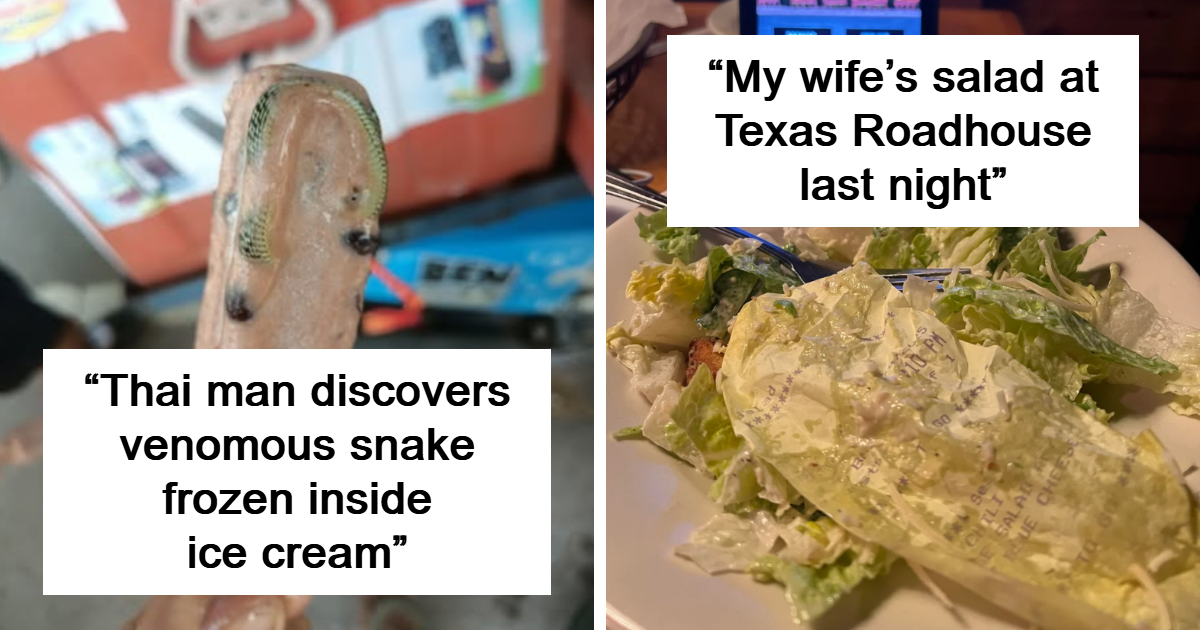
There are two kinds of meals: the ones you remember because they were delicious, and the ones you remember because your fork hit something that absolutely did not belong there. One bite you are enjoying noodles, nachos, or a perfectly innocent sandwich. The next, you are staring at your plate like it just confessed to a crime.
The internet loves these stories because they hit a universal nerve. Everyone eats. Everyone has expectations. And nobody wants their dinner to come with a mystery bonus round. From hair in soup to plastic in frozen meals, from moldy leftovers to crunchy “surprises” that were never listed on the menu, gross food moments can turn appetite into ancient history in less than three seconds.
Still, behind the jokes is a serious point: food safety matters. Real food-safety agencies warn that contamination can come from poor handling, cross-contamination, improper storage, undercooking, allergens, or foreign material that sneaks into food during processing. So yes, we can laugh nervously at the “grossest thing in food” bingo boardbut we should also know when to toss the food, report the issue, and protect ourselves.
Why Gross Food Moments Go Viral
Gross food stories spread online because they are instantly understandable. You do not need a degree in microbiology to know that a fuzzy strawberry, a slimy salad, or a strand of hair baked into a cookie is not part of the chef’s vision. These moments are small domestic horror movies, except the villain is lunch.
They also trigger a very human reaction: disgust. Disgust is not just drama; it is a protective instinct. When something looks spoiled, smells wrong, feels weird, or appears contaminated, your brain slams the brakes. That “nope” feeling can help you avoid food that might make you sick.
Of course, not every gross discovery is equally dangerous. A hair in food is unpleasant, but it is often more of a hygiene concern than a major health threat. A piece of metal, glass, plastic, or an undeclared allergen can be much more serious. Mold, raw meat juices, and poorly stored leftovers can also raise real foodborne illness risks.
30 Grossest Thing In Food Bingo Moments
Welcome to the bingo card nobody wants to win. If you have experienced even one of these, congratulations: your appetite probably packed a suitcase and left town.
1. The Mystery Hair That Was Practically Waving Hello
Finding one hair in food is bad. Finding one that seems woven into the meal like a family heirloom is worse. It turns soup, pasta, and bakery treats into instant evidence.
2. The Crunch That Should Not Crunch
Some foods are supposed to crunch. Chips? Yes. Croutons? Absolutely. Mashed potatoes? No. When a soft food suddenly makes a hard sound, everyone at the table freezes.
3. Mold Wearing a Tiny Green Sweater
Bread, berries, cheese, sauces, leftoversmold is the unwanted roommate of the refrigerator. If it looks like it started a small forest, it is time to say goodbye.
4. The Plastic Fragment Surprise
Plastic pieces can appear in packaged foods because of processing or packaging problems. It is not just gross; it can be a choking hazard or cause injury.
5. The Metal Piece Plot Twist
A shiny bit of metal in a meal turns dinner into a detective scene. Food manufacturers use controls to prevent this, but recalls show that metal contamination can still happen.
6. The Bug That RSVP’d to Dinner
A tiny insect in produce is one thing; a bug inside a sealed package feels like betrayal. Either way, nobody ordered the extra protein with legs.
7. The Slimy Lettuce Situation
Fresh greens should be crisp. If lettuce feels slippery, smells sour, or looks collapsed, it has gone from salad to swamp project.
8. The Sauce With a Suspicious Film
Opened jars and containers can grow strange films when stored too long or handled poorly. When the sauce looks like it has a lid under the lid, skip it.
9. The Eggshell Avalanche
A tiny eggshell piece is annoying. A full crunch festival in scrambled eggs makes you question every decision that led to breakfast.
10. The Undercooked Chicken Scare
Pink, rubbery, undercooked poultry is one of the fastest ways to lose trust in a meal. Chicken should be cooked safely and checked properly, not judged by hope and vibes.
11. The Raw Meat Juice Migration
Raw meat stored above ready-to-eat foods can drip where it absolutely should not. This is why food-safety guidance emphasizes separating raw meat, poultry, seafood, and eggs from foods eaten without further cooking.
12. The Dented Can With Suspicious Energy
Not every dented can is dangerous, but deeply dented, leaking, bulging, or rusted cans deserve caution. A pantry should not look like it survived a car chase.
13. The Leftovers With No Birthday
Unlabeled leftovers become fridge archaeology. Was that soup from Tuesday? Which Tuesday? When food history becomes unclear, your stomach should not be the historian.
14. The Rice That Stayed Out All Night
Cooked rice and other starchy foods can become risky when left at room temperature too long. The innocent takeout box on the counter is not as innocent in the morning.
15. The Ice Machine “Confetti”
Ice should be clear and boring. If cubes come with flakes, specks, or mystery floaters, the drink has crossed from refreshing to suspicious.
16. The Condiment Cap Crust
Ketchup, mustard, and hot sauce caps can collect dried food residue. It may not always be dangerous, but it is definitely not adding restaurant-quality charm.
17. The Bakery Item With a Surprise Filling
Sometimes a pastry contains the wrong filling. Sometimes it contains something that is not food. One is a mistake. The other is a tiny emotional emergency.
18. The Freezer-Burn Fossil
Freezer burn is not usually a safety issue, but it can ruin texture and flavor. When frozen food looks like it was discovered in a glacier, expectations should be low.
19. The Shrimp That Smells Like a Warning Siren
Seafood should smell clean and mild, not like a haunted pier. Strong sour or ammonia-like odors are signs to stop before dinner becomes regret.
20. The Allergen Label Fail
Undeclared allergens are not “gross” in the funny sense; they are serious. For people with food allergies, a missing milk, peanut, sesame, egg, wheat, soy, fish, shellfish, or tree nut warning can be dangerous.
21. The Mystery Powder in the Package
A little seasoning is normal. A strange powder, dust, or residue that does not match the food is a red flag. When the package looks like it has secrets, do not audition as the taste tester.
22. The Wooden Splinter in a Ready Meal
Wood fragments have appeared in real food recalls. A frozen dinner should not come with rustic carpentry.
23. The Glass Fragment Nightmare
Glass in food is one of the scariest foreign-material discoveries. Do not eat around it. Do not “just be careful.” Stop eating, save the packaging, and report it.
24. The Restaurant Plate With Old Food Stuck Underneath
Nothing kills confidence faster than lifting a plate and discovering yesterday’s sauce. Clean surfaces are basic. Your plate should not have a prequel.
25. The Buffet Tray That Looks Exhausted
Buffets can be wonderful when food is kept hot, cold, fresh, and protected. When trays look dried out, lukewarm, or abandoned, it is time to choose something else.
26. The Fruit Sticker in the Smoothie
Fruit stickers are technically small, but nobody wants to sip one through a straw. Wash produce, remove labels, and let smoothies be smoothies.
27. The Takeout Container That Leaked Mystery Liquid
Takeout leaks happen, but mystery liquid pooling around food can suggest poor packaging or cross-contamination. When in doubt, do not make your stomach solve the puzzle.
28. The Cheese That Grew More Cheese
Some cheeses are meant to have mold. Many are not. If the cheese is not supposed to be blue, fuzzy, or furry, do not let it reinvent itself.
29. The Sandwich With a Texture From Another Planet
Bread should not be wet in the middle unless it is intentionally dipped, toasted, or sauced. A soggy mystery layer can make even a beautiful sandwich feel suspicious.
30. The “I Think This Is Fine” Moment
The grossest bingo square may be denial. If food smells wrong, looks wrong, has been stored badly, or contains something foreign, do not negotiate with it. Your appetite may return. Your trust may need a minute.
What These Food Fails Teach Us About Food Safety
Gross food moments are funny online, but the safest response is practical. If a packaged product contains a foreign object, stop eating it, keep the packaging, note the lot number or best-by date, and contact the store, manufacturer, or relevant food-safety authority. Companies and regulators rely on consumer reports to identify problems that may affect other people.
At home, the biggest prevention habits are simple: clean, separate, cook, and chill. Wash hands and surfaces, keep raw animal foods away from ready-to-eat items, cook foods to safe temperatures, and refrigerate perishables promptly. These habits are not glamorous. They will not make you famous on social media. But they will help keep dinner from becoming a cautionary tale.
Storage matters too. Perishable food should not sit out for hours while everyone debates what movie to watch. Leftovers should be cooled and refrigerated quickly, labeled when possible, and tossed when they are past their safe window. The refrigerator is not a magical pause button; it is more like a food safety assistant with limited patience.
For restaurants and food businesses, gross discoveries can damage trust instantly. A customer may forgive a late order. They may forgive too much mayo. But a foreign object, spoiled ingredient, or obvious hygiene problem can turn one bad plate into a viral story. Clean systems, trained staff, proper storage, and quality checks are not optional details; they are the foundation of customer confidence.
When Gross Food Is More Than Gross
Some situations deserve extra caution. Stop eating immediately if you find glass, metal, hard plastic, chemical smells, raw meat contamination, or signs that a food package is damaged, leaking, swollen, or tampered with. The same goes for foods connected to a recall. Do not try to rescue the “good part.” Food safety is not a treasure hunt.
Food poisoning symptoms can include stomach cramps, nausea, vomiting, diarrhea, and fever. Many cases improve with rest and fluids, but severe symptoms need medical attention, especially dehydration, bloody diarrhea, high fever, symptoms lasting several days, or repeated vomiting that prevents drinking fluids. Infants, older adults, pregnant people, and people with weakened immune systems should be especially careful.
How To Avoid Winning Gross Food Bingo
Check Food Before You Commit
Look, smell, and inspect before eating. This does not mean becoming paranoid over every crumb. It means giving food a quick reality check before it enters your mouth.
Respect Expiration and Storage Instructions
Dates are not the only safety clue, but they matter. So do storage directions. “Refrigerate after opening” is not a decorative sentence.
Use Separate Cutting Boards
Raw chicken and fresh salad should not share the same cutting board unless the board has been thoroughly washed and sanitized. Cross-contamination is one of the most avoidable kitchen mistakes.
Keep Receipts and Packaging for Suspicious Products
If you find a foreign object in packaged food, packaging details help identify the batch. A photo, lot code, best-by date, and store receipt can make your report more useful.
Trust Your Senses, But Do Not Rely Only on Them
Some harmful germs do not change how food looks, smells, or tastes. That is why safe cooking, chilling, and handling are important even when food seems normal.
500-Word Experience Section: The Day Appetite Left the Building
Almost everyone has a personal “grossest thing in food” story. Mine begins with the kind of confidence only a hungry person can have. You know the feeling: you have waited all day, your stomach is writing angry emails, and the plate in front of you looks like the answer to every problem. The lighting is good. The smell is promising. The first bite is already planned.
Then something happens. Maybe the fork catches a long hair that stretches like a jump rope. Maybe the salad has a leaf that is less “farm fresh” and more “science fair.” Maybe the takeout container opens with a smell that makes the entire room silently agree to pretend it never arrived. In that instant, the meal changes categories. It is no longer dinner. It is evidence.
The funniest part is how people react. Some become investigators. They lean in, squint, rotate the plate, and say things like, “What do you think that is?” as if the table has suddenly become a forensic lab. Others go completely silent, which is often worse. Silence means the appetite has already left, locked the door, and blocked the meal’s number.
One of the most common experiences is the mystery crunch. It is terrifying because it arrives with sound. Your brain knows the expected texture of a burrito, a muffin, or a bowl of noodles. When the wrong crunch appears, time slows down. You stop chewing. Your eyes widen. Everyone nearby asks, “What?” and you cannot answer because you are busy negotiating with reality.
Another classic is the leftover gamble. We have all stood in front of the refrigerator holding a container with no label, no date, and no clear identity. It could be soup. It could be sauce. It could be a message from the past. The brave person smells it and says, “I think it’s still okay.” The wise person says, “That sentence has ruined many weekends.”
Restaurants create their own drama. When a plate arrives with something visibly wrong, the customer faces an awkward social challenge. Do you say something? Do you quietly stop eating? Do you become the person at the table taking a close-up photo of soup? The best move is polite but firm: explain the problem, stop eating, and ask for a safe replacement or refund. You do not need to be dramatic, but you also do not need to eat around a problem like it is a traffic cone.
Packaged food surprises feel different because they break the trust of convenience. A frozen meal, snack bag, or jarred sauce is supposed to be predictable. That is the whole point. When something foreign appears, it feels personal, even when it is really a manufacturing or handling issue. The right response is to stop eating, keep the packaging, take clear photos, and report it. That boring paperwork energy can help prevent the same thing from happening to someone else.
The bigger lesson is simple: disgust is useful. It is your body’s bouncer. It says, “This does not belong here,” and often it is right. You do not have to panic over every imperfect strawberry or crumb, but you should respect obvious warning signs. Food should be enjoyable, not suspicious. Dinner should end with satisfaction, not a group discussion about whether that object was plastic, bone, shell, sticker, or “please never speak of this again.”
Conclusion
The “grossest thing in food” bingo board is funny because it is painfully relatable. Nobody wants mystery crunches, surprise hairs, mold forests, plastic fragments, or leftovers with uncertain ancestry. But these stories are also reminders that food safety is a real part of everyday life. Clean kitchens, proper storage, safe cooking, careful labeling, and quick reporting can turn a gross discovery into a preventable lesson.
So the next time your meal gives you a reason to pause, listen to that instinct. Inspect it. Toss it if needed. Report serious issues. And remember: losing your appetite is annoying, but ignoring a warning sign can be much worse. Some bingo cards are better left uncompleted.