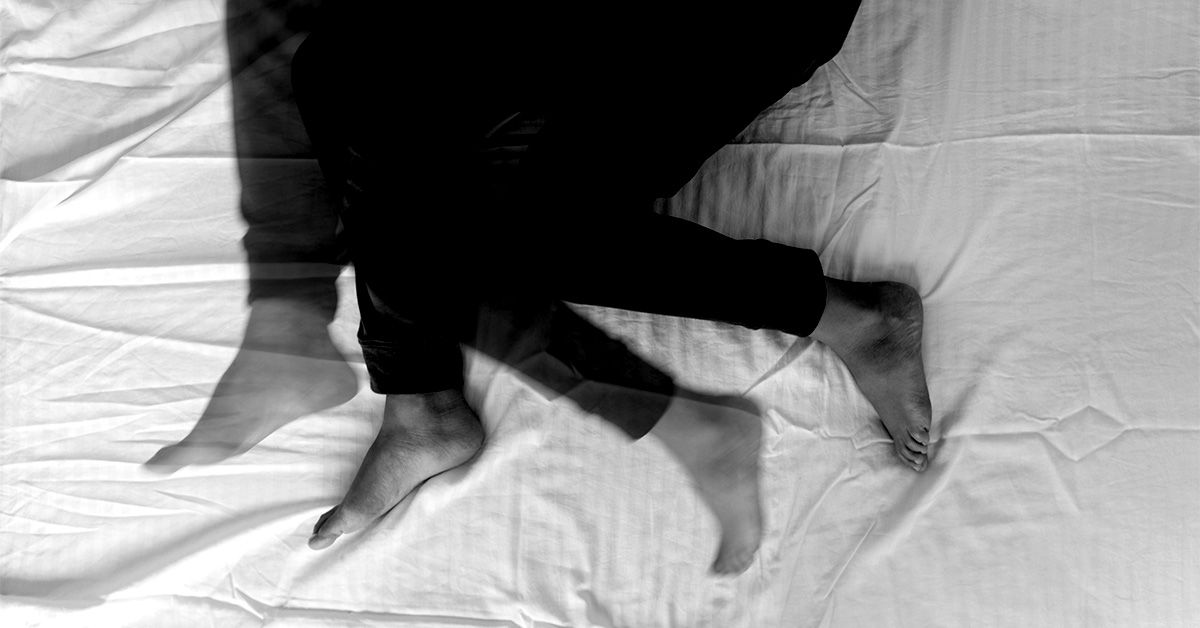
Restless legs at night can feel like your lower body has joined a tiny marching band without asking permission. You settle into bed, ready to sleep, and suddenly your legs insist on wiggling, stretching, tapping, or taking a midnight stroll around the bedroom. For many people, this is restless leg syndrome, also called restless legs syndrome or RLS. But if you have heard that Parkinson’s disease and restless legs may be connected, it is completely reasonable to wonder: is restless leg syndrome a sign of Parkinson’s?
The simple answer is: restless leg syndrome can be associated with Parkinson’s disease, and people with Parkinson’s may have a higher risk of developing RLS. However, RLS by itself does not mean someone has Parkinson’s. It is not a standalone diagnostic sign. Many people with restless legs never develop Parkinson’s, and many people with Parkinson’s never have classic restless leg syndrome.
The connection matters because both conditions involve movement, sleep, and dopamine, a brain chemical that helps regulate motion. Still, they are different medical conditions with different patterns, causes, and treatment decisions. Understanding the difference can help you avoid two common mistakes: ignoring symptoms that deserve medical attention, or assuming every twitchy leg is a neon sign flashing “Parkinson’s ahead.” Bodies are weird, but they are not always that dramatic.
What Is Restless Leg Syndrome?
Restless leg syndrome is a neurological and sleep-related movement disorder. Its classic feature is an uncomfortable urge to move the legs, usually when resting. Symptoms often appear in the evening or at night, especially while sitting or lying down. Movement usually brings temporary relief, which is why people with RLS may pace, stretch, shake their legs, or repeatedly change positions in bed.
People describe the sensation in different ways. Some say it feels like crawling, pulling, tingling, bubbling, itching, aching, or an electric feeling under the skin. Others simply say, “My legs will not relax.” The feeling can range from annoying to life-disrupting. Mild RLS may only interrupt sleep once in a while. More severe RLS can lead to chronic insomnia, daytime fatigue, irritability, difficulty concentrating, and a general sense that bedtime has become a wrestling match.
Common Features of RLS
Doctors often look for a few key patterns when evaluating possible RLS. The urge to move usually begins or worsens during rest. It improves at least partly with movement. It tends to be worse in the evening or nighttime. It is not better explained by another condition, such as leg cramps, arthritis pain, neuropathy, anxiety-related fidgeting, or medication side effects.
This last point is important. Not every restless or uncomfortable leg is RLS. A charley horse, for example, is usually a painful muscle cramp. Peripheral neuropathy often causes burning, numbness, or pins-and-needles sensations that may not improve with walking. Akathisia, a medication-related sense of inner restlessness, can involve the whole body. Parkinson’s-related stiffness, dystonia, or “off” symptoms can also mimic RLS. In other words, the legs may be sending a message, but a clinician has to help translate it.
What Is Parkinson’s Disease?
Parkinson’s disease is a progressive neurological disorder that affects movement and many non-movement functions. It is commonly associated with the loss or dysfunction of dopamine-producing nerve cells in parts of the brain involved in movement control. The best-known motor symptoms include tremor, slowness of movement, stiffness, and balance or walking changes.
But Parkinson’s is not only a movement disorder. Many people experience non-motor symptoms such as constipation, sleep problems, depression, anxiety, reduced sense of smell, fatigue, urinary symptoms, and cognitive changes. Some of these non-motor symptoms can appear years before obvious movement symptoms. That is one reason sleep symptoms get so much attention in Parkinson’s research.
However, not all sleep symptoms carry the same meaning. REM sleep behavior disorder, where a person physically acts out dreams, is considered a stronger possible early warning sign for Parkinson’s and related conditions than RLS. Restless leg syndrome may be more common in people with Parkinson’s, but its role as an early sign is less clear and more complicated.
So, Is Restless Leg Syndrome a Sign of Parkinson’s?
Restless leg syndrome can occur in people with Parkinson’s, but it should not be treated as proof of Parkinson’s disease. The relationship is best described as an association, not a diagnosis. Parkinson’s may increase the risk of RLS, and some studies suggest people with RLS may have a higher future risk of Parkinson’s. But risk is not destiny. Having RLS does not mean Parkinson’s is inevitable.
Think of it like this: gray clouds can be associated with rain, but one cloud does not guarantee a thunderstorm. RLS can be one piece of a much larger health picture. Doctors look at the full pattern: movement changes, neurological exam findings, sleep history, medications, family history, iron levels, and other symptoms.
There are also practical reasons the connection is tricky. Some Parkinson’s symptoms can look like RLS. Some Parkinson’s medications may improve, mask, trigger, or complicate restless-leg-like symptoms. Long-term dopaminergic treatment can sometimes lead to a problem called augmentation in RLS, where symptoms start earlier in the day, become more intense, or spread to other body areas. That is why self-diagnosing is not a great plan, even if your search history is now 87% “why are my legs doing jazz hands?”
Why Are Parkinson’s and RLS Connected?
The connection between Parkinson’s and restless leg syndrome likely involves several overlapping systems rather than one single cause. Dopamine is one major player. Both Parkinson’s disease and RLS involve movement regulation, and dopamine-related pathways are important in both. This shared biology helps explain why some medications that affect dopamine can influence symptoms in both conditions.
Iron may also matter. Iron helps the brain use dopamine properly. Low iron stores, especially low ferritin, are linked with RLS in some people. Kidney disease, pregnancy, certain medications, neuropathy, and family history can also contribute to RLS. Parkinson’s adds another layer because the disease itself, sleep disruption, reduced mobility, and medication schedules may all affect nighttime comfort.
Dopamine: The Famous but Complicated Character
Dopamine is often described as a “feel-good chemical,” but that nickname is too simple. In movement disorders, dopamine is more like a traffic controller. It helps coordinate smooth, purposeful movement. In Parkinson’s, dopamine-producing neurons are affected, which contributes to slowness, stiffness, tremor, and other movement symptoms.
In RLS, dopamine systems also appear to be involved, but the problem is not identical to Parkinson’s. This is why treatments overlap but do not work the same way for everyone. A medication that helps one person may cause side effects or worsening symptoms in another. Modern RLS treatment has become more cautious about routine long-term use of dopamine agonists because of augmentation and impulse-control risks.
How RLS Feels Different From Parkinson’s Symptoms
Because both conditions involve movement, people often confuse them. Here are the practical differences.
Timing
RLS usually appears or worsens at rest, especially in the evening or at night. Parkinson’s motor symptoms can occur throughout the day, though they may fluctuate with medication timing.
Relief With Movement
RLS typically improves temporarily when the person moves, walks, stretches, or massages the legs. Parkinson’s stiffness or slowness may not improve in the same immediate way.
Sensation
RLS often includes uncomfortable sensations deep in the legs. Parkinson’s tremor is usually visible rhythmic shaking, often starting on one side. Parkinson’s stiffness may feel like tightness or resistance. Dystonia may cause painful twisting or cramping postures.
Pattern
RLS is strongly tied to rest and sleep. Parkinson’s affects movement patterns more broadly, including walking, facial expression, handwriting, posture, and daily tasks like buttoning a shirt or turning in bed.
Could RLS Appear Before Parkinson’s?
Some research suggests that restless leg syndrome may be linked with an increased risk of Parkinson’s disease. But this does not mean RLS is a reliable early warning sign on its own. The association may reflect shared dopamine pathways, sleep disruption, iron biology, medication exposure, or other health factors. Researchers are still sorting out which connections are causal and which are simply traveling in the same medical neighborhood.
When doctors think about possible early Parkinson’s signs, they often pay closer attention to symptoms such as REM sleep behavior disorder, long-term constipation, reduced sense of smell, subtle changes in handwriting, mild movement slowness, depression, and certain autonomic symptoms. RLS may be part of the conversation, especially if other neurological changes are present, but it is not usually the headline act.
When Should You Talk to a Doctor?
You should consider talking with a healthcare professional if restless legs happen often, disturb sleep, cause daytime fatigue, or interfere with daily life. You should also seek evaluation if symptoms begin suddenly, worsen quickly, affect only one side, include weakness or numbness, or come with new tremor, balance problems, stiffness, or changes in walking.
If you already have Parkinson’s and develop restless-leg-like symptoms, mention it to your neurologist or movement disorder specialist. The cause may be true RLS, Parkinson’s-related nighttime stiffness, wearing-off medication effects, dystonia, neuropathy, cramps, or another sleep disorder. The treatment depends on the cause, so guessing can lead to frustration.
How Doctors Diagnose RLS
There is no single blood test or scan that proves RLS. Diagnosis is usually based on a careful symptom history. A doctor may ask when symptoms happen, what they feel like, whether movement helps, whether they disrupt sleep, and what medications you take. They may also ask about pregnancy, kidney disease, diabetes, neuropathy, family history, and caffeine or alcohol use.
Blood tests may be used to check iron status, including ferritin and transferrin saturation. This is important because iron deficiency can worsen RLS, and correcting low iron may improve symptoms in some people. A sleep study is not always needed for classic RLS, but it may be recommended if doctors suspect periodic limb movement disorder, sleep apnea, REM sleep behavior disorder, or another sleep problem.
Treatment Options for Restless Leg Syndrome
Treatment depends on severity, underlying causes, age, pregnancy status, medications, and other health conditions. Mild symptoms may improve with lifestyle changes. Moderate or severe symptoms may require medical treatment.
Lifestyle Strategies
Some people improve by keeping a consistent sleep schedule, stretching gently before bed, using warm baths, applying heat or cold packs, massaging the legs, and getting regular daytime physical activity. Reducing caffeine, nicotine, and alcohol may also help. For people who sit for long periods, planning movement breaks can make evenings easier.
The trick is moderation. Going from couch potato to marathon trainee overnight may irritate the body and make sleep worse. Gentle, consistent movement is usually more helpful than heroic bedtime workouts.
Iron Evaluation
Because low iron stores can contribute to RLS, clinicians often check iron levels. Iron supplements should be used only under medical guidance, because too much iron can be harmful. Some people need oral iron, while others with specific lab findings or poor absorption may be considered for intravenous iron.
Medications
Medications used for RLS may include gabapentin-type medicines, pregabalin, iron therapy when appropriate, and sometimes dopamine-related medicines. Current treatment thinking has become more careful with dopamine agonists because long-term use can sometimes worsen RLS through augmentation or cause other side effects. People with Parkinson’s need individualized decisions because they may already be taking dopamine-related medication.
Never stop or change Parkinson’s medication on your own because of restless legs. Medication timing, dose, and interactions can be delicate. A neurologist can help determine whether symptoms are related to wearing off, true RLS, nighttime stiffness, or another issue.
Sleep Matters More Than People Think
RLS is not “just annoying.” Poor sleep can affect mood, memory, attention, pain sensitivity, blood pressure, immune health, and overall quality of life. In Parkinson’s disease, sleep problems can make daytime symptoms feel worse. A person who sleeps poorly may move more slowly, feel more anxious, fall more easily, or struggle with concentration. The brain is not a phone, but sleep is definitely its nightly charging cable.
For caregivers, sleep disruption matters too. If a person with Parkinson’s is pacing at night, kicking during sleep, or waking repeatedly, the care partner may also become exhausted. Good sleep care is part of whole-person Parkinson’s care, not a luxury add-on.
What Else Can Mimic Restless Leg Syndrome?
Several conditions can look similar to RLS. Leg cramps cause sudden painful muscle tightening. Neuropathy can cause burning, numbness, or tingling. Arthritis may cause joint pain that worsens after activity. Poor circulation can cause leg discomfort with walking. Anxiety can cause restlessness that is not limited to the legs. Certain medications, including some antidepressants, antihistamines, and anti-nausea drugs, may worsen restless sensations in some people.
In Parkinson’s, nighttime symptoms can be especially confusing. A person may experience rigidity, difficulty turning in bed, foot cramps, dystonia, or medication wearing off. These may require changes in Parkinson’s management rather than standard RLS treatment. That is why describing the symptom clearly is so useful.
How to Track Symptoms Before an Appointment
A symptom diary can make a medical visit much more productive. Write down when symptoms start, where they occur, what they feel like, what improves them, and how often they wake you up. Note caffeine, alcohol, exercise, medication timing, and stress levels. If you have Parkinson’s, include when you take levodopa or other Parkinson’s medications and whether leg symptoms appear before the next dose.
For example, “My legs feel creepy-crawly around 9 p.m. when I sit on the couch, and walking helps for 15 minutes” sounds more like classic RLS than “My right foot twists painfully at 5 a.m. before my first Parkinson’s dose,” which may suggest dystonia or wearing off. Details are not boring here. Details are the breadcrumbs that lead to better care.
Living With RLS and Parkinson’s: Practical Experience and Everyday Lessons
For many people, the hardest part of restless leg syndrome is not the leg movement itself. It is the unpredictability. One night may be peaceful, and the next may feel like your calves have downloaded a dance app. People often describe a cycle: symptoms begin during evening relaxation, sleep gets delayed, frustration rises, and the anxiety about not sleeping makes everything feel worse. The next day, fatigue turns normal tasks into a slow-motion obstacle course.
A common experience is that symptoms become most noticeable exactly when life finally gets quiet. During the day, the brain is busy with errands, work, conversation, chores, and screens. At night, when the body stops moving, the sensations become louder. This is why people may say, “I only feel it when I sit down.” That does not mean the symptoms are imaginary. It means rest is part of the RLS pattern.
People with Parkinson’s may face an extra layer of confusion. They may already deal with stiffness, tremor, muscle cramps, or difficulty turning in bed. When restless legs appear, it can be hard to know whether this is a new sleep disorder, a Parkinson’s symptom, or a medication timing issue. One practical lesson is to avoid lumping everything together as “just Parkinson’s.” Parkinson’s can explain many things, but it does not explain everything. Treatable problems still deserve attention.
Another real-world lesson is that small routines can make a meaningful difference. Some people find that a warm shower, light stretching, a short evening walk, or leg massage helps reduce symptoms. Others notice that late coffee, heavy alcohol, or long periods of sitting make symptoms worse. A person who spends three hours on the couch watching TV may discover that standing during commercials or taking a short lap around the room helps. It is not glamorous, but neither is arguing with your legs at midnight.
Care partners often notice symptoms before the person does, especially if periodic leg movements occur during sleep. A spouse may report kicking, jerking, or repeated movement at night. This can be helpful information, but it should be shared kindly. “You kicked all night like a tiny soccer tournament” may be accurate, but a calmer description will probably go over better at breakfast.
People also learn that treatment is rarely one-size-fits-all. Iron therapy may help someone with low iron stores. Another person may need medication adjustment. Someone else may improve by addressing sleep apnea, neuropathy, or medication side effects. In Parkinson’s, timing matters. A symptom that appears at the end of a medication dose may need a different approach than classic RLS that starts in the evening during rest.
The biggest practical takeaway is this: restless legs are worth discussing, not panicking over. RLS can be exhausting, but it is manageable for many people. Parkinson’s can include sleep problems, but RLS alone is not a diagnosis. The best path is careful tracking, honest conversation with a clinician, and a treatment plan that considers the whole person rather than treating the legs like they are independent contractors.
Conclusion
Restless leg syndrome can be connected to Parkinson’s disease, but it is not a clear yes-or-no sign of Parkinson’s on its own. People with Parkinson’s may be more likely to experience restless legs, and some research suggests a possible relationship between RLS and future Parkinson’s risk. Still, many other factors can cause or worsen RLS, including iron deficiency, kidney disease, neuropathy, pregnancy, medications, and genetics.
If your legs become restless at night, pay attention to the pattern. Does it happen at rest? Is it worse in the evening? Does movement help? Is sleep suffering? Are there other neurological symptoms, such as tremor, stiffness, slowness, or balance changes? These details can help a healthcare professional decide what is going on and what to do next.
The good news is that restless leg syndrome is real, recognized, and often treatable. The even better news: your legs may be dramatic, but they are not automatically predicting your neurological future. Listen to them, track them, and bring the story to a medical professional who knows how to read the clues.
Note: This article is for educational purposes only and should not be used as a diagnosis or personal treatment plan. Anyone with frequent restless legs, sleep disruption, Parkinson’s disease, new neurological symptoms, or medication concerns should speak with a qualified healthcare professional.