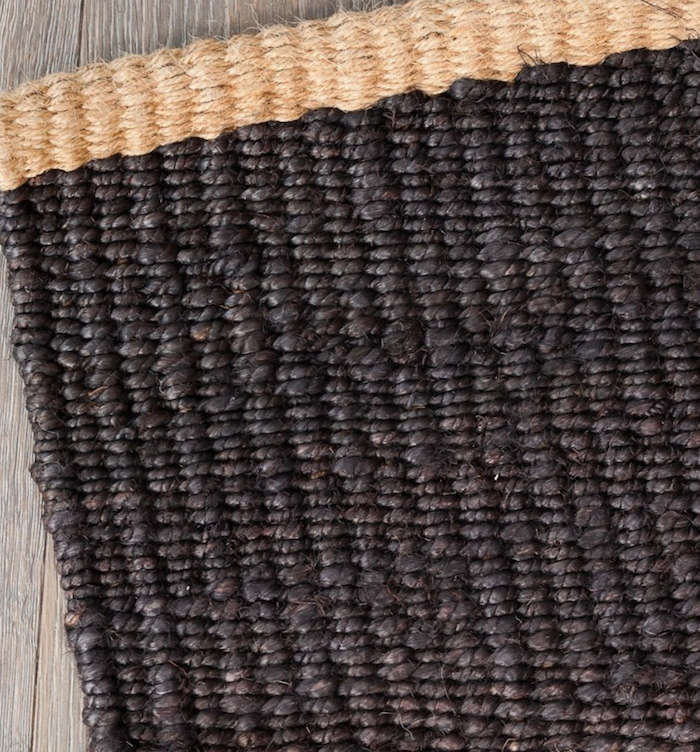
Some home pieces enter a room quietly and still manage to change the entire mood. Nest Weave – Natural w. Tassels is one of those pieces. It does not shout, sparkle, or perform decorative gymnastics. Instead, it brings texture, warmth, and that relaxed “yes, I definitely have my life together” feelingeven if there is a laundry basket hiding just outside the photo frame.
At its heart, the Nest Weave look is about natural fibers, handwoven character, soft neutral color, and a tactile finish that feels both rustic and refined. Whether you think of it as a natural jute rug, a woven accent rug, or a textural foundation piece for a calm interior, its charm comes from simplicity. The tassels add movement and personality, while the natural weave keeps the design grounded, organic, and easy to style.
In a world full of fast furniture and overly polished interiors, a natural woven rug with tassels feels refreshingly human. It has tiny variations. It has texture. It has a little attitude at the edges. Basically, it is the home decor equivalent of linen pants: relaxed, stylish, and somehow appropriate in almost every setting.
What Is Nest Weave – Natural w. Tassels?
Nest Weave – Natural w. Tassels refers to a natural woven rug style known for its handwoven texture, earthy neutral tone, and tassel detailing. The design is closely associated with organic interiors, artisanal rug making, and the rising popularity of natural fiber rugs made from materials such as jute, hemp, wool, or linen blends.
The “Nest” idea suggests comfort, shelter, and softness. The “weave” speaks to construction: interlaced fibers that create surface texture and visual depth. “Natural” points to the undyed or minimally processed color palettethink straw, sand, oatmeal, flax, and warm beige. The tassels bring the finishing touch, giving the rug a casual, handcrafted edge instead of a stiff, showroom-only personality.
Unlike loud patterned rugs that demand attention, a natural woven rug works more like a supporting actor who secretly steals the scene. It anchors furniture, softens hard flooring, and makes a room feel complete without competing with art, upholstery, or architectural details.
Why Natural Woven Rugs Are So Popular
Natural fiber rugs have become a favorite in American homes because they solve several design problems at once. They add warmth without heavy color. They introduce texture without clutter. They fit coastal, farmhouse, Scandinavian, minimalist, organic modern, and transitional interiors without needing a dramatic personality transplant.
Jute, one of the most common fibers used in natural woven rugs, is loved for its golden beige color and earthy texture. It brings the outdoors in without requiring anyone to keep a fiddle-leaf fig alive. Natural woven rugs can make a white room feel warmer, a dark room feel more balanced, and a furniture grouping feel intentionally arranged rather than randomly parked.
The flatweave construction also helps. A low-profile woven rug tends to feel casual and practical. It layers well under furniture, works in open-plan spaces, and is easier to move or rotate than a thick pile rug. For homes where design must coexist with pets, kids, snacks, shoes, and the mysterious crumbs that appear even when nobody remembers eating crackers, practicality matters.
The Beauty of the Natural Color Palette
The natural color of a Nest Weave-style rug is one of its strongest design advantages. Neutral does not have to mean boring. In fact, natural fibers often contain subtle tonal shiftscream, tan, honey, wheat, and pale brownthat create quiet complexity. This makes the rug look more alive than a flat synthetic beige.
Natural tones pair beautifully with white walls, wood furniture, black metal accents, leather chairs, linen sofas, ceramic lamps, and leafy plants. They also act as a visual bridge between different materials. If your room has oak floors, a painted cabinet, a cotton sofa, and a marble coffee table, a natural woven rug can tie everything together like a very polite design mediator.
Best Color Pairings
For a soft organic look, pair the rug with ivory, warm white, sand, clay, and pale oak. For a more dramatic modern style, combine it with matte black, charcoal, walnut, and sculptural lighting. For coastal interiors, use it with washed blues, sea-glass greens, slipcovered seating, and breezy curtains. For bohemian spaces, layer it with patterned pillows, woven baskets, rattan, and collected artwork.
The natural tone also makes seasonal decorating easier. In spring, it looks fresh with greenery and light textiles. In fall, it pairs with rust, amber, and deep olive. During the holidays, it keeps all the festive extras from looking like they were launched from a confetti cannon.
Why Tassels Matter More Than You Think
Tassels may seem like a small detail, but they affect the whole mood of a rug. A clean-edged rug can look tailored and formal. A tassel-finished rug feels more relaxed, handmade, and inviting. Tassels soften the rectangle, add movement, and make the piece feel less manufactured.
In a Nest Weave-style design, tassels work especially well because they echo the natural fiber story. They show the material. They celebrate the edges. They say, “Yes, I am woven, and I am not ashamed of my fringe.” That little bit of imperfection is exactly what makes the rug feel warm.
Of course, tassels do require some patience. They may need occasional straightening, gentle vacuuming, or a quick hand-comb after furniture gets moved. But compared with the visual charm they bring, this is a minor trade-off. Think of tassels as bangs for your rug: adorable, but occasionally in need of a little grooming.
Where to Use Nest Weave – Natural w. Tassels
A natural woven rug with tassels can work in several rooms, but the key is matching the material and construction to the lifestyle of the space. Natural fiber rugs often perform best in dry areas where spills are not constant and moisture is controlled.
Living Room
The living room is one of the best places for a Nest Weave-style rug. It can sit under a coffee table, anchor a sofa and chairs, and create a cozy conversation zone. For a designer look, choose a size large enough that at least the front legs of the sofa and chairs rest on the rug. Too-small rugs can make a living room look like the furniture is standing around awkwardly at a middle school dance.
A natural woven rug is especially effective under neutral seating. Pair it with a linen sofa, a wood coffee table, and a few textured pillows for a calm, layered room. If the space feels too plain, add contrast with black accents, patterned cushions, or a vintage side table.
Bedroom
In the bedroom, the Nest Weave look adds warmth and texture. Because jute and similar natural fibers can feel firmer underfoot than wool or cotton, some people prefer using it partly under the bed or layering a softer rug on top. This gives you the visual texture of jute with a softer landing zone for bare feet in the morning.
For a queen or king bed, a larger rug usually looks more intentional. Ideally, the rug should extend beyond the sides and foot of the bed so the bed feels grounded. If the budget or room size does not allow that, runners on either side can also work beautifully.
Dining Room
A flatwoven natural rug can look beautiful in a dining room, especially under a wood table. The low profile makes it easier for chairs to move than a high-pile rug. However, natural fibers can be sensitive to wet spills, so this choice is best for households where dinner usually stays on the plate. If tomato sauce frequently becomes airborne, proceed with caution.
When sizing a dining room rug, leave enough room for chairs to remain on the rug when pulled out. A rug that is too small will catch chair legs and test everyone’s patience before dessert.
Entryway or Hallway
A runner version can add instant warmth to a hallway or entry. Use a quality rug pad to reduce slipping, especially on hardwood, tile, or concrete floors. Because entryways collect moisture and dirt, it is wise to keep a natural woven rug away from constantly wet shoes or muddy traffic. A boot tray nearby can save both the rug and your sanity.
How to Style a Natural Woven Rug
The best thing about Nest Weave – Natural w. Tassels is its versatility. It works as a quiet foundation or as part of a layered design. The secret is to treat texture like color. Even if your palette is mostly neutral, mixing smooth, rough, matte, soft, and woven materials creates depth.
Organic Modern Style
For an organic modern room, pair the rug with a low-profile sofa, sculptural wood furniture, linen curtains, stone accessories, and warm lighting. Keep the color palette restrained but not sterile. Add one or two darker accents, such as a black floor lamp or bronze bowl, to prevent the room from floating away into beige cloud territory.
Coastal Style
For coastal interiors, combine the rug with white slipcovers, blue-gray pillows, pale wood, woven baskets, and glass accents. The goal is relaxed and breezy, not “gift shop with seashell overload.” A natural tassel rug brings the beach-house feeling without requiring a giant sign that says “Beach.”
Bohemian Style
For a boho look, layer the rug with patterned textiles, floor cushions, plants, books, pottery, and collected objects. The natural weave acts as a grounding layer under more colorful pieces. This approach works especially well when you want the room to feel creative but not chaotic.
Minimalist Style
In a minimalist room, the rug adds texture without disrupting simplicity. Pair it with clean-lined furniture, warm woods, and a few carefully chosen accessories. The tassels keep the room from feeling too severe, like a museum where nobody is allowed to sit down.
Practical Benefits of a Natural Woven Rug
Beyond style, a natural woven rug offers real functional benefits. It helps define zones in open floor plans, reduces the visual coldness of hard flooring, and adds tactile interest. Flatwoven rugs are generally easier to layer than thick rugs, and their natural tones hide minor everyday dust better than stark white or very dark surfaces.
Natural fibers are also valued for their lower-impact appeal. Jute, for example, is plant-based, biodegradable, and associated with relatively minimal processing compared with many synthetic materials. For homeowners trying to create a more thoughtful space, a natural fiber rug can feel like a small but meaningful choice.
That said, natural does not mean indestructible. Jute and similar fibers can absorb moisture, develop water marks, and shed over time. They are best treated with realistic expectations. This is not a rubber mat for a splash zone. It is a handsome, textural home piece that appreciates dry rooms, regular care, and guests who do not treat red wine like a juggling prop.
How to Care for Nest Weave – Natural w. Tassels
Proper care keeps a natural woven rug looking good longer. The most important rule is simple: avoid excess moisture. Natural fibers can discolor, weaken, or develop mildew if they stay wet. For routine care, vacuum regularly using suction rather than an aggressive beater bar. Be gentle around tassels so they do not get pulled or frayed.
For spills, blot immediately with a clean, dry cloth. Do not rub, because rubbing can push the spill deeper into the fibers and rough up the weave. Use minimal liquid when spot cleaning, and dry the area quickly. For larger stains or deep cleaning, professional rug cleaning is often safer than enthusiastic DIY experimentation.
Care Checklist
- Vacuum regularly with suction only.
- Rotate the rug every few months for even wear.
- Use a rug pad to reduce slipping and protect floors.
- Blot spills immediately with a dry cloth.
- Keep the rug away from damp basements, wet entryways, and humid bathrooms.
- Shake or gently beat smaller rugs outdoors when needed.
- Trim loose fibers carefully; do not pull them.
Why a Rug Pad Is Worth It
A rug pad is not glamorous, but neither are slipping hazards. Flatwoven rugs can move around on hard flooring, and a quality pad helps keep them in place. It also adds cushioning, improves comfort, protects the floor, and can extend the life of the rug by reducing friction.
For natural woven rugs, choose a pad suited to your flooring type. Hardwood, tile, laminate, and concrete may require different backing materials. A breathable, non-staining rug pad is usually the safest choice. Skipping the pad might save money upfront, but it can lead to bunching, sliding, and the kind of dramatic coffee-table stumble nobody wants to star in.
Is Nest Weave – Natural w. Tassels Right for Your Home?
This style is ideal if you love warm neutrals, natural materials, handmade texture, and relaxed interiors. It is especially good for living rooms, bedrooms, studies, reading corners, and layered spaces. It suits homeowners who want a rug that feels timeless rather than trendy.
It may not be the best choice for very damp rooms, messy dining areas, or homes where stain resistance is the top priority. If you need a rug for a bathroom, outdoor patio, or child’s craft zone, a washable or performance rug may be more practical. But if your goal is to create a calm, grounded, beautiful room, the Nest Weave look is a strong contender.
Buying Tips: What to Look For
When shopping for a natural woven rug with tassels, pay attention to fiber content, construction, size, edge finish, and care instructions. A handwoven flatweave will usually show more texture and character than a machine-made imitation. Look for secure edges, even weaving, and tassels that feel integrated rather than randomly attached as an afterthought.
Also consider ethical production. Handwoven rugs often pass through complex supply chains, so certifications and transparent brand practices matter. Labels related to fair labor, responsible sourcing, and artisan support can help buyers make more informed choices.
Finally, measure your room before buying. Then measure again, because rugs have a magical ability to look huge online and tiny once placed under a sofa. Use painter’s tape to outline the rug size on the floor. This simple trick can prevent expensive regrets and awkward furniture islands.
of Real-Life Experience With Nest Weave – Natural w. Tassels
Living with a natural woven tassel rug is a different experience from living with a plush synthetic rug. The first thing you notice is texture. It does not disappear into the room. It quietly participates. When sunlight hits the weave, the fibers show subtle color changes, and the whole floor gains warmth. Even a simple room starts to feel more intentional.
In a living room, the biggest improvement is usually visual grounding. Before adding a natural woven rug, furniture can look like separate pieces waiting for instructions. After the rug goes down, the sofa, chairs, and coffee table suddenly become a conversation area. The tassels soften the edges, making the setup feel less rigid. It is a small detail, but it changes the mood from “furniture showroom” to “come sit here.”
The second experience is learning how natural fibers behave. They are beautiful, but they are not plastic. They may shed a little, especially at first. They may show pressure marks from furniture. The tassels may get slightly messy after vacuuming or foot traffic. None of this ruins the rug. In fact, it is part of the charm, as long as you understand what you bought. A natural woven rug has character. It is not trying to look factory-perfect.
One practical lesson is to use a rug pad immediately. Without one, a flatwoven rug can slide, ripple, or bunch. With a good pad, the rug feels more substantial and safer underfoot. The pad also helps the rug lie flatter, which makes the tassels look more intentional instead of like they are trying to escape the room.
Another lesson is to be careful with drinks, plants, and pet bowls. Natural fiber rugs do not love moisture. A small spill is manageable if blotted quickly, but repeated dampness can leave marks. If you place a plant on or near the rug, use a waterproof saucer and check underneath occasionally. Plants are lovely, but they are sneaky little leak machines.
Styling the rug is surprisingly easy. It works with wood, leather, linen, cotton, rattan, ceramic, and metal. In a neutral room, it adds enough texture to keep the space from feeling flat. In a colorful room, it calms everything down. If a patterned rug feels too bold but a plain rug feels too dull, a natural weave lands right in the sweet spot.
The tassels are the part people often underestimate. They make the rug feel casual and handmade. They also help the rug look finished without needing a border. Every so often, you may need to straighten them by hand. This takes less than a minute and makes the room look instantly tidier, like combing your hair before a photo.
Over time, the best thing about Nest Weave – Natural w. Tassels is that it does not feel tied to a narrow trend. You can change pillows, wall art, lamps, or seasonal decor, and the rug still works. It is flexible, warm, and quietly stylish. That is why natural woven rugs continue to appear in well-designed homes: they make spaces feel lived-in, layered, and calm without trying too hard.
Conclusion
Nest Weave – Natural w. Tassels is more than a neutral rug. It is a design foundation that brings warmth, texture, and artisanal character into the home. Its natural fiber look works across many decorating styles, from organic modern to coastal, bohemian, farmhouse, and minimalist interiors. The tassels add softness and personality, while the woven construction gives the room depth and grounding.
Like any natural fiber piece, it performs best with thoughtful care. Keep it dry, vacuum gently, use a rug pad, and treat spills quickly. In return, it offers timeless style, everyday versatility, and the kind of relaxed beauty that makes a room feel complete. If your space needs warmth without visual clutter, texture without chaos, and elegance without trying too hard, this rug style deserves a serious look.