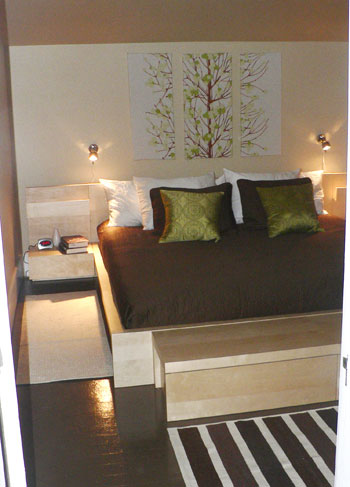
Some room makeovers whisper. Others politely clear their throat. And then there are the redesigns that walk in wearing glossy espresso floors, a confident grin, and the energy of someone who just discovered that a $25 can of paint can behave like a tiny renovation fairy. Reader Redesign: Craving Chocolate is one of those deliciously practical home transformations that proves good design does not always require a contractor, a loan application, or a dramatic montage involving twelve strangers in matching T-shirts.
At its heart, this makeover is about taking a tired bedroom floor and turning it into the visual anchor of the entire space. Instead of ripping out old hardwood, hiding it under wall-to-wall carpet, or pretending the scratches were “rustic character,” the homeowner leaned into a bold solution: paint. Not just any paint, either. A deep espresso porch-and-floor enamel gave the room a glossy, chocolate-brown finish that looked rich, intentional, and far more expensive than it actually was.
That is the magic of this kind of reader redesign. It is not about perfection. It is about seeing possibility where other people see “yikes.” A scratched floor becomes a design feature. A modest budget becomes a creative challenge. A dark brown finish becomes the room’s little black dressexcept warmer, cozier, and less likely to judge you for eating cookies in bed.
Why Chocolate Brown Works So Well in a Bedroom
Chocolate brown has officially escaped the old reputation of being boring, heavy, or stuck in a 1970s basement next to a suspiciously orange sofa. Today, designers are bringing brown back as a sophisticated neutral with depth, warmth, and staying power. Unlike stark black, chocolate brown feels grounded rather than severe. Unlike gray, it brings natural warmth. Unlike bright trend colors, it rarely shouts for attention; it simply settles in and makes the room feel more finished.
In a bedroom, that matters. Bedrooms should feel calm, layered, and a little cocoon-like. A glossy espresso floor can create exactly that mood, especially when paired with lighter walls, soft bedding, and natural textures. The result is contrast without chaos. The floor becomes a rich base note, like cocoa in a good dessert recipe. You may not notice it first, but the entire room tastes better because it is there.
The Psychology of Brown in Home Design
Brown is often associated with stability, comfort, earthiness, and reliability. That is why it appears naturally in wood, leather, stone, soil, coffee, and yes, chocolatethe unofficial emotional-support food group. When used thoughtfully, brown can make a room feel secure and lived-in without making it feel dark or dated.
The trick is balance. Too much dark brown without contrast can make a space feel flat. But when chocolate tones are paired with cream, white, pale blue, sage green, brass, linen, rattan, or warm wood, the room suddenly feels polished. It is not “brown everywhere.” It is brown doing its job as the stylish grown-up in the room.
The Big Idea: Paint the Floor, Transform the Room
The star of this redesign is the painted floor. Floor paint is one of those home improvement ideas that sounds scary until you realize people have been painting floors for generations. Porches, cottages, old farmhouses, utility rooms, and budget-friendly renovations have all relied on paint when replacing flooring was too expensive or unnecessary.
In this case, a high-gloss espresso floor gave the bedroom a dramatic new foundation. The shine reflected light, the color disguised imperfections, and the finish created a sense of polish. It was a practical choice with a big visual payoff. In design terms, that is the sweet spot: low cost, high impact, very smug before-and-after photos.
Painted floors are especially useful when the existing surface is structurally sound but cosmetically tired. Scratches, uneven tones, stains, and worn finishes can make hardwood look neglected even when it still has years of life left. Painting can unify the surface and give the whole room a fresh identity.
Why Espresso Was the Right Shade
Espresso brown works because it is deep enough to feel modern but warm enough to avoid the harshness of black. It can read as classic, rustic, tailored, or cozy depending on what surrounds it. In a bedroom, espresso floors pair beautifully with white trim, soft neutral walls, woven baskets, brass lamps, patterned rugs, and crisp bedding.
The color also gives furniture more presence. A pale bed frame looks sharper against it. A vintage dresser feels more collected. Even simple white curtains can suddenly seem like a deliberate design choice instead of something purchased during a “please just cover the window” emergency.
How to Make a Chocolate-Brown Redesign Feel Fresh
Chocolate brown is powerful, but it needs friends. The best brown rooms use contrast, texture, and layers. Without those elements, a dark brown space can feel like walking into a brownie pan. Delicious in theory, but not ideal for daily living.
1. Pair Chocolate Floors With Light Walls
Light walls keep a dark floor from visually shrinking the room. Warm white, cream, pale greige, soft beige, or barely-there blush can all work well. The goal is not to create a sterile white box; it is to give the rich floor room to breathe.
For a calmer look, choose walls with warm undertones. A cool, blue-white paint can sometimes make chocolate brown look muddy or disconnected. A warmer white, on the other hand, makes the floor feel intentional and cozy.
2. Add Texture Like You Mean It
A room with dark painted floors needs softness. Think linen bedding, nubby throws, woven shades, wool rugs, velvet pillows, cane furniture, or a chunky knit blanket tossed casually across the bed as though your home is constantly ready for a magazine shoot. Texture prevents the room from feeling too slick, especially if the floor has a glossy finish.
A rug is also a smart addition. It protects high-traffic areas, adds comfort underfoot, and breaks up the expanse of dark flooring. Choose something with cream, tan, rust, muted blue, or olive tones to connect the floor to the rest of the palette.
3. Bring in Natural Materials
Chocolate brown loves natural materials. Wood, rattan, bamboo, leather, clay, linen, stone, and aged metal all look at home beside it. These materials reinforce the earthy quality of the color and make the space feel collected rather than decorated in one frantic weekend.
For example, a wood nightstand against a chocolate floor adds warmth without feeling matchy-matchy. A brass lamp introduces a little glow. A woven laundry basket turns even dirty socks into part of the aesthetic. Well, almost.
4. Use Color Accents Carefully
Chocolate brown plays nicely with more colors than people expect. Soft blue creates a classic, airy contrast. Sage green brings a natural, restful quality. Burgundy makes the room feel romantic and moody. Terracotta adds warmth. Butter yellow can brighten the palette. Cream keeps everything elegant.
The key is restraint. Choose one or two accent colors and repeat them in small doses. A blue pillow, a piece of art, and a patterned rug can be enough. You do not need every accessory in the house to audition for a color role.
Practical Tips Before Painting a Floor
Floor painting is budget-friendly, but it is not a “slap it on and hope” project. Floors take abuse from shoes, furniture, pets, dropped objects, and the occasional dance move that nobody asked to witness. Prep work matters.
Clean Thoroughly
Before painting, the floor needs to be clean and dry. Dust, wax, grease, and residue can interfere with adhesion. This is not glamorous work, but it is the difference between a floor that looks polished and a floor that starts peeling while you are still congratulating yourself.
Sand or Scuff the Surface
Light sanding helps paint grip the existing finish. The goal is not necessarily to strip the floor down to bare wood. It is to rough up the surface enough so primer and paint can bond properly. After sanding, remove dust with a vacuum and tack cloth or damp cloth, then let everything dry.
Choose the Right Paint
Floors need paint designed for floors. Porch-and-floor enamel is commonly used because it is made to handle foot traffic. A standard wall paint is not built for that kind of wear. It may look nice for a moment, then quickly become a cautionary tale.
Glossy finishes can be beautiful because they reflect light and look polished. However, gloss also shows imperfections more easily than satin or semi-gloss. If the floor has deep flaws, a slightly less shiny finish may be more forgiving.
Allow Enough Drying and Curing Time
Dry to the touch is not the same as fully cured. This is where patience becomes a design tool. Moving furniture back too soon can cause marks, dents, or sticking. Follow the paint manufacturer’s instructions and give the finish time to harden before returning heavy furniture and rugs.
What Makes This Redesign So Inspiring
The best part of Reader Redesign: Craving Chocolate is not just the color. It is the confidence. Painting a hardwood floor can feel rebellious because so many people are taught that wood must always be stained, refinished, worshipped, and protected from any decision your grandmother might question. But design is personal. If a floor is damaged, dated, or not worth refinishing, painting it can be a smart and beautiful solution.
This makeover also proves that a room’s “problem” can become its personality. The old floor was not hidden. It was reinvented. The homeowner did not need a full renovation to create impact. A single bold choice changed the entire mood of the bedroom.
That is a lesson worth stealing. Sometimes the move that scares you a little is the one that makes the room finally come alive.
Budget-Friendly Ideas Inspired by the Chocolate Redesign
If you love the look but are not ready to paint your floors, there are plenty of ways to borrow the mood.
Try Chocolate Brown Furniture
A chocolate-brown dresser, nightstand, bench, or upholstered headboard can bring the same richness without committing to a painted floor. Dark wood furniture is especially effective when paired with pale walls and soft bedding.
Use a Dark Brown Rug
A rug is the commitment-phobe’s best friend. A chocolate, espresso, or mocha rug can ground the room and create contrast while still being easy to swap later. Look for patterns that include cream, tan, blue, rust, or green for a more layered effect.
Paint an Accent Wall
If the floor is off-limits, a chocolate-brown accent wall behind the bed can create a similar cocooning feeling. Keep the other walls lighter and add warm lighting so the room feels intimate rather than cave-like.
Upgrade Accessories
Brown leather picture frames, bronze curtain rods, espresso lamps, cocoa-colored pillows, and woven baskets can all bring the craving-chocolate mood into a room. Small details matter, especially when they repeat the same color story.
Common Mistakes to Avoid
Chocolate brown is forgiving, but it is not foolproof. The first mistake is using dark brown without enough light. If a room has small windows, add lamps, sconces, mirrors, and lighter textiles. Brown needs glow.
The second mistake is ignoring undertones. Some browns lean red, some lean yellow, some lean gray, and some lean almost black. Bring samples into the room and view them in morning, afternoon, and evening light before committing.
The third mistake is making everything the same shade. A chocolate floor, chocolate furniture, chocolate bedding, and chocolate curtains can quickly turn into a decorative fudge avalanche. Mix dark espresso with caramel, cream, tan, ivory, brass, pale blue, or sage to create dimension.
Experience Notes: Living With a “Craving Chocolate” Redesign
There is a particular kind of satisfaction that comes from walking into a room after a budget makeover and thinking, “Wait, did I accidentally become stylish?” A chocolate-brown floor has that effect. It makes ordinary furniture look more deliberate. It makes white bedding look hotel-crisp. It makes a simple bedroom feel calmer, moodier, and more finished, even if the laundry basket in the corner is still staging a quiet rebellion.
The first thing you notice in a room like this is the sense of grounding. Dark floors visually hold the space down. That can be especially helpful in a bedroom with tall walls, mismatched furniture, or a layout that previously felt a little scattered. Once the floor becomes one strong, unified surface, everything else seems to relax. The bed has a proper stage. The rug feels intentional. The nightstands stop looking like random roommates and start acting like part of a plan.
In real life, glossy dark floors do require a little honesty. They can show dust, lint, and pet hair more than mid-tone wood. If you have a golden retriever, a white cat, or a mysterious household fluff generator, you may become very familiar with your dust mop. But the trade-off can be worth it because the finish adds drama and reflection. In daylight, the floor catches the window light. At night, lamps create a soft sheen that makes the room feel warm and intimate.
Another lived-in benefit is flexibility. A chocolate-brown base works through seasons. In spring, it pairs with fresh white bedding and pale green accents. In summer, it looks relaxed with linen, cane, and airy curtains. In fall, it welcomes rust, amber, and plaid without even trying. In winter, it practically begs for velvet pillows, wool blankets, and a mug of cocoa nearby. This is not a one-season trend that looks confused by October.
The redesign also encourages smarter shopping. When the floor already provides depth, you do not need every new piece to be dramatic. A simple cream lampshade, a thrifted wood mirror, or a soft blue quilt can make a big difference. The room becomes easier to style because the foundation is strong. You are no longer trying to distract from a worn-out floor; you are decorating around a feature.
Most importantly, this kind of makeover changes how you see your home. It reminds you that not every improvement has to be expensive to be meaningful. Sometimes the bravest design decision is not buying something new. It is looking at what you already have and asking, “What if this could be better with paint?” That question is dangerous in the best way. Today it is the bedroom floor. Tomorrow it may be a dresser, a hallway, or the sad little side table currently pretending to be invisible.
Reader Redesign: Craving Chocolate is inspiring because it is achievable. It does not require a mansion, a celebrity designer, or a bank account with its own security team. It requires vision, preparation, patience, and a willingness to let chocolate brown do what chocolate brown does best: make everything feel richer.
Conclusion
Reader Redesign: Craving Chocolate is a reminder that great design often begins with a practical problem and one bold idea. A tired floor became a glossy espresso statement. A modest budget became a bedroom transformation. A color once dismissed as too dark or too old-fashioned became the very thing that made the room feel warm, stylish, and complete.
Chocolate brown works because it is both classic and current. It brings comfort, contrast, and depth. It pairs beautifully with soft neutrals, natural textures, layered lighting, and thoughtful accents. Whether used on a floor, wall, rug, piece of furniture, or small accessory, it can turn a plain space into a room with personality.
The real lesson is simple: do not underestimate paint, and definitely do not underestimate brown. When used with care, chocolate tones can make a home feel grounded, inviting, and surprisingly luxurious. And if the result makes you crave an actual square of chocolate afterward, that is not a design flaw. That is thematic commitment.