European hornets are the kind of backyard guest that can make a perfectly normal person suddenly remember urgent business indoors. They are large, loud, reddish-brown and yellow, and fully capable of turning a quiet porch light into a tiny airport at night. The good news? A European hornet is not automatically a reason to panic. The better news? If the nest is too close to people, pets, doors, play areas, or outdoor work zones, there are smart ways to deal with it without turning your Saturday into a slapstick medical drama.
This guide explains 3 ways to get rid of a European hornet problem safely: reduce what attracts them, deal with the nest correctly, and know when to call a licensed pest control professional. The goal is not to declare war on every flying insect with stripes. European hornets are predators that eat other insects, and foraging hornets away from the nest usually pose little danger when left alone. The problem begins when a colony settles in a wall void, hollow tree near a walkway, shed, attic, or other place where people accidentally get too close.
Before you grab a can of wasp spray and march outside like a budget action hero, pause. Correct identification and safe timing matter. European hornets can sting repeatedly, defend their nests aggressively, and become active around lights after dark. The safest plan starts with observation, not bravery.
First, Make Sure It Is Actually a European Hornet
The European hornet, scientifically known as Vespa crabro, is one of the largest wasps commonly seen in many parts of the United States. Adults are often about 1 to 1.5 inches long, with a reddish-brown head and thorax, yellow markings, brown wings, and a thick, powerful body. They are commonly confused with yellowjackets, bald-faced hornets, cicada killer wasps, and the much-publicized northern giant hornet.
European hornets usually nest in enclosed cavities. Common locations include hollow trees, attics, sheds, barns, wall voids, and sometimes other protected spaces around structures. Unlike many paper wasps that hang small open combs under eaves, European hornets prefer covered, darker places. If you see big hornets repeatedly flying into a hole in a tree, siding gap, soffit, shed wall, or attic vent, that traffic pattern may point to a nest.
Quick identification clues
- Size: Larger than yellowjackets, often around 1 inch or more.
- Color: Reddish-brown, yellow, and dark brown markings rather than the sharp black-and-yellow pattern of many yellowjackets.
- Behavior: Often attracted to lights at night, which is unusual among many common stinging insects.
- Nesting style: Frequently found in hollow trees, wall voids, attics, sheds, or other enclosed spaces.
- Tree damage: In late summer and fall, they may strip bark from lilac, birch, rhododendron, and other plants to reach sap.
Correct identification matters because not every big wasp needs the same response. A cicada killer, for example, may look terrifying but is solitary and usually much less defensive. A honey bee colony in a wall requires a very different approach. When in doubt, take a clear photo from a safe distance and contact your local Cooperative Extension office or a licensed pest professional.
Why You Should Not Destroy Every European Hornet You See
Here is the plot twist: European hornets are not useless villains. They hunt flies, grasshoppers, caterpillars, yellowjackets, and other insects. In the landscape, they can act as natural pest control with wings and a temper. If they are foraging on sap, fallen fruit, or other insects far from your home, the best control method may be simple avoidance.
However, a nest near daily human activity is different. A colony inside a wall, near a deck, beside a garden gate, close to a mailbox, or above a doorway creates repeated sting risk. Children, pets, guests, delivery drivers, landscapers, and anyone with a sting allergy should not have to negotiate airspace with defensive hornets every afternoon. In those cases, removal or professional control is reasonable.
Way 1: Remove Attractants and Make Your Property Less Inviting
The easiest European hornet problem to solve is the one that never becomes a nest in the first place. While attractant control may not eliminate an established colony overnight, it can reduce hornet activity around patios, porches, windows, and outdoor eating areas. Think of it as closing the buffet before the crowd arrives.
Turn off unnecessary outdoor lights
European hornets are famous for visiting lights at night. If large hornets are bumping against your window screens after sunset, they may not be trying to move in. They may simply be following insects drawn to the light. Turn off porch lights when they are not needed, use motion-activated lighting, close curtains or blinds at night, and consider warmer-colored bulbs where practical. This will not destroy a nest, but it can reduce the nightly “hornet nightclub” effect around doors and windows.
Clean up sugary food sources
Late in the season, European hornets are often interested in carbohydrates. Fallen pears, apples, grapes, spilled soda, open trash, pet food, and sticky recycling bins can attract them. Pick up fallen fruit regularly, rinse beverage containers before recycling, keep garbage lids tight, and avoid leaving sweet drinks uncovered outdoors. A hornet inside a soda can is a terrible surprise. It is also one of nature’s least charming party tricks.
Reduce nesting opportunities
European hornets prefer cavities. Inspect your home for gaps around soffits, fascia boards, attic vents, loose siding, damaged screens, and openings around utility lines. Seal these openings when hornets are not actively using them. Do not seal an active nest entrance during the season unless a professional has treated or removed the colony. Blocking the main exit can force hornets deeper into a wall or even into living spaces. That is not pest control; that is accidentally inviting chaos indoors.
Use traps carefully and realistically
Traps may reduce some foraging wasps in a specific area, especially when placed away from patios or picnic tables. They are not a magic force field, and they rarely eliminate an established European hornet nest by themselves. If you use traps, place them along the property edge or away from where people gather. Do not hang bait near your porch table and then wonder why the porch feels like a tiny airport terminal.
This first method is best when you are seeing occasional hornets around lights, fruit trees, compost, trash cans, or outdoor dining areas but have not found a dangerous nest. It is also useful after a nest is removed, because reducing attractants helps keep future activity lower.
Way 2: Treat the Nest Directly, But Only When It Is Safe
If you have found an active European hornet nest in a risky location, the most effective control usually involves treating the nest entrance directly with a product labeled for wasps and hornets. This is not the moment for homemade experiments. Do not burn the nest. Do not flood it. Do not throw rocks at it. Do not spray random household cleaners into a wall. The hornets will not admire your creativity.
When nest treatment makes sense
Nest treatment may be appropriate when the nest is visible or the entrance is easy to identify, the nest is not high above the ground, you are not allergic to stings, and you can stand at a safe distance without climbing, leaning, or reaching awkwardly. Most homeowner aerosol wasp and hornet sprays are designed to shoot a stream from several feet away, but you must follow the exact label directions for the specific product.
Best timing: dusk or night
European hornet nest treatment is typically safest and most effective late in the day, at dusk, or at night, because more workers are likely to be inside the nest and activity is usually lower. Wear long sleeves, long pants, closed shoes, gloves, and eye protection. Plan your exit route before you spray. Stand away from the entrance, avoid standing directly under the nest, and never work from a ladder while dealing with defensive stinging insects.
Apply the product directly into the nest opening according to label instructions, then leave the area immediately. Some products may require repeat treatment the next evening. The full effect can take time because workers returning to the nest may contact residues. Keep children, pets, and other people away from the area.
Be extra cautious with wall voids
Wall void nests are tricky. European hornets inside a wall can be difficult to treat completely, and dead insects or nest material may create odors or attract other pests. Also, sealing the opening too soon can send live hornets into the house. If you hear buzzing in a wall, see hornets entering siding, or notice activity near an attic vent, calling a licensed pest professional is often the smarter and safer option.
Never use unsafe home remedies
Some internet advice belongs in the “absolutely not” drawer. Gasoline, fire, boiling water, shop vacuums, pressure washers, and duct-tape engineering are bad ideas around hornet nests. These methods can increase sting risk, damage property, start fires, contaminate soil, or simply fail while making the colony angrier. European hornets are not impressed by DIY drama.
Way 3: Call a Licensed Pest Control Professional
The third way to get rid of a European hornet problem is also the best way in many real-life situations: hire a licensed pest control professional. This is especially true when the nest is in a wall, attic, chimney, high tree cavity, shed roof, or any place that requires a ladder. Professional help is also strongly recommended if anyone in the household has a history of severe reactions to insect stings.
When professional removal is the right choice
- The nest is inside a wall, attic, ceiling, chimney, or structural void.
- The entrance is high, hidden, or hard to reach.
- Hornets are entering living spaces.
- The nest is near children, pets, elderly family members, or heavy foot traffic.
- You are allergic to stings or unsure how you react.
- You cannot safely identify the insect.
- The colony is large or highly defensive.
A professional can identify the species, locate the nest, apply the right product in the right place, and advise whether nest material should be removed after the colony is inactive. In natural settings, such as a hollow tree far from people, old nests may not need removal. In a wall or attic, leftover nest material can sometimes cause odor or attract scavengers, so follow professional advice.
What to Do If You Are Stung
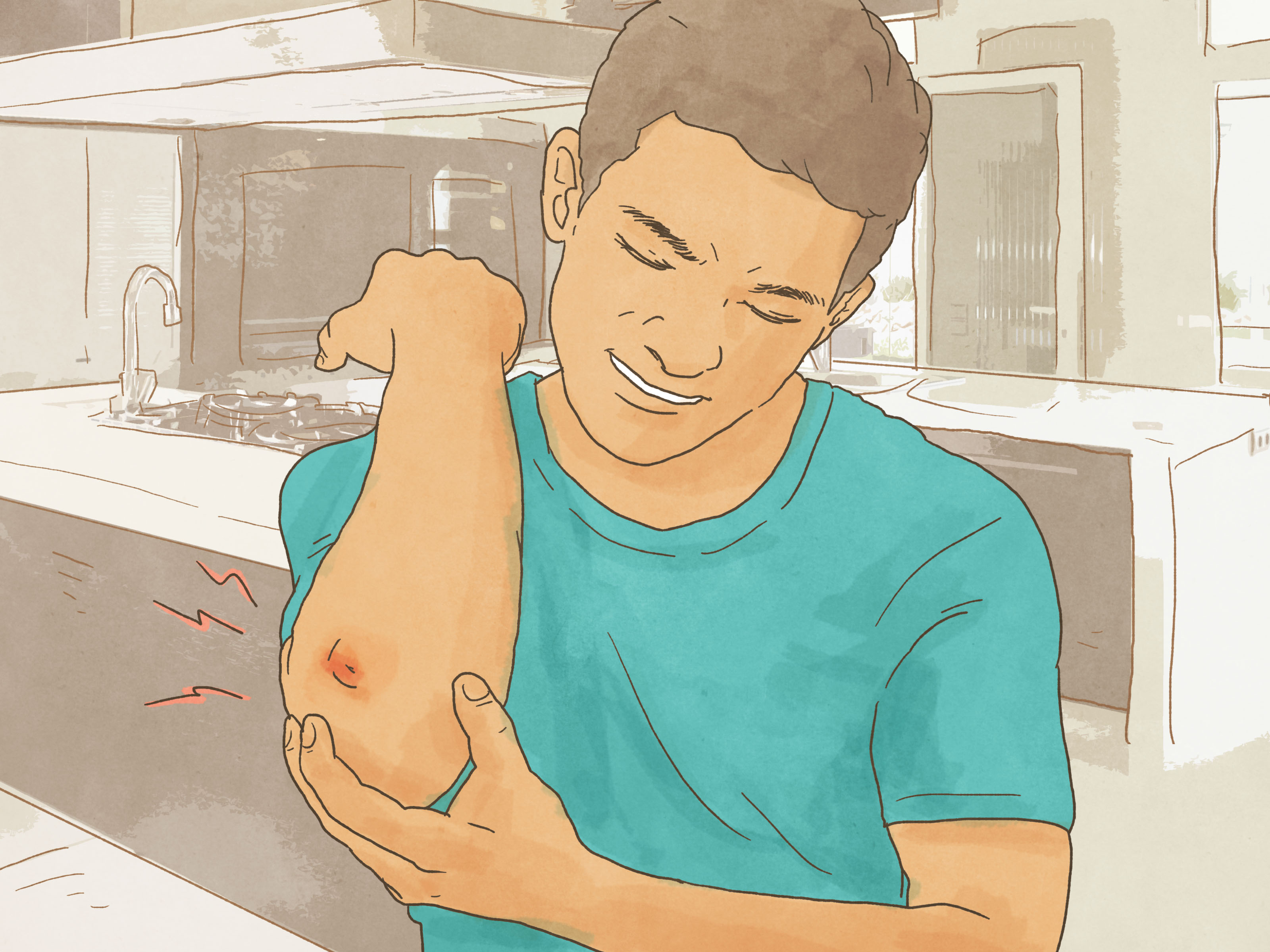
Most hornet stings cause immediate pain, redness, swelling, and itching. Wash the area with soap and water, apply a cold pack, and monitor your symptoms. Over-the-counter pain relievers or antihistamines may help some people, but follow medical guidance and product labels.
Seek emergency medical help immediately if you experience trouble breathing, swelling of the lips or throat, dizziness, widespread hives, fainting, chest tightness, or any signs of a severe allergic reaction. People with a known severe sting allergy should carry prescribed epinephrine and follow their emergency action plan. Do not “wait and see” with anaphylaxis. Hornets are dramatic enough; your medical response should be boringly fast and sensible.
Common Mistakes That Make European Hornet Problems Worse
Mistake 1: Swatting at foragers
If a hornet is flying near you away from the nest, stay calm and move away slowly. Swatting can provoke defensive behavior. You are not in a tennis match, and the hornet did not agree to play.
Mistake 2: Sealing an active entrance
Never caulk or foam an active nest opening until the colony is dead or removed. Trapped hornets may find another exit, and that exit might be inside your home.
Mistake 3: Treating the wrong insect
Large wasps are often misidentified. Treating a solitary wasp nest, honey bee colony, or harmless look-alike can be unnecessary, ineffective, or environmentally harmful.
Mistake 4: Ignoring light attraction
If hornets appear mostly at night near windows, lights may be the main reason. Reducing outdoor lighting can solve much of the nuisance without chemicals.
Mistake 5: Waiting too long on a dangerous nest
European hornet colonies grow through summer and become more noticeable in late summer and fall. A nest near a doorway, deck, or play area should be addressed before daily activity becomes stressful or unsafe.
Experience-Based Tips: What Actually Helps in Real Backyards
In practical backyard situations, the first thing that helps is watching the hornets from a safe distance for a few minutes. Not five seconds. Not one dramatic glance followed by screaming. Watch the flight pattern. A foraging hornet may wander from flower to tree to trash can. A nesting hornet usually flies with purpose, entering and exiting the same crack, hollow, vent, or hole again and again. Once you see the route, you understand the problem much better.
One common scenario is the porch-light mystery. A homeowner sees several huge hornets hitting the window at night and assumes there is a nest inside the wall. Sometimes there is. Often, however, the light is attracting moths and other insects, and the hornets are hunting around the glow. Turning off the light, closing curtains, and switching to motion lighting can make the activity drop quickly. It feels almost too simple, but simple is wonderful when the alternative involves angry insects with built-in needles.
Another common situation happens around fruit trees. Late summer arrives, pears or apples drop, and suddenly hornets appear like they received a calendar invitation. The fix is not glamorous: pick up fallen fruit every day, bag damaged fruit, clean sticky tools, and move compost piles or fruit waste away from gathering areas. A tidy yard will not make every hornet vanish, but it removes the easy sugar source that keeps them coming back.
Wall nests are where experience says, “Do not be a hero.” If hornets are entering behind siding or under a soffit, it is tempting to seal the gap at night and declare victory. That can backfire badly. Hornets trapped inside a void may chew, crawl, or find cracks leading indoors. Professionals have the equipment and products to treat the nest correctly before repairs are made. After the colony is inactive, sealing the entry point is smart prevention. Before that, it can create a buzzing indoor surprise nobody requested.
Protective clothing also matters more than confidence. People often underestimate how quickly a nest can react. A long-sleeved shirt, long pants, gloves, closed shoes, and eye protection are basic precautions for any low-risk treatment. But clothing is not armor. If the nest is high, hidden, or close to the face-level path people use every day, professional control is worth the cost. The cheapest option is not cheap if it ends with an urgent care bill and a lifelong grudge against the shed.
Finally, the most useful habit is seasonal prevention. In early spring, check vents, screens, soffits, and shed gaps. Repair damaged wood and seal openings before queens establish nests. During summer, keep trash closed and outdoor food covered. In fall, clean up fruit and reduce unnecessary lighting. European hornet control works best when it is boring, steady, and safe. The goal is not to win a backyard battle. The goal is to enjoy your yard without needing a tactical briefing before taking out the trash.
Conclusion
Getting rid of a European hornet problem starts with a calm, practical question: is there an actual nest risk, or are you seeing foraging hornets attracted to lights, fruit, sap, or outdoor food? If hornets are only passing through, reducing attractants may be enough. If a nest is close to people, pets, or structures, direct treatment may be needed, but only with a labeled wasp and hornet product used exactly as directed. For wall voids, high nests, allergy concerns, or heavy activity, a licensed pest control professional is the safest choice.
European hornets are big, useful predators when they keep their distance, and serious pests when they nest in the wrong place. Respect both facts. Do not panic, do not improvise with dangerous home remedies, and do not seal active nests. Identify the insect, reduce the invitation, and handle the nest with the safest method available. That is how you protect your home without turning one hornet problem into three new ones.