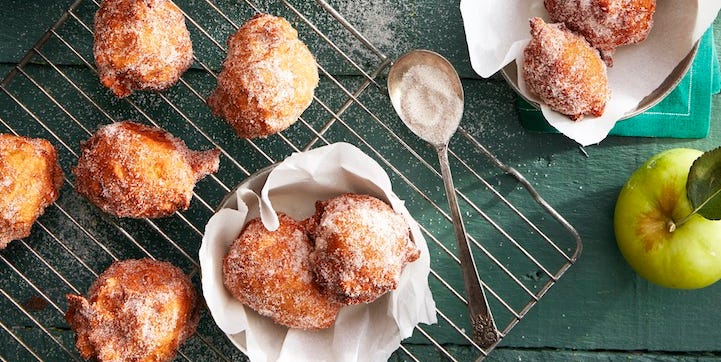
Apple fritters are what happens when a doughnut, an apple pie, and a cozy fall morning all agree to meet in one golden, crispy, cinnamon-scented place. They are craggy on the outside, soft in the middle, packed with juicy apple pieces, and finished with a sweet glaze that politely pretends it is not the whole reason everyone reaches for a second one.
This homemade apple fritters recipe gives you bakery-style results without requiring professional doughnut equipment, a secret family orchard, or a culinary degree. The batter is simple, the ingredients are easy to find, and the method is friendly enough for a weekend breakfast, a holiday brunch, or a “because apples were on sale” dessert.
The best apple fritters balance three things: tender apples, a fluffy-but-sturdy batter, and the right frying temperature. Too cool, and the fritters drink oil like they are training for a competition. Too hot, and the outside browns before the inside cooks. But when the oil is just right, the batter puffs, the edges crisp, and the kitchen starts smelling like a doughnut shop moved into your house and decided to pay rent in cinnamon.
What Are Apple Fritters?
Apple fritters are deep-fried pastries made with chopped or sliced apples folded into a spiced batter or dough. In American kitchens and doughnut shops, they are usually irregular in shape, golden brown, and either glazed, dusted with powdered sugar, or tossed in cinnamon sugar.
Unlike a classic ring doughnut, a fritter is meant to look rustic. Those uneven edges are not mistakes; they are crunchy little bonus zones. A good apple fritter has a crisp shell, a soft interior, and real apple flavor in every bite. It should taste like fall, even if you make it in July while your air conditioner is fighting for its life.
Why This Is the Best Apple Fritters Recipe
This recipe uses a no-yeast batter, which means there is no long rise time and no guessing whether your dough has doubled in size or is simply “thinking about it.” Baking powder gives the fritters lift, while milk, eggs, and melted butter create a tender crumb. Cinnamon and nutmeg bring warmth, and a little brown sugar adds caramel-like depth.
The apples are diced small so they cook quickly and distribute evenly. A mix of tart and sweet apples gives the best flavor. Granny Smith apples bring brightness and structure, while Honeycrisp, Gala, Fuji, or Pink Lady apples add natural sweetness. The result is a homemade apple fritter that tastes fresh, cozy, and far better than the lonely one sitting under fluorescent lights at a gas station bakery case.
Best Apples for Apple Fritters
The best apples for apple fritters are firm apples that hold their shape during cooking. Soft apples can become mushy, making the batter wet and heavy. Tart apples also help balance the sweetness of the glaze.
Recommended Apple Varieties
- Granny Smith: Tart, firm, and excellent for frying.
- Honeycrisp: Sweet-tart, juicy, and crisp.
- Pink Lady: Bright, tangy, and sturdy.
- Gala: Sweet and easy to find in most grocery stores.
- Fuji: Sweet, crisp, and great when paired with a tart apple.
For the best flavor, use two types of apples. One tart apple and one sweet apple create a more interesting fritter. It is the same logic as a good buddy comedy: one brings the zing, the other brings the charm.
Ingredients for Homemade Apple Fritters
For the Apple Fritters
- 2 cups all-purpose flour
- 1/3 cup granulated sugar
- 2 tablespoons light brown sugar
- 2 1/2 teaspoons baking powder
- 1 teaspoon ground cinnamon
- 1/4 teaspoon ground nutmeg
- 1/2 teaspoon fine salt
- 2 large eggs, room temperature
- 3/4 cup whole milk
- 2 tablespoons unsalted butter, melted and slightly cooled
- 1 teaspoon pure vanilla extract
- 2 1/2 cups peeled, cored, and diced apples
- 1 teaspoon lemon juice
- Vegetable oil, canola oil, or peanut oil for frying
For the Vanilla Glaze
- 2 cups powdered sugar
- 3 to 4 tablespoons milk
- 1/2 teaspoon vanilla extract
- Pinch of salt
How to Make Apple Fritters
Step 1: Prepare the Apples
Peel, core, and dice the apples into small 1/4-inch pieces. Small pieces cook faster and make the fritters easier to shape. Toss the apples with lemon juice to help prevent browning and add a tiny pop of brightness.
If your apples are very juicy, pat them lightly with a paper towel before adding them to the batter. Excess moisture can make the fritters dense or cause splattering in the oil. Apples are wonderful, but hot oil does not appreciate surprise water droplets.
Step 2: Mix the Dry Ingredients
In a large bowl, whisk together the flour, granulated sugar, brown sugar, baking powder, cinnamon, nutmeg, and salt. Whisking helps distribute the leavening and spices evenly, so one fritter does not taste like cinnamon heaven while another tastes like confused flour.
Step 3: Mix the Wet Ingredients
In a separate bowl, whisk the eggs, milk, melted butter, and vanilla extract until smooth. The butter should be melted but not hot. If it is too hot, it can start cooking the eggs, and scrambled egg fritters are not the goal today.
Step 4: Combine the Batter
Pour the wet ingredients into the dry ingredients and stir gently until just combined. Do not overmix. A few small lumps are fine. Overmixing develops gluten, which can make the fritters tough instead of tender.
Fold in the diced apples. The batter should be thick and chunky, not thin like pancake batter. If it looks loaded with apples, you are on the right track. Apple fritters should be proud of their apple content.
Step 5: Heat the Oil
Pour 2 to 3 inches of oil into a heavy-bottomed pot or Dutch oven. Heat the oil to 350°F to 365°F. A deep-fry thermometer is strongly recommended because oil temperature can change quickly once batter is added.
If you do not have a thermometer, drop a tiny bit of batter into the oil. It should sizzle immediately and rise to the surface, but it should not turn dark brown in seconds. Still, a thermometer is the better choice. Guessing oil temperature is how fritters become either greasy pillows or tiny burnt asteroids.
Step 6: Fry in Small Batches
Use a large spoon or small cookie scoop to carefully drop portions of batter into the hot oil. Do not overcrowd the pot. Fry 3 to 4 fritters at a time, depending on the size of your pot.
Cook each fritter for about 2 to 3 minutes per side, turning once or twice, until deeply golden brown and cooked through. The fritters should look crisp and craggy. Transfer them to a wire rack set over a baking sheet. A wire rack keeps them crisp better than paper towels, which can trap steam underneath.
Step 7: Glaze the Fritters
Whisk powdered sugar, milk, vanilla, and a pinch of salt until smooth. For a thinner glaze, add a little more milk. For a thicker glaze, add more powdered sugar.
Dip warm fritters into the glaze or drizzle it generously over the top. Let the glaze set for a few minutes before serving. This is the hardest part of the recipe because warm apple fritters have a way of making patience feel unreasonable.
Recipe Tips for Crispy, Fluffy Apple Fritters
Keep the Oil Temperature Steady
The ideal oil temperature for apple fritters is usually between 350°F and 365°F. If the oil drops too low, the fritters absorb oil and become heavy. If the oil gets too hot, the outside browns too fast while the inside stays undercooked.
Do Not Overmix the Batter
Mix only until the ingredients come together. A gentle hand gives you a tender fritter. Think of the batter as delicate, not as something you need to defeat with a spoon.
Dice Apples Evenly
Small, even pieces of apple cook more consistently. Large chunks can stay too firm, while tiny shreds may disappear into the batter. Aim for pieces that are noticeable but not bulky.
Use a Wire Rack
After frying, place fritters on a wire rack instead of stacking them on a plate. This helps preserve the crisp edges and prevents sogginess.
Glaze While Warm
Warm fritters absorb just enough glaze to create that classic shiny coating. If they are too hot, the glaze melts completely. If they are too cold, it sits heavily on top. Warm is the sweet spot.
Apple Fritter Variations
Apple Cider Glaze
Replace the milk in the glaze with apple cider for a brighter, fruitier finish. For deeper flavor, simmer the cider until reduced by half, then cool it before mixing with powdered sugar.
Cinnamon Sugar Apple Fritters
Skip the glaze and toss warm fritters in cinnamon sugar. This gives them a classic fairground flavor and a slightly less sticky finish.
Caramel Apple Fritters
Drizzle cooled fritters with caramel sauce. Add a sprinkle of flaky salt if you want a sweet-salty dessert that disappears faster than you planned.
Apple Fritters with Nuts
Fold 1/3 cup finely chopped pecans or walnuts into the batter for extra crunch. Keep the pieces small so they do not interfere with even frying.
How to Serve Apple Fritters
Apple fritters are best served warm, ideally within an hour of frying. Pair them with coffee, hot apple cider, black tea, or a cold glass of milk. For dessert, serve them with vanilla ice cream and a drizzle of caramel sauce. For breakfast, serve them with scrambled eggs or bacon if you enjoy a sweet-and-savory plate.
They also make a fun brunch centerpiece. Stack them on a platter, let the glaze drip dramatically, and watch people suddenly become very interested in “just having a small piece.” Spoiler: nobody stops at a small piece.
How to Store Apple Fritters
Apple fritters taste best the day they are made, but leftovers can still be enjoyed. Store cooled fritters in an airtight container at room temperature for up to 2 days. For longer storage, refrigerate them for up to 5 days.
To reheat, place fritters in a 350°F oven for 5 to 8 minutes, or warm them in an air fryer for a few minutes until the edges crisp again. Avoid microwaving if possible. The microwave softens the crust and turns that lovely crisp exterior into something closer to a sleepy pancake.
Can You Freeze Apple Fritters?
Yes, apple fritters can be frozen. Let them cool completely, then place them in a single layer on a baking sheet and freeze until firm. Transfer to a freezer-safe bag or container and freeze for up to 2 months.
For best results, freeze them without glaze and add fresh glaze after reheating. Reheat frozen fritters in a 350°F oven until warmed through and lightly crisp.
Common Apple Fritter Mistakes to Avoid
Using Wet Apples
Too much moisture makes the batter loose and can cause oil splatter. Pat the diced apples dry if they are especially juicy.
Making the Fritters Too Large
Large fritters may look impressive, but they can brown outside before cooking inside. Medium fritters cook more evenly and are easier to flip.
Skipping the Thermometer
A thermometer helps you maintain the right frying temperature. It is the quiet kitchen hero of this recipe.
Glazing Too Early or Too Late
Let fritters cool slightly before glazing. Warm fritters create a thin, shiny coating; piping-hot fritters make the glaze vanish into sugar fog.
Frequently Asked Questions
Are apple fritters doughnuts?
Apple fritters are often sold in doughnut shops, but they are not always made like traditional doughnuts. Some use yeast dough, while quick homemade versions use baking powder batter. Both styles are delicious.
Can I make apple fritters without yeast?
Yes. This recipe is a no-yeast apple fritter recipe, which means it comes together quickly and does not require rising time.
Why are my apple fritters greasy?
The oil was probably too cool, or the pot was overcrowded. Fry in small batches and keep the temperature around 350°F to 365°F.
Why are my fritters raw in the middle?
The fritters may be too large, or the oil may be too hot. Hot oil browns the outside quickly while leaving the center undercooked. Make smaller fritters and monitor the temperature.
Can I make these in an air fryer?
You can make air fryer-style apple fritters, but they will not taste exactly like deep-fried fritters. Spoon portions onto parchment, spray lightly with oil, and air fry at 350°F until golden and cooked through. Finish with glaze or cinnamon sugar.
Personal Experience: What I Learned Making Apple Fritters at Home
The first time I made apple fritters, I was wildly overconfident. I had apples, flour, cinnamon, and enthusiasm, which felt like enough. It was not enough. My first batch looked beautiful on the outside and mysterious on the inside, which is a polite way of saying the centers were still batter. The problem was oil temperature. I had turned the heat too high, the outside browned quickly, and the inside never got the memo.
After that, I learned that apple fritters reward patience. The thermometer became my best friend. Once I kept the oil in the right range, everything changed. The fritters puffed instead of scorching. The edges became crisp without turning bitter. The centers cooked through and stayed soft. It was the difference between “homemade experiment” and “hide these before the family finds them.”
I also learned not to chop the apples too large. Big chunks sound appealing because everyone wants apple flavor, but large pieces can make the fritters fall apart or cook unevenly. Small diced apples give every bite flavor without weighing down the batter. A mix of Granny Smith and Honeycrisp became my favorite combination because the tartness cuts through the sweetness of the glaze.
Another helpful discovery was using a wire rack after frying. At first, I drained fritters on paper towels. That works in a pinch, but the bottoms can steam and soften. A wire rack keeps air moving around the fritters, so the crust stays crisp longer. It is a small change, but small changes are often what separate good fritters from great ones.
The glaze also took a few tries. A glaze that is too thin disappears. A glaze that is too thick lands like frosting in a winter coat. The best version flows slowly from the spoon and coats the fritter lightly. Adding a pinch of salt makes the glaze taste less flat and more balanced. Vanilla is classic, but apple cider in the glaze is wonderful when you want extra apple flavor.
Serving them warm is non-negotiable in my kitchen. Yes, leftovers are still good, especially reheated in an oven or air fryer, but fresh apple fritters are on another level. The contrast between crispy edges, soft apple-studded centers, and glossy glaze is exactly why people hover near the stove pretending they are “just checking on things.”
My final lesson is simple: make fewer fritters than you think you need only if you enjoy regret. Apple fritters vanish quickly. They are casual enough for a weekend morning and special enough for guests. They do not require perfection, either. Their lumpy shape is part of the charm. In fact, the weirdest-looking fritters usually have the crunchiest edges, which makes them the first ones I reach for. Beauty is nice, but crispy corners win.
Conclusion
The best apple fritters recipe is not complicated. It is about fresh apples, warm spices, a thick batter, steady oil temperature, and a glaze that brings everything together. Once you understand the basics, homemade apple fritters become surprisingly easy and extremely rewarding.
Whether you serve them for breakfast, brunch, dessert, or a cozy afternoon snack, these fritters deliver everything people love about fall baking in one golden bite. They are crisp, tender, sweet, spiced, and full of real apple flavor. In other words, they are exactly the kind of homemade treat that makes people wander into the kitchen asking, “Are those ready yet?”
Note: This article is written for culinary and informational purposes and is designed as original, web-ready HTML body content.