A trip to the mall is supposed to involve harmless little rituals: window-shopping, pretending you are “just browsing,” and maybe rewarding yourself with a cinnamon roll the size of a throw pillow. But one visit to a Cinnabon bakery in Ashwaubenon, Wisconsin, turned into a viral flashpoint after a worker was recorded directing racist and offensive remarks at a Somali Muslim couple.
The video spread quickly across TikTok, X, Facebook, and news sites, triggering outrage, a corporate response, online fundraisers, and a familiar national debate: What happens when private prejudice becomes public content? The former worker, identified in several media reports as Crystal Wilsey, was fired after the video surfaced. Follow-up reporting also alleged that she had a prior criminal record, adding another layer to a story already loaded with anger, disbelief, and online noise.
At the center of the controversy is not just one ugly exchange over a cinnamon roll. It is a larger conversation about racism in public spaces, customer service accountability, viral shame, brand reputation, and the strange internet economy where even disgrace can become a fundraising opportunity.
What Happened At The Wisconsin Cinnabon?
The incident reportedly took place at the Cinnabon location inside Bay Park Square Mall in Ashwaubenon, a suburb of Green Bay. According to local and national reports, the customers were a Somali Muslim couple who had stopped by the bakery while shopping. The situation began, according to the customer who posted the video, after she asked for more caramel on a pecan cinnamon roll.
That request should have been ordinary. In the world of customer service, “Can I get a little more caramel?” is hardly a five-alarm emergency. It is not a personal attack. It is not a declaration of war. It is, at most, a sticky request involving dessert.
But the encounter escalated. The customer said she began recording after the worker made a derogatory comment about her hijab. In the footage, the employee can be seen and heard using racist language, making obscene gestures, mocking the customer, and openly referring to herself as racist. News outlets described the language as vulgar and degrading, and many chose to avoid repeating the slur in full because, frankly, nobody needs that word taking up extra oxygen.
Cinnabon Responded Quickly
Cinnabon moved fast once the video gained traction. The company said the worker was immediately terminated by the franchise owner and emphasized that the behavior did not reflect the values of Cinnabon, its franchisees, or the welcoming experience it expects for guests and team members.
That response mattered. In viral controversies, silence often becomes its own headline. Brands that wait too long can look indifferent, defensive, or confused. Cinnabon chose a direct route: acknowledge the video, condemn the conduct, and confirm the worker was no longer employed at the bakery.
For a franchise-based business, the situation also highlighted an important reality. A single employee at a single location can suddenly represent an entire national brand in the public imagination. One phone camera can turn a small counter into a national stage. That is why companies train employees not only to make food and process payments, but also to handle conflict without torching the company’s reputation like an overbaked cinnamon roll.
Who Is The Worker Identified In Reports?
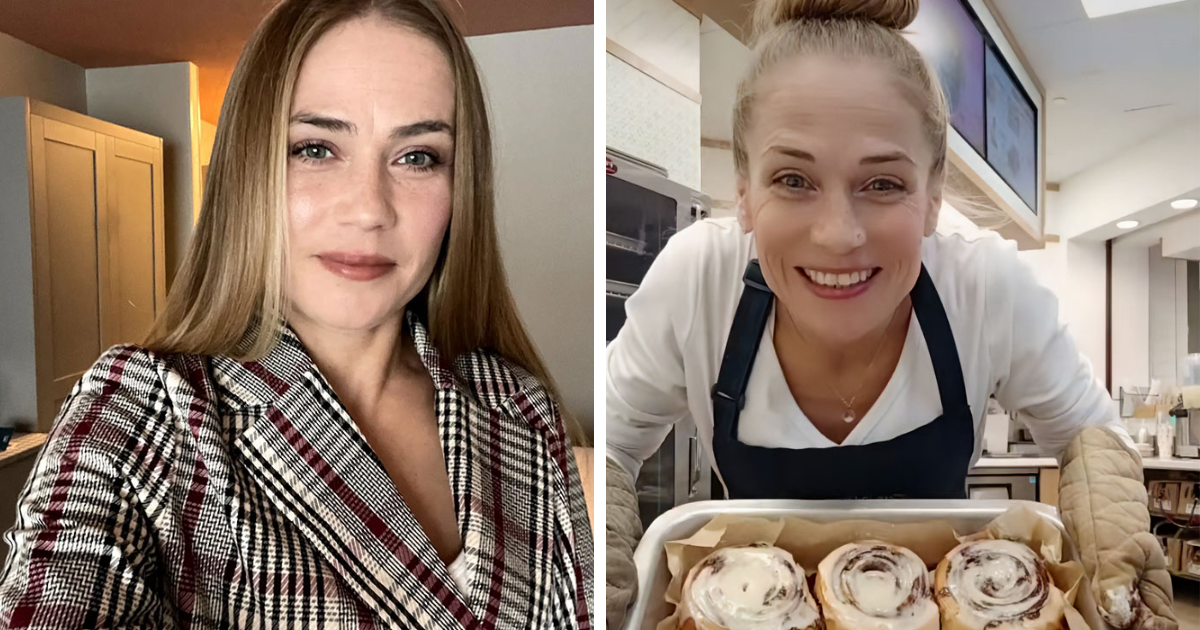
Several outlets identified the fired Cinnabon worker as Crystal Wilsey, a Wisconsin woman whose name began circulating after the video went viral. Some initial reports, including those from larger wire and broadcast outlets, did not name her. Later follow-up coverage did, and those reports connected her to social media posts in which she appeared to respond to the backlash.
Because the story involves a real person, it is important to separate what is visible on video, what has been confirmed by company statements, and what has been reported by secondary outlets. The video showed racist language and offensive behavior. Cinnabon confirmed the firing. Reports identifying the worker and describing her background came afterward and should be handled with care, especially when discussing alleged criminal history.
Her Response Sparked Even More Backlash
After the firing, the woman identified in reports as Wilsey reportedly defended herself online. According to follow-up coverage, she denied being racist despite the video showing her using racist language and even declaring herself racist during the exchange. She reportedly pointed to her family background and personal relationships as evidence that she was not prejudiced.
This is a common pattern in public racism controversies. Someone is recorded saying or doing something offensive, then later argues that they cannot be racist because they have a friend, child, partner, coworker, neighbor, barber, dentist, or second cousin who belongs to the group they insulted. The problem is that personal proximity does not erase harmful conduct. Knowing someone from a marginalized group is not a magic coupon that redeems racist behavior at checkout.
The internet was not convinced. Many viewers argued that the defense made the situation worse because it seemed to minimize the harm done to the couple. Others framed the incident as an example of how quickly people try to rebrand public misconduct once consequences arrive. The worker’s reported comments turned the controversy from a firing story into a broader debate about apology, accountability, and whether saying “I’m not racist” means much after doing something racist on camera.
The Reported Criminal Past: What Has Been Claimed?
Several follow-up stories claimed that the fired worker had a criminal past, including prior charges related to disorderly conduct, child endangerment, drug possession, and driving under the influence. Some outlets described these matters as part of a longer history of legal trouble.
That said, readers should approach this portion carefully. A prior charge is not always the same as a conviction. Criminal-record reporting can be messy, incomplete, and sensationalized, especially when attached to a viral scandal. The relevant public issue remains the conduct shown in the Cinnabon video and the consequences that followed. Background reporting may add context, but it should not become an excuse to dehumanize anyone or turn the story into a digital pile-on.
The strongest takeaway is not simply, “Look at this person’s past.” It is that public behavior, employment consequences, and personal history can collide quickly once the internet gets involved. In the old days, bad behavior at work might lead to a complaint, a manager meeting, and maybe a firing. Today, it can lead to national headlines, social media sleuthing, crowdfunding campaigns, and thousands of strangers forming confident opinions before lunch.
The Customers At The Center Of The Incident
Amid all the attention on the fired worker, it is easy to forget the couple who experienced the incident. Reports described them as a Black Somali Muslim couple. A fundraising campaign created to support them said they were traumatized by the encounter. That detail matters because viral stories often turn real people into props in a public debate.
For many viewers, the video was not shocking because it was impossible to imagine. It was shocking because it looked painfully familiar. Muslim women who wear hijab, Black customers, immigrants, and other marginalized groups often describe being treated with suspicion, disrespect, or hostility in ordinary public settings. A bakery counter, a checkout line, a parking lot, a gym, or a restaurant can suddenly become a place where identity is attacked.
That is why the video resonated beyond Wisconsin. It represented the type of moment that many people fear: asking for something simple and being met not with service, but with contempt.
Why The Video Went Viral So Quickly
The video had all the ingredients that make social media algorithms wake up like they just smelled fresh frosting: a recognizable brand, a public confrontation, offensive language, a clear victim, a worker in uniform, and a moment of visible escalation. People shared it because they were angry. Others shared it because they wanted consequences. Some shared it to argue about “cancel culture.” A smaller but very loud group shared it to defend the worker.
Viral videos of public racism often spread because they offer proof. For decades, people who reported discrimination were told they misunderstood, exaggerated, or caused the problem. A phone recording changes the conversation. It does not solve racism, but it can remove the easy escape hatch of denial.
At the same time, virality can flatten complex situations. It can turn everyone into a prosecutor, judge, publicist, therapist, and comment-section comedian. The video showed enough to justify outrage, but the online reaction quickly expanded into identity battles, political arguments, and fundraising wars.
The Fundraising Twist
One of the most controversial parts of the story was the emergence of competing online fundraisers. A campaign was reportedly created to support the Somali Muslim couple. Another campaign was launched for the fired worker, and reports said it raised a significant amount of money from supporters who believed she had been treated unfairly or provoked.
This is one of the strangest features of the modern internet: public consequences can become profitable. A person can lose a job after being caught on video behaving badly, then attract donations from people who see them as a symbol in a larger culture-war narrative. In other words, a cinnamon roll dispute can become a referendum on speech, race, immigration, religion, employment, and who deserves sympathy.
The fundraiser backlash also raised a difficult question. When people donate to someone after a viral racist incident, are they supporting free speech, protesting online punishment, or rewarding harmful behavior? The answer depends on whom you ask, but the effect is clear: it can make victims feel as though their pain has been converted into someone else’s payday.
What Employers Can Learn From The Cinnabon Incident
For employers, the lesson is simple but serious: anti-discrimination policies cannot live only in employee handbooks that nobody reads after orientation. Workers need clear training on how to interact with customers, how to de-escalate conflict, and what language or conduct is never acceptable.
Businesses should also have a response plan for viral incidents. That plan should include how to preserve evidence, review footage, speak with employees, contact affected customers, issue statements, and avoid saying anything that sounds like corporate oatmeal. A bland “We are looking into it” may be necessary at first, but it should be followed by action.
There is also a franchise lesson. National brands rely on local operators, but the public rarely separates the two. To customers, the sign says Cinnabon. That means brand standards must reach every counter, every mall kiosk, and every shift.
What Customers Can Take Away
For customers, the incident shows the value and limits of recording. Video can document misconduct, protect a person from being dismissed, and create accountability. But recording can also escalate tension, attract harassment, and pull victims into a public storm they did not ask for.
If someone experiences discriminatory treatment in a store or restaurant, practical steps may include staying calm when possible, recording only if safe, asking for a manager, saving receipts or time stamps, contacting corporate customer service, and filing a complaint with the business. In severe cases, customers may also consider reporting the incident to local authorities or civil rights organizations.
None of that means victims are responsible for making discrimination tidy and convenient. It means people deserve tools when institutions fail them.
The Bigger Conversation About Racism In Public Spaces
The Cinnabon video became more than a local employment story because it touched a national nerve. Racism in public spaces is not limited to dramatic confrontations. Sometimes it is a slur. Sometimes it is a stare. Sometimes it is being ignored while others are served first. Sometimes it is a joke that is not really a joke, delivered with the confidence of someone who expects no consequences.
What made this incident especially jarring was the setting. A bakery is supposed to be soft, warm, and sweet. Nobody walks into Cinnabon expecting a civil rights case study with extra frosting. That contrast made the video feel even more absurd and disturbing.
The public reaction also showed how divided people remain over accountability. Many saw the firing as obvious and necessary. Others saw it as excessive punishment. But employment consequences are not the same as criminal punishment. A company has the right to decide that an employee who uses racist language toward customers cannot represent its brand.
Experience-Based Reflection: What This Story Feels Like From The Real World
Anyone who has worked in retail or food service knows that customer-facing jobs can be stressful. People complain about prices, toppings, wait times, napkins, coupons, and whether a pastry looks exactly like the picture. Some customers are rude. Some employees are exhausted. The public counter can feel like a tiny theater where everyone is one bad sentence away from disaster.
But stress does not explain racism. A hard shift does not create a racial slur out of thin air. When a worker reaches for language that attacks someone’s race, religion, or cultural identity, that choice reveals something deeper than ordinary frustration. Plenty of employees have survived holiday mall shifts, broken registers, syrup spills, and customers asking “Do you work here?” while they are wearing a uniform and name tag. They still manage not to mock someone’s hijab.
From a customer’s perspective, the experience can be humiliating in a way that lasts long after the video ends. Imagine walking into a store for a snack and leaving as the subject of a viral news story. Imagine having strangers debate whether your pain was real, whether you provoked it, whether the worker deserved sympathy, and whether racism should have consequences. That is a heavy burden to attach to a dessert run.
From an employee’s perspective, the incident is a warning about how quickly one moment can become permanent. The internet does not care that someone was tired, angry, or having a bad day. A public-facing worker represents the business while on the clock. That does not mean employees should tolerate abuse, but it does mean they must respond through policy, management, and safety procedures rather than hateful language.
From a manager’s perspective, the lesson is even sharper. Training cannot be a checkbox. A strong workplace culture is built before a crisis, not after a video trends. Employees need to know what to do when a customer interaction becomes tense. Managers need to be accessible. Companies need to make it clear that discrimination is not just bad optics; it is a violation of trust.
And from the public’s perspective, the story is a reminder to slow down before turning every viral clip into entertainment. Outrage can be justified, but people should resist the urge to turn real harm into memes, harassment, or amateur detective work. Accountability is necessary. Cruelty is not a bonus feature.
The most useful response is not to gawk forever at the worst moment. It is to ask what would make the next moment less likely. Better training. Faster intervention. Clearer policies. Support for targeted customers. A public culture that refuses to treat racist outbursts as quirky internet drama. That may not be as clickable as a meltdown video, but it is far more valuable.
Conclusion
The viral Cinnabon incident in Wisconsin became a national story because it combined recognizable elements of modern public life: racism caught on camera, instant corporate fallout, social media outrage, competing fundraisers, and follow-up reporting about the worker’s past. The fired employee’s reported defense did little to calm the backlash, especially because the video itself showed language and behavior many viewers found indefensible.
Still, the most important part of the story is not the spectacle. It is the standard. Customers should be able to walk into a business without being attacked for their race, religion, or cultural identity. Employees deserve safe workplaces, but safety does not include permission to dehumanize customers. Brands must respond quickly and clearly when their values are violated in public view.
A cinnamon roll should be messy because of caramel, not because a simple customer request turns into a viral lesson about racism, accountability, and the internet’s endless appetite for conflict.
Publisher Note
This article uses cautious wording around reported identity and criminal-history claims because the topic involves a real person, public allegations, and follow-up media reporting. The focus remains on the verified video controversy, the company response, and the broader public lessons about discrimination, accountability, and online virality.