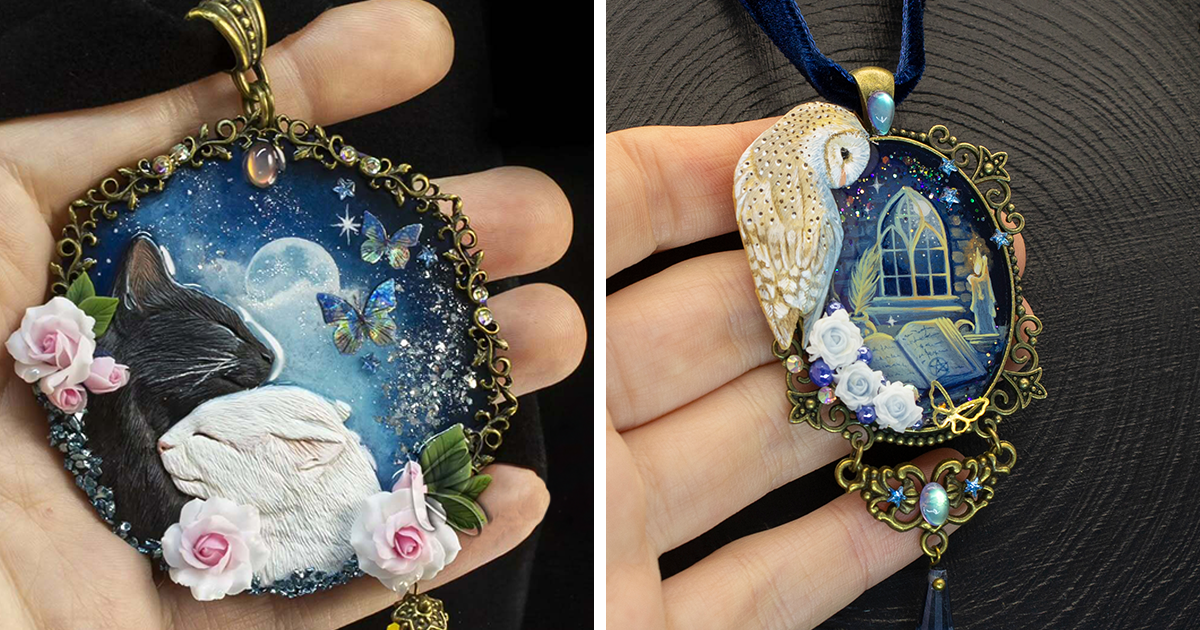
Polymer clay jewelry has a sneaky superpower: it looks artsy, expensive, and wildly personal without demanding a metalsmith’s workshop, a trust fund, or the patience of a monk. With a few blocks of clay, a rolling pin, some simple cutters, and a decent eye for color, we turned a humble craft table into a tiny design studio and made 28 jewelry pieces that felt less like DIY accessories and more like wearable art.
That is the magic of polymer clay. It can look marbled like stone, speckled like terrazzo, soft like sea glass, bold like pop art, or sleek enough to pass for boutique jewelry sold under suspiciously flattering lighting. It is beginner-friendly, endlessly customizable, and surprisingly stylish when treated with intention. In other words, it is the craft-world equivalent of a friend who shows up in sneakers and still somehow steals the room.
In this guide, we are sharing how we approached polymer clay jewelry design, what made each piece feel polished, and the 28 handmade jewelry ideas we createdfrom statement earrings and minimalist pendants to playful rings and modern bracelets. Whether you are here for polymer clay earrings, wearable art inspiration, or fresh handmade jewelry ideas, consider this your invitation to roll out some clay and make your jewelry box a lot more interesting.
Why Polymer Clay Jewelry Works So Well as Wearable Art
There is a reason polymer clay jewelry keeps popping up in craft classes, gift guides, and trendy DIY roundups: it is affordable, versatile, and easy to shape into modern, eye-catching forms. You can go geometric, organic, retro, maximalist, minimalist, or delightfully weird. A little slab can become abstract dangles, a checkerboard charm, a marbled bead, or a sculptural pendant in under an hour.
What makes polymer clay feel elevated is not just the material itself. It is the design thinking behind it. Color pairing matters. Shape balance matters. Texture matters. Hardware matters. When you pair a clean silhouette with thoughtful finishing, polymer clay jewelry stops looking like “something cute from craft night” and starts looking like “Where did you get that?”
That was our whole goal. We did not want 28 pieces that merely looked handmade. We wanted 28 pieces that looked intentional. There is a huge difference between “I made this” and “I made this, and now strangers are asking why I do not have a shop.” We were aiming for the second one.
How We Approached the Design Process
1. We started with color stories, not random leftovers
Instead of grabbing every bright shade like overexcited raccoons in a bead aisle, we worked in mini palettes. Some pieces used desert tones like terracotta, cream, and muted gold. Others leaned into black-and-white contrast, terrazzo speckles, citrus brights, or soft coastal blues. Limiting the palette gave the collection a more curated look and made every piece feel like it belonged to the same creative family.
2. We kept shapes simple and let texture do the flirting
Polymer clay loves clean arches, circles, half-moons, teardrops, ovals, and bars. Those shapes are easy to wear and hard to mess up. Then we layered on interest through marbling, speckles, carved lines, stamped texture, or subtle metallic accents. The result was artful without becoming costume-y, which is a delicate line and one we respected like a sleeping cat.
3. We treated finishing like the difference between “fine” and “wow”
Conditioning the clay well, smoothing fingerprints, curing it properly, sanding rough edges, and adding quality findings made a huge difference. Clean holes, balanced proportions, and comfortable earring backs turned our polymer clay designs from cute experiments into genuinely wearable handmade jewelry.
Our Best Tips for Better Polymer Clay Jewelry
Condition first, always
Well-conditioned clay is softer, smoother, and easier to shape. It also holds detail better and is less likely to give you weak spots or odd texture after baking. If the clay feels stiff, warming and kneading it thoroughly before cutting shapes is worth every extra minute.
Use a ruler, even when you feel artistic
Symmetry matters in jewelry. Matching earrings that are almost the same size are not charming. They are distracting. Measuring slab thickness and laying out pairs carefully helped our pieces look cleaner and more professional.
Bake for strength, not guesswork
Most polymer clay brands are cured in a conventional oven, often around 275°F, but the exact temperature and timing depend on the brand and thickness. We followed package directions, used an oven thermometer, baked on parchment or another appropriate surface, and skipped the microwave entirely. Underbaked clay is brittle, and nobody wants their statement earring making a dramatic exit by lunchtime.
Choose finishes that play nicely with polymer clay
For color accents, we stuck with polymer-safe options such as acrylic paint where needed, and we avoided shortcut finishes that can damage the clay over time. Some pieces looked best buffed matte, while others benefited from a soft gloss. The finish depended on the design, not a one-size-fits-all rule.
Do not ignore hardware
A gorgeous clay piece attached to flimsy or irritating hardware is like putting sports tires on a shopping cart. We used quality jump rings, hoops, posts, and chains, and when possible, chose sensitive-ear-friendly findings for comfort as well as style.
Here Are the 28 Jewelry Pieces We Made
- Terrazzo Sunrise Studs Tiny round studs in warm peach, ivory, and charcoal flecks. They looked like miniature art-school floor tiles, only much cuter and dramatically less likely to trip anyone.
- Black Arch Dangles Sleek matte black arches with a small cream circle topper. Minimalist, modern, and perfect for pretending you own more neutral linen than you actually do.
- Marbled Ocean Drop Earrings Swirls of blue, white, and soft gray created a wave-like effect. These felt like wearable seascapes and instantly made plain outfits look smarter.
- Checkerboard Mod Hoops We cut tiny checkerboard tiles and curved them around hoop forms. The result was playful, graphic, and delightfully retro without screaming “I time-traveled from 1967.”
- Speckled Half-Moon Earrings Cream clay dotted with black speckles and finished with brass-toned findings. Quietly cool, easy to wear, and ideal for everyday handmade jewelry lovers.
- Citrus Slice Studs Bright orange circles with little wedge details that looked like miniature fruit slices. Ridiculously cheerful and impossible to wear while being in a bad mood for too long.
- Desert Palette Slab Earrings Layered terracotta, clay pink, sand, and rust in abstract cut shapes. These had big gallery-gift-shop energy, in the best possible way.
- Granite Look Rectangle Drops A marbled gray slab mimicked stone, then we cut clean vertical rectangles. They felt architectural and polished, like the jewelry version of saying “I appreciate good countertops.”
- Gold-Fleck Crescent Earrings Soft white crescents dusted with metallic accents. The shimmer was subtle enough to feel refined, not disco-ball dramatic.
- Tiny Daisy Studs White petals, sunny yellow centers, and charmingly small proportions. Sweet without being childish, and perfect for spring outfits or gift sets.
- Abstract Face Dangles Line-art-inspired oval pieces with carved facial features and muted tones. A little artsy, a little quirky, and exactly the sort of piece that starts conversations in coffee shops.
- Leopard Print Hoops Neutral tan hoops with hand-painted spots for a modern animal print moment. Somehow bold and versatile at the same time, which frankly feels like witchcraft.
- Rainbow Bar Earrings Slim vertical bars in stacked muted rainbow tones. These looked playful from a distance and carefully designed up close.
- Mosaic Tile Studs Tiny irregular squares pieced together in jewel tones. They had a handmade, patchwork beauty that felt rich and artistic rather than precious.
- Cloud White Sculptural Drops Organic, puffed forms in matte white with soft curves. These had a fashion-editor feel and worked beautifully with clean monochrome outfits.
- Botanical Leaf Earrings Sage green clay textured with leaf veining and shaped into long, elegant drops. Nature-inspired, yes, but not in a crunchy-granola way.
- Marble Disk Pendant Necklace A smooth circular pendant in white and gray marbling hung on a simple chain. It looked sophisticated enough to wear with a blouse and easy enough to wear with a T-shirt.
- Terrazzo Bar Necklace A slim horizontal pendant with multicolor flecks on a bright base. It was minimal but full of personality, which is a difficult trick and one this necklace pulled off nicely.
- Sunburst Charm Necklace We formed a small medallion with radiating carved lines and a warm golden tone. It gave vintage charm without trying too hard to be antique-store mysterious.
- Layered Pebble Pendant Three softly rounded clay shapes stacked vertically in complementary tones. This piece felt calm, earthy, and extremely wearable.
- Color-Block Bead Bracelet Chunky handmade beads in blush, rust, cream, and black strung into a modern bracelet. Bold enough to stand alone, but friendly with other bangles too.
- Speckled Cuff Bracelet A wide curved cuff look created with a stone-inspired speckled finish. It had just enough drama to feel like a statement piece without becoming an arm workout.
- Mini Charm Bracelet with Clay Icons Tiny handmade charms including a moon, flower, heart, and abstract dot. Cute, collectible, and a bit addictive to assemble.
- Stackable Clay Rings in Earth Tones Slim bands topped with oval clay accents in terracotta, olive, and cream. Easy to mix, easy to gift, and suspiciously fun to make in batches.
- Statement Flower Ring A sculpted bloom in coral and peach perched on an adjustable base. Cheerful, bold, and impossible to ignore in the best way.
- Geometric Brooch Pin Triangles and circles layered into a modern abstract brooch. A reminder that polymer clay jewelry does not have to stop at ears and necks.
- Heart Outline Pendant A simple open-heart shape in a muted rose tone. Romantic without being syrupy, which frankly is a service to everyone involved.
- Mixed-Media Hoop Charms Polymer clay charms paired with beads and metal hoops for movement and texture. These felt the most boutique-ready of the entire collection, like something you would spot in a stylish little shop and justify immediately.
What We Learned from Making 28 Pieces
The biggest lesson was that polymer clay jewelry gets better when you slow down. Not dramatically slow, not “light a candle and journal about your intention” slow, but careful enough to refine edges, rebalance shapes, and edit color choices before baking. The best pieces were not always the most complicated ones. Often, the winners were the designs with clean silhouettes, a strong color story, and just one interesting surface detail.
We also learned that handmade jewelry ideas go much further when you think in collections. A pair of earrings is lovely. A mini series of earrings, necklace, bracelet, and ring that share the same palette or pattern feels cohesive and stylish. It turns casual crafting into something closer to product design, which is a lot more fun than it sounds.
And yes, there were a few noble failures. One pair baked with a lopsided hole placement. One pendant looked less “abstract stone” and more “confused cracker.” One ring was so chunky it could probably have been classified as furniture. But every offbeat result taught us something useful about scale, proportion, or when to back away from the metallic powder.
The Real Experience of Turning Polymer Clay into Wearable Art
Making these 28 pieces was not just a craft project. It felt like an ongoing conversation between imagination and trial-and-error, with polymer clay acting as both the medium and the occasional tiny diva. At first, the process seemed simple: pick colors, cut shapes, bake, attach hardware, admire genius. In reality, it became a lot more interesting than that. Every piece asked a question. Is this color too flat? Does this shape need a second layer? Will this look sophisticated once assembled, or will it resemble a cookie that wandered into a jewelry box?
That uncertainty was part of the fun. Polymer clay is forgiving enough to invite play, but demanding enough to reward attention. We found ourselves obsessing over the exact curve of an arch earring, nudging flecks around in terrazzo slabs like interior designers arranging throw pillows, and comparing matte versus glossy finishes like we were judging a tiny fashion week. The work felt tactile, immediate, and deeply satisfying in a way screen-based creativity rarely does. You can think about color theory all day, but there is something special about physically mixing clay until a palette clicks in your hands.
There was also a surprisingly emotional side to the process. Some pieces came together in minutes and made us feel like artistic prodigies. Others refused to cooperate and reminded us that confidence is often just persistence wearing a nicer outfit. We redid shapes. We re-rolled slabs. We changed findings. We sanded edges we thought were fine until we realized “fine” was not the same as “finished.” That extra care mattered. The pieces that felt best to wear were the ones that had been fussed over just a little longer.
Wearing the finished designs changed the experience too. Once the jewelry left the table and went onto actual humans, the pieces came alive. Earrings moved differently than they looked lying flat. Pendants sat at different angles depending on chain length. Rings that seemed dramatic in hand felt charming once worn. That is when the phrase wearable art stopped sounding like a fancy headline and started feeling accurate. These were not just objects. They interacted with outfits, gestures, light, mood, and personality.
Perhaps the most rewarding part was realizing that polymer clay jewelry can hold both artistry and approachability at the same time. You do not need to be a professional jeweler to make something beautiful. You need curiosity, some patience, and a willingness to let experimentation be part of the design. One day you make a simple pair of speckled studs. The next day you are layering colors, carving textures, and wondering whether you should start naming your collections like a tiny boutique owner with very strong opinions about brass chain.
By the end of the process, the 28 pieces felt like more than a list of projects. They felt like proof that craft can be expressive, stylish, and deeply personal all at once. Polymer clay gave us room to play, edit, fail, improve, and finally create jewelry that looked like usbold in some moments, understated in others, and never boring. Honestly, that might be the best reason to try it yourself.
Conclusion
Turning polymer clay into wearable art is part craft, part styling exercise, and part joyful experiment. The beauty of polymer clay jewelry is that it meets you wherever you are. You can make minimalist earrings for everyday wear, statement necklaces that act like conversation starters, or playful rings and bracelets that feel one-of-a-kind. With smart color choices, clean finishing, and a little courage, even a basic slab of clay can become handmade jewelry that looks polished, modern, and completely personal.
So if you have been waiting for a sign to try polymer clay earrings, sculpt a pendant, or finally make that bracelet idea rattling around in your head, this is it. Roll out the clay, test your palette, and make something that feels like artbut also happens to look fantastic with jeans.