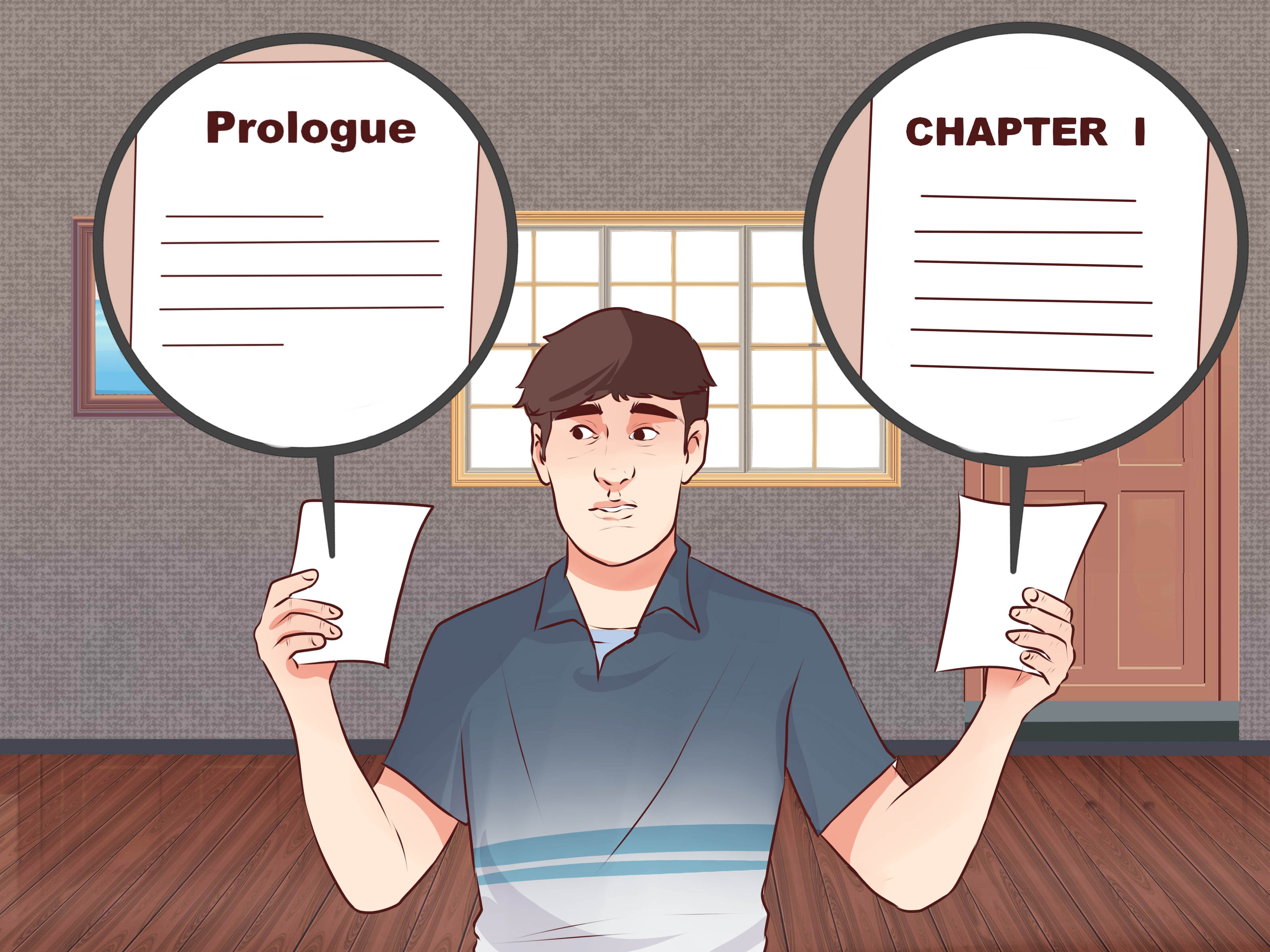
A prologue is a little like the mysterious stranger at the beginning of a movie: fascinating when done well, deeply annoying when it refuses to leave the doorway and let the actual story in. Writers love prologues because they can create suspense, reveal a secret, establish atmosphere, or whisper, “Dear reader, something big is coming.” Readers, agents, and editors can love them toobut only when the prologue earns its seat at the table.
If you are wondering how to write a prologue for your novel, the first rule is simple: do not use one just because it sounds fancy. A prologue is not a decorative bow tied around a weak first chapter. It is not a dumping ground for ancient wars, family trees, weather reports, or the complete political history of your invented kingdom. A strong prologue should feel necessary, dramatic, and connected to the main story, even if the connection is not obvious right away.
This guide explains what a prologue is, when to use one, how to write one readers will not skip, and how to revise it until it stops wearing a fake mustache and starts doing real narrative work.
What Is a Prologue?
A prologue is an opening section that appears before Chapter One. It belongs to the world of the story, but it usually sits slightly apart from the main narrative. It may happen years earlier, moments before the main plot begins, in a different location, from another character’s point of view, or in a tone that frames the rest of the novel.
The key phrase is “belongs to the story.” A prologue is not the same as a preface, foreword, or introduction. A preface is usually written by the author to explain the book’s background. A foreword is often written by someone else. An introduction is more common in nonfiction. A prologue, however, is fiction. It is part of the narrative machine.
What a Prologue Can Do
A well-written novel prologue can serve several important purposes. It can create intrigue, introduce a mystery, establish a major threat, set the tone, show an event that shapes the plot, or give readers information they need before the main story begins. In fantasy, horror, mystery, thriller, historical fiction, and science fiction, prologues are especially common because these genres often benefit from early atmosphere, stakes, or worldbuilding.
But “common” does not mean “required.” Plenty of excellent novels start directly with Chapter One. Your job is to decide whether a prologue gives your book a stronger openingor whether it is standing between the reader and the real beginning like a velvet rope at a very tiny nightclub.
Should Your Novel Have a Prologue?
Before writing a prologue, ask one blunt question: would the story lose power, clarity, or emotional impact without it? If the answer is no, skip it. If the answer is yes, then you may have a prologue worth writing.
Use a Prologue When It Adds Essential Value
A prologue works best when it gives readers something they cannot get as effectively anywhere else. Maybe your main character does not yet know about a danger that readers must understand. Maybe an event from the past casts a shadow over the present. Maybe the first chapter begins quietly, but the larger novel is darker, stranger, or more dangerous, and the prologue helps set the correct expectation.
For example, imagine a mystery novel that opens with a young woman calmly arranging flowers in Chapter One. That could be charming, but if the book is actually about a decades-old disappearance, a brief prologue showing a child hiding under a bed while police lights flash outside might immediately establish suspense. The reader turns the page with questions. Questions are good. Confusion wearing a hat is not.
Avoid a Prologue When It Only Explains Backstory
The most common prologue mistake is using it as a history lecture. Readers do not open a novel hoping to attend Orientation Day for Imaginary Places. They want movement, character, tension, and a reason to care.
If your prologue explains everything that happened before the story, it may be backstory disguised as drama. Instead of explaining the kingdom’s betrayal, show one moment of betrayal. Instead of summarizing a family curse, show the night the curse ruined someone’s life. Instead of telling readers that a villain is terrifying, put that villain in a scene and let the reader quietly decide to sleep with the lights on.
How to Write a Prologue for Your Novel
Writing a prologue is not about making the beginning bigger. It is about making the beginning sharper. Here is a practical process for creating a prologue that pulls readers forward.
1. Identify the Prologue’s Job
Before writing a single sentence, define the purpose of your prologue in one clear line. For example:
- To reveal the original crime that drives the mystery.
- To introduce the supernatural threat before the hero understands it exists.
- To show the emotional wound that explains the protagonist’s fear.
- To establish the tone of a dark fantasy world before Chapter One begins in a peaceful village.
If you cannot explain the prologue’s job, the prologue may not have one. Unemployed scenes are expensive. They cost reader attention.
2. Start With a Scene, Not a Summary
The best prologues usually dramatize a specific moment. A character wants something. Something goes wrong. A discovery is made. A secret is buried. A warning is ignored. The scene has pressure.
Compare these two openings:
Weak summary: “For hundreds of years, the city of Ravelin had feared the return of the Bone King, whose armies once destroyed the northern gates.”
Stronger scene: “The guard found the first bone crown nailed to the northern gate at dawn.”
The second version raises questions immediately. Who left it? Why now? What is a bone crown, and should we be concerned? Yes, we should absolutely be concerned.
3. Create a Strong Hook
A prologue must hook the reader quickly because it has an unfair disadvantage: many readers have been trained to distrust prologues. Some skip them automatically. Your job is to make skipping feel impossible.
Open with tension, surprise, a strange image, a dangerous choice, or an unanswered question. You do not need explosions. You need curiosity. A quiet sentence can be powerful if it contains pressure: “Mara buried her brother on a Tuesday and lied about it by dinner.” That line invites the reader into a problem.
4. Keep It Short and Focused
There is no official rule for prologue length, but shorter is often better. Many effective prologues are only a few pages. Some are even shorter. The point is not to write a bonus chapter before the book starts. The point is to deliver one concentrated narrative charge.
If your prologue is longer than your first chapter, take a deep breath and step away from the keyboard. Then ask whether the material should become Chapter One, be woven into later chapters, or be trimmed until it stops bringing a suitcase to a picnic.
5. Connect It to the Main Story
A prologue may be mysterious, but it should not feel random. Readers should eventually understand why it matters. The connection can be immediate or delayed, obvious or subtle, but it must exist.
For instance, if your prologue shows a scientist hiding a dangerous invention, Chapter One might follow the scientist’s daughter years later. The reader may not know the full connection yet, but the story has planted a meaningful seed. Later, when the invention resurfaces, the prologue pays off.
Payoff is crucial. If the prologue promises a ghost, a prophecy, a murder, or a secret map, the novel should not wander off for 300 pages to discuss bakery management unless the bakery is haunted, prophetic, murderous, or suspiciously full of maps.
6. Match the Tone of the Novel
Your prologue is a handshake with the reader. Make sure it is the right handshake. A grim, poetic prologue followed by a goofy romantic comedy may create whiplash. A slapstick prologue before a tragic war novel may feel like the book tripped over its own shoelaces.
The prologue does not need to have the exact same pace as Chapter One, but it should prepare readers for the emotional flavor of the book. If your novel is eerie, let the prologue carry unease. If it is adventurous, give it motion. If it is literary and reflective, focus on image, voice, and emotional resonance.
7. Avoid the Dream Trap
Dream openings are risky. They often feel dramatic until the reader discovers nothing “really” happened. That can make the opening feel like a prank. And readers do not enjoy being narratively jump-scared by an alarm clock.
If you use a dream, vision, prophecy, or memory, make sure it has real consequences. The character should wake changed, informed, threatened, or emotionally shaken in a way that matters to the plot. Otherwise, consider starting with something concrete.
Types of Prologues You Can Use
The Past Event Prologue
This type shows an important moment before the main timeline. It might reveal a betrayal, death, disaster, or promise. Use it when the past event creates emotional or plot pressure in the present.
The Future Glimpse Prologue
This prologue briefly shows a dramatic moment from later in the story, then Chapter One returns to the beginning. It can work well in thrillers and mysteries, but be careful. If the future scene is more exciting than the next several chapters, readers may feel cheated.
The Different Point-of-View Prologue
Some prologues use a character who is not the main narrator. This can reveal danger, set stakes, or show an event the protagonist could not witness. However, avoid making readers emotionally invest in a character who immediately disappears unless that disappearance is the point.
The Worldbuilding Prologue
Common in fantasy and science fiction, this prologue introduces a world, myth, conflict, or historical event. The danger is info-dumping. The solution is to dramatize worldbuilding through action. Do not explain the sacred law. Show someone breaking it.
Common Prologue Mistakes to Avoid
Mistake 1: Explaining Too Much
A prologue should raise questions, not answer every possible question before the reader has asked them. Mystery creates momentum. Overexplanation creates naps.
Mistake 2: Starting With Characters Who Do Not Matter
If your prologue follows a random character who never appears again, make sure the event itself is powerful and relevant. Otherwise, readers may feel tricked into caring about someone who was basically narrative confetti.
Mistake 3: Repeating Information Later
If Chapter Three explains everything the prologue already showed, one of those sections is unnecessary. Trust readers. They are clever creatures. Many have assembled furniture with instructions written by chaos goblins.
Mistake 4: Using the Prologue to Fix a Weak First Chapter
A prologue cannot rescue a dull Chapter One. Both must be strong. If your first chapter lacks tension, revise the chapter. Do not staple a dragon attack to the front and hope nobody notices the next twenty pages are people discussing breakfast.
How to Revise Your Prologue
After drafting your novel, return to the prologue with cold eyes and possibly coffee. Ask these questions:
- Does this prologue create a compelling question?
- Is it connected to the central conflict?
- Can readers understand enough to stay interested?
- Does it avoid heavy exposition?
- Would Chapter One still be strong without it?
- Does the prologue pay off later in the novel?
One useful revision trick is to remove the prologue temporarily and read the first three chapters without it. If the story becomes cleaner, faster, and more engaging, the prologue may not be necessary. If the opening loses mystery, tension, or emotional depth, the prologue may be doing important work.
A Simple Prologue Template
If you need structure, try this five-part framework:
- Opening image: Begin with a vivid moment, action, or line of tension.
- Immediate conflict: Show what is wrong, dangerous, strange, or urgent.
- Character pressure: Give someone a desire, fear, secret, or decision.
- Story seed: Plant a clue, question, threat, or emotional wound.
- Exit hook: End with a turn that makes Chapter One irresistible.
For example, a thriller prologue might open with a missing phone ringing inside a locked room. The conflict: the room has been sealed for ten years. The character pressure: a retired detective recognizes the ringtone. The story seed: the phone belonged to a victim whose body was never found. The exit hook: the detective answers, and a child whispers, “You promised you would come back.”
That is a prologue with a job. It asks questions, creates stakes, and gives the reader a reason to continue.
Experience-Based Advice: What Writers Learn When They Actually Write Prologues
After working through prologues in drafts, outlines, critique groups, and late-night “why is my beginning broken?” writing sessions, one practical lesson becomes clear: the first version of a prologue is often the writer explaining the story to themselves. That is not a failure. It is part of the process. Sometimes you need to write the long, messy, overstuffed version before you discover the one sharp scene that belongs in the final book.
Many writers start with ten pages of background because they are still building confidence in the world. They explain the ancient betrayal, the lost heir, the old magic, the family scandal, the secret laboratory, and possibly the weather patterns of three neighboring provinces. During drafting, that can be useful. It helps the author understand the machinery behind the story. But readers do not need to see all the machinery. They need to see the machine move.
A helpful experience is to treat your prologue like a movie cold open. It should feel complete enough to satisfy the moment, but unfinished enough to pull readers forward. Think of the opening scene of a suspense film: someone finds a clue, makes a mistake, witnesses something impossible, or vanishes before they can explain. The audience does not know everything yet, but they know enough to lean in. That lean is the magic.
Another lesson: emotional relevance matters more than cleverness. A prologue can have a beautiful twist, a shocking death, or a glittering mythological quote, but if it does not connect emotionally to the novel, it may feel hollow. The reader should eventually realize, “Oh, that opening mattered more than I knew.” This creates satisfaction. It makes the prologue feel like a seed that was quietly growing beneath the entire book.
When testing a prologue, share the opening with beta readers and ask specific questions. Do not ask, “Did you like it?” That question is too polite and slippery. Ask, “What questions did the prologue make you want answered?” “Where did your attention dip?” “What did you expect the book to be about after reading it?” If their answers match your intention, good. If they expect a horror novel and you wrote a cozy romance about rival cupcake bakers, something has gone deliciously wrong.
It also helps to write Chapter One first, then the prologue later. Many authors discover that once the full novel is drafted, they understand exactly what the opening needs to foreshadow. Writing the prologue too early can lead to vague atmosphere. Writing it after the draft lets you choose details with precision. You know which object matters, which line echoes later, which secret should be hinted at, and which emotional wound deserves the first spotlight.
Finally, remember that cutting a prologue is not defeat. Sometimes the best prologue is the one you remove after it has taught you what the story is really about. Nothing is wasted. Deleted scenes are compost. They feed the healthier version of the book. If your final novel begins with Chapter One and works beautifully, congratulationsyou did not fail to write a prologue. You succeeded in finding the right beginning.
Conclusion
Learning how to write a prologue for your novel means learning restraint, purpose, and reader psychology. A prologue should not delay the story; it should ignite it. It should offer tension, mystery, tone, or context that makes the reader more eager to enter Chapter One. The best prologues feel essential in hindsight. They are not fancy curtains before the play. They are the first note of the music.
Write your prologue with intention. Keep it focused. Make it dramatic. Connect it to the main narrative. Revise it ruthlessly. And if it does not earn its place, let it go with dignity. Your novel does not need a prologue to be powerfulbut if it has one, that prologue should know exactly why it exists.
Note: This article synthesizes practical fiction-writing guidance from reputable writing, publishing, editing, and author-education resources, then rewrites the ideas into original, web-ready content.