Note: This article is for educational purposes only and is not a substitute for medical advice, diagnosis, or treatment. Any new, unexplained, spreading, or non-blanching rashespecially with fever, unusual bruising, bleeding, fatigue, or frequent infectionsshould be evaluated by a qualified healthcare professional.
What Is an AML Rash?
An acute myeloid leukemia rash is not one single, neat-looking skin problem that politely introduces itself with a name tag. Instead, “AML rash” is a common way people describe several skin changes that may happen with acute myeloid leukemia, a fast-growing blood and bone marrow cancer that affects immature white blood cells.
AML can interfere with the body’s ability to make healthy blood cells. When the bone marrow becomes crowded with abnormal leukemia cells, there may be fewer healthy red blood cells, white blood cells, and platelets. That shortage can lead to symptoms such as fatigue, infections, easy bruising, bleeding gums, nosebleeds, and small red or purple spots on the skin called petechiae.
So, when people search for AML rash appearance, they are often trying to understand whether tiny dots, bruises, purple patches, or firm bumps could be connected to leukemia. The honest answer is: sometimes, yesbut many harmless or less serious conditions can also cause rashes. Skin can be dramatic. A mosquito bite, a viral infection, a new laundry detergent, or an overenthusiastic scratch can all create a mystery worthy of a detective board with red string.
The key is knowing what AML-related skin changes may look like, what symptoms often appear with them, and when it is time to call a doctor instead of consulting the bathroom mirror for the 47th time.
Why Can Acute Myeloid Leukemia Affect the Skin?
AML may affect the skin in several ways. The most common skin-related signs are not always a “rash” in the usual allergy-or-eczema sense. They often come from blood count changes, especially low platelets.
Low Platelets and Bleeding Under the Skin
Platelets help blood clot. When platelet levels drop, tiny blood vessels can leak small amounts of blood into the skin. This may create petechiae, which look like pinpoint red, purple, brown, or dark spots. Larger areas of bleeding under the skin may appear as purpura or bruises.
These marks are not caused by dirt, clogged pores, or “bad skin.” They are signs that blood may be escaping from small vessels beneath the surface. That is why petechiae typically do not fade or turn white when pressed.
Leukemia Cutis
Another, less common AML-related skin condition is leukemia cutis. This happens when leukemia cells move into the skin and form visible lesions. Leukemia cutis can appear as firm bumps, plaques, nodules, or patches. The color may be red, purple, brown, skin-colored, or darker than the surrounding skin.
Leukemia cutis is uncommon, but it is medically important because it may suggest that leukemia cells are present outside the bone marrow and blood. It can appear before, during, or after an AML diagnosis, although most people with AML do not develop it.
Infections and Treatment-Related Rashes
AML and its treatments can weaken the immune system. That can make bacterial, viral, or fungal skin infections more likely. Chemotherapy, antibiotics, transfusions, targeted therapies, and other medications may also cause rashes. In other words, not every rash in someone with AML is directly caused by leukemia itself. Sometimes the skin is reacting to treatment, infection, irritation, or another condition entirely.
What Does an AML Rash Look Like?
The appearance of an AML-related rash can vary widely. It may be subtle, scattered, and easy to miss, or it may be obvious enough to make someone say, “Well, that definitely was not there yesterday.”
1. Petechiae: Tiny Red, Purple, Brown, or Dark Dots
Petechiae are among the most commonly discussed skin signs linked with leukemia. They are tiny, flat spots caused by bleeding under the skin. On lighter skin, they may look red or purple. On darker skin, they may appear brown, reddish-brown, purple-black, or darker than the surrounding skin.
Petechiae are usually very smalloften like pinpoints. They may appear in clusters and can resemble a rash. Common areas include the lower legs, ankles, feet, arms, chest, inside the mouth, or areas where pressure occurs, such as under socks or waistbands.
One helpful clue is that petechiae are usually non-blanching. This means they do not turn white or disappear when pressed with a clear glass or fingertip. However, checking this at home does not replace medical evaluation.
2. Purpura: Larger Purple or Red Patches
Purpura are larger areas of bleeding under the skin. They may look like purple, red, brown, or dark patches. Purpura can appear flat or slightly raised and may show up without a clear injury.
Unlike a typical rash from irritation, purpura is not usually itchy. It may be painless, although the surrounding skin can feel tender if there is bruising. Purpura can be concerning when it appears suddenly, spreads quickly, or occurs with other symptoms such as fever, nosebleeds, gum bleeding, or extreme tiredness.
3. Easy Bruising or Unexplained Bruises
AML can cause easy bruising because of low platelet counts. These bruises may seem larger than expected, appear after minor bumps, or show up without a remembered injury. Everyone forgets the occasional table-corner collision, of course. But frequent, unusual, or worsening bruises deserve attention.
Leukemia-related bruises can appear on the arms, legs, torso, or other areas. They may be blue, purple, green, yellow, brown, or very dark depending on the stage of healing and skin tone. A single bruise does not automatically suggest AML, but bruising plus other symptoms can be a red flag.
4. Leukemia Cutis Lesions: Bumps, Nodules, or Plaques
Leukemia cutis may look different from person to person. Possible appearances include firm bumps, smooth nodules, raised plaques, thickened patches, or widespread lesions. They may be red, violet, brown, grayish, or skin-colored. They can appear on the trunk, arms, legs, face, scalp, or other areas.
These lesions are often not itchy, although some may be tender. Because leukemia cutis can mimic eczema, psoriasis, infections, allergic reactions, insect bites, or other skin diseases, doctors may need a skin biopsy to confirm the cause.
5. Mouth Spots, Gum Bleeding, or Oral Changes
AML-related bleeding signs may also appear inside the mouth. Some people notice tiny red or purple spots on the gums, inner cheeks, or roof of the mouth. Others may have bleeding gums, mouth sores, swelling, or infections.
Gum bleeding after aggressive flossing is one thing. Gum bleeding that is frequent, heavy, or paired with fatigue, fever, bruising, or petechiae is another story. That is the kind of story where the next chapter should involve a healthcare provider.
Common Signs That May Appear With an AML Rash
An AML rash is usually not the only symptom. AML often causes broader signs because it affects blood cell production. The following symptoms may appear along with skin changes:
- Unusual fatigue or weakness
- Pale skin or shortness of breath
- Frequent or severe infections
- Fever or night sweats
- Easy bruising
- Frequent nosebleeds
- Bleeding gums
- Heavy or unusual bleeding
- Bone or joint pain
- Unexplained weight loss or loss of appetite
- Swollen lymph nodes, liver, or spleen in some cases
These symptoms can overlap with many other illnesses, including viral infections, vitamin deficiencies, immune conditions, medication effects, and other blood disorders. That overlap is exactly why guessing based on appearance alone is risky. A rash cannot diagnose AML. Blood tests and medical evaluation can.
AML Rash vs. Regular Rash: How Can You Tell the Difference?
A typical rash from eczema, allergies, heat, or irritation may itch, flake, blister, or improve with avoiding a trigger. It may blanch when pressed, meaning it fades briefly under pressure. AML-related petechiae or purpura, by contrast, are caused by bleeding under the skin and often do not blanch.
Still, skin signs can be tricky. Petechiae can also occur from vomiting, coughing, straining, viral infections, certain medications, injuries, or other platelet problems. Leukemia cutis can mimic common skin diseases. Even doctors do not diagnose AML by squinting thoughtfully at a rash like they are judging a baking show.
The real difference comes from the full picture: rash appearance, timing, other symptoms, physical exam, complete blood count, blood smear, bone marrow testing if needed, and sometimes a skin biopsy.
When Should You Contact a Doctor?
You should contact a healthcare professional promptly if you notice new or unexplained petechiae, purpura, frequent bruising, or a rash that does not behave like your usual skin problems. It is especially important to seek medical care if skin changes happen with fever, weakness, shortness of breath, repeated infections, bleeding gums, nosebleeds, or unexplained weight loss.
Seek Urgent Care Immediately If You Have:
- Bleeding that will not stop
- Black or bloody stool
- Blood in urine
- Severe headache, confusion, fainting, or vision changes
- Chest pain or trouble breathing
- Fever with known AML or after chemotherapy
- Rapidly spreading purple spots or bruising
For people already diagnosed with AML, a new rash should be reported to the oncology team. It may be related to platelet counts, infection, medication, transfusion reaction, leukemia cutis, or another issue that needs fast attention.
How Doctors Evaluate a Possible AML Rash
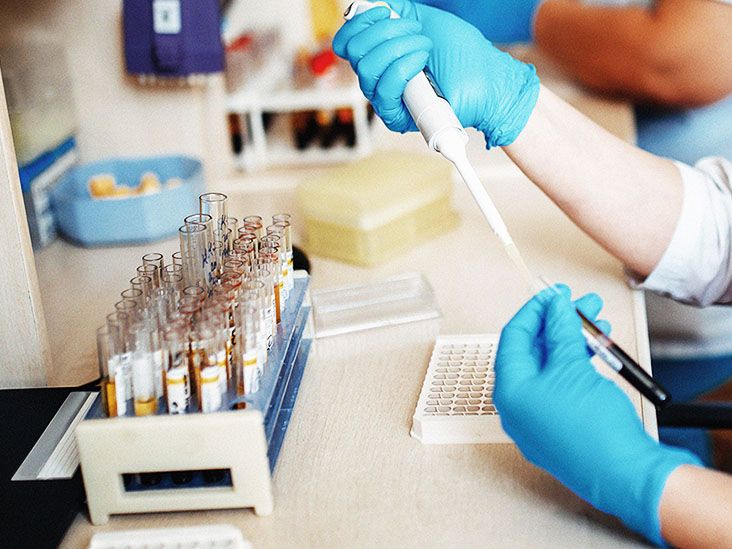
If a doctor is concerned about AML or another blood disorder, testing may begin with a complete blood count, often called a CBC. This test measures red blood cells, white blood cells, and platelets. A blood smear may be used to look at the shape and maturity of blood cells under a microscope.
If results suggest leukemia, doctors may order bone marrow aspiration and biopsy. This helps confirm the diagnosis and identify the AML subtype. Genetic and molecular tests may also guide treatment decisions.
If the skin lesions look suspicious for leukemia cutis, a dermatologist or other specialist may perform a skin biopsy. During this test, a small sample of skin is removed and examined. Special staining can help identify whether leukemia cells are present.
How Is an AML-Related Rash Treated?
Treatment depends on the cause. If petechiae or bruising is due to low platelets, doctors may monitor blood counts, adjust treatment, or give platelet transfusions when appropriate. If infection is present, antimicrobial treatment may be needed. If a medication causes a rash, the care team may change the dose, switch medicines, or treat the reaction.
For leukemia cutis, treatment usually focuses on treating the AML itself. Systemic AML therapy may improve skin lesions when it controls the leukemia. In selected cases, localized treatments such as radiation therapy may be considered, but treatment decisions are highly individualized.
The important point is simple: do not try to treat a possible AML rash with random creams and hope for the best. Moisturizer is lovely, but it does not fix low platelets. A healthcare team needs to identify the actual cause.
Can an AML Rash Be the First Sign of Leukemia?
Yes, skin changes can sometimes be among the first noticeable signs of AML. Some people first notice unexplained bruising, tiny red or purple dots, gum bleeding, or unusual fatigue. Others may not notice skin changes at all and are diagnosed after blood tests for symptoms that seem like a stubborn infection or flu-like illness.
However, it is also important not to panic over every dot. Petechiae and bruises are not automatically leukemia. The concern rises when they are unexplained, spreading, recurring, or combined with other warning signs. In short: one tiny spot may not be a five-alarm fire, but a pattern deserves a professional look.
AML Rash on Different Skin Tones
Descriptions of leukemia rash often focus on “red spots,” but that wording can be incomplete. On darker skin tones, petechiae may look purple, brown, dark red, or nearly black. Bruises may also be harder to spot early. Checking areas such as the palms, soles, inside the mouth, lower legs, and under good lighting may help people notice changes more clearly.
This matters because delayed recognition can delay care. If a rash feels unusual for your body, spreads, does not blanch, or appears with other concerning symptoms, it is worth getting medical advice even if it does not match the classic textbook image.
Practical Examples of AML-Related Skin Signs
Imagine someone notices tiny purple dots around their ankles after removing tight socks. If the dots fade quickly and there are no other symptoms, the cause may be pressure or minor irritation. But if the dots spread, do not blanch, and appear with nosebleeds or unusual fatigue, a doctor should evaluate them.
Another example: a person develops large bruises on the thighs and arms without injury. They also feel exhausted climbing stairs and have bleeding gums. That combination is more concerning than a single bruise after bumping into a desk.
A third example: someone with known AML develops new firm purple bumps on the trunk after treatment. This should be reported to the oncology team because possibilities include infection, drug reaction, leukemia cutis, or another treatment-related issue.
Experience-Based Guidance: What People Often Notice, Worry About, and Learn
Many people who search for acute myeloid leukemia rash signs are not casually browsing. They are usually worriedsometimes very worried. Maybe they found tiny dots on their legs after a shower. Maybe a bruise appeared out of nowhere. Maybe they are caring for someone with AML and every new skin change feels like a siren. That worry is understandable. Skin is visible, immediate, and not exactly famous for sending calm, well-formatted reports.
One common experience is uncertainty. Petechiae can look like a rash, but not every rash is petechiae. Bruises can be ordinary, but unexplained bruising can be medically important. Leukemia cutis can resemble more common skin conditions, which makes the situation even more confusing. People may take photos, compare them online, press the spots, check them under different lights, and still feel unsure. That is not a personal failure. It is a sign that skin symptoms often need context and testing.
Another common experience is realizing that AML symptoms tend to cluster. A person may initially dismiss fatigue as stress, bruises as clumsiness, and gum bleeding as brushing too hard. Separately, each symptom may seem ordinary. Together, they can form a pattern. That pattern is what healthcare professionals are trained to evaluate. A CBC can provide important information quickly, and it is far more useful than trying to diagnose a rash from search results at midnight.
For people already living with AML, skin changes can bring emotional whiplash. During treatment, petechiae may appear when platelets are low. Bruises may show up more easily. Rashes may occur from medications, infections, or immune reactions. The same-looking spot may have different meanings depending on timing, blood counts, fever, treatment stage, and other symptoms. This is why oncology teams often ask patients to report new rashes, take photos, monitor fever, and avoid guessing.
Caregivers also learn to balance attention with panic control. It helps to track changes: When did the rash appear? Is it spreading? Does it blanch? Is there fever? Any bleeding? Any new medication? Any pain, swelling, or shortness of breath? These details can help clinicians decide how quickly the person needs evaluation. A simple photo with date and time can be useful, especially if the rash changes before the appointment.
People often discover that the best response is not fear, but organized action. New unexplained petechiae, purpura, or bruising should not be ignored, especially with systemic symptoms. At the same time, a single skin change does not automatically mean AML. The goal is to avoid both extremes: pretending nothing is happening and assuming the worst from one dot. The sensible middle path is medical evaluation, especially when symptoms are new, persistent, spreading, or paired with fatigue, fever, infections, or bleeding.
In real life, the most helpful habit is knowing your baseline. Some people bruise easily. Some have eczema. Some get heat rashes. Some develop petechiae after intense coughing or vomiting. But when a skin change is unusual for youor unusual for someone with AMLit deserves attention. Your skin may not speak in complete sentences, but it can still send important messages. Listen, document, and involve a healthcare professional when the message seems urgent.
Conclusion
An AML rash may appear as tiny non-blanching spots, larger purple patches, unexplained bruises, mouth spots, or firm leukemia cutis lesions. These skin changes can happen because AML affects blood cell production, especially platelets, or because leukemia cells involve the skin directly. Infections and treatment reactions can also cause rashes in people with AML.
The most important takeaway is that appearance alone cannot confirm or rule out leukemia. A rash should be judged alongside other signs such as fatigue, fever, frequent infections, bleeding, bruising, and changes in blood counts. If symptoms are unusual, persistent, spreading, or paired with bleeding or fever, medical evaluation is the smart move. The internet can explain possibilities; a healthcare professional can order the tests that actually answer the question.