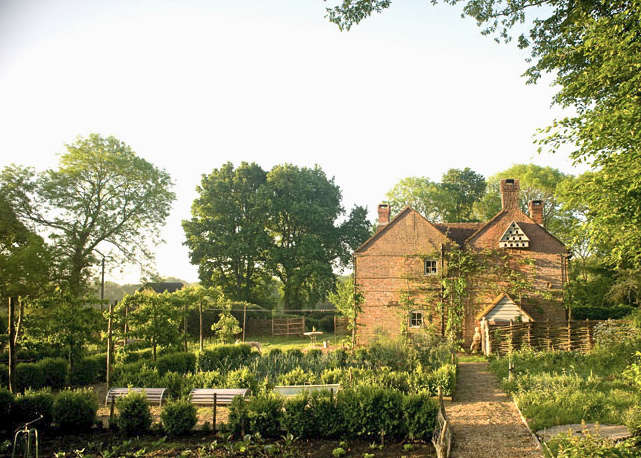
Some gardens whisper. The kitchen garden at Walnuts Farm practically leans over the fence and says, “Come in, bring a basket, and try not to trip over your own envy.” Set in the English countryside of East Sussex, this deeply charming farm garden has become a favorite inspiration for anyone who loves edible gardens that look as good as they taste. It is not slick, shiny, or overly manicured. Instead, it has that irresistible old-world mix of gravel paths, willow fencing, vegetables, flowers, useful tools, and just enough rustic disorder to make perfection feel relaxed.
The beauty of this look is that it is both romantic and practical. This is not a garden built only for photographs, although it certainly knows its angles. It is a working kitchen garden where lettuces, kale, runner beans, herbs, calendula, and other edible plants share space with trellises, woven borders, a dovecote, and farm-style details. In other words, it is the kind of garden that makes you want to cancel dinner reservations and announce, with dangerous confidence, “We’ll just eat from the garden tonight.”
If you want to steal this look for your own backyard, side yard, cottage garden, or suburban patch of lawn that currently does nothing but demand mowing, the secret is not copying every inch. The secret is borrowing the spirit: useful, pretty, local, layered, and just a little bit storybook.
What Makes the Walnuts Farm Kitchen Garden So Appealing?
The Walnuts Farm kitchen garden works because it understands a simple design truth: structure makes abundance look intentional. Vegetable gardens can become messy quickly. One week you have polite seedlings; the next week the zucchini is staging a small rebellion. At Walnuts Farm, rustic bones keep everything grounded. Gravel paths define movement. Woven willow and hazel fencing frames the beds. Trellises add height. The farmhouse, outbuildings, meadow, and working farm atmosphere give the whole scene a lived-in honesty.
This is the difference between “vegetable patch” and “kitchen garden.” A vegetable patch is where tomatoes happen. A kitchen garden is where tomatoes happen beautifully, with herbs nearby, flowers mingling in, birds visiting, and a basket waiting by the door like it has a tiny job title.
Start with the Layout: Order Before Abundance
To recreate the kitchen garden at Walnuts Farm, begin with the layout. Do not start by buying every seed packet with a watercolor carrot on the front. That way lies chaos, and possibly seven kinds of lettuce you cannot identify by June.
Instead, sketch the garden first. A classic kitchen garden benefits from straight paths, simple geometry, and beds you can reach without stepping into the soil. Raised beds or slightly mounded beds work especially well because they create clear planting zones and help the garden feel organized even when plants are bursting over the edges.
Use Simple Bed Shapes
Rectangular beds are the easiest to build and maintain. Keep them narrow enough so you can reach the center from either side. A width of about 3 to 4 feet is ideal for most home gardeners. If the bed is wider, you will eventually step into it “just once,” which becomes “every Tuesday,” and then your soil compaction problem has entered the chat.
For a Walnuts Farm-inspired look, arrange beds in a grid or loose courtyard pattern. Leave generous paths between them. A kitchen garden should invite daily harvesting, not require Olympic hurdling over kale.
Add a Central Moment
A central feature gives the garden a sense of arrival. This could be a small birdbath, a vintage urn, a tuteur covered with beans, a rustic obelisk, or even a large terra-cotta pot filled with herbs. The goal is not grandeur. The goal is a focal point that says, “Yes, this garden has a plan,” even if the nasturtiums later decide otherwise.
Choose Paths with Texture and Crunch
Crushed gravel paths are one of the most memorable elements of the Walnuts Farm look. Gravel is practical, drains well, suppresses mud, and gives the garden that satisfying underfoot crunch that makes even a quick parsley run feel like a scene from a countryside film.
For American gardens, pea gravel, decomposed granite, crushed limestone, or compacted stone dust can achieve a similar effect. Use landscape fabric cautiously; it can help under paths but should not be placed where you plan to improve soil health with compost and organic matter. Edge the paths with wood, brick, stone, or woven willow to keep gravel from migrating into the beds like tiny escape artists.
Build Rustic Borders with Willow, Hazel, or Local Materials
One of the signature details at Walnuts Farm is the use of natural woven fencing. Willow and hazel create a soft, handmade boundary between path and planting bed. The result feels old, useful, and charming without trying too hard. It is the garden equivalent of linen: rumpled, timeless, and somehow better when imperfect.
If willow or hazel is not easy to find in your area, look for local alternatives. Flexible young branches, bamboo, cedar stakes, pruned grapevines, or saplings can all create a similar woven effect. The key is to use natural materials that look like they belong in the landscape.
DIY Woven Edging Idea
Place sturdy stakes every 12 to 18 inches along the edge of a bed. Weave flexible rods in and out of the stakes, alternating direction as you build height. Keep the finished edge low, around 8 to 16 inches, so it defines the bed without making the garden feel fenced in. The result is practical, inexpensive, and charming enough to make plastic edging look like it has some explaining to do.
Plant for Beauty and Dinner
The best kitchen gardens do not divide plants into “useful” and “pretty.” They know better. Purple kale is both a vegetable and a drama queen. Red lettuce is salad and color. Calendula is cheerful, edible, and pollinator-friendly. Runner beans climb beautifully and produce food. Herbs bring fragrance, texture, and the smug joy of saying, “I grew this,” while sprinkling parsley on soup.
To steal the Walnuts Farm look, combine vegetables, herbs, edible flowers, and ornamental plants in the same beds. Think in layers: low lettuces at the front, upright kale and chard in the middle, climbing beans or peas on trellises, and flowers tucked wherever the garden needs a wink.
Best Plants for a Walnuts Farm-Inspired Kitchen Garden
Start with loose-leaf lettuce, butterhead lettuce, romaine, red oakleaf lettuce, kale, Swiss chard, peas, pole beans, bush beans, carrots, beets, radishes, and herbs such as parsley, thyme, sage, rosemary, dill, basil, and chives. Add edible flowers like calendula, nasturtium, violas, borage, and marigolds. For height, use runner beans, sweet peas, cucumbers, or climbing nasturtiums on trellises.
For extra visual impact, choose colorful varieties. Try dark purple kale, rainbow chard, red-veined sorrel, burgundy lettuce, purple basil, golden sage, and orange calendula. A kitchen garden should feed your family, but it may as well flirt with the camera while doing it.
Use Trellises to Add Height and Romance
Flat gardens can feel static. Trellises change everything. They add height, create shadows, support climbing crops, and make the garden feel like an outdoor room. At Walnuts Farm, low trellises and rustic supports help peas, beans, and flowers grow upward instead of sprawling across paths like botanical spaghetti.
For a similar effect, use wood obelisks, bamboo teepees, metal arches, cattle-panel tunnels, or handmade twig structures. Place taller supports at the back of beds or along paths where they can frame views. A bean-covered arbor at the entrance to a kitchen garden is especially effective. It says “welcome” and “dinner is climbing overhead,” which is a rare but excellent combination.
Do Not Forget the Birds
The dovecote at Walnuts Farm adds more than charm. It brings vertical interest and reinforces the old farm atmosphere. You do not need a formal dovecote to capture the idea. A birdhouse, birdbath, simple nesting box, or small water feature can bring life and movement to the garden.
Birds can help with insect control, and their presence makes a garden feel animated. Add shrubs, hedges, or small trees nearby for shelter. Just be realistic: birds are charming guests, not unpaid garden staff. They may eat pests, sing beautifully, and still steal a berry or two. That is the tax we pay for atmosphere.
Make Watering Practical but Pretty
A kitchen garden needs reliable water. The romantic version involves a galvanized watering can, morning light, and you looking peaceful. The realistic version involves July heat, drooping basil, and you wondering why hoses develop knots when no one is watching.
Use both beauty and practicality. Install drip irrigation or soaker hoses for consistent watering, especially in raised beds that dry out faster than in-ground beds. Keep a classic watering can nearby for seedlings, containers, and emergency plant drama. If you want the Walnuts Farm look, choose galvanized metal, aged copper, or muted green tools rather than bright plastic.
Build the Soil Before You Style the Garden
No amount of willow edging can rescue tired soil. A successful kitchen garden begins underground. Before planting, test your soil if possible. Add compost to improve structure, fertility, and moisture retention. Raised beds can be filled with a balanced mix of quality soil and compost, but avoid using pure compost alone because it can settle heavily and create nutrient imbalances.
Mulch is another quiet hero. Straw, shredded leaves, compost, or clean grass clippings help conserve moisture, reduce weeds, and keep soil from splashing onto leaves. In a Walnuts Farm-inspired garden, mulch also softens the space visually. It makes beds look cared for without making them look sterile.
Mix Flowers with Vegetables Like You Mean It
Flowers are not decorative extras in a kitchen garden. They are part of the engine. Calendula, nasturtium, zinnia, sweet alyssum, borage, dill flowers, and flowering herbs can attract pollinators and beneficial insects. They also break up the sea of green and make the garden feel abundant rather than strictly agricultural.
Try planting calendula near kale, nasturtiums along bed edges, basil around tomatoes, and sweet alyssum near peppers or eggplants. Let some herbs bloom. Dill, cilantro, chives, and parsley flowers can be beautiful and useful for beneficial insects. The result is a garden that buzzes, blooms, and occasionally looks like it dressed itself for brunch.
Keep the Look Relaxed, Not Messy
Walnuts Farm has a rustic look, but rustic does not mean neglected. The trick is to keep the permanent elements tidy while letting the plants be generous. Paths should be clear. Edges should be visible. Trellises should stand straight. Tools should have a home. Within that structure, plants can spill, lean, flower, and behave like plants rather than showroom props.
A good rule: tidy the bones, loosen the planting. If the paths are neat and the beds are defined, the garden can handle a little wildness. In fact, it needs it. Too much control and a kitchen garden loses its appetite.
Steal the Shopping List
To recreate the look, gather materials that feel natural, durable, and quietly old-fashioned. Start with gravel or decomposed granite for paths. Use cedar, locust, stone, brick, or woven branches for bed edging. Add bamboo canes, twig teepees, low metal trellises, or wooden obelisks. Include a galvanized watering can, a harvest basket, terra-cotta pots, twine, wooden plant labels, and a simple birdhouse or dovecote-inspired nesting box.
For planting, buy seed packets for lettuces, kale, peas, beans, calendula, nasturtium, dill, basil, parsley, chives, carrots, and radishes. If space allows, add artichokes, asparagus, rhubarb, berries, or dwarf fruit trees around the edges. Choose what your household actually eats. A garden full of gorgeous vegetables nobody likes is not a kitchen garden; it is an outdoor guilt museum.
How to Adapt the Look for a Small American Backyard
You do not need five acres, an English farmhouse, or a dovecote with aristocratic confidence. A 10-by-12-foot space can capture the same mood. Use four raised beds with gravel paths in between. Add a central pot of rosemary or bay. Put a small arbor at the entrance and train beans over it. Edge one bed with woven branches. Plant lettuce, kale, herbs, calendula, and nasturtiums in blocks of color.
If you only have a patio, use galvanized tubs, half barrels, or deep containers. Group them tightly, add a small trellis, and use gravel or brick underfoot. The principle remains the same: structure, edible abundance, natural materials, and a few details that make the space feel loved.
Maintenance Tips for Keeping the Garden Beautiful
A kitchen garden is not a one-and-done project. It is a relationship, and like all relationships, it improves when you show up regularly and do not ignore small problems until they become emotionally complicated.
Harvest often. Leafy greens, herbs, beans, peas, and edible flowers usually perform better when picked regularly. Weed when weeds are small. Water deeply rather than giving plants a quick sprinkle. Refresh mulch as it breaks down. Replace finished crops with new seedlings so the beds stay productive. Sow lettuce, radishes, herbs, and greens in succession for a longer harvest season.
At the end of the season, remove diseased plant material, compost healthy debris, clean tools, and make notes. Write down what grew well, what failed dramatically, and which crop your family ignored with suspicious commitment. Next year’s garden will be better because this year’s garden told you the truth.
Experiences from Recreating the Walnuts Farm Kitchen Garden Look
The first experience most gardeners have when trying to recreate the Walnuts Farm look is a sudden and slightly dangerous confidence. You see the gravel paths, woven edging, soft greens, and rustic trellises and think, “How hard can this be?” Then you price out gravel, discover your yard is not level, and realize that willow rods do not magically weave themselves while you drink iced tea. This is normal. Every charming garden has a behind-the-scenes department, and that department is usually wearing muddy shoes.
The most useful lesson is to build slowly. Start with one path and two beds instead of trying to transform the whole yard in a single weekend. A small, finished kitchen garden is more satisfying than a huge half-built one that makes you avoid eye contact with your own backyard. Begin near the kitchen door if possible. Convenience matters. When herbs and greens are close, you use them. When they are at the far end of the property, they become scenic lettuce.
Another experience: natural materials age beautifully, but they are not immortal. Woven edging may loosen. Wooden stakes may lean. Gravel may wander. This is not failure; it is maintenance. The Walnuts Farm style actually benefits from a little weathering. Freshly installed rustic features can look too new, like they are auditioning for a catalog. After a season of rain, sun, and plant growth, the materials settle into the garden and begin to look as if they have always belonged there.
Planting is where the real joy begins. A bed of mixed lettuce, calendula, kale, and herbs changes every week. The colors deepen, the textures overlap, and suddenly the garden feels alive in a way that a plain lawn never does. Harvesting becomes part of daily life. You step outside for basil and return with basil, chives, a few lettuce leaves, and probably a radish you pulled up just because it looked ready for its moment.
There will also be comedy. Beans will climb the wrong support. Nasturtiums will sprawl with the confidence of houseguests who have no departure date. Birds may inspect your work and offer no feedback. A watering can will look beautiful until you realize drip irrigation is doing most of the real labor. Still, these little imperfections are part of the charm. A kitchen garden is not a showroom. It is a place where dinner, design, weather, insects, ambition, and compost all negotiate daily.
The best experience is the shift in how you see the garden. It stops being a project and becomes a pantry, a retreat, a design experiment, and a small daily pleasure. You notice which flowers attract bees. You learn which lettuce bolts first. You discover that purple kale looks dramatic in morning light and surprisingly respectable in soup. You begin to understand why the Walnuts Farm kitchen garden is so memorable: it does not separate beauty from usefulness. It lets them grow together, side by side, with gravel underfoot and dinner waiting in the leaves.
Conclusion
Stealing the look of the kitchen garden at Walnuts Farm is not about pretending your backyard is an English smallholding. It is about creating a garden that feels useful, soulful, and beautiful in every season. With gravel paths, natural edging, raised beds, trellises, edible flowers, herbs, leafy greens, and a few rustic details, you can build a space that feeds both the table and the imagination.
The real magic is balance. Give the garden strong bones, then let the plants soften them. Choose practical materials, but make them beautiful. Grow food, but do not forget flowers. Add charm, but keep the hose handy. A kitchen garden should make life easier, tastier, and just a little more poetic. If it also makes your neighbors pause at the fence and ask what you are growing, congratulations. You have officially stolen the look.