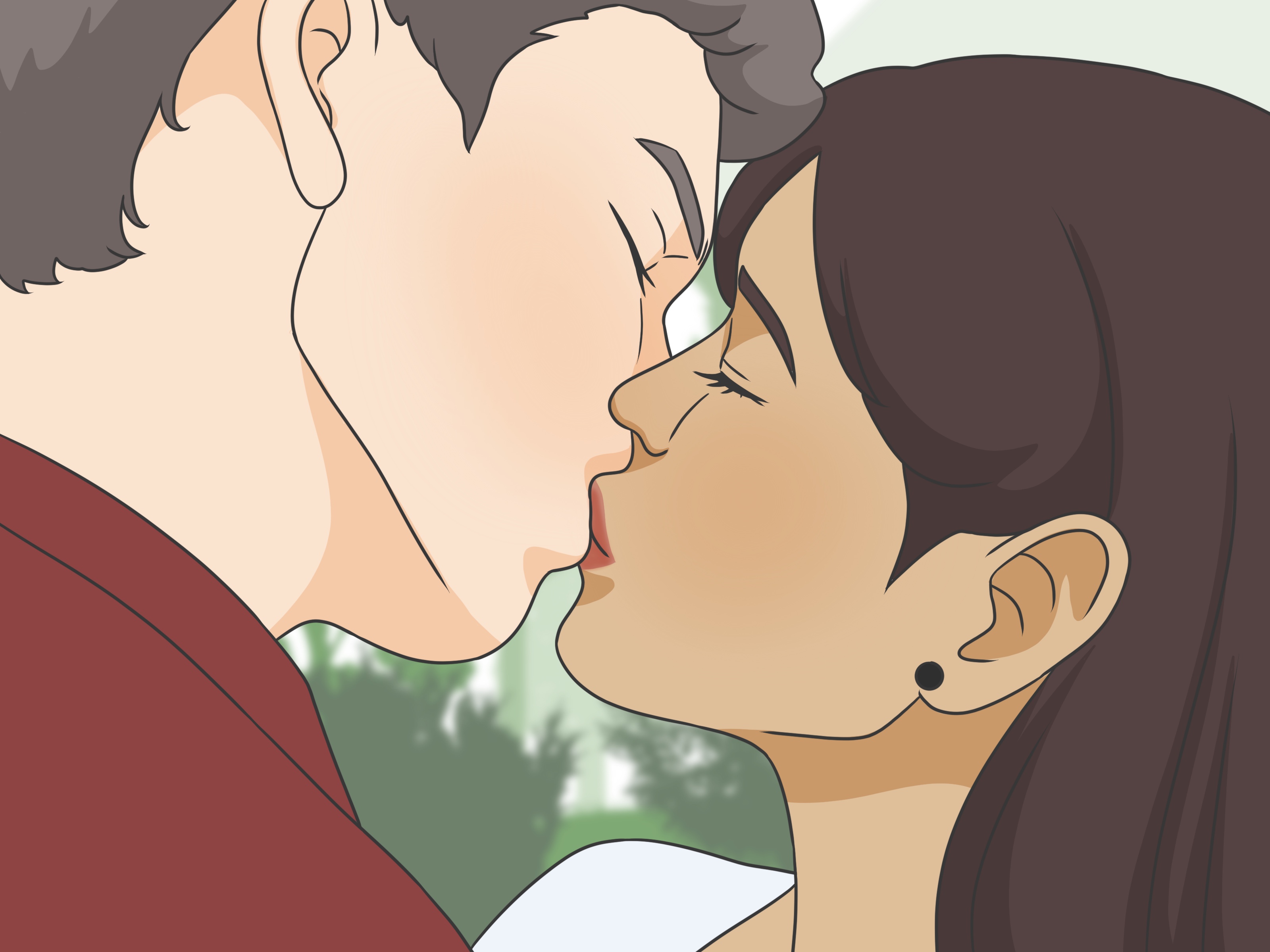
A first date can feel like a tiny romantic obstacle course. You are trying to be charming, listen well, avoid spinach in your teeth, and decide whether the night should end with a hug, a handshake, a wave from across the parking lot, or the famous first date kiss. No pressure, right?
So, should you kiss on the first date? The honest answer is: maybe. A kiss on the first date can be sweet, exciting, and clarifying when both people want it. It can also feel rushed, awkward, or uncomfortable when the timing is wrong. The real question is not whether kissing on a first date is “good” or “bad.” The better question is whether the kiss fits the connection, the comfort level, and the consent of both people.
This guide breaks down the pros, cons, signs, boundaries, and real-life advice you need before leaning in. Think of it as your friendly field manual for modern dating, minus the dramatic movie soundtrack and the suspiciously perfect rainstorm.
Is It Normal to Kiss on the First Date?
Yes, it is normal to kiss on the first date. It is also normal not to. Dating culture has changed a lot, and there is no universal rule that says a successful first date must end with a kiss. Some people see a first kiss as a natural way to test romantic chemistry. Others prefer to wait until they know the person better. Both approaches are valid.
The healthiest way to think about a first date kiss is as an option, not an obligation. If the conversation flows, the body language is warm, and the attraction feels mutual, a kiss might be a lovely ending. If one person seems unsure, distracted, tired, or simply not ready, skipping the kiss can be the more respectful and attractive choice.
In other words, kissing on the first date is not a pass-or-fail exam. Nobody is standing nearby with a clipboard judging your romantic performance. The goal is connection, not choreography.
The Pros of Kissing on the First Date
1. A Kiss Can Confirm Romantic Chemistry
Sometimes a date is pleasant, funny, and perfectly polite, but the romantic spark is about as powerful as a phone battery at 2%. A kiss can help clarify whether there is genuine physical chemistry. It does not tell you everything about long-term compatibility, but it can reveal whether the attraction feels mutual and natural.
A good first kiss can create that little “Oh, okay, there is something here” moment. It may make both people more excited about seeing each other again. It can also help move the connection out of the friendly interview zone and into romantic territory.
2. It Can Communicate Interest Without a Long Speech
If both people are comfortable, a kiss can say, “I enjoyed this, and I am interested,” without requiring a five-minute closing statement like a courtroom lawyer. Dating already comes with enough overthinking. A warm, consensual kiss can make your interest clear in a simple and memorable way.
Of course, a kiss should not replace communication entirely. You can still send a follow-up text afterward. Something like, “I had a great time tonight” works wonders and does not require a team of poets.
3. It Can Create a Memorable Ending
People often remember how a date ends. A respectful, well-timed kiss can leave both people smiling on the way home. It gives the evening a sense of emotional punctuation, like a period, an exclamation mark, or if the kiss is truly spectacular, maybe even fireworks written in cursive.
That said, memorable does not always mean dramatic. A short, sweet kiss can be more meaningful than a movie-style performance that makes nearby pedestrians uncomfortable.
4. It Can Reduce Uncertainty
Modern dating can be confusing. Did they like you? Were they just being polite? Was that eye contact romantic or were they trying to read the dessert menu behind your head? A mutual first date kiss can reduce some of that uncertainty by showing shared attraction.
Still, do not treat a kiss as a binding contract for a second date. Some people kiss because they feel chemistry in the moment but later decide the match is not right. A kiss is a sign of interest, not a legal document filed with the Department of Romance.
The Cons of Kissing on the First Date
1. It Can Feel Rushed
For many people, attraction builds slowly. They may need more conversation, more trust, or simply more time before physical affection feels natural. If you kiss too soon, even with good intentions, the other person might feel pressured or misunderstood.
This is especially true when the date has been short, awkward, or emotionally neutral. A kiss should not be used to force chemistry that has not appeared. If the vibe is not there, do not try to summon it with your lips like a romantic wizard.
2. It Can Blur Your Judgment
A great kiss can be powerful. It can make you overlook signs that the person may not be compatible with your values, goals, or communication style. Physical chemistry is exciting, but it is not the same as emotional safety, shared priorities, or kindness.
That amazing kiss might belong to someone who is rude to servers, talks only about themselves, or thinks “I will text you soon” means sometime between now and the next solar eclipse. Enjoy chemistry, but do not let it do all your decision-making.
3. It Can Create Mixed Signals
Some people read a first date kiss as strong romantic interest. Others see it as casual and exploratory. If your intentions are unclear, a kiss can sometimes lead to mismatched expectations. One person may think, “This is going somewhere,” while the other thinks, “Nice evening, let’s see.”
You do not need to define the entire relationship before a goodnight kiss, but it helps to be emotionally honest. If you know you are not interested in seeing someone again, kissing them just to avoid awkwardness is usually not kind.
4. There Are Health Considerations
Kissing is generally lower risk than many other forms of intimacy, but it is not completely risk-free. Illnesses that spread through saliva, such as mono, cold viruses, and some infections, can be passed through kissing. Cold sores are another reason to pause. If you or your date has visible symptoms, it is better to wait.
This does not mean you should approach dating like a medical documentary. It simply means common sense matters. Feeling sick? Skip the kiss. Notice a cold sore? Wait. Want to be extra considerate? Say, “I would love to kiss you, but I am getting over something, so I do not want to risk passing it along.” That is not unromantic. That is responsible, and frankly, very adult.
How to Know If You Should Kiss on the First Date
Look for Mutual Energy
A first date kiss should feel like something both people are moving toward, not something one person suddenly launches like a surprise attack. Look for signs of mutual interest: steady eye contact, relaxed posture, playful conversation, lingering at the end of the date, and a general sense that neither person is rushing away.
But remember, body language is not a crystal ball. Someone may smile because they are interested, or because they are polite, nervous, or wondering where they parked. Nonverbal cues help, but they are not a substitute for consent.
Ask in a Natural Way
Asking before a kiss does not ruin the mood. Done well, it can make the moment more attractive because it shows confidence, respect, and emotional intelligence. Try simple lines like:
- “I had a really good time tonight. Can I kiss you?”
- “I would love to kiss you, if you are comfortable with that.”
- “Would a goodnight kiss be okay?”
The key is to ask warmly, then accept the answer gracefully. If they say yes, great. If they say no or hesitate, smile and say something like, “No worries at all. I still had a great time.” Congratulations, you have just demonstrated more maturity than half the internet.
Pay Attention to the Setting
Where you are matters. A quiet sidewalk outside a restaurant may feel comfortable. A crowded subway platform, a loud bar entrance, or the front door while their roommate is watching through the blinds may not be ideal.
Privacy, safety, and comfort make a big difference. A first kiss does not need cinematic perfection, but it should not feel like a public performance. Choose a moment where both people can relax.
Trust Your Gut, Not Your Ego
There is a difference between wanting to kiss someone because the connection feels mutual and wanting to kiss someone because you think you are “supposed to.” Do not kiss just to prove confidence. Do not kiss because your friends told you that every good first date must end that way. And definitely do not kiss because you panic and your brain yells, “Do something romantic!”
Trust your gut. If the moment feels warm, respectful, and mutual, a kiss may be right. If you feel unsure, waiting is not a failure. Sometimes the most attractive move is patience.
When You Should Not Kiss on the First Date
You should not kiss on the first date if the other person seems uncomfortable, avoids closeness, gives short answers, steps back, turns their face away, or says they are not ready. You should also skip it if there has been too much alcohol, if either person feels pressured, or if the date has not gone well.
A kiss should never be used to rescue a bad date. If the conversation was stiff, the values did not match, or one of you spent the whole evening checking your phone, a kiss will not magically transform the night. At best, it will be confusing. At worst, it will feel disrespectful.
Also, do not kiss someone who has already said no to other forms of affection. If they did not want to hold hands, did not want another drink, or clearly wanted to end the night, respect that pattern. Boundaries are not puzzles to solve. They are information to honor.
First Date Kiss Advice for Different Situations
If the Date Went Amazing
If the conversation flowed, the laughter felt easy, and you both lingered at the end, a kiss may be a natural next step. Keep it simple. A gentle goodnight kiss is usually better than going straight into passionate movie-trailer mode. Leave them wanting date number two, not wondering whether they need a rescue helicopter.
If You Are Interested but Unsure
There is nothing wrong with waiting. You can say, “I had a great time, and I would love to see you again.” That communicates interest without physical pressure. Sometimes anticipation makes the eventual first kiss even better.
If They Want to Kiss but You Do Not
Be kind but clear. Try, “I had a nice time, but I am not ready to kiss yet,” or “I like to take things a little slower.” You do not owe a long explanation. The right person will respect your pace. The wrong person may complain, sulk, or act offended, which is useful information disguised as bad behavior.
If the Kiss Was Awkward
An awkward first kiss does not automatically mean there is no chemistry. Nerves happen. Timing gets weird. Teeth occasionally make surprise appearances. If the date was otherwise strong, give the person another chance. First kisses are not always perfect indicators of future connection.
What a First Date Kiss Really Means
A first date kiss can mean attraction, curiosity, excitement, or a desire to explore more. It does not always mean commitment, exclusivity, or guaranteed romance. People attach different meanings to physical affection, so avoid assuming too much too quickly.
The best follow-up is simple communication. If you liked the date, say so. If you want to see them again, suggest a plan. A thoughtful text the next day can do more for momentum than analyzing the kiss like a detective with a corkboard and red string.
Experiences and Real-Life Lessons About Kissing on the First Date
One common experience is the “perfect date, no kiss” scenario. Two people meet for coffee, the conversation runs long, and both laugh more than expected. At the end, one person wants to kiss, but the other gives a warm hug instead. It can be tempting to interpret that as rejection, but it may simply mean they move slowly. Many strong relationships begin with restraint. A first date without a kiss can still be a first date with real potential.
Another familiar situation is the “good kiss, wrong person” experience. The chemistry is immediate, the kiss is exciting, and for a moment everything feels promising. Then, over the next few days, the texts become inconsistent, the conversation feels shallow, or important differences show up. This is where many daters learn an important lesson: physical spark is valuable, but it is only one piece of compatibility. A kiss can open the door, but character decides whether you want to walk through it.
There is also the “asked first, got a yes” experience, which many people remember positively. Someone says, “Can I kiss you?” and instead of making things awkward, it creates a moment of sweetness. The question itself shows confidence and care. It gives the other person a choice, and that choice can make the kiss feel more relaxed. In modern dating, respectful directness often feels refreshing because it removes the guessing game.
Then there is the “I wish I had said no” experience. A person may agree to a kiss because they feel nervous, do not want to disappoint their date, or are unsure how to refuse. Later, they realize they were not ready. This is why consent should be enthusiastic, not reluctant. If you are the one initiating, look for comfort, not just permission. If you are the one receiving, remember that you are allowed to pause, decline, or change your mind.
Some daters discover that their best first kisses happen when they stop trying to manufacture them. Instead of planning the exact angle, timing, and background music, they focus on being present. They listen well, flirt naturally, and notice how the other person responds. If the moment appears, they ask or lean in slowly with clear awareness. If it does not, they end the date warmly and leave space for next time.
Finally, many people learn that the real magic is not the kiss itself but the respect around it. A person who handles a “not tonight” with kindness often becomes more attractive. A person who pressures, pouts, or jokes bitterly about being rejected often reveals that the kiss was more about ego than connection. In dating, how someone responds to boundaries can tell you far more than how smoothly they flirt.
Conclusion: So, Should You Kiss on the First Date?
You should kiss on the first date if the chemistry feels mutual, the timing feels natural, and both people clearly want it. You should not kiss on the first date if there is pressure, uncertainty, discomfort, illness, or a lack of genuine connection. A first date kiss can be wonderful, but it is not required for romance to grow.
The best advice is simple: prioritize comfort over performance, consent over guessing, and connection over rules. A respectful first date kiss can spark excitement. A respectful decision to wait can build anticipation. Either way, the right move is the one that leaves both people feeling safe, valued, and interested in what comes next.
And if the night ends with a hug, a smile, and a “text me when you get home,” do not underestimate it. Sometimes romance begins not with fireworks, but with emotional intelligence. Which, honestly, is much harder to find than fireworks.