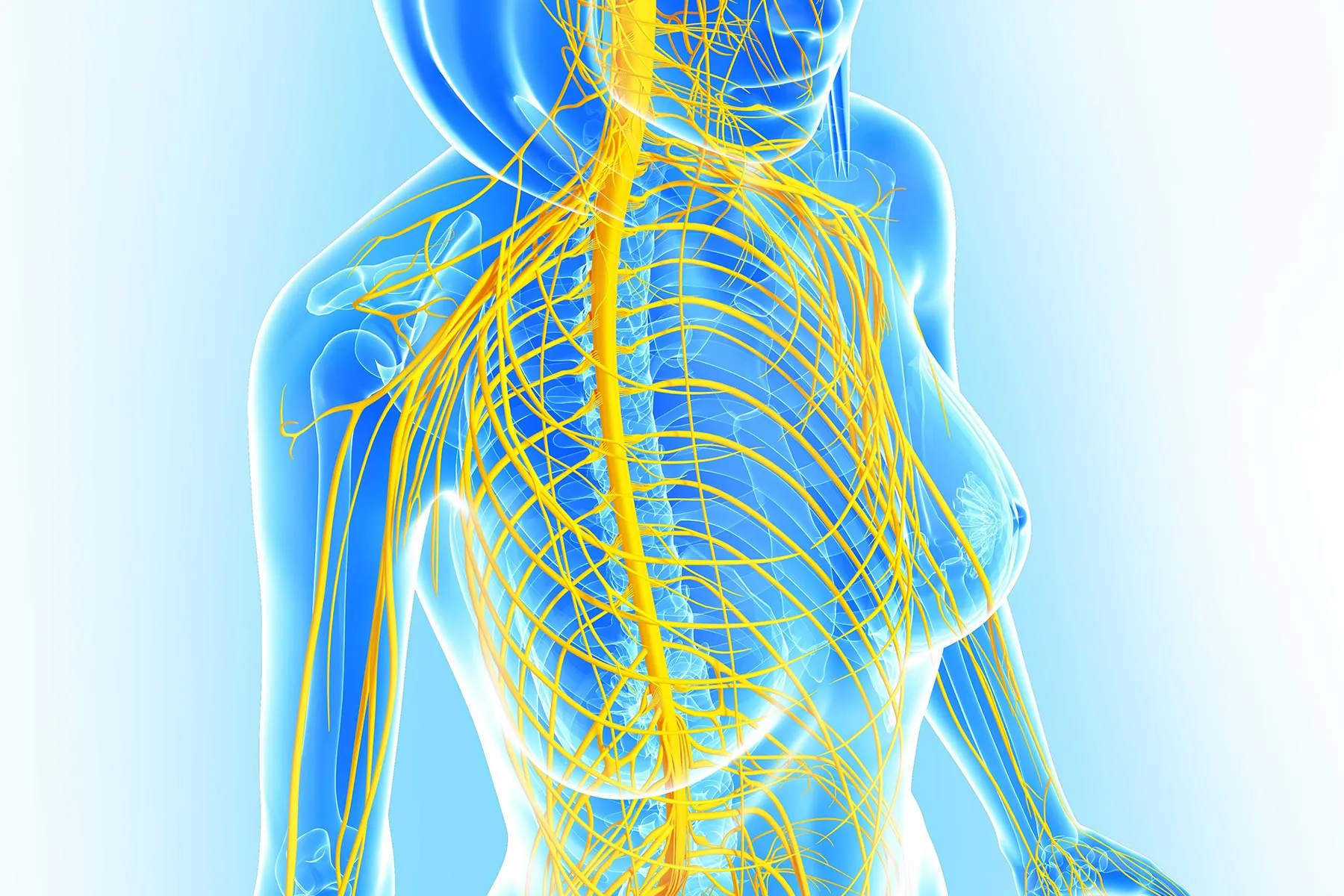
The human nervous system is the body’s command center, communication network, security camera, emergency alarm, and customer service hotline all rolled into one. It tells your lungs to breathe, your hand to pull away from a hot pan, your stomach to complain when lunch is late, and your brain to remember where you left your keysusually after you have already blamed someone else.
In human anatomy, the nervous system includes the brain, spinal cord, nerves, and sensory organs that gather information from inside and outside the body. It controls voluntary actions, such as walking and typing, and involuntary actions, such as heartbeat, digestion, sweating, and blood pressure. When it works well, you barely notice it. When something goes wrong, the effects can touch movement, speech, memory, mood, balance, sensation, and even breathing.
This guide explains the nervous system’s major organs, divisions, functions, common diseases, warning signs, and real-life experiences that make this remarkable system easier to understand.
What Is the Nervous System?
The nervous system is a complex network of specialized cells and tissues that send, receive, and process signals throughout the body. Its main job is communication. It gathers information, interprets it, and produces a response. For example, when you step on a sharp pebble, sensory nerves send the message upward, the spinal cord and brain process the danger, and motor nerves tell your foot to move. Ideally, this happens before you have time to yell something dramatic.
The basic working cell of the nervous system is the neuron, or nerve cell. Neurons use electrical and chemical signals to communicate. They connect with other neurons, muscles, and glands through tiny gaps called synapses. Supporting cells, known as glial cells, help protect, nourish, and insulate neurons. One important insulating material is myelin, a fatty covering that helps nerve signals travel quickly and efficiently.
Main Divisions of the Nervous System
Central Nervous System
The central nervous system, often shortened to CNS, includes the brain and spinal cord. Think of it as the body’s main office. The brain interprets information, makes decisions, stores memories, coordinates movement, manages emotions, and regulates essential body functions. The spinal cord acts like a major highway between the brain and the rest of the body.
Peripheral Nervous System
The peripheral nervous system, or PNS, includes the nerves outside the brain and spinal cord. These nerves branch throughout the body, reaching the skin, muscles, joints, organs, face, arms, legs, fingers, and toes. The PNS carries sensory information toward the central nervous system and sends motor instructions back out.
Somatic Nervous System
The somatic nervous system controls voluntary movement and carries sensory information from the skin, muscles, and joints. When you wave, run, stretch, chew, or scroll your phone with alarming dedication, your somatic nervous system is involved.
Autonomic Nervous System
The autonomic nervous system controls automatic body functions you do not consciously manage. It regulates heart rate, breathing rhythm, blood pressure, digestion, pupil size, body temperature, sweating, and bladder function. It has two major branches: the sympathetic nervous system and the parasympathetic nervous system.
The sympathetic nervous system prepares the body for stress or danger. It raises heart rate, widens airways, releases stored energy, and creates the classic “fight-or-flight” response. The parasympathetic nervous system helps the body rest, digest, recover, and conserve energy. In a healthy body, these two systems work like a well-trained comedy duo: one creates urgency, the other calms everyone down.
Major Organs and Structures of the Nervous System
The Brain
The brain is the most complex organ in the nervous system. It controls thought, memory, emotion, movement, speech, sensation, breathing, hunger, sleep, and decision-making. It is protected by the skull, cushioned by cerebrospinal fluid, and covered by protective membranes called meninges.
The cerebrum is the largest part of the brain. It supports thinking, reasoning, learning, emotion, voluntary movement, language, vision, hearing, touch, and problem-solving. The cerebellum, located toward the back of the brain, helps coordinate balance, posture, fine motor control, and smooth movement. The brainstem connects the brain to the spinal cord and manages vital automatic functions, including breathing, heart rate, swallowing, and sleep-wake cycles.
The Spinal Cord
The spinal cord is a long column of nerve tissue running from the brainstem down through the spine. It carries messages between the brain and body and also manages reflexes. A reflex is a fast, automatic response, such as pulling your hand away from a hot surface before your brain has finished writing a full complaint letter.
Because the spinal cord handles major communication routes, injury or disease affecting it can cause weakness, numbness, pain, changes in bladder or bowel control, paralysis, or breathing problems depending on the level and severity of damage.
The Nerves
Nerves are bundles of nerve fibers that transmit signals. Cranial nerves connect directly to the brain and help control smell, taste, hearing, facial movement, eye movement, swallowing, and sensation in the head and neck. Spinal nerves branch from the spinal cord and travel throughout the body.
Nerves can be sensory, motor, or mixed. Sensory nerves carry information toward the central nervous system, such as pain, pressure, temperature, and body position. Motor nerves send instructions from the central nervous system to muscles and glands. Mixed nerves do both, which is basically multitasking without asking for applause.
Sensory Organs
The eyes, ears, nose, tongue, skin, and balance structures inside the inner ear are closely connected to the nervous system. They collect information from the environment and convert it into signals the brain can understand. Sight, hearing, taste, smell, touch, pain, temperature, balance, and body position all depend on nervous system activity.
Key Functions of the Nervous System
1. Sensation
The nervous system detects internal and external changes. It senses light, sound, smell, taste, touch, pressure, pain, heat, cold, and movement. This sensory information helps the body respond appropriately. For example, pain is unpleasant, but it is also protective. Without pain signals, you might not notice an injury until your body sends a much more expensive reminder.
2. Movement
Movement depends on communication between the brain, spinal cord, nerves, and muscles. The motor areas of the brain plan and initiate movement, the cerebellum refines coordination, the spinal cord carries signals, and peripheral nerves activate muscles. Walking, writing, speaking, blinking, and smiling all require precise nervous system teamwork.
3. Automatic Body Control
The autonomic nervous system manages functions necessary for survival. It helps control heart rate, breathing, blood pressure, digestion, body temperature, sweating, salivation, pupil size, and urination. These processes continue while you sleep, work, exercise, panic during tax season, or pretend to understand a complicated group chat.
4. Thinking, Memory, and Emotion
The brain allows humans to learn, remember, plan, imagine, feel, and communicate. Nervous system activity supports attention, decision-making, personality, mood, creativity, and emotional regulation. When brain circuits are disrupted by injury, disease, infection, or chemical imbalance, changes in memory, behavior, mood, or thinking can occur.
5. Homeostasis
Homeostasis means keeping the body’s internal environment stable. The nervous system works with the endocrine system to regulate temperature, fluid balance, hunger, thirst, sleep, blood pressure, and stress responses. In simple terms, it helps keep the body from turning into biological chaos with shoes on.
Common Nervous System Diseases and Disorders
Stroke
A stroke happens when blood flow to part of the brain is blocked or when bleeding occurs in the brain. Brain cells need oxygen and nutrients from blood, so a stroke is a medical emergency. Symptoms may include sudden weakness or numbness on one side of the body, trouble speaking, confusion, vision problems, dizziness, loss of balance, or a sudden severe headache. Fast treatment can reduce brain damage and improve recovery.
Epilepsy
Epilepsy is a neurological disorder involving recurrent seizures. A seizure occurs when abnormal electrical activity disrupts normal brain function. Seizures can look very different from person to person. Some cause shaking and loss of consciousness, while others cause staring spells, confusion, unusual sensations, or brief changes in awareness.
Multiple Sclerosis
Multiple sclerosis, or MS, is an immune-mediated disease that affects the central nervous system. In MS, immune activity damages myelin, disrupting communication between the brain, spinal cord, and body. Symptoms may include vision changes, numbness, weakness, fatigue, balance problems, muscle stiffness, pain, bladder issues, and cognitive changes. MS is unpredictable, and symptoms can vary widely.
Parkinson’s Disease
Parkinson’s disease is a progressive nervous system disorder that mainly affects movement. Common symptoms include tremor, stiffness, slow movement, balance problems, smaller handwriting, reduced facial expression, and changes in walking. Many symptoms are related to loss of dopamine-producing neurons in parts of the brain involved in movement control.
Alzheimer’s Disease and Other Dementias
Alzheimer’s disease is a brain disorder that gradually affects memory, thinking, language, judgment, and daily functioning. It is the most common cause of dementia. While occasional forgetfulness is normal, progressive memory loss that disrupts daily life should be evaluated by a healthcare professional.
Peripheral Neuropathy
Peripheral neuropathy occurs when peripheral nerves are damaged. It can cause numbness, tingling, burning pain, weakness, sensitivity, or poor coordination, often starting in the feet or hands. Diabetes is a common cause, but neuropathy can also result from infections, injuries, autoimmune conditions, vitamin deficiencies, toxins, medications, or inherited disorders.
Migraine
Migraine is a neurological condition that can cause moderate to severe headache, nausea, sensitivity to light or sound, and sometimes visual or sensory changes called aura. It is not “just a headache.” For many people, migraine affects work, school, family life, and sleep.
Meningitis
Meningitis is inflammation of the membranes surrounding the brain and spinal cord. It may be caused by viruses, bacteria, fungi, or other factors. Symptoms can include fever, severe headache, stiff neck, confusion, nausea, vomiting, light sensitivity, or rash. Bacterial meningitis can become life-threatening quickly and requires urgent care.
Spinal Cord Injury
A spinal cord injury can result from trauma, disease, infection, tumors, or reduced blood flow. Depending on the location and severity, it may cause loss of movement, loss of sensation, pain, breathing difficulty, or changes in bladder and bowel function. Rehabilitation, assistive devices, surgery, medication, and long-term care may be part of treatment.
Warning Signs You Should Not Ignore
Some nervous system symptoms need prompt medical attention. These include sudden weakness, facial drooping, confusion, trouble speaking, sudden vision loss, severe headache, seizure, fainting, new difficulty walking, loss of balance, numbness on one side of the body, sudden severe back pain with weakness, or loss of bladder or bowel control.
Other symptoms may not be emergencies but still deserve evaluation, especially if they are new, persistent, worsening, or interfering with daily life. Examples include tremor, memory problems, chronic numbness, recurring dizziness, unexplained muscle weakness, nerve pain, frequent migraines, or changes in coordination.
How Doctors Evaluate Nervous System Problems
A neurological evaluation often begins with a medical history and physical exam. A clinician may check reflexes, strength, sensation, coordination, walking pattern, eye movements, speech, memory, and balance. Depending on symptoms, tests may include blood work, imaging such as MRI or CT scans, electroencephalography for brain electrical activity, electromyography for muscle and nerve function, nerve conduction studies, lumbar puncture, or genetic testing.
Treatment depends on the condition. Some nervous system disorders are treated with medication, physical therapy, occupational therapy, speech therapy, surgery, lifestyle changes, rehabilitation, assistive technology, or long-term monitoring. Early diagnosis can make a major difference, especially for stroke, infections, tumors, seizures, spinal cord compression, and progressive neurological diseases.
How to Support Nervous System Health
No lifestyle habit can guarantee a perfect nervous system, but many choices help protect brain, spinal cord, and nerve health. Regular physical activity improves blood flow, supports balance, and helps manage blood pressure, blood sugar, sleep, and mood. A nutritious diet with vegetables, fruits, whole grains, lean proteins, healthy fats, and adequate vitamins supports nerve function and overall health.
Sleep is another major player. The brain uses sleep to support memory, learning, emotional regulation, and repair processes. Chronic poor sleep can affect concentration, mood, reaction time, and overall function. Stress management also matters because long-term stress can keep the body’s alarm system turned on too often.
Protecting the nervous system also means wearing seat belts, using helmets, preventing falls, managing diabetes and blood pressure, avoiding smoking, limiting alcohol, staying socially connected, and seeking medical care for concerning symptoms. Your nervous system is durable, but it is not a phone case. It deserves protection before something cracks.
Real-Life Experiences: Understanding the Nervous System in Daily Life
One of the easiest ways to appreciate the nervous system is to notice how often it quietly saves the day. Imagine waking up in the morning. Before you even open your eyes, your brainstem has kept you breathing all night. Your autonomic nervous system has adjusted your heart rate and blood pressure. Your inner ear helps you sit up without tipping over like a sleepy flamingo. Your eyes collect light, your brain interprets shapes, and your memory reminds you whether today is a workday or a precious day to ignore alarms.
Now picture reaching for a hot cup of coffee. Sensory nerves in your fingers detect warmth. If the cup is too hot, the message travels quickly through peripheral nerves to the spinal cord and brain. Your muscles respond, and you loosen your grip before serious injury occurs. That small moment involves sensation, reflexes, motor control, judgment, memory, and maybe a little emotional pain if the coffee spills. The nervous system turns a normal kitchen moment into a high-speed safety operation.
Another everyday example is walking down stairs while talking to someone. Your brain plans movement, your cerebellum fine-tunes balance, your spinal cord carries signals, your eyes judge distance, your inner ear senses motion, and sensory nerves in your feet report pressure and position. You do not consciously calculate each step. You simply move. That smooth performance is the result of constant communication between multiple nervous system structures.
People often become aware of the nervous system when something feels “off.” A hand that tingles after sleeping in a strange position shows how pressure can temporarily affect nerves. A migraine can demonstrate how neurological conditions involve more than pain, sometimes bringing nausea, light sensitivity, visual changes, and fatigue. A panic response shows the sympathetic nervous system in action: racing heart, sweaty palms, faster breathing, and tense muscles. The body is not being dramatic; it is running an ancient survival program, even if the “danger” is an email marked urgent.
Experiences with neurological illness can be life-changing. Someone recovering from a stroke may need to relearn speech, hand movement, or balance. A person with MS may manage unpredictable fatigue or numbness. Someone with Parkinson’s disease may notice that movements once automatic now require focus and time. A person with peripheral neuropathy may feel burning pain in the feet that affects sleep and walking. These experiences remind us that the nervous system is not an abstract diagram in a textbook. It is deeply personal. It shapes independence, communication, work, hobbies, relationships, and confidence.
Caregivers also experience the nervous system’s importance up close. Helping a loved one with dementia, seizures, spinal cord injury, or a movement disorder requires patience, education, and emotional resilience. Small improvements can feel enormous: a clearer sentence, a steadier step, fewer symptoms, better sleep, or a successful therapy session. Nervous system recovery and management often happen gradually, but progress is still progress, even when it arrives wearing tiny shoes.
The most practical lesson is this: listen to your body. New neurological symptoms should not be brushed aside, especially when they appear suddenly or worsen over time. At the same time, nervous system health is supported by ordinary daily habitssleep, movement, balanced meals, stress control, medical checkups, and injury prevention. Your nervous system works for you every second. Giving it care is not fancy wellness theater; it is basic maintenance for the body’s most impressive communication network.
Conclusion
The nervous system is the body’s master communication system. It includes the brain, spinal cord, peripheral nerves, autonomic nerves, and sensory organs. Together, these structures control movement, sensation, thought, emotion, memory, organ function, balance, reflexes, and survival processes.
Understanding nervous system anatomy makes common symptoms easier to recognize. Tingling, weakness, tremor, confusion, severe headache, balance trouble, or changes in speech can point to problems in different parts of the nervous system. Some symptoms are mild and temporary, while others require emergency care. The smartest approach is not fear; it is awareness.
From blinking and breathing to learning and laughing, the nervous system keeps life running in the background. It is fast, complex, adaptable, and occasionally responsible for making you jump at a toaster noise. Treat it well, protect it from injury, and pay attention when it sends signals that something is wrong.
Note: This content is for general educational purposes only and does not replace professional medical advice, diagnosis, or treatment. Anyone with sudden or concerning neurological symptoms should seek medical care promptly.