There are two kinds of drawers in this world: the ones that make you feel like you have your life together, and the ones that contain three pens, a soy sauce packet, an expired coupon, a rubber band fossil, and one mysterious battery that fits absolutely nothing. A good drawer divider can turn that daily scavenger hunt into something a lot more civilized. And no, it does not require a luxury pantry, a color-coded label maker, or the emotional strength of a professional organizer.
This drawer divider roundup looks at what actually works in real homes. Instead of pretending one organizer can magically solve every clutter problem, the smarter approach is to match the divider style to the drawer’s job. A flatware drawer needs a different setup than a bathroom vanity, a desk drawer, or the notorious junk drawer that seems to reproduce twist ties overnight. The best drawer organizers create zones, make items easy to grab, and help keep clutter from staging a comeback two days later.
If you are shopping for the best drawer dividers, here is the big takeaway: measure first, choose materials second, and buy according to what you store, not what looked pretty in a product photo. That one rule alone can save you money, frustration, and the deeply humbling experience of returning an organizer that is exactly half an inch too tall.
What Makes a Great Drawer Divider?
The best drawer divider is not always the fanciest one. It is the one that fits your drawer, holds steady, and creates compartments that make sense for your stuff. Expandable bamboo dividers are popular because they look polished and work well in kitchens, dressers, and utility drawers. Clear acrylic and molded plastic organizers are often better for bathrooms, makeup, and deep drawers because they are easy to wipe clean and simple to rearrange. Modular trays are especially useful when you need custom zones for items in different sizes, while spring-loaded dividers are ideal when you want quick structure without tools or permanent installation.
Material matters more than people think. Bamboo looks warm and intentional, which is why it shows up in so many kitchen drawer organizer guides. Plastic wins on low maintenance and easy cleanup. Acrylic offers a cleaner, lighter look and makes small items easier to see. The best choice depends on whether you care more about appearance, durability, or flexibility. If you are organizing utensils, office supplies, or beauty products, visibility and wipeability may matter more than style. If you are organizing a drawer in a kitchen you spent serious money remodeling, yes, the bamboo set is probably calling your name.
Another key factor is adjustability. Fixed trays work beautifully when your drawer dimensions are standard and your categories are predictable. Adjustable drawer dividers are better for mixed-use drawers, wide drawers, or spaces that change over time. That is why so many roundup lists favor expandable organizers for everyday use: they are forgiving, customizable, and easier to move when your system evolves.
The Best Drawer Divider Styles for Different Spaces
1. Best Overall for Kitchen Drawers: Expandable Utensil Organizers
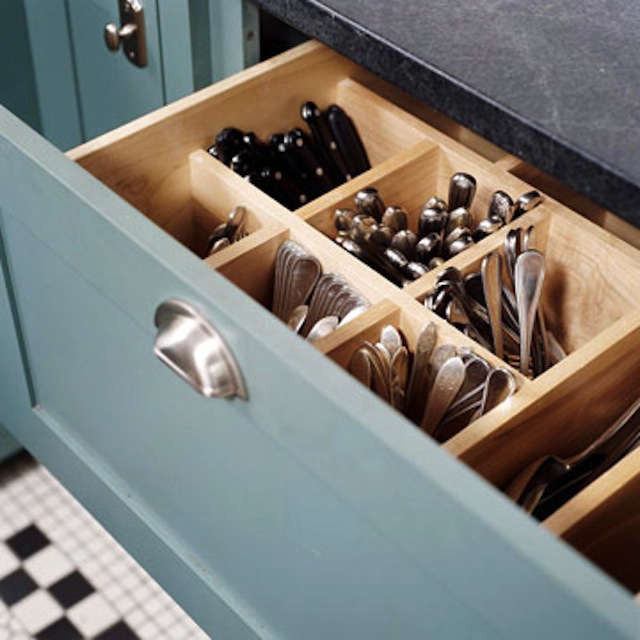
If your goal is to make your kitchen feel more functional without ripping out cabinets, start here. Expandable utensil trays are the workhorses of drawer organization. They create dedicated lanes for forks, knives, spoons, serving tools, peelers, and all the gadgets that somehow migrate into the silverware drawer even though they absolutely do not belong there.
These organizers tend to work best because they combine structure with flexibility. Instead of locking you into a single layout, they expand to fit the drawer width and give you compartments of different sizes. That is ideal for flatware drawers where you need both order and a little wiggle room. Some of the strongest roundup picks in this category use non-slip feet, gently sloped compartments, or expandable side panels to maximize storage without making the drawer feel crowded.
This style is especially smart for busy households. If you cook often, unload the dishwasher regularly, or have a drawer that serves multiple people every day, you want something that keeps everything visible at a glance. No one should need to play utensil roulette before breakfast.
2. Best Customizable Pick: Spring-Loaded Bamboo Drawer Dividers
Spring-loaded bamboo drawer dividers are the overachievers of the organization world. They slide into place, adjust to the width of the drawer, and instantly carve one chaotic space into several useful zones. They are popular for good reason: they work in kitchens, dressers, bathrooms, offices, and even junk drawers if you pair them with smaller trays or inserts.
The beauty of this option is customization. You can create narrow sections for spatulas, wider ones for dish towels, or a mixed layout for socks, chargers, stationery, and that one random tape measure that roams the house like a free-range chicken. Many sets now include mini inserts or labels, which help turn a basic divider system into something much more precise.
Bamboo dividers are often the best choice when you want your storage to feel polished rather than purely practical. They tend to look more built-in than plastic trays, and they blend nicely with wood cabinetry or furniture. The downside is that they are not always the best match for damp environments or messy items that leak, spill, or leave residue. Beautiful? Yes. Invincible? No.
3. Best for Deep Drawers: Modular Bins and Open Trays
Deep drawers are sneaky. At first they seem like a storage blessing, but without structure they quickly become black holes for tongs, batteries, cables, cosmetics, measuring spoons, and every other small object that enjoys disappearing. For deep drawers, modular bins usually outperform traditional one-piece trays.
Why? Because they let you build a layout around your actual stuff. Instead of forcing everything into a few preset compartments, modular systems allow you to mix narrow bins, square containers, and longer trays. That makes them ideal for drawers with varied contents, especially in bathrooms, offices, craft rooms, or multipurpose kitchen zones.
Clear bins are particularly useful because they improve visibility. If you can see the lip balm, tea bags, paper clips, garlic press, or measuring cups, you are far more likely to keep the system intact. Modular bins also make it easier to pull out one category at a time, clean the drawer, and put everything back without turning the whole setup into an organizational Jenga tower.
4. Best for Junk Drawers: Hybrid Systems
A junk drawer cannot be organized with optimism alone. It needs boundaries. The most effective junk drawer setup is usually a hybrid system: one or two adjustable dividers for larger categories, plus small trays or containers for loose bits like batteries, clips, pens, tape, and the tiny screwdriver you only need when your kid’s toy starts making a demonic noise.
This is also where a non-slip drawer liner earns its keep. Even a good divider system gets sloppy fast if containers slide every time the drawer opens. A liner keeps organizers stable, reduces noise, and makes the whole setup feel less like a cutlery avalanche waiting to happen.
The trick with junk drawers is not to eliminate every miscellaneous item. That is fantasy. The goal is to define what belongs there and assign each category a home. One tray for writing tools, one area for household tools, one compartment for mail odds and ends, one small zone for first-aid basics or spare hardware. Once the drawer has a map, clutter has a much harder time staging a coup.
5. Best for Desk Drawers: Low-Profile Trays
Desk drawers need a lighter touch. Big expandable dividers can work, but low-profile trays are often better because office supplies are smaller, more varied, and more annoying to corral. Pens, sticky notes, paper clips, earbuds, charging cords, stamps, business cards, and scissors all benefit from shallow compartments that keep things separated without wasting space.
This is where modular plastic or acrylic trays shine. You can group by task instead of by object. One tray can hold writing tools, another can hold tech accessories, another can hold mailing supplies, and a narrow one can keep your charging cables from tying themselves into emotional knots. The result is a desk drawer that supports how you work instead of becoming a graveyard for half-used pens and mystery adapters.
Low-profile organizers also help prevent overstuffing. When the trays are visible and easy to reach, you notice clutter sooner. That alone can stop a desk drawer from slowly evolving into a tiny office landfill.
6. Best for Bathroom and Beauty Drawers: Washable Plastic or Acrylic Dividers
Bathrooms demand organizers that can handle powder, moisture, spills, and frequent cleaning. For that reason, plastic and acrylic drawer dividers usually outperform bamboo here. They are easier to wipe down, more resistant to stains, and better suited for products like makeup, skincare, dental supplies, and hair accessories.
Clear organizers are especially useful because they make small items easy to identify quickly. No more rummaging for tweezers while your face mask dries into concrete. If your vanity drawer holds a mix of daily essentials and backup products, use smaller trays for everyday items near the front and deeper containers in the back for extras. That simple zoning method makes the drawer feel bigger and more intentional.
Bathroom drawers also benefit from category-based organization: one compartment for makeup, one for skincare, one for hair tools or elastics, one for dental care, and one for small medical or grooming items. The more obvious the categories, the easier it is to maintain the system when life gets busy.
How to Choose the Right Drawer Divider
Start with measurements. Measure the inside width, depth, and height of the drawer, not the outside. Then think about how the drawer opens and whether taller dividers will interfere with the contents or glide. A divider that “almost fits” is not a charming underdog. It is a return label waiting to happen.
Next, sort your items by category before buying anything. This step matters because the best divider layout depends on what you are storing. Flatware needs narrow parallel sections. Cooking utensils need wider lanes. Makeup needs smaller containers. Office supplies benefit from mixed tray sizes. Tools often need sturdy modular bins rather than decorative inserts.
Finally, decide whether you want a permanent feel or a flexible system. If you like a neat, built-in look, bamboo or wood-style dividers may be worth it. If you change drawers often, rent, or reorganize every three months because your brain suddenly demands a new era, modular plastic trays are the smarter bet.
Common Drawer Divider Mistakes to Avoid
Buying before measuring: This is the classic mistake. It is also the reason so many organizers live sad, unused lives in hall closets.
Using one big tray for everything: A large organizer with a few huge sections sounds helpful until small items start drifting into one another like roommates who ignore boundaries.
Ignoring the drawer’s purpose: A kitchen drawer, vanity drawer, desk drawer, and tool drawer do not need the same kind of system. Treating them like they do is how clutter wins.
Skipping maintenance: Even the best drawer organizers need a quick reset once in a while. Five minutes every few weeks can save you from a full weekend decluttering spiral.
Choosing looks over function: Pretty organizers are great, but not if they waste half the space or cannot handle the mess you are actually storing.
Final Verdict
If you want one smart rule for choosing the best drawer dividers, here it is: use expandable dividers when you need flexible structure, use modular trays when you need custom compartments, and use washable organizers when the contents are messy, damp, or small enough to vanish on contact. A great drawer organizer does not just make a drawer look better. It makes your routines faster, calmer, and much less ridiculous.
The best drawer divider roundup is not about crowning one universal winner. It is about matching the right organizer to the right drawer. In kitchens, expandable utensil organizers and bamboo dividers are tough to beat. In junk drawers, hybrid systems work best. In desks and bathrooms, modular trays usually win. Once you stop looking for a miracle product and start building a system around real life, drawer organization gets a lot easier.
Real-Life Experiences With Drawer Dividers
One of the most surprising things about using drawer dividers is how quickly they change your behavior. Before organizing a drawer, people tend to treat it like temporary storage. They toss something in with the vague promise that they will “deal with it later,” which is household code for “never.” Once a drawer has sections, though, the brain immediately sees limits. You notice when an item does not belong. You pause before shoving a random object into the first open space. The drawer starts acting less like a junk pit and more like a system.
Kitchen drawers are often where this shift feels most dramatic. A messy utensil drawer slows you down in tiny but annoying ways all day long. You reach for a vegetable peeler and find six straws, two chip clips, and a whisk that looks offended to be there. After adding dividers, the difference is not just visual. Cooking becomes smoother. Cleanup gets faster. Even unloading the dishwasher feels less irritating because every item has a clear destination. It is not exactly a spiritual awakening, but it is close enough for a Tuesday night.
Junk drawers tell an even funnier story. Most people assume a junk drawer is supposed to be messy by definition. But once you divide it into zones, you realize the real problem was never the drawer itself. It was the lack of boundaries. Batteries mixed with birthday candles, stamps buried under loose screws, rubber bands tangled with charging cords. A few dividers and small trays can turn pure drawer chaos into something surprisingly functional. Suddenly, you can open the drawer and find tape in three seconds instead of launching a full archaeological dig.
Desk drawers also benefit in ways that feel bigger than they look. People who work from home often have one drawer carrying the entire emotional burden of their professional life: pens, notebooks, receipts, flash drives, sticky notes, earbuds, and that one old charger no one has the courage to throw away. A simple modular layout creates breathing room. When pens stay with pens and cables stay with cables, the workspace feels more controlled. That sense of order can subtly improve focus, which is not magic, just fewer tiny distractions competing for your attention.
Bathroom drawers are where practicality tends to beat aesthetics. Beautiful bamboo dividers can look great, but many people eventually prefer acrylic or plastic because real life includes spilled serum, loose powder, and toothpaste caps that seem determined to leave evidence. Washable organizers are easier to maintain, and that matters. An organizing system only works long-term if it is realistic to clean.
The most useful experience people report, though, is not that their drawers look prettier. It is that they stop rebuying things they already own. When everything is visible, you know where the scissors are, how many spare batteries you have, and whether you actually need more tea bags, lip balm, or measuring spoons. Good drawer dividers save space, but they also save time, money, and those little bursts of daily irritation that add up faster than anyone likes to admit.