A chalkboard paint bathroom sounds a little rebellious, which is probably why people love it. Most bathrooms are filled with polished tile, shiny fixtures, and enough white paint to make a cloud feel underdressed. A chalkboard paint bath flips that script. It adds te about strategy. Chalkboard paint is wonderfully playful, but bathrooms are humid, splash-prone spaces that demand smart placement, careful prep, and realistic expectations. When you use it in the right places, it creates a stylish accent wall, a kid-friendly art zone, or a witty message board that feels both decorative and useful. When you use it in the wrong place, like a direct-hit shower wall, you are basically inviting steam to become the boss of your design decisions.
This guide breaks down how to make a chalkboard paint bath look intentional, function well, and stay fresh. From choosing the best wall to painting techniques, cleaning habits, color ideas, and lived-in lessons, here is how to bring chalkboard paint into the bathroom without turning your morning routine into a renovation regret.
What Is a Chalkboard Paint Bath, Exactly?
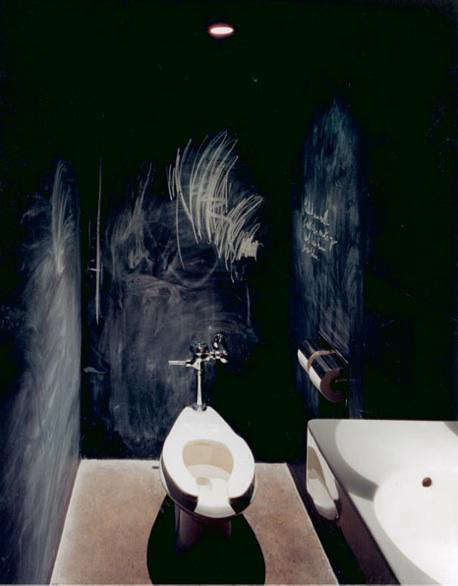
A chalkboard paint bath is a bathroom that includes one or more surfaces coated in chalkboard paint so they can be written on, doodled on, or used as a visual accent. Sometimes that means a full chalkboard wall in a powder room. Other times, it is more subtle: the side of a vanity, a framed panel, a medicine cabinet door, a storage label area, or a strip of wall above wainscoting.
The appeal is easy to understand. Chalkboard paint gives a rich matte finish that feels graphic and modern, especially in black, charcoal, or deep green. It also adds function. In a family bathroom, it becomes a place for reminders, bath-time doodles, or funny notes. In a guest bath, it can hold a welcome message, a quote, or even labels for towels and toiletries. In a small powder room, it creates the kind of memorable design moment that makes guests pause and say, “Okay, this is adorable.”
The keyword here is accent. The smartest chalkboard paint bathroom ideas treat chalkboard paint as a feature, not a blanket solution. The bathroom still needs moisture management, cleanability, and durable finishes in high-humidity zones. Chalkboard paint gets the spotlight, but it should not be asked to do every job in the room.
Why Chalkboard Paint Works Best as a Bathroom Accent
Bathrooms are tough rooms for paint. Steam rises. Water splashes. Towels rub against walls. Hair products drift through the air like they own the place. That is why traditional bathroom paint advice usually leans toward satin, semi-gloss, or specially formulated moisture-resistant finishes. These finishes clean more easily and stand up better to humidity than ordinary flat paint.
Chalkboard paint, by contrast, is intentionally matte. That matte look is part of its charm, but it also means you should be thoughtful about where you use it. The best chalkboard paint bathroom designs place it away from direct shower spray, behind sinks that splash constantly, or anywhere standing water is likely. A powder room is the ideal testing ground because it delivers drama without a daily steam bath. A guest bath can work beautifully too, especially if the chalkboard wall is opposite the vanity or above beadboard.
Think of chalkboard paint as the design equivalent of wearing suede to dinner. It looks fantastic when used wisely. You just would not wear it into a thunderstorm and then act surprised.
Best Places to Use Chalkboard Paint in a Bathroom
1. A Feature Wall in a Powder Room
This is the classic move, and for good reason. A powder room usually has lower humidity than a full bath, so a chalkboard feature wall is easier to maintain. It instantly gives a tiny room a boutique-hotel vibe, especially when paired with white trim, brass fixtures, or a vintage mirror. Because the room is small, the dark wall often feels dramatic rather than gloomy.
2. Above Wainscoting or Tile
One of the most practical chalkboard paint bathroom ideas is using it only on the upper portion of the wall. Keep tile, beadboard, or another moisture-friendly material on the lower half, then paint the upper section with chalkboard paint. This balances function and style while protecting the area most likely to get splashed.
3. The Back of the Bathroom Door
If you want the look without committing to a whole wall, paint the back of the door. It is a great place for a hidden message board, shopping reminders, or playful quotes. This also works well in rental-friendly mindsets, because repainting a door later is often easier than redoing an entire wall.
4. Vanity Sides, Cabinet Panels, or Framed Inserts
For people who love the chalkboard look but are nervous about bathroom moisture, smaller surfaces are the sweet spot. A vanity side panel or a framed inset can hold labels, checklists, or decorative chalk art. It feels custom, and it avoids asking one finish to fight all the room’s humidity on its own.
5. A Kids’ Bath Drawing Zone
A family bathroom can absolutely benefit from chalkboard paint when it is used intentionally. A wall near the tub, but not in the splash zone, gives kids something to do during bath time or while getting ready. It can also become a fun place for brushing charts, morning routines, or little drawings that change with the season.
How to Prep a Bathroom for Chalkboard Paint
If the design is the fun part, prep is the part that keeps your idea from peeling off like a bad sunburn. Bathroom walls need to be cleaned thoroughly before painting. Soap residue, hairspray, body lotion, and old grime can interfere with adhesion. If there is mildew or mold, it has to be removed first. Never paint over it and hope for a miracle. Paint is many things, but it is not a magician.
Start by cleaning the surface well and allowing it to dry completely. Repair holes, dents, and rough patches so the finished wall looks intentional instead of lumpy. A light sanding helps create tooth for the new coating, especially if the wall already has a glossy or semi-gloss finish. On slick, previously painted, or humidity-stressed surfaces, primer matters. In many bathrooms, a mildew-resistant primer or a high-quality bonding primer is the difference between a chalkboard wall that lasts and one that starts complaining by month three.
If the wall is near a sink or in a frequently steamy room, make sure the bathroom fan works properly before you paint. Beautiful walls deserve decent ventilation. Otherwise, the room turns into a tiny weather system and your project pays the price.
Choosing the Right Paint Strategy
The most successful chalkboard paint bath projects are not just about choosing a color. They are about choosing a strategy. In most cases, the smartest plan is to use chalkboard paint on one controlled accent area and moisture-resistant bathroom paint on the rest of the room. That combination gives you the style you want and the performance the space needs.
If you are painting bare drywall, patched walls, or older paint with questionable history, prime first. If you are painting over glossy paint, degloss or sand before priming. If you are trying to put chalkboard paint over slick tile or laminate, stop and reconsider. Those surfaces usually need specialty systems and are far less forgiving. A chalkboard look on drywall, plaster, hardboard, or well-prepped wood is much more dependable.
Also pay attention to cure time. Dry does not mean ready for action. Many DIY paint jobs get judged too early because the wall looks finished long before it has fully settled. With chalkboard paint, patience matters. Let the finish cure properly, then condition it with chalk before the first masterpiece, grocery list, or passive-aggressive “please hang the towel” note.
Design Ideas That Make a Chalkboard Paint Bathroom Look Elevated
Black and White for Crisp Contrast
A black chalkboard wall against bright white trim is the easiest way to make the room feel sharp and deliberate. Add polished nickel or brass hardware, a clean mirror, and simple lighting, and the room feels classic instead of crafty.
Deep Green for a Softer Take
Green chalkboard paint brings a gentler, vintage-schoolhouse feel. It works especially well with warm wood vanities, woven baskets, and creamy tile. If black feels too stark, green gives you mood without full drama club energy.
Chalkboard Wall with Natural Textures
Pair a chalkboard paint feature with oak, cane, linen, or stone-look flooring to keep the space from feeling too hard. The matte wall finish looks richer when surrounded by tactile materials.
Graphic Labels and Handwritten Art
One reason people love a chalkboard paint bathroom is that it can evolve. Use it for hand-drawn borders, seasonal doodles, guest messages, bath-time jokes, or labels near towel hooks and storage baskets. It is decor that refuses to stay boring.
Maintenance Tips for a Chalkboard Paint Bathroom
A chalkboard bathroom wall is not high-maintenance, but it is not completely carefree either. The first rule is simple: do not scrub it like a shower tile wall. Once the paint has cured and been conditioned, routine wiping should be gentle. A soft cloth or damp sponge is usually enough for regular cleanup. Avoid abrasive pads that can damage the finish or make the surface look patchy.
For heavier chalk residue, a mild water-and-vinegar solution can help freshen the board without turning cleaning into a chemistry experiment. The goal is to remove buildup, not strip the wall of dignity. After a deep clean, reconditioning the surface with chalk helps restore smooth erasability.
Ventilation matters here too. Run the fan during showers and for a while afterward. Open a window when possible. Clean surrounding surfaces regularly so soap film and moisture do not quietly build a mildew convention nearby. Chalkboard paint performs better when the whole room is managed well.
Mistakes to Avoid
The first mistake is using chalkboard paint in the direct shower enclosure or another heavy-splash zone. A bathroom accent wall is a smart design decision. A chalkboard shower wall is a cry for help. Keep the feature where it can stay mostly dry.
The second mistake is skipping primer or prep because the wall “looks fine.” Bathrooms collect invisible residue, and glossy old paint is not an ideal base for a new finish. Prep may be the least glamorous part of the project, but it shows up in the final result every single day.
The third mistake is overdecorating the wall. Chalkboard paint is already visually strong. If you add elaborate art, bright bins, loud wallpaper, five kinds of metal finishes, and a neon sign, the room starts to feel like it cannot decide whether it is a spa, a café, or a middle school talent show. Let the chalkboard surface be the star.
The fourth mistake is expecting a perfectly spotless look forever. Chalkboard paint has character. That is part of the appeal. It will show a little haze, a little chalk memory, and a little lived-in texture over time. That softness is not failure. It is charm.
Is a Chalkboard Paint Bathroom Worth It?
Yes, when it matches the room and your habits. If you love polished, pristine surfaces that never change, chalkboard paint may not be your soulmate. But if you want a bathroom that feels personal, flexible, and slightly unexpected, it can be a fantastic choice. It is especially smart in powder rooms, guest baths, and family bathrooms where one accent surface can do a lot of visual heavy lifting.
The beauty of this look is that it feels custom without demanding a full remodel. You are not replacing tile, moving plumbing, or taking out a small loan just to have a little fun with a wall. You are adding mood, function, and personality with a paint finish that invites interaction. That is a lot of payoff for one can of paint and a weekend’s worth of determination.
In other words, a chalkboard paint bath is not just a trend. Done well, it is a clever design move with everyday personality. It makes the bathroom feel less like a utility room and more like part of the home’s story. And honestly, any wall that can hold both a grocery reminder and a tiny doodle of a rubber duck has earned some respect.
Extended Experience: What Living With a Chalkboard Paint Bath Really Feels Like
Once a chalkboard paint bathroom is finished and in daily use, the experience becomes less about the paint itself and more about how the room behaves. That is where this design choice gets interesting. At first, most people notice the visual change. The bathroom suddenly feels deeper, moodier, and more styled. A dark chalkboard wall can make basic white fixtures look more expensive, make brass look warmer, and make even a simple mirror feel intentional. The room stops reading like “standard bathroom” and starts feeling like a space someone actually designed on purpose.
Then the practical side kicks in. In homes with kids, the chalkboard wall often becomes the most popular surface in the room, which is both charming and a little hilarious. Brush-your-teeth stars, bath-time doodles, goofy faces, and crooked hearts start appearing like tiny exhibitions. In adult households, the wall tends to become a rotating message board. One week it holds a quote. The next week it holds a reminder to buy toothpaste, more hand soap, and whatever vanished into the universe with the last roll of toilet paper.
There is also a rhythm to maintenance that people learn quickly. A chalkboard paint bath usually looks best when it is used, erased, and refreshed rather than left untouched for months. A stale wall with old half-erased writing can start to feel dusty. A wall that gets a quick wipe and a new message every now and then feels alive. That does not mean it is needy. It just likes a little interaction, which is honestly more than can be said for some houseplants.
Another real-world lesson is that placement affects satisfaction more than color does. Homeowners who love their chalkboard paint bathroom usually chose a wall with enough breathing room. People who regret it often placed it somewhere too humid, too splashy, or too cramped. The finish can absolutely handle everyday bathroom life when the layout supports it, but it is happiest when it is not fighting direct water all day long.
Over time, many people also appreciate how flexible the wall becomes seasonally. It can shift from elegant handwritten typography in the fall to playful holiday doodles in winter to simple botanical sketches in spring. That means the bathroom decor can change without buying new art every two months. For design lovers on a budget, that is a quiet little win.
Most of all, living with a chalkboard paint bath tends to make the room feel more human. Bathrooms can be sterile by nature. Chalkboard paint softens that. It introduces humor, notes, imperfection, and personality into a room that usually only gets attention when something leaks. And that may be the biggest reason this idea lasts: it turns a routine space into one that interacts with the people who use it. A bathroom that can make someone smile before coffee is doing excellent work.
Conclusion
A chalkboard paint bathroom is at its best when it balances personality with practicality. Use it where moisture is manageable, prep like you mean it, pair it with bathroom-friendly finishes elsewhere, and let the wall be part decor, part message board, and part daily delight. The result is a room that feels stylish, useful, and a little more alive than the average bath. That is a strong return for one smart accent wall.