Note: HTML body only. SEO tags are included in JSON format at the end for easy publishing.
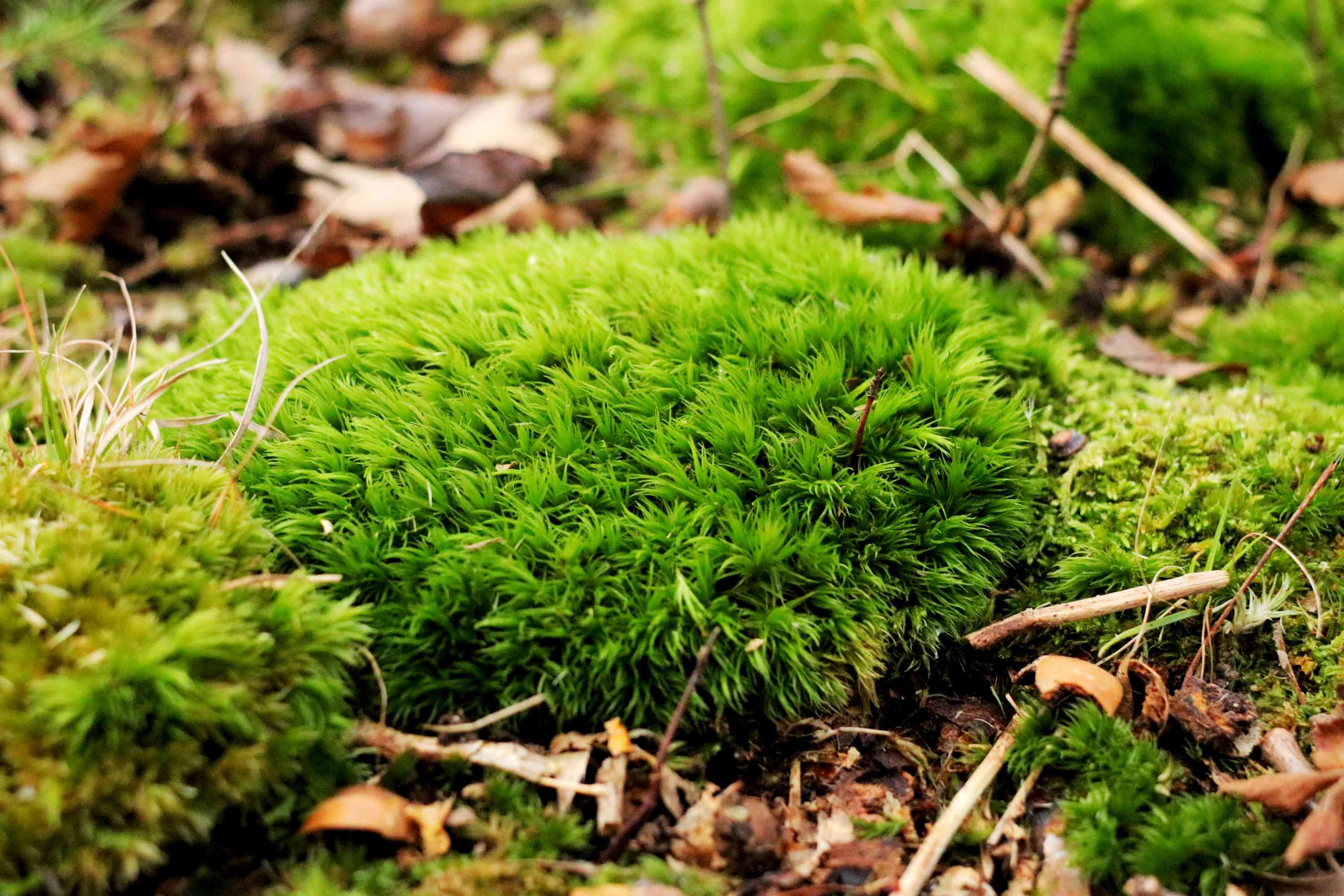
Moss has a sneaky little talent: it makes your lawn look like it’s trying to become a woodland fairy set without asking your permission first. The good news? Moss is rarely the actual villain. It’s more like the uninvited guest who only shows up when your grass is already struggling. If you want a lawn that looks thick, healthy, and less like a damp green bathmat, the real trick is to fix the conditions that let moss move in.
This guide walks you through how to get rid of moss in your lawn, what causes it, what works long-term, and what to avoid if you don’t want to be doing the same moss-removal dance again next season.
Why Moss Grows in Lawns in the First Place
Before you grab a rake and declare war, it helps to know why moss shows up. Moss usually appears where turfgrass is thin, weak, or flat-out unhappy. In other words, moss is often a symptom, not the root problem. If the grass can’t compete, moss happily fills the gap.
Common reasons your lawn grows moss
- Too much shade: Grass needs light to stay thick. Moss is much less demanding.
- Poor drainage: Wet soil creates a welcome mat for moss.
- Compacted soil: Grass roots struggle in hard, tight soil with poor airflow.
- Low fertility: Weak, underfed grass leaves open space for moss to settle in.
- Improper soil pH: Acidic soil can contribute to moss problems, but pH is not always the only issue.
- Too much moisture from irrigation or runoff: Moss loves a lawn that never gets a chance to dry out.
- Poor air circulation: Damp, enclosed areas dry slowly and stay moss-friendly longer.
That means the best moss control plan is not just “kill the moss.” It’s “make life harder for moss and easier for grass.” Much more strategic. Very satisfying.
Step 1: Diagnose the Real Problem Before You Treat Anything
If you skip diagnosis, moss will probably come back. Fast. So start by taking a close look at the problem area.
Ask these questions
- Does this area get at least several hours of direct sun?
- Does water sit there after rain?
- Is the soil rock-hard when dry?
- Do tree roots make the area thin and dry in summer but soggy in winter?
- Has this patch been underfed or mowed too short?
- Have you tested the soil recently?
One shady corner under mature trees may need a different solution than a mossy patch by a downspout. Moss in a low, wet depression is not the same problem as moss under dense shade. Treat the cause, not just the color green.
Step 2: Remove the Moss That’s Already There
Once you know what’s encouraging moss, you can start removing the existing growth.
Manual removal
For small patches, use a steel rake or dethatching rake to loosen and pull out the moss. This works best when the moss is active and the soil is not bone-dry. Rake thoroughly enough to remove the mat, but not so aggressively that you turn your lawn into a geology exhibit.
Using a moss killer
For larger areas, a lawn-labeled moss control product may help speed things up. Iron-based products are commonly used because they dry out and blacken moss quickly. Some lawn moss killers also include nutrients for grass. Always read the label, apply at the recommended rate, and keep granules or sprays off concrete, stone, and other surfaces that may stain.
Important detail: killing moss does not magically give you a healthy lawn. Dead moss still needs to be raked out, and the bare area needs repair. Otherwise, the spot stays open and moss comes right back like it pays rent there.
Step 3: Fix the Conditions That Let Moss Win
Reduce shade when possible
If tree branches or overgrown shrubs are blocking light, selective pruning can improve sunlight and airflow. You do not need to turn your backyard into a parking lot, but even modest thinning can help grass compete better.
If the area is heavily shaded all day, be realistic. Grass may never thrive there no matter how enthusiastically you fertilize. In that case, switching to a shade-tolerant groundcover, mulch bed, or even a moss garden may be smarter than forcing a lawn where a lawn clearly does not want to be.
Improve drainage
If water puddles after rain, fix that before reseeding. Depending on the site, that may mean regrading, redirecting downspouts, cleaning compacted soil, building a shallow swale, or installing drainage solutions in severe cases. A lawn that stays wet all winter is basically sending moss a handwritten invitation.
Aerate compacted soil
Core aeration is one of the most effective ways to improve compacted soil. It removes plugs of soil, allowing better oxygen movement, deeper rooting, and improved water infiltration. If your lawn gets heavy foot traffic, has clay soil, or feels like a brick with grass attached, aeration can make a real difference.
Skip spike aerators if compaction is the issue. They punch holes, but they can also press soil sideways and do less to relieve true compaction than core aeration.
Correct fertility problems
Weak grass is easy for moss to outcompete. Feed the lawn based on your grass type, region, and soil test. A modest, well-timed feeding plan is more useful than random bursts of fertilizer applied in a mood. Healthy grass fills in space, shades the soil surface, and makes it harder for moss to return.
Check soil pH before adding lime
This is where many homeowners go wrong. Yes, moss is often associated with acidic soil. No, that does not mean lime is automatically the answer. Some moss can grow in a wide range of conditions, and applying lime without a soil test is basically lawn-care guesswork in a spreader.
If your soil test shows the pH is too low for your turfgrass, lime may help. If the pH is already acceptable, lime may do little or nothing for the moss problem.
Adjust irrigation
Overwatering encourages shallow roots and keeps the surface damp longer than necessary. Water deeply but not too often, and try watering early in the morning rather than late in the day. A lawn that dries slightly between waterings is generally less inviting to moss than one that stays constantly damp.
Step 4: Repair the Bare Spots So Moss Doesn’t Come Back
After moss removal, you’ll usually have bare areas. Bare soil is prime real estate for the next moss comeback tour, so don’t leave it empty.
Overseed the area
Choose seed suited to the site. For sunny areas, use a grass blend that matches your region and existing lawn. For shady areas, consider fine fescues or other shade-tolerant options appropriate for your climate. Rake the seed lightly into the soil, keep it evenly moist during establishment, and avoid heavy foot traffic until the new grass is rooted.
Topdress lightly if needed
If the surface is uneven or heavily damaged, a thin layer of quality topsoil or compost can help improve seed-to-soil contact. Keep it light. You are helping the lawn, not burying it alive.
Mow correctly after the grass establishes
Once the lawn is growing again, avoid mowing too short. A slightly taller lawn usually develops deeper roots, shades the soil better, and competes more effectively with weeds and moss. Scalping the lawn is basically telling the grass, “Good luck, buddy,” and then walking away.
Best Long-Term Lawn Care Tips to Prevent Moss
If you want to know how to get rid of moss in your lawn permanently, the word you’re looking for is prevention. Moss removal is the cleanup. Lawn care is the insurance policy.
- Mow high enough for your turf type instead of cutting it extra short.
- Aerate compacted areas, especially in lawns with clay soil or heavy use.
- Overseed thin spots before they become moss territory.
- Feed the lawn appropriately instead of ignoring it until it looks tragic.
- Water deeply and less often, rather than daily sprinkles.
- Prune back dense shade where practical.
- Test the soil before applying lime or making major fertility changes.
- Clean up leaves quickly in fall so the lawn is not smothered under a wet blanket.
When You Should Stop Fighting Moss and Choose Another Option
Not every mossy lawn needs to become grass again. Sometimes the most sensible solution is to stop trying to force turf into a spot that clearly prefers something else.
If the area is deeply shaded, chronically wet, low traffic, and difficult to maintain, consider alternatives such as:
- Natural mulch under trees
- Shade-tolerant groundcovers
- Native plant beds
- A deliberate moss garden if the look fits your landscape
This is not surrender. This is smart landscaping. Your lawn should match your site, not fight it in a weekly showdown.
Common Mistakes Homeowners Make With Moss Control
- Applying lime without a soil test: Sometimes helpful, often unnecessary.
- Killing moss but not improving the site: The moss returns because the invitation is still valid.
- Ignoring drainage: Wet soil keeps the cycle going.
- Mowing too short: Weakens grass and opens space for moss.
- Trying to grow grass in full shade: A noble effort, but often a losing one.
- Leaving bare patches after raking: Empty soil rarely stays empty for long.
A Simple Moss Removal Plan You Can Actually Follow
- Inspect the area for shade, standing water, compaction, and thin turf.
- Test the soil if pH or nutrient problems are suspected.
- Rake out or treat existing moss.
- Core aerate if the soil is compacted.
- Improve drainage or reduce irrigation if the site stays wet.
- Prune for more light and airflow where possible.
- Apply fertilizer or lime only if the lawn truly needs it.
- Overseed with the right grass for the location.
- Mow properly and keep the new turf healthy.
That sequence matters. Remove, repair, restore, and then maintain. Skip the middle steps and moss will be back before you can say “Why is my lawn squishy again?”
Real-World Experiences With Mossy Lawns
One of the most common experiences homeowners have with moss is that the problem seems to appear overnight, even though it almost never starts overnight. Usually, the story goes something like this: the lawn looked a little thin near the fence line last fall, leaves sat there longer than usual, winter rain made the spot soggy, and by spring the grass had faded while a soft green mat quietly took over. That pattern feels frustrating, but it also tells you something useful. Moss tends to expose the weak points in a lawn long before the rest of the yard catches up.
In real yards, the biggest surprise is often that the mossiest area is not always the most acidic one. It may be the patch where the kids cut through every day, compacting the soil. It may be the strip beside the driveway where runoff collects. It may be under an ornamental tree that looked cute when planted but now throws enough shade to make turfgrass wonder why it even bothered showing up. Homeowners often start by buying a moss killer, and to be fair, that can make the lawn look better for a moment. The moss blackens, the patch opens up, and there is a brief, hopeful period where everything seems under control. Then a month or two later, the same green carpet comes right back. That rebound is usually the moment people realize the product was not the plan. It was only the opening scene.
Another very common experience is discovering how much mowing habits matter. Lawns cut super short may look tidy for about twelve minutes, but they usually become weaker, drier at the root level, and more vulnerable overall. Homeowners who raise the mowing height a bit are often surprised that the grass begins to look fuller with less effort. The lawn starts shading the soil better, patchy areas recover faster, and the moss has a harder time reclaiming space.
There is also the shade lesson, which can be humbling. A lot of people spend years trying to grow a perfect lawn under dense trees, and the yard keeps responding with a very polite but firm “absolutely not.” In those cases, the best experience is often the one where the homeowner stops fighting the site. Maybe they thin a few branches and reseed with a more shade-tolerant grass. Maybe they convert the space to mulch and hostas. Maybe they keep the moss and make it look intentional. Oddly enough, that decision can make the whole landscape feel easier to manage and more attractive.
The most successful moss-control stories usually have one thing in common: they become less about killing moss and more about understanding the yard. Once a homeowner notices where water lingers, where tree roots compete, where sunlight disappears, and where soil feels compacted, the lawn starts making a lot more sense. And when the lawn makes sense, the solution gets simpler. Not always easy. Not always quick. But definitely simpler.
Conclusion
If you want to get rid of moss in your lawn, think like a detective first and a lawn-care hero second. Moss thrives where grass struggles, so the lasting solution is to strengthen the grass and fix the site. Remove the moss, improve the conditions, reseed the area, and maintain the lawn in a way that keeps turf dense and competitive. Do that, and your lawn can go from damp green sponge to thick green carpet without the annual moss drama.