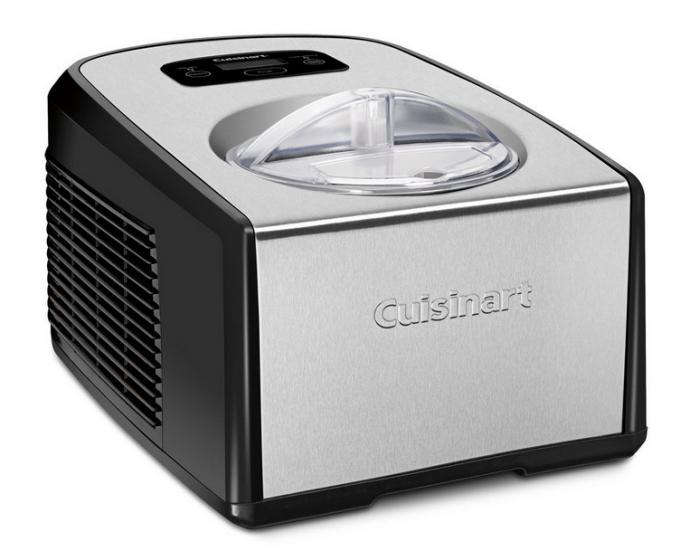
Homemade ice cream sounds romantic until you remember the freezer bowl, the waiting, the “Oops, I forgot to chill it” tragedy, and the suspiciously icy results that taste like vanilla-flavored snow. The Cuisinart Ice Cream and Gelato Maker, especially the popular ICE-100 compressor model, was built to make that drama melt faster than a scoop on a July sidewalk.
What Is the Cuisinart Ice Cream and Gelato Maker?
The Cuisinart Ice Cream and Gelato Maker is a fully automatic countertop machine designed for people who want homemade frozen desserts without turning their kitchen into a science fair. The best-known model, the Cuisinart ICE-100, uses a built-in compressor freezer, which means you do not have to pre-freeze the bowl before making ice cream, gelato, frozen yogurt, or sorbet.
That single feature is the headline act. Traditional freezer-bowl ice cream makers can work beautifully, but they require planning ahead. The bowl usually needs many hours in the freezer before you can churn anything. With a compressor-style machine, the unit chills itself while it churns. In normal human language: you can have a craving after lunch and be eating homemade ice cream by dinner without rearranging your freezer like a game of appliance Tetris.
The Cuisinart ICE-100 has a 1.5-quart capacity, two mixing paddles, a 60-minute countdown timer, touchpad controls, a blue LCD display, and a 10-minute Keep Cool feature. It is made for batch-after-batch use, which is excellent news for serious dessert lovers and dangerous news for anyone who believes “just one scoop” is a legally binding statement.
Why This Machine Gets So Much Attention
The biggest reason people search for the Cuisinart Ice Cream and Gelato Maker is convenience. A built-in compressor gives it a major advantage over basic frozen-bowl models. You can make one batch, clean the removable bowl, and start another after the machine has had a reasonable rest. That matters if you want vanilla for the kids, pistachio gelato for the adults, and chocolate sorbet for the person who insists they are “not really a dessert person” while holding the largest spoon in the room.
Another reason is texture control. Ice cream and gelato are not the same thing, even though both are delicious enough to cause temporary silence at the table. Ice cream usually has more air whipped into it, giving it a lighter, creamier body. Gelato is typically denser, smoother, and served slightly warmer than hard-packed ice cream. The Cuisinart ICE-100 includes separate paddles to help create different textures: one for creamy ice cream and one for denser gelato.
For home cooks, this is a helpful distinction. You are not just pressing a button and hoping for dairy magic. You can choose the paddle, adjust your recipe, chill your base properly, and fine-tune the result. It feels approachable, but it still gives you room to become the kind of person who casually says, “I’m testing a brown butter custard base tonight,” as if that is a normal Tuesday activity.
Key Features of the Cuisinart ICE-100
Built-In Compressor
The built-in compressor is the star feature. It chills the bowl during operation, so there is no need to store a large bowl in the freezer. This is especially useful for small kitchens, busy families, or anyone whose freezer is already occupied by frozen vegetables, emergency pizza, and mysterious containers from three months ago.
1.5-Quart Capacity
The machine is listed with a 1.5-quart capacity, which is enough for a family dessert, a small gathering, or a “taste test” that somehow becomes dinner. In practice, many experienced users prefer not to fill the bowl to the absolute maximum. Ice cream expands as it churns, so leaving room helps improve texture and prevents the mixture from climbing up the sides like it is trying to escape.
Two Mixing Paddles
The two included paddles are a practical bonus. The ice cream paddle is designed to incorporate more air for a classic creamy texture. The gelato paddle produces a denser result with less aeration. This does not magically turn every recipe into a Roman gelateria masterpiece, but it gives you a better starting point than a one-paddle machine.
60-Minute Countdown Timer
The timer gives you control over churning time. Most recipes finish before the full 60 minutes, but timing depends on the recipe, ingredient temperature, sugar content, fat content, and how cold the base is before it goes in. A well-chilled base usually churns faster and smoother than a warm one. Ice cream rewards patience, which is rude but true.
10-Minute Keep Cool Function
The Keep Cool function helps maintain texture for a short period after the cycle ends. It is not a substitute for storing finished ice cream in the freezer, but it gives you a little breathing room if you are distracted by toppings, guests, or the important question of whether crushed cookies count as one topping or a lifestyle.
See-Through Lid With Mix-In Opening
The transparent lid lets you watch the mixture thicken. This is more satisfying than it should be. It also includes an opening for adding mix-ins near the end of churning. Chocolate chips, toasted nuts, cookie pieces, fruit ribbons, and brownie chunks can all join the party, but timing matters. Add them too early and they may sink, smear, or get overworked. Add them near the end and they stay nicely distributed.
Cuisinart Ice Cream and Gelato Maker: Ice Cream vs. Gelato
One of the most common questions about this machine is whether it really makes both ice cream and gelato. The answer is yes, but the recipe matters as much as the machine.
For American-style ice cream, you will usually use cream, milk, sugar, and sometimes egg yolks. Philadelphia-style ice cream skips the eggs and is simpler, brighter, and quicker. Custard-style ice cream uses egg yolks for richness and a silkier finish. The machine can handle both, though custard bases need cooking and chilling before churning.
Gelato often uses more milk than cream, less fat than traditional ice cream, and less air. It is meant to be dense, smooth, and flavorful. The gelato paddle helps by reducing aeration, but the base still needs to be formulated correctly. If you pour in a heavy ice cream base and use the gelato paddle, you may get a tasty frozen dessert, but it will not automatically become authentic Italian gelato. The machine is talented, not a wizard wearing a tiny apron.
How to Use the Cuisinart Ice Cream and Gelato Maker
Step 1: Prepare and Chill the Base
For best results, prepare your ice cream or gelato base ahead of time and chill it thoroughly in the refrigerator. Cold base churns faster, forms smaller ice crystals, and creates a smoother finished dessert. If you are making custard, cook it gently, strain it if needed, cool it quickly, and refrigerate it for several hours or overnight.
Step 2: Choose the Right Paddle
Use the ice cream paddle for lighter, creamier ice cream. Use the gelato paddle for denser gelato-style desserts. Make sure the paddle is properly seated before adding the base. Nobody wants to discover paddle installation errors while dairy is spinning like a tiny dessert tornado.
Step 3: Add the Mixture
Pour the chilled base into the removable bowl. Avoid overfilling. Even if the bowl capacity sounds generous, frozen desserts expand while churning. A slightly smaller batch often produces better texture than a bowl filled to the brim.
Step 4: Set the Timer
Set the timer according to the recipe. Many ice cream bases finish in about 30 to 45 minutes, though results vary. Watch the texture through the lid. When the mixture looks thick, smooth, and soft-serve-like, it is usually ready for transfer.
Step 5: Add Mix-Ins Near the End
Add chopped chocolate, cookie crumbs, fruit pieces, or nuts during the last few minutes of churning. Large chunks should be small enough to scoop easily. A good rule: if the spoon has to fight it, your guests will too.
Step 6: Harden in the Freezer
Freshly churned ice cream is usually soft. For scoop-shop texture, transfer it to a freezer-safe container and freeze it for a few hours. Press parchment or plastic wrap against the surface to reduce ice crystals, then cover tightly.
Best Recipes to Try First
Classic Vanilla Custard Ice Cream
Vanilla is the best first test because it reveals texture clearly. A simple custard base made with cream, milk, sugar, egg yolks, vanilla extract, and a pinch of salt can show how well the machine churns. Use real vanilla if possible. It is not mandatory, but it does make your kitchen smell like you have your life together.
Chocolate Gelato
Chocolate gelato is a strong choice because cocoa and melted chocolate create a rich, dense body. Use the gelato paddle and chill the base thoroughly. The result should be smooth, intense, and deeply chocolatey without feeling too fluffy.
Strawberry Ice Cream
Fresh strawberry ice cream can be wonderful, but fruit adds water, and water can become icy. Macerate the berries with sugar, cook them briefly if needed, or use a concentrated puree. This helps the final texture stay creamy instead of crunchy.
Lemon Sorbet
Sorbet is a refreshing test for the machine because there is no dairy to hide mistakes. Sugar balance is important. Too little sugar makes sorbet hard and icy; too much keeps it slushy. A good lemon sorbet should taste bright, clean, and slightly dramatic, like sunshine with better manners.
Who Should Buy the Cuisinart Ice Cream and Gelato Maker?
The Cuisinart Ice Cream and Gelato Maker is ideal for people who make frozen desserts regularly or want the freedom to make several batches without pre-freezing bowls. It is also a strong option for home cooks who enjoy experimenting with flavors, textures, and recipes.
It makes sense if you want convenience, repeatability, and more control than a basic machine provides. It is especially appealing for families, dinner-party hosts, recipe testers, food bloggers, and anyone who believes the phrase “homemade pistachio gelato” should be followed by applause.
However, it may not be the best fit for everyone. Compressor machines are heavier, larger, and more expensive than freezer-bowl models. The ICE-100 weighs significantly more than a basic ice cream maker, so it is not something most people will casually move in and out of a high cabinet every weekend. If your kitchen storage is tight, measure first. Your countertop deserves honesty.
Pros and Cons
Pros
The biggest advantage is convenience. No pre-freezing means fewer delays and more spontaneous dessert decisions. The compressor allows multiple batches more easily than freezer-bowl machines. The separate paddles are useful for texture differences, and the removable bowl makes cleanup more manageable. The controls are simple, the lid is easy to monitor, and the Keep Cool function is a thoughtful touch.
Cons
The main drawbacks are size, weight, price, and noise. Compressor machines are not whisper-quiet. They also take up more counter space than basic models. Some users may find that smaller batch sizes produce better texture than pushing the machine to its stated maximum. Also, like almost all homemade ice cream makers, it produces soft ice cream first; you still need freezer time for a firm scoop.
Tips for Better Results
Always chill your base. This one step can dramatically improve texture. A warm base forces the machine to work harder and gives ice crystals more time to grow. Smooth ice cream depends on fast freezing, balanced sugar, enough fat or stabilizing ingredients, and proper storage.
Do not overload the bowl. Leave room for expansion. If you want premium texture, make moderate batches instead of maximum batches. It may feel less efficient, but the reward is creamier ice cream and less scraping around the lid.
Use a little salt in sweet recipes. Salt does not make ice cream salty when used correctly; it makes flavors taste louder. Vanilla tastes more vanilla. Chocolate tastes more chocolate. Caramel tastes like it came wearing a velvet jacket.
Be careful with alcohol. A splash of bourbon, rum, or liqueur can add flavor and softness, but too much alcohol prevents freezing. If your ice cream refuses to firm up, it may not be lazy. It may be tipsy.
Store finished ice cream properly. Use a shallow freezer-safe container, press wrap against the surface, and keep it tightly covered. Homemade ice cream does not contain the same stabilizers as many commercial brands, so it is best enjoyed within a reasonable time while the texture is fresh.
Is the Cuisinart Ice Cream and Gelato Maker Worth It?
For casual users who make ice cream once or twice a year, a less expensive freezer-bowl machine may be enough. But for people who love homemade frozen desserts, the Cuisinart Ice Cream and Gelato Maker offers a major upgrade in convenience. The ability to churn without pre-freezing a bowl changes the whole experience. It turns ice cream making from a planned event into a flexible kitchen project.
The machine is not perfect. It is heavy, it takes up space, and it costs more than entry-level models. But it also delivers consistent performance, useful features, and the freedom to test recipes without waiting a full day between batches. That makes it a compelling choice for serious home dessert makers.
Think of it this way: if homemade ice cream is an occasional novelty, you may not need a compressor machine. If homemade ice cream is a hobby, a family tradition, or your preferred love language, the Cuisinart ICE-100 starts to make a lot of sense.
Real-Life Experience With the Cuisinart Ice Cream and Gelato Maker
Using the Cuisinart Ice Cream and Gelato Maker feels different from using a basic freezer-bowl machine because it removes the most annoying part of the process: waiting for the bowl to freeze. That may sound small, but in everyday kitchen life, it is huge. Most homemade ice cream cravings do not arrive politely 24 hours in advance. They show up suddenly, usually after dinner, whispering, “Wouldn’t coffee ice cream be nice?” A compressor machine gives you a fighting chance.
The first experience many users notice is the sound. This is not a silent appliance. It hums, churns, and reminds you that a small freezer engine is working on your countertop. The noise is not shocking, but it is present. If you are expecting library silence, you may be disappointed. If you are expecting the sound of dessert being born, it is easier to forgive.
The second thing is texture. When the base is properly chilled, the machine can produce a smooth, creamy result that feels much more premium than the effort suggests. Vanilla custard comes out thick and glossy. Chocolate gelato becomes dense and spoon-coating. Fruit sorbet can taste bright and clean. The machine does not fix a bad recipe, but it treats a good recipe with respect.
The learning curve is friendly. After two or three batches, you begin to understand when the ice cream is ready by sight. The mixture changes from liquid to slushy, then from slushy to thick ribbons. The paddle starts moving through the base with more resistance. At that point, it is usually time to stop, even if the timer has not finished. Blindly waiting for the full countdown can sometimes overwork the texture.
Cleanup is fairly simple, but it should be done carefully. The removable bowl, lid, and paddle need hand washing. Because frozen dessert is sticky, fatty, and talented at hiding in small spaces, rinsing immediately after use is a smart habit. Letting melted ice cream dry on the paddle is how you create tomorrow’s unnecessary problem.
One of the best practical experiences is making flavors you cannot easily buy. Grocery stores have vanilla, chocolate, and cookies and cream. But at home, you can make roasted banana, toasted sesame, Vietnamese coffee, blueberry cheesecake, maple pecan, or olive oil gelato. You can reduce sugar slightly, use better chocolate, add more fruit, or create dairy-free sorbets. The machine becomes less of a gadget and more of a flavor playground.
It is also great for entertaining. Guests are impressed by homemade ice cream in a way they are rarely impressed by salad. You can churn before dinner, harden the batch while everyone eats, and serve dessert that feels personal. Even a simple vanilla ice cream tastes special when it is fresh, creamy, and paired with warm brownies or fruit crisp.
The main experience-based warning is storage. This machine is not tiny. Before buying, decide where it will live. If it ends up buried behind a stand mixer, air fryer, and three holiday platters, you will use it less. Keep it accessible if you want it to become part of your routine.
Overall, the Cuisinart Ice Cream and Gelato Maker is most enjoyable for people who like the process as much as the result. It invites experimentation. It rewards preparation. It occasionally makes you believe you should open a neighborhood gelato cart. You probably should not make major business decisions after eating fresh chocolate gelato, but the confidence boost is understandable.
Final Verdict
The Cuisinart Ice Cream and Gelato Maker is a strong choice for home cooks who want better control, less waiting, and more reliable frozen desserts. Its compressor design, two paddles, 1.5-quart capacity, timer, and Keep Cool feature make it more versatile than basic ice cream makers. It is not the cheapest or smallest option, but it offers a level of convenience that frequent users will appreciate.
If you want to make homemade ice cream once a summer, keep things simple. If you want to make vanilla bean ice cream on Friday, mango sorbet on Saturday, and espresso gelato on Sunday, this machine is ready for your delicious lack of restraint.
Note
This article was written from current product information, manufacturer specifications, retail listings, kitchen-testing insights, and practical frozen-dessert experience. It is designed as original, publication-ready SEO content without copied source text or unnecessary citation placeholders.