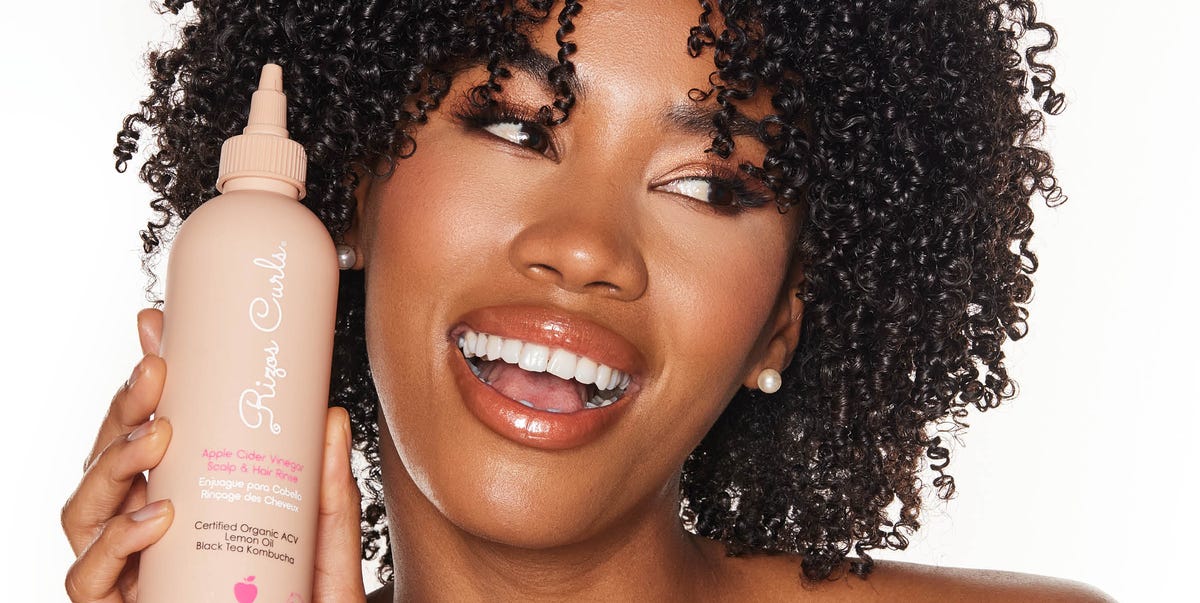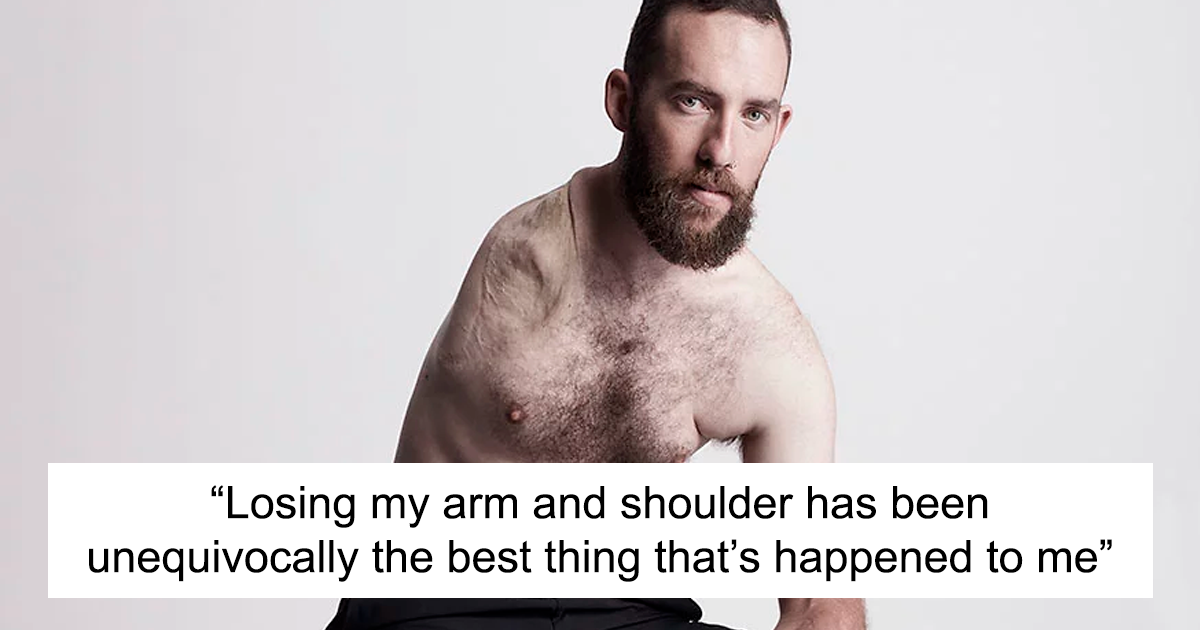
Body confidence is not a one-size-fits-all T-shirt. It is more like a custom-tailored jacket: shaped by lived experience, stitched together with courage, and occasionally requiring a good lint roller before the camera flashes. That is why a body confidence shoot featuring 19 people with limb differences, ranging in age from 2 to 54, feels bigger than a beautiful set of portraits. It is a visual reminder that confidence does not begin when the world finally decides you “fit.” Sometimes, confidence begins when you show up exactly as you are and let the world adjust its lens.
The shoot, originally connected with Zebedee Models and photographed by Elise Dumontet, brought together children, teens, and adults who were either born with limb differences or had experienced amputation. The result was not a pity project, a medical catalog, or a “look how brave” slideshow. It was a celebration of self-love, individuality, body acceptance, and authentic disability representation. In other words: less “inspiration poster in a dentist’s waiting room,” more “fashion editorial with a pulse, a purpose, and excellent lighting.”
In a culture that still treats difference as something to hide, soften, or explain away, these portraits do something quietly radical. They say: here are bodies that move, play, parent, pose, laugh, adapt, dress up, dress down, and absolutely deserve the main frame. Not the background. Not the “special edition” corner. The main frame.
Why a Limb Difference Body Confidence Shoot Matters
A limb difference can mean a person was born with part of an arm, hand, leg, or foot that did not fully form, or it can refer to a limb change caused later by illness, injury, surgery, or amputation. The details vary widely from person to person. Some people use prosthetics. Some do not. Some use adaptive tools. Some have never felt the need. Some love questions. Others would rather discuss literally anything else, including taxes, airport security lines, or why socks disappear in the laundry.
That variety is exactly why representation matters. Too often, disability is shown through one of two tired filters: tragedy or superhuman triumph. Neither leaves much room for ordinary, layered, funny, stylish, complicated human life. A body confidence shoot centered on people with limb differences offers a more accurate picture. It shows people as people first: expressive, fashionable, playful, serious, shy, bold, and everything in between.
Visibility Helps Challenge the “Default Body” Myth
For decades, mainstream beauty campaigns have quietly promoted a narrow idea of what a “normal” body should look like. That default body is usually symmetrical, young, thin, conventionally attractive, and suspiciously free of scars, mobility aids, stretch marks, wrinkles, acne, or the general evidence of being alive. But real bodies are not factory settings. Real bodies are biographies.
When 19 people with limb differences appear together in a body confidence photo shoot, they interrupt that default image. A toddler with a limb difference is not “too young” to be represented. A 54-year-old adult is not “too old” to be celebrated. A person with a prosthetic limb is not an accessory to a diversity campaign. A person without one is not missing the “right” version of adaptation. Every participant expands the visual vocabulary of beauty.
The Power of Photographing Ages 2 to 54
One of the most meaningful parts of this project is the age range. Including people from age 2 to 54 shows that limb difference is not a single life stage, a single story arc, or a single emotional chapter. It can be part of childhood, adolescence, adulthood, career, family, dating, parenting, aging, and personal style.
For Children: Seeing Possibility Early
For a child with a limb difference, seeing someone who looks like them can be powerful. It can turn the question “Am I the only one?” into “Oh, there are others.” That shift may sound small, but for many families, it is enormous. Children absorb visual messages long before they can write essays about identity. When media shows bodies like theirs as joyful and confident, it helps build a foundation of belonging.
It also helps parents. A new diagnosis or unexpected medical journey can make families feel isolated. Seeing children with limb differences smiling in professional portraits, dressed beautifully, and surrounded by others can calm some of that fear. It does not erase practical challenges, medical decisions, therapy appointments, or accessibility barriers. But it does say: your child’s future is not defined by one difference.
For Teens: Confidence During the Comparison Olympics
Teenage years are already a full-contact sport. Add social media, school hallways, changing bodies, and the emotional drama of group chats, and confidence can become a wobbly chair. For teens with limb differences, the pressure may include staring, intrusive questions, bullying, or the feeling that their body is always being explained before their personality gets a chance to enter the room.
A shoot like this gives teens a counter-image. It says style is still yours. Confidence is still yours. The camera is not only for people who match a narrow beauty standard. You can wear the outfit, take the space, make the pose, and look fantastic doing it.
For Adults: Representation Does Not Expire
Adults with limb differences also deserve visibility that is not limited to medical brochures or motivational speeches. A 54-year-old participant brings a different kind of presence to the frame: lived experience, self-knowledge, and perhaps the well-earned ability to ignore nonsense with professional-level efficiency.
Adult representation matters because confidence is not a finish line crossed at 18. Bodies continue to change. Careers shift. Relationships evolve. Health changes. Personal style gets braver, simpler, louder, softer, or more comfortable depending on the decade. Including adults reminds viewers that disability inclusion must cover the whole lifespan.
What Limb Difference Representation Gets Right When It Is Done Well
Good representation is not just placing disabled people in front of a camera and calling it progress. That is the appetizer, not the meal. Meaningful representation considers consent, styling, language, lighting, creative direction, accessibility, and how the final images will be used.
It Avoids Pity
Pity-centered storytelling often makes the viewer feel emotional while reducing the subject to hardship. It frames disability as something sad, broken, or incomplete. A strong body confidence shoot does the opposite. It does not ask the audience to feel sorry for anyone. It asks the audience to look more honestly.
It Avoids “Superhero” Pressure
Calling every disabled person “inspiring” can sound positive, but it can also become exhausting. People with limb differences do not exist to motivate strangers into going to the gym, finishing homework, or finally cleaning the garage. They can be inspiring, of course, but they can also be tired, funny, fashionable, annoyed, brilliant, bored, and craving snacks like everyone else.
The best portraits allow participants to be dimensional. They can be strong without being turned into superheroes. They can be beautiful without being treated as surprising. They can be confident without pretending every day is easy.
It Centers Personal Choice
Some people with limb differences proudly display prosthetics, residual limbs, scars, or adaptive devices. Others prefer privacy. Some use person-first language, such as “person with a limb difference.” Others identify comfortably as disabled. The most respectful approach is to follow the individual’s preference whenever possible. In a group article like this one, using neutral, respectful language keeps the focus on dignity rather than labels.
Fashion, Styling, and the Joy of Being Seen
Clothing plays a bigger role in body confidence than people sometimes admit. The right outfit can feel like armor, art, celebration, or a very polite announcement that you did not come to blend into the wallpaper. For people with limb differences, fashion can also involve practical considerations: sleeve length, closures, fabric stretch, balance, footwear, prosthetic comfort, or how easy it is to dress independently.
Adaptive fashion has grown in visibility, with more designers and retailers exploring magnetic closures, adjustable hems, seated fits, easy-open seams, sensory-friendly fabrics, and designs that work with prosthetics or mobility needs. Still, the industry has a long way to go. Too many adaptive options remain limited, expensive, plain, or treated like a side project instead of a normal part of fashion design.
That is why photo shoots like this are valuable. They do not simply say, “People with limb differences need clothing.” They say, “People with limb differences deserve style, glamour, creativity, and choice.” There is a difference. A big one. Roughly the difference between a beige hospital gown and an outfit that makes you check your reflection in every storefront window.
Body Confidence Is Not About Loving Every Inch Every Second
Let’s be honest: body confidence is often marketed like a permanent mood. Wake up, stretch, adore yourself, drink lemon water, glow like a skincare commercial. Real confidence is usually messier. Some days, a person may feel proud and powerful. Other days, they may feel self-conscious, frustrated, or simply uninterested in having a deep emotional conversation with the mirror.
For people with limb differences, confidence may also be shaped by public reactions. Stares can get old. Questions can be intrusive. Compliments can accidentally sound backhanded. Even well-meaning people sometimes turn a normal grocery run into an amateur interview. “What happened?” is not always the charming icebreaker some strangers think it is.
A body confidence shoot does not claim to solve all of that. Instead, it creates a space where participants control how they are seen. The camera becomes collaborative rather than invasive. The subject is not caught off guard in public; they are intentionally styled, posed, lit, and celebrated.
How Photographers Can Respectfully Capture Limb Difference
Inclusive photography is not only about who appears in the image. It is also about how the image is made. Photographers who work with people with limb differences should approach the shoot with preparation, humility, and flexibility.
Ask, Don’t Assume
Before shooting, ask each person how they want to be photographed. Do they want their limb difference highlighted, naturally included, or not emphasized? Are there angles they love or dislike? Are there poses that feel uncomfortable or unsafe? Are prosthetics, adaptive devices, or scars part of the story they want to tell?
Make the Set Accessible
An inclusive shoot begins before the first photo. The location should be physically accessible, with clear paths, seating, rest areas, accessible restrooms, and enough time for breaks. Children may need extra patience. Adults may need privacy while adjusting clothing or prosthetics. Nobody should have to perform confidence while secretly wondering whether they can get to the bathroom.
Collaborate on Posing
Traditional posing directions may not work for every body, and that is fine. A good photographer adapts. Instead of forcing standard poses, they collaborate with the model’s natural movement, balance, comfort, and personality. The best image is not the one that hides difference. It is the one that captures presence.
What Viewers Can Learn From the Shoot
For viewers without limb differences, this kind of photo project is a chance to practice seeing disability without panic, pity, or awkward overpraise. It is okay to notice difference. It is not okay to reduce someone to it. The goal is not to pretend all bodies look the same. The goal is to understand that all bodies deserve respect.
If a child asks a question after seeing a person with a limb difference, adults can answer calmly and kindly: “People’s bodies are different. Some people are born that way, and some people’s bodies change later. It is okay to notice, but we should be respectful.” That simple answer is much better than shushing the child so dramatically that everyone within a 12-foot radius now feels like they are trapped inside an awkward elevator.
Why This Shoot Still Feels Relevant Today
The original campaign may have happened in 2019, but its message remains timely. Disability representation has improved in some areas, especially through social media creators, adaptive athletes, models, actors, and advocates who are telling their own stories. Yet mainstream media still often underrepresents disabled people or includes them only when disability itself is the plot.
That gap matters because images shape expectations. When people with limb differences are visible in fashion, advertising, entertainment, family content, and lifestyle media, the public becomes less likely to treat difference as shocking. Representation can make room for better products, better casting, better school conversations, better workplace inclusion, and better everyday manners.
Most importantly, it can help people with limb differences see themselves reflected with style and dignity. Not as an exception. Not as a lesson. As part of the beautiful, ordinary, wonderfully varied human crowd.
Real Experiences Connected to a Limb Difference Body Confidence Shoot
A body confidence shoot like this is not only about the final images. The real magic often happens in the moments around the camera: the introductions, the outfit adjustments, the nervous laughter, the small compliments, the shared recognition between people who may have spent years feeling like the only one in the room.
Imagine a parent arriving with a 2-year-old who has a limb difference. The parent may have packed snacks, wipes, backup clothes, and enough emotional hope to power a small city. They may also be carrying quiet worries: Will people stare? Will my child be treated gently? Will this experience feel empowering or overwhelming? Then they walk into a room where limb difference is not unusual. It is normal. It is expected. It is celebrated. That room can feel like an exhale.
For children, the experience might be playful more than profound. They may care less about representation theory and more about whether the studio has toys, snacks, or a chair they can spin in until an adult says, “Okay, maybe not that fast.” But even if they do not understand the full meaning, they absorb the atmosphere. They see adults smiling at them. They see cameras pointed at them with admiration, not confusion. They see other people with bodies that may resemble theirs. That matters.
For teenagers, the experience can be more complicated. A teen may arrive with carefully practiced confidence and a backup supply of self-consciousness tucked behind it. Being photographed can feel vulnerable for anyone. Being photographed while knowing your body may be viewed as “different” can turn that vulnerability up several notches. But a supportive shoot can transform nerves into ownership. The teen chooses a pose. The photographer shows a preview. Someone says, “That looks amazing.” Not “amazing considering.” Not “so brave.” Just amazing.
Adults may bring their own histories into the studio. Some may remember childhood teasing. Some may remember medical appointments, surgeries, prosthetic fittings, or the first time they realized strangers felt entitled to ask personal questions. Others may have grown up with strong family support and a sturdy sense of self. Many will carry a mix of both. A body confidence shoot gives adults a chance to be seen outside the usual narratives of treatment, adaptation, or explanation. They are not there to prove they overcame anything. They are there because they belong in beautiful images.
There is also power in group energy. One person posing alone may feel exposed. Nineteen people together create a chorus. The group says, “There is no single way to have a limb difference. There is no single way to adapt. There is no single way to look confident.” Some participants may use prosthetics. Some may not. Some may be bold in front of the camera. Others may need time. The shared experience can become a kind of community mirror, reflecting back not perfection, but possibility.
Behind the scenes, small practical details can become emotional ones. A stylist who listens instead of assuming can help someone feel respected. A photographer who asks before adjusting a pose can build trust. A parent who watches their child being celebrated may feel a knot loosen in their chest. A model who sees the final photo may recognize themselves in a new way: not edited into acceptability, but captured with honesty and care.
The biggest lesson from experiences like this is that confidence is not created by pretending difference does not exist. Confidence grows when difference is allowed to exist without apology. It grows when people are given room to choose how they present themselves. It grows when the camera does not hunt for flaws, but notices character, expression, style, humor, and strength.
In the end, the shoot is about more than 19 portraits. It is about what happens when people with limb differences are not asked to shrink, hide, explain, or inspire on command. They are simply invited to show up, take space, and be photographed as whole people. That should not be revolutionary. But until it becomes ordinary, it is absolutely worth celebrating.
Conclusion
The body confidence shoot featuring 19 people with limb differences aged from 2 to 54 is a beautiful example of what inclusive visual storytelling can do. It challenges narrow beauty standards, offers meaningful representation across generations, and reminds viewers that confidence does not require sameness. People with limb differences deserve to be seen in fashion, media, family stories, advertising, and artnot as symbols, but as full human beings with style, humor, personality, and presence.
When photography is respectful, collaborative, and accessible, it can do more than create attractive images. It can change the way people look at bodies, difference, and belonging. And honestly, if a photo shoot can make the world a little less awkward and a lot more inclusive, that is a pretty excellent use of good lighting.
Note: This article is based on real public information about the 2019 Zebedee Models limb difference body confidence shoot with photographer Elise Dumontet, along with established disability inclusion, respectful language, adaptive fashion, and body representation principles.