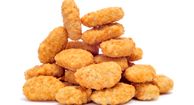
Chicken nuggets are the tiny golden celebrities of the freezer aisle: crispy, convenient, dippable, and somehow always more persuasive than a salad. They show up in school lunches, fast-food bags, game-day platters, late-night snacks, and the “I have 12 minutes and zero emotional energy” dinner rotation. They are friendly. They are familiar. They are usually shaped like something cheerful. And that, honestly, is part of their genius.
But behind that crunchy breading and lovable dipping-sauce lifestyle are a couple of truths many nugget fans would rather not think about. This is not a dramatic anti-nugget manifesto. No one is here to kick open your freezer and confiscate the dinosaur-shaped ones. Instead, this is a practical, slightly uncomfortable look at what chicken nuggets often are: highly processed chicken products that can contain more than plain chicken, plus a surprising amount of sodium, fat, starch, and food-safety baggage.
So, what are the two things you’d rather not know about chicken nuggets? First, the “chicken” part may be less simple than it sounds. Second, the crispy convenience comes with nutrition and safety trade-offs that are easy to overlook when you are busy deciding between barbecue sauce and ranch. Let’s open the box.
Thing #1: Chicken Nuggets Are Not Always Just “Pieces of Chicken”
When people hear “chicken nugget,” many imagine small chunks of chicken breast wearing a crunchy bread-crumb jacket. Sometimes that picture is fairly accurate. Many major brands and restaurants now advertise nuggets made with white meat chicken, boneless chicken breast, or chicken breast with rib meat. That sounds reassuring, and in some cases, it is a real improvement over older, lower-quality formulas.
However, the key word is “processed.” A nugget is not usually a plain cube of chicken cut from a breast, breaded, and sent lovingly into your life. Most commercial chicken nuggets are chopped, ground, shaped, seasoned, breaded, partially or fully cooked, frozen, transported, reheated, and served. By the time the nugget reaches your plate, it has gone through more steps than a reality-show contestant trying to win a rose.
The Ingredient List Tells the Real Story
Look closely at a nugget label and you may see chicken, water, wheat flour, starch, oils, salt, sugar, yeast extract, spices, flavorings, and sometimes soy ingredients. The exact recipe varies by brand, but the pattern is familiar: chicken plus binders, breading, seasoning, and processing helpers. These ingredients are not automatically dangerous, but they do mean nuggets are very different from roasted chicken breast.
Fast-food nuggets follow the same general idea. A restaurant may use white boneless chicken, but the final product usually includes batter, oil, flour, starch, leavening agents, seasonings, and preservatives or flavor-supporting ingredients depending on the recipe. The nugget is engineered to be crispy, juicy, salty, consistent, portable, and reheatable. That is food science doing cartwheels in a paper box.
What About Mechanically Separated Chicken?
Mechanically separated chicken is a poultry product made by forcing bones with attached edible tissue through machinery to separate soft tissue from bone. In the United States, if mechanically separated chicken or turkey is used, USDA rules require it to be identified by name in the ingredients list. That does not mean every chicken nugget contains mechanically separated chicken. Many popular products do not. But it does mean shoppers should read labels instead of trusting the word “chicken” alone.
This matters because the mental image of a nugget and the manufacturing reality can be quite different. Some nuggets are made mostly from chopped breast meat. Others may use a more blended chicken mixture. Some are shaped patties in nugget form. Some are heavily breaded. Some are marketed as “all natural,” which may sound healthier but does not necessarily mean lower sodium, lower fat, or minimally processed.
The “White Meat” Claim Can Still Be Complicated
“Made with white meat chicken” is a useful claim, but it is not the same as saying, “This is nutritionally identical to grilled chicken breast.” Once meat is ground, mixed with water and seasonings, coated in flour, and cooked in oil, the final food changes. It may have more calories, more sodium, more refined carbohydrates, and more fat than a simple piece of chicken.
That is the first uncomfortable nugget truth: the chicken may be real, but the nugget is a manufactured food product. It is designed for taste, texture, speed, and consistency. In other words, it is less “farmhouse dinner” and more “tiny edible engineering project with excellent crunch.”
Thing #2: The Crispy Coating Hides Sodium, Fat, and Food-Safety Concerns
The second thing you may not want to know is that the nutrition and safety profile of chicken nuggets can be sneakier than expected. Nuggets are small, and small foods feel harmless. One nugget looks like a snack. Four nuggets look like a snack. Ten nuggets look like a snack that got promoted. Add fries and sauce, and suddenly the meal is less “quick bite” and more “sodium conference with a side of ketchup.”
Sodium Adds Up Fast
Chicken nuggets are often salty because sodium improves flavor, helps with texture, and supports food preservation. The FDA notes that most sodium in the American diet comes from packaged, prepared, and restaurant foods rather than from the salt shaker at home. Nuggets fit comfortably in that category. You may not be sprinkling salt on them, but salt has already RSVP’d.
The recommended daily limit for sodium is less than 2,300 milligrams for most adults. A serving of nuggets can take a noticeable bite out of that number, especially when paired with salty fries, dipping sauces, soda, or other processed foods throughout the day. For children, sodium limits may be lower depending on age, which makes frequent nugget meals worth a second look.
The Breading Changes the Nutrition Math
Plain chicken is mostly protein. Chicken nuggets are protein plus breading plus oil. That breading may include refined flour, starches, seasonings, and sometimes sugar. Once fried or pre-fried, nuggets can contain more fat and calories than many people expect. Even baked frozen nuggets may have oil already set into the breading before they reach your oven or air fryer.
This does not make chicken nuggets “poison.” It makes them a food to treat like what they are: a processed convenience item, not a lean protein shortcut. If you eat them occasionally, the sky does not fall. If they become a daily meal anchor, the nutrition trade-offs become harder to ignore.
Ultra-Processed Food Is the Bigger Picture
Chicken nuggets are commonly classified as ultra-processed foods because they are made through multiple industrial steps and often include ingredients not typically used in home cooking. Nutrition experts often link diets high in ultra-processed foods with higher intakes of sodium, unhealthy fats, refined carbohydrates, and additives. Research on ultra-processed foods continues to evolve, but the basic advice is steady: eat more whole and minimally processed foods most of the time.
That does not mean every nugget must be banished to the culinary underworld. It means nuggets should not crowd out vegetables, beans, whole grains, fruit, nuts, yogurt, eggs, fish, or simple home-cooked proteins. A plate of nuggets can be part of a meal. It just should not be the whole personality of the meal.
Food Safety Still Matters, Even With “Fully Cooked” Nuggets
Many frozen chicken nuggets are labeled fully cooked, but they still need to be heated according to package directions. Frozen foods can be mishandled, underheated, or cross-contaminated during preparation. Raw chicken, meanwhile, can carry germs such as Salmonella, Campylobacter, and Clostridium perfringens. If you are preparing raw breaded chicken products, the stakes are higher because the breading can make the product look cooked before the inside is safe.
Good habits help: wash hands after handling poultry products, use clean utensils, avoid cross-contamination, refrigerate leftovers promptly, and heat products to the temperature recommended on the label. A food thermometer may not feel glamorous, but neither does spending the weekend regretting dinner.
Foreign-Material Recalls Are Rare but Real
Another uncomfortable reality: processed foods are made with machinery, and recalls sometimes happen because products may contain foreign materials such as metal, plastic, rubber, or other unwanted fragments. USDA’s Food Safety and Inspection Service has issued recalls and public health alerts involving chicken nugget products for possible foreign-material contamination. These events do not mean every nugget is risky, but they are a reminder that highly processed food systems are complex.
For consumers, the practical step is simple: check recall notices when a product looks suspicious, keep packaging until the food is gone, and do not eat nuggets that smell odd, look damaged, contain unexpected hard pieces, or come from a recalled lot. When in doubt, throw it out. Your dental work deserves better than a surprise metal cameo.
Are Chicken Nuggets Bad for You?
The honest answer is: it depends on the nuggets, the portion size, and how often you eat them. Chicken nuggets are not automatically terrible. They provide protein, they are convenient, and they can help busy families get food on the table. For picky eaters, they may even be a bridge food that makes meals less stressful. Food should not come with a guilt parade every time someone opens the freezer.
But nuggets are not the same as grilled chicken, roasted chicken, or homemade baked chicken tenders. They are usually higher in sodium, more processed, and more dependent on breading and oil for flavor. If you eat them occasionally with fruit, vegetables, and water, they can fit into a balanced diet. If they appear every day with fries and sugary drinks, the pattern becomes less friendly.
How to Choose Better Chicken Nuggets
If you enjoy chicken nuggets, you do not have to break up with them dramatically in the frozen-food aisle. Just shop smarter. Start with the ingredient list. Choose products where chicken or chicken breast appears first. Look for shorter ingredient lists when possible. Compare sodium per serving, not just calories. Check protein, saturated fat, and serving size. One brand’s “serving” may be four nuggets, while your real-life serving may be closer to eight. Labels are informative, but they are not psychic.
Look for These Label Clues
Choose nuggets made with white meat chicken or chicken breast if you prefer a leaner product. Watch for mechanically separated chicken if that is something you want to avoid. Check whether the product is fully cooked or raw, because preparation instructions differ. Review allergen statements if you avoid wheat, soy, milk, or eggs. Many breaded nuggets contain wheat, and some include soy or dairy ingredients.
Also compare cooking methods. Air frying or baking can be better than deep frying at home because you avoid adding extra oil. However, remember that many frozen nuggets already contain oil in the coating. The air fryer can make them crispier, but it cannot magically turn them into steamed broccoli wearing a cape.
Build a Better Nugget Meal
The easiest way to improve a nugget meal is not always to change the nugget. Change the plate. Add baby carrots, cucumber slices, roasted broccoli, apple wedges, a side salad, corn, peas, or baked sweet potato fries. Swap soda for water or milk. Use sauce lightly, especially creamy or very salty dips. If serving children, make the plate colorful and casual rather than turning dinner into a nutrition lecture with dipping sauce.
You can also make homemade chicken nuggets using pieces of chicken breast, egg, whole-grain crumbs, spices, and an oven or air fryer. Homemade versions let you control salt, oil, breading, and portion size. They may not taste exactly like fast-food nuggets, but they can be delicious in their own right. Bonus: you know what went into them, which is always a comforting plot twist.
Specific Examples: What a Nugget Label Can Reveal
Imagine two frozen nugget products sitting side by side. Product A lists chicken breast with rib meat, wheat flour, water, oil, salt, spices, garlic, onion, and yeast. Product B lists chicken, water, several starches, flavorings, sugar, salt, oils, and a longer list of additives. Both may taste good. Both may be safe when prepared correctly. But Product A may be closer to what many shoppers expect when they buy chicken nuggets.
Now compare the sodium. One brand may have hundreds of milligrams per serving. Another may have less. If your child eats nuggets with ketchup, fries, and a processed snack later, sodium stacks up quietly throughout the day. This is why reading labels matters. It turns “all nuggets are the same” into “some nuggets are better choices than others.”
Why We Love Nuggets Anyway
Chicken nuggets succeed because they solve problems. They are fast. They are predictable. They are easy to dip. They do not require a knife, a recipe, or deep emotional commitment. Parents like them because many children will eat them without negotiations worthy of a hostage situation. Adults like them because nostalgia is delicious and crispy.
Food is not only fuel. It is comfort, memory, convenience, budget, culture, and sometimes survival on a Tuesday night. The goal is not to shame nugget lovers. The goal is to remove the mystery. Once you understand what nuggets are, you can decide how often they belong on your plate and what should go beside them.
Personal Experiences and Everyday Lessons About Chicken Nuggets
Most people have a chicken nugget story, even if it is not the kind of story anyone plans to tell at a dinner party. For many families, nuggets are the emergency button meal. The day runs late, homework appears from nowhere, someone forgot to thaw the chicken, and suddenly the freezer becomes the hero. A tray of nuggets goes into the oven, the timer starts, and peace returns to the kitchen for at least 14 minutes.
One common experience is realizing that “serving size” and “actual appetite” are not always close friends. The label may say four or five nuggets, but a hungry teenager may treat that as an opening ceremony. Add sauces, fries, chips, or mac and cheese, and a simple snack can become a heavy meal. This is not a moral failure. It is just a reminder that small foods are easy to underestimate. Nuggets do not look filling until the plate is empty and everyone is mysteriously thirsty from the sodium.
Another familiar moment happens when someone finally reads the ingredient list. At first, it can feel like discovering your favorite childhood cartoon had a complicated legal department. There is chicken, yes, but also water, flour, oils, starches, salt, flavorings, and other ingredients that help create the texture people expect. That label-reading moment does not necessarily ruin nuggets. In fact, it can make shopping easier. Once you know what to look for, you can compare brands quickly and choose the one that best fits your priorities.
Parents often learn that nuggets can be useful without becoming the entire meal. A plate with nuggets, strawberries, cucumber slices, and a small portion of whole-grain crackers feels very different from nuggets, fries, soda, and a cookie. The nuggets are still there, doing their crunchy little job, but the meal has balance. Children may not applaud the cucumber slices, but repeated exposure helps. Sometimes the vegetable gets eaten. Sometimes it becomes a tiny green decoration. Progress is progress.
Adults have their own nugget experiences, especially with late-night cravings. There is something oddly satisfying about standing in the kitchen, waiting for the air fryer, and pretending the dipping sauce decision is a major life event. The trick is to enjoy that moment without letting convenience become autopilot. If nuggets are a once-in-a-while comfort food, fine. If they become dinner four nights a week, it may be time to invite other foods back into the rotation.
Homemade nuggets can also change the experience. Cutting chicken breast into chunks, coating it with seasoned crumbs, and baking or air frying it gives you a nugget that feels familiar but tastes fresher. You can add paprika, garlic powder, black pepper, Parmesan, or crushed cornflakes for crunch. Kids can help with dipping and coating, which makes dinner more interactive. Homemade nuggets are not always as perfectly uniform as store-bought ones, but that is part of the charm. A weird-shaped nugget is still a nugget. Honestly, it may have more personality.
The biggest lesson is that chicken nuggets are best treated with honesty. They are convenient, tasty, and fun. They are also processed, often salty, and not nutritionally equal to plain chicken. Knowing both sides lets you enjoy them wisely. You can keep a bag in the freezer, check labels, follow cooking instructions, add colorful sides, and avoid pretending nuggets are health food just because they contain chicken. That balanced approach is less dramatic than quitting nuggets forever, and much more realistic for real kitchens.
Conclusion: Keep the Crunch, Know the Catch
Chicken nuggets are not villains. They are convenient processed foods with a crispy public-relations team. The two things you may not want to know are simple: nuggets are often more manufactured than they appear, and their sodium, fat, breading, and food-safety considerations deserve attention. Once you know that, you can make better choices without panic.
Choose nuggets with clearer ingredients, compare sodium, follow heating instructions, watch portions, and build meals with vegetables, fruit, and other minimally processed foods. Enjoy nuggets when you want them, but do not let the golden coating do all the thinking for you. Your freezer can still have nuggets. It just should not be running the household.