Note: This article is based on verified product information, motorcycle safety data, rider-gear guidance, and consumer technology reporting from reputable U.S.-accessible sources, including manufacturer pages, rider safety organizations, motorcycle gear retailers, and transportation safety agencies.
Buying motorcycle safety gear used to be refreshingly simple. You bought a helmet, gloves, boots, jacket, pants, maybe a back protector, and then you rode away feeling both responsible and slightly poorer. The gear either worked or it did not. Your helmet did not ask you to log into an app before protecting your skull. Your gloves did not require a software license before saving your knuckles. Your boots, bless them, never demanded a monthly plan to keep your ankles attached.
Then smart safety gear arrived, and with it came a very modern question: do you really own a motorcycle airbag vest if the airbag requires an additional purchase, activation plan, or subscription to inflate?
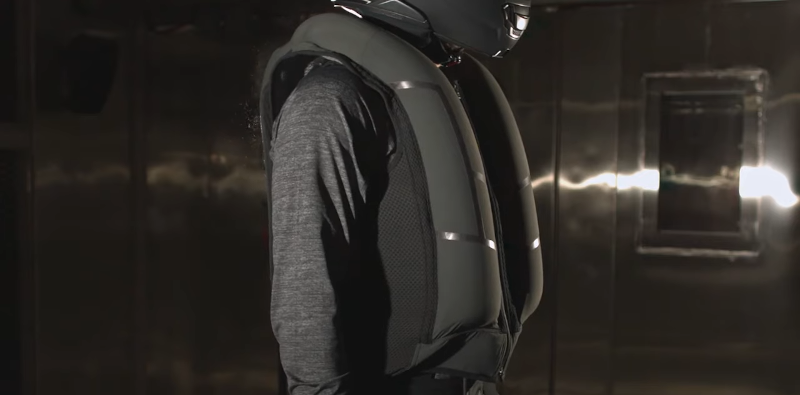
That question became especially loud around the KLIM Ai-1 Airbag Vest, a wearable motorcycle airbag system powered by In&motion technology. The vest itself is real. The protection concept is real. The safety benefits of motorcycle airbags are increasingly persuasive. But the business model made riders sit up faster than a sportbike on a cold morning: the vest needs the In&box detection module and activated service to function. Riders can either pay for the In&motion system outright or use a monthly or annual subscription plan. If the subscription is paused, expired, or not reactivated after the grace period, the system will not enter ride-ready status and will not detect crashes.
In other words, the fabric may be yours, the zipper may be yours, and the back protector may be yours. But the magic puff of potentially rib-saving inflation depends on hardware, software, account status, battery charge, and activation. Welcome to the subscription economy, now with more horsepower and fewer crumple zones.
The Motorcycle Airbag Idea Is Excellent
Before roasting the business model like a neglected rear tire, it is important to say this clearly: motorcycle airbag technology is a serious and promising safety advancement. Motorcyclists are far more exposed than drivers in passenger vehicles. A car has a cage, seat belts, airbags, stability control, and a large metal body designed to absorb impact. A rider has balance, skill, protective gear, and the eternal hope that everyone else on the road remembered how mirrors work.
Government and insurance safety data consistently show that motorcyclists are overrepresented in fatal crashes. Recent U.S. road safety information has put motorcyclist fatalities in the thousands per year, with riders facing a much higher death rate per mile traveled than passenger car occupants. That is why protective gear matters. Helmets protect the head. Abrasion-resistant jackets and pants help reduce road rash. Gloves and boots protect extremities. Airbag vests aim to add another layer by inflating around the torso, spine, chest, abdomen, and neck area during certain crash scenarios.
The basic purpose is simple: spread and reduce impact forces before the rider hits the ground, a vehicle, or another object. In the most optimistic version of the story, a motorcycle airbag is like having a tiny emergency marshmallow hidden under your jacket. You hope it never appears. But if it does, you want it to appear instantly, correctly, and without checking whether your credit card is still valid.
How Motorcycle Airbag Vests Work
Motorcycle airbag systems generally fall into two major categories: mechanical tethered systems and electronic autonomous systems.
Mechanical Tethered Airbags
A tethered airbag vest connects physically to the motorcycle with a lanyard. If the rider is thrown from the bike, the tether pulls a trigger, punctures a CO₂ cartridge, and inflates the vest. This approach is wonderfully analog. There is no algorithm to update, no cloud dashboard, no “forgot password” moment in the garage. The rider usually replaces the gas cartridge after deployment, inspects the vest, and continues using it if the system is undamaged and rated for reuse.
The downside is that tethered systems usually require rider separation from the motorcycle to deploy. Some crashes happen before the rider is fully separated, or involve awkward impacts where a mechanical trigger may not respond as quickly as an electronic system. Also, you must remember to clip in every time. Forgetting the tether is the motorcycle equivalent of leaving the house with your coffee on the roof of the car: embarrassing, preventable, and surprisingly common.
Electronic Autonomous Airbags
Electronic systems use sensors such as accelerometers, gyroscopes, GPS inputs, and crash-detection algorithms to decide when inflation is needed. These systems can monitor rider movement many times per second and deploy rapidly when the software identifies an unrecoverable crash scenario. The KLIM Ai-1, for example, is described as an autonomous electronic airbag vest using the In&box detection module and an evolving crash-detection algorithm.
The upside is speed and sophistication. Electronic systems may deploy before full rider separation and can be tuned for street, track, adventure, or other riding environments. The downside is complexity. You now have batteries, firmware, mobile apps, account activation, service plans, mode selection, and sometimes subscription pricing. Congratulations: your jacket has become a small computer that lives near your spine.
What Makes the KLIM Ai-1 Controversial?
The KLIM Ai-1 controversy is not that it uses advanced technology. Riders generally like advanced technology when it helps them stay alive. ABS, traction control, better helmets, improved armor, and high-visibility gear are all welcome. The controversy is that a buyer can purchase the vest and still need an additional payment path to activate the protection system that makes the product special.
Current product information for the KLIM Ai-1 lists the vest itself at a lower price than many full airbag systems, but the quick-start process includes downloading the My In&box app, creating an account, and choosing a plan. Options include a monthly or annual subscription for Street Mode, or a one-time purchase option for the In&motion system. There are also optional paid detection modes, such as Adventure Mode, for riders who want algorithms designed for different riding conditions.
That means the advertised entry price is not the full long-term ownership story. A rider who wants no subscription can buy the system outright. A rider who wants a lower upfront cost can subscribe. That sounds flexible, and in many ways it is. But it also raises a fair consumer question: when safety equipment depends on software activation, what exactly did the buyer buy?
The Case for the Subscription Model
There is a reasonable defense of the subscription model, and it deserves more than a sarcastic eye roll. Motorcycle airbag systems are expensive to develop. Crash-detection software requires testing, data, updates, engineering, and support. Sensors can improve. Algorithms can be refined. Customer service and warranty support cost money. A subscription can lower the initial price, making airbag protection available to riders who might not pay the full amount upfront.
That matters. If a lower entry cost gets more riders into protective gear, the model has a practical safety argument. Some subscription plans also include extended support, replacement modules after a certain period, and ongoing updates. For riders who upgrade gear often, ride seasonally, or prefer spreading costs over time, monthly pricing may feel less painful than a one-time purchase.
In this view, the subscription is not a sneaky toll booth. It is a financing and service option. You can buy the core system outright, or you can rent access to the brain of the product. The company is not necessarily saying, “Nice collarbone you have there; shame if something happened to it.” It is saying, “This technology has ongoing costs, and here are multiple ways to pay for them.”
The Case Against It
Now for the part riders keep circling back to: this is safety equipment. Not a streaming service. Not a heated seat. Not a premium avatar border. A motorcycle airbag exists for the worst moment of your ride. The idea that crash protection may depend on a paid plan feels uncomfortable because it touches something deeper than convenience.
If a music subscription lapses, you lose your road-trip playlist. Annoying, yes, but survivable unless your passenger insists on singing. If a cloud storage subscription lapses, you may lose easy access to files. Frustrating, but not usually orthopedic. If a motorcycle airbag plan lapses and the system no longer arms, the consequences could be much more serious.
To be fair, KLIM and In&motion state that the vest will not trick the rider into thinking it is active when it is not. The In&box uses LED status indicators, and there is a grace period after a missed payment before the system stops detecting crashes. The company also says it will not shut the vest off mid-ride. Those safeguards matter. But the broader discomfort remains: a product designed to protect a body in a crash can become nonfunctional because of account status.
Ownership Gets Weird When Software Runs the Hardware
The KLIM Ai-1 is part of a much bigger trend. Modern products increasingly blur the line between ownership and licensed access. Cars may have features activated by software. Farm equipment can involve diagnostic restrictions. Smart appliances may depend on apps. Fitness devices may hide advanced metrics behind memberships. Even printers have managed to become tiny plastic landlords demanding tribute in ink.
Motorcycle gear entering that world feels especially strange because riders have long valued mechanical trust. You inspect your chain. You check tire pressure. You look at brake pads. You zip your jacket. You know what is ready because you can see it, touch it, and test it. Smart airbags add an invisible layer: the system may look fine externally, but true readiness depends on electronics, battery, software mode, and service activation.
That does not make smart gear bad. It means buyers need a new checklist. The future of motorcycle safety is not only about leather thickness, CE armor levels, and helmet ratings. It is also about app support, data policies, subscription terms, warranty duration, update availability, resale rules, and what happens if the company changes its pricing later.
What Riders Should Check Before Buying a Motorcycle Airbag
A motorcycle airbag vest can be a smart investment, but riders should shop with the same seriousness they bring to helmets and tires. The first question is not “Which one looks coolest?” The first question is “Will this system fit my riding life?”
1. Total Cost of Ownership
Look beyond the shelf price. Add the vest, module, activation plan, optional riding modes, replacement inflators, shipping, inspection costs, and service after deployment. A cheaper initial price may become more expensive over several years, while a more expensive no-subscription system may cost less in the long run.
2. Activation Requirements
Ask whether the system works immediately out of the box or requires app pairing, account creation, firmware updates, and payment activation. If the product requires a plan, find out what happens when payment fails, the account is paused, the app is unavailable, or the company changes terms.
3. Deployment and Reuse
Some vests allow user-replaceable cartridges. Others require factory inspection or certified service after deployment. Some systems are rated for multiple inflations under specific conditions. Others may need bladder replacement or professional repacking. This matters because crashing is already expensive; your safety gear should not surprise you with a second invoice while you are still picking gravel out of your dignity.
4. Jacket Compatibility
Airbags need room to expand. Under-jacket systems require enough space inside the outer jacket. Too tight, and the airbag cannot inflate properly. Too loose, and protection may shift. Always follow the fit and compatibility guidelines. A motorcycle airbag is not a fashionable base layer. It is a controlled explosion of protection, and it needs personal space.
5. Riding Style
Street commuting, touring, track riding, adventure riding, and off-road riding all create different crash patterns. Make sure the system is designed for your actual use. An algorithm built for paved-road street riding may not be appropriate for aggressive off-road riding, jumps, slides, or closed-course conditions unless the manufacturer offers a specific mode for that environment.
Is the KLIM Ai-1 a Bad Product?
No. The KLIM Ai-1 is not automatically a bad product because it uses a subscription option. In fact, many riders like the idea of an intelligent, low-profile airbag vest that fits under compatible jackets and benefits from evolving crash-detection software. The system is lightweight compared with traditional bulky gear, offers fast detection and inflation claims, and provides a modern alternative to tethered designs.
The better criticism is not “this product is bad.” The better criticism is “this product requires unusually clear communication.” Safety gear should never surprise buyers after checkout. If a vest needs a paid module plan to become fully functional, that should be obvious before purchase, not discovered during setup. If a subscription can be paused, canceled, or expired, riders need plain-language warnings about what that means for protection. If data is collected to improve algorithms, riders should understand what is collected, when it syncs, and whether they can opt out.
Transparency is the difference between innovation and irritation. Riders can accept complex technology. They already manage fuel injection, ABS sensors, Bluetooth comms, tire-pressure monitors, and navigation apps that occasionally try to send them through a pond. What they dislike is feeling tricked.
Subscription Safety Gear and the Trust Problem
Trust is everything in motorcycle gear. A helmet earns trust because it meets a standard. A tire earns trust because it grips predictably. A brake lever earns trust because it does the same thing every time. A smart airbag has to earn trust twice: once as protective equipment and once as digital equipment.
That second layer is where skepticism grows. Riders wonder: Will the company support this system in five years? Can I sell the vest used? Can a second owner activate it easily? What happens if the app is discontinued? Will firmware updates improve protection or eventually require new hardware? Can I use the vest in areas with poor connectivity? What if my phone breaks? What if I forget to charge the module?
Some of these concerns have practical answers. Many systems do not need live internet during a ride. Status lights can show readiness. Batteries can last for many hours. Grace periods can prevent sudden deactivation. But a good answer is not the same as no concern. The more a safety product depends on digital infrastructure, the more the buyer needs confidence in that infrastructure.
The Bigger Lesson: Read the Fine Print Before the Ride
The lesson here is not “never buy subscription-based motorcycle gear.” The lesson is “know what kind of ownership you are buying.” If you are comfortable paying monthly for ongoing support and updates, the KLIM Ai-1 model may make sense. If the idea of a safety device tied to a payment plan makes your eye twitch, choose an outright purchase option or a different airbag system with no recurring service requirement.
There is no universal best choice. A daily commuter may value autonomous electronic detection. A touring rider may prefer long battery life and easy status checks. A track rider may want a race-specific system. An adventure rider may need an algorithm designed for dirt and low-traction weirdness. A minimalist may prefer a tethered vest with a replaceable CO₂ cartridge and no software relationship more emotionally demanding than a toaster.
The important thing is that riders should not treat airbag vests like ordinary jackets. They are safety systems. They require setup, understanding, maintenance, and a realistic look at cost. The best airbag is the one you will wear, maintain, activate correctly, and trust every time you ride.
Real-World Experiences and Practical Rider Lessons
Rider experiences around motorcycle airbags tend to fall into three camps: the believers, the skeptics, and the people who become believers immediately after a crash. The believers usually talk about peace of mind. They like knowing that if a car turns left in front of them, if gravel appears mid-corner, or if a deer performs its traditional roadside magic trick, they have more than foam armor between their ribs and the planet. These riders often say the vest becomes routine after a few rides. Charge it, check the lights, zip up, and go. It is just another part of the pre-ride ritual, like checking mirrors or pretending you will not buy gas-station coffee again.
The skeptics focus on comfort, heat, cost, and hassle. Under-jacket airbags can feel warm in summer, especially in humid climates or stop-and-go traffic. Over-jacket tethered vests can feel bulky. Electronic systems require charging. Mechanical systems require clipping in. Some riders worry that they will forget a step, wear the wrong jacket, or accidentally deploy a tethered vest while dismounting with the grace of a sleepy giraffe. These concerns are not silly. Protective gear only works if riders actually use it, and comfort is a safety factor because uncomfortable gear tends to stay in the closet.
Then there are riders who have deployed an airbag in a crash. Their stories often sound very different. Many describe the inflation as shockingly fast, firm, and loud. Some remember hitting the ground and realizing the vest had already inflated before they fully understood what happened. Others mention soreness, bruising, or damaged gear, but also say they believe the airbag reduced the severity of injury. Of course, no airbag can guarantee a good outcome. A crash is chaos with physics holding a clipboard. Speed, impact angle, road surface, other vehicles, and rider position all matter. But enough riders report positive outcomes that airbags are no longer exotic racing technology. They are becoming serious street gear.
The subscription issue adds a different kind of experience: emotional friction. Riders do not want one more account to manage. They do not want safety equipment mixed with billing anxiety. Even when the company provides warnings, lights, grace periods, and clear activation status, the idea can feel backward. Safety gear should inspire calm, not make riders wonder whether their bank card expired. That is why transparency at purchase matters so much. A rider who knowingly chooses a subscription because it lowers upfront cost may be perfectly happy. A rider who discovers the requirement after opening the box may feel ambushed.
From a practical standpoint, the best experience comes from treating the airbag like part of the motorcycle system, not just clothing. Keep the module charged. Check readiness indicators before every ride. Confirm your jacket has expansion room. Replace inflators correctly after deployment. Review the manufacturer’s post-crash inspection instructions. If using a subscription plan, set calendar reminders and keep payment information current. If that sounds annoying, it is still less annoying than a fractured rib explaining itself to your insurance deductible.
The smartest riders are not necessarily the ones who buy the most expensive gear. They are the ones who understand their gear. Whether you choose a KLIM Ai-1, a tethered Helite, a Dainese system, an Alpinestars airbag, or another option, do not stop at the marketing headline. Learn how it arms, when it deploys, what it protects, what it does not protect, how it is serviced, and what it costs over time. Ownership is not just possession. With smart safety gear, ownership means control, knowledge, and readiness.
Conclusion
The motorcycle airbag that requires an additional purchase or subscription to inflate is not just a quirky product story. It is a preview of where safety technology, software, and consumer ownership are heading. The KLIM Ai-1 and In&motion system show both sides of that future. On one side, there is impressive protective technology that may make advanced airbag gear more accessible. On the other, there is a reasonable concern that essential safety functions should not feel locked behind account status.
So, do you really own it? The honest answer is: it depends on what you bought. If you purchased the vest and the In&motion system outright, you own a more complete setup. If you chose the subscription route, you own the garment but rent ongoing access to the electronic brain that makes the airbag function. Neither choice is automatically wrong, but riders deserve clarity before they spend a dollar.
Motorcycle airbags can be valuable, even life-changing safety gear. But the best protection starts before the crash: read the terms, understand the technology, know the total cost, and choose the system that matches your riding and your tolerance for digital strings attached. Because when the road goes sideways, the last thing any rider wants is a safety feature with an asterisk.